
MASSIVE 135KWH SOLAR SYSTEM INSTALLATION
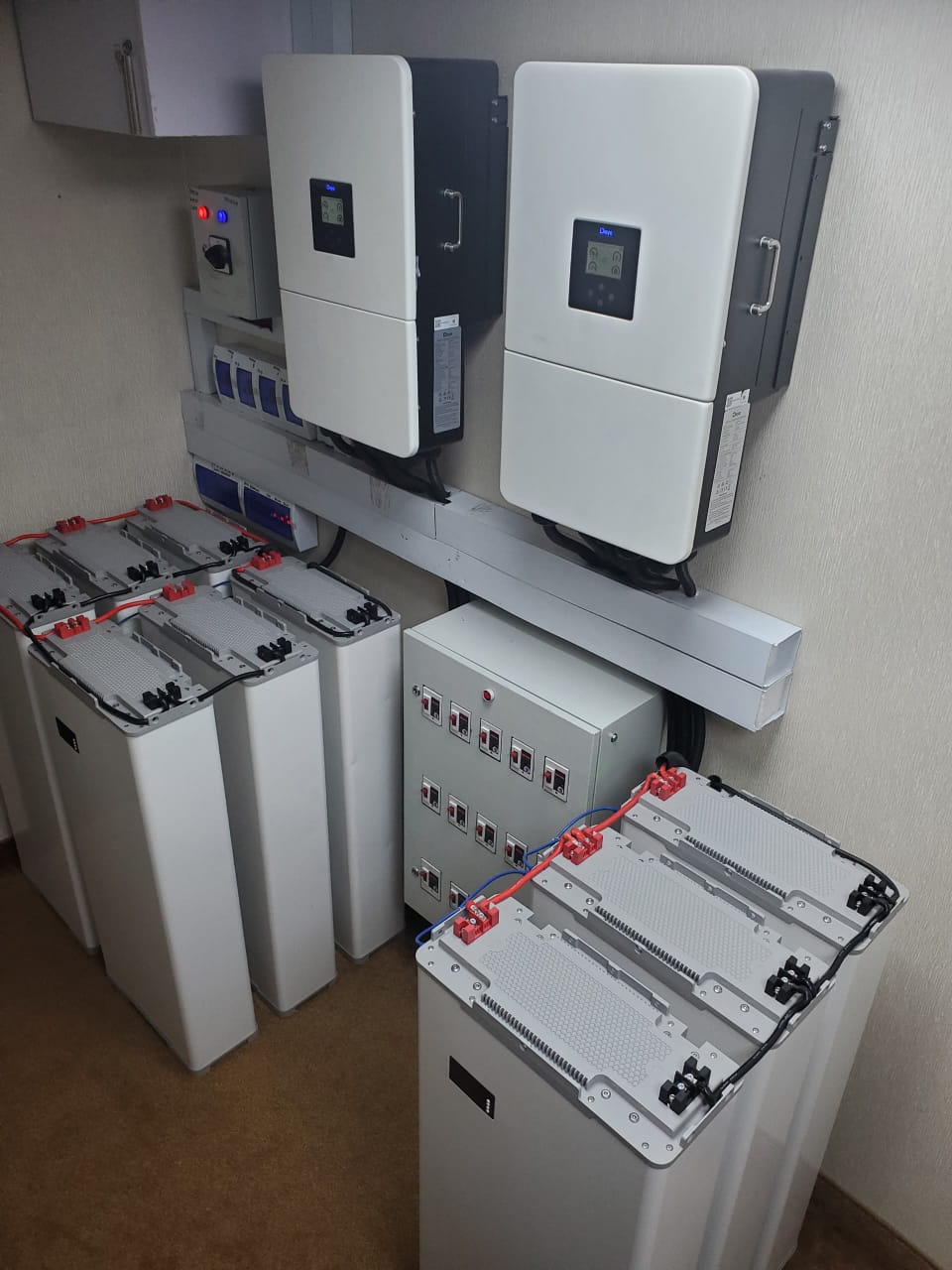
MASSIVE 40KVA / 135KWH SOLAR SYSTEM INSTALLATION in Abuja
Nigeria’s energy demand continues to grow across residential estates, corporate facilities, and commercial developments. With unreliable grid supply and rising fuel costs, solar power has become the preferred solution for long-term energy stability. One of the most impactful demonstrations of modern solar capability is the successful deployment of large-scale systems designed to deliver uninterrupted power.
A recent milestone installation in Abuja showcases exactly what advanced solar engineering can achieve -a massive 40KVA inverter capacity paired with a 135KWH lithium battery storage system. This project represents a major leap toward sustainable, high-capacity energy independence and highlights the effectiveness of premium solar solutions when designed and executed correctly.
This article explores the planning, installation, benefits, and performance outcomes of this impressive solar deployment while emphasizing its relevance to businesses and institutions across Nigeria.
Project Overview
This Abuja installation was designed to support a facility requiring consistent, high-load energy delivery without dependence on grid instability or diesel generators. The system configuration includes:
• 40KVA Hybrid Inverter Capacity
• 135KWH Lithium Battery Storage
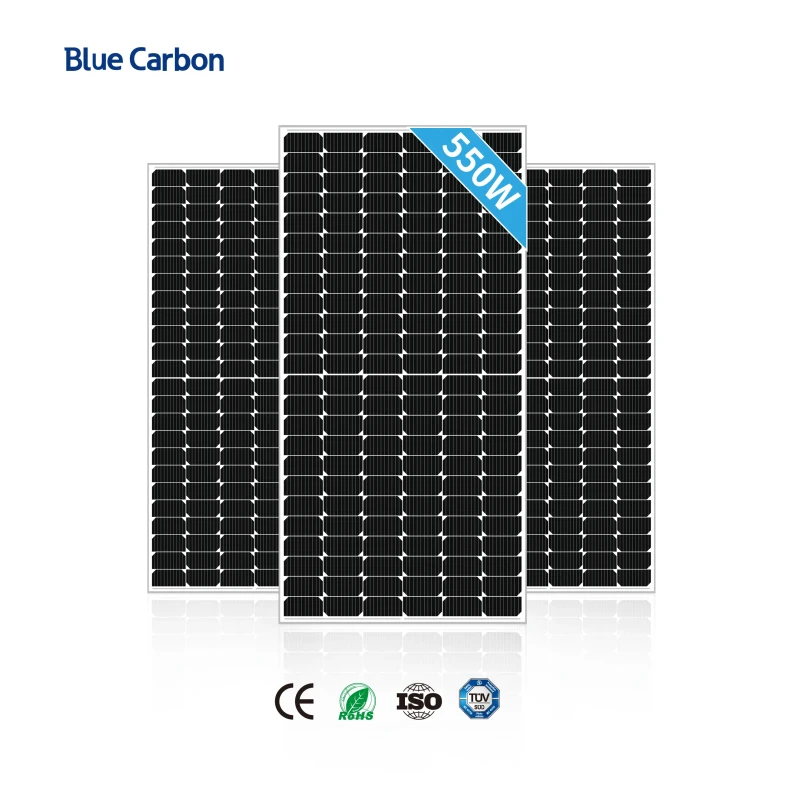
• High-efficiency solar panel arrays
• Professional load balancing design
• Integrated smart monitoring
• Clean cable management and protection systems
The goal was to deliver:
• Reliable 24/7 electricity
• Reduced generator dependency
• Lower operational costs
• Long-term energy sustainability
Why Large-Scale Solar Systems Are Growing in Demand
Across Nigeria, organizations are moving toward scalable solar infrastructure because traditional power sources are becoming less viable due to:
• Frequent grid outages
• Fuel price volatility
• Maintenance costs of generators
• Environmental concerns
• Operational disruptions
A properly designed solar system addresses these challenges by providing predictable energy production and storage.
System Design and Planning Phase
Before installation began, extensive planning ensured that the system would perform optimally under Abuja’s environmental conditions.
Load Assessment
Engineers conducted a detailed load calculation to determine:
• Peak demand periods
• Equipment power requirements
• Energy consumption patterns
• Backup duration needs
This ensured that inverter capacity and battery storage were accurately matched to operational demands.
Equipment Selection
Premium-grade components were selected for:
• Durability in high-temperature environments
• Efficient energy conversion
• Stable battery cycling
• Long service lifespan
Choosing high-quality lithium batteries and hybrid inverters was crucial to achieving reliability.
Installation Layout Engineering
The layout was structured for:
• Efficient cable routing
• Safety compliance
• Ventilation and cooling
• Ease of maintenance access
• Scalable future expansion
Installation Execution
Solar Panel Deployment
Solar arrays were installed at optimal tilt angles to maximize sunlight capture throughout the year. Proper spacing and alignment reduced shading losses and improved generation efficiency.
Inverter Integration
The 40KVA hybrid inverter system was configured to intelligently manage:
• Solar input
• Battery storage
• Grid interaction
• Load distribution
This ensures seamless switching between power sources without interruption.
Lithium Battery Deployment
The 135KWH storage system provides:
• Extended backup duration
• Fast charging capability
• Stable voltage output
• Deep discharge tolerance
This allows the facility to maintain operations during nighttime and cloudy periods.
Cable and Protection Systems
High-quality protection devices and structured wiring were installed to guarantee:
• Electrical safety
• Surge protection
• Fault isolation
• System longevity
Performance Benefits of the Installation
Energy Independence
The facility now operates with significantly reduced reliance on external power sources.
Cost Reduction
Operational savings include:
• Lower diesel consumption
• Reduced generator servicing
• Predictable energy costs
• Long-term ROI improvement
Environmental Sustainability
Solar energy drastically lowers carbon emissions and supports clean energy initiatives.
Operational Stability
Reliable power improves:
• Productivity
• Equipment lifespan
• Comfort
• Business continuity
Why Lithium Storage Matters at This Scale
Large-capacity lithium batteries are essential for modern installations because they offer:
• Longer cycle life
• Higher efficiency
• Faster recharge rates
• Minimal maintenance
• Enhanced safety features
This makes them ideal for commercial-scale energy storage.
The Role of Professional Installation
Large solar projects demand experienced engineering teams to ensure:
• Correct sizing
• Proper configuration
• Safe wiring
• Performance optimization
Professional expertise directly influences system success and longevity.
The Future of High-Capacity Solar in Nigeria
Projects like this Abuja installation signal a shift toward widespread adoption of large-scale solar infrastructure across:
• Corporate offices
• Educational institutions
• Hospitals
• Industrial facilities
• Residential estates
As technology advances and awareness grows, high-capacity solar will become a standard energy solution nationwide.
Conclusion
The 40KVA / 135KWH solar system installation in Abuja demonstrates the powerful impact of well-designed renewable energy solutions. By combining advanced hybrid inverter capacity, large lithium storage, and optimized solar harvesting, the project delivers reliability, efficiency, and sustainability.
This installation is more than a technical achievement -it is a blueprint for future energy independence across Nigeria. Organizations seeking long-term stability and cost savings can benefit significantly from adopting similar solar strategies.
As energy demand continues to rise, large-scale solar systems remain the most practical path toward dependable and environmentally responsible power generation.