
Solar Panel Types: Comparing Monocrystalline vs. Bifacial Panels to Help Homeowners Choose the Best Option
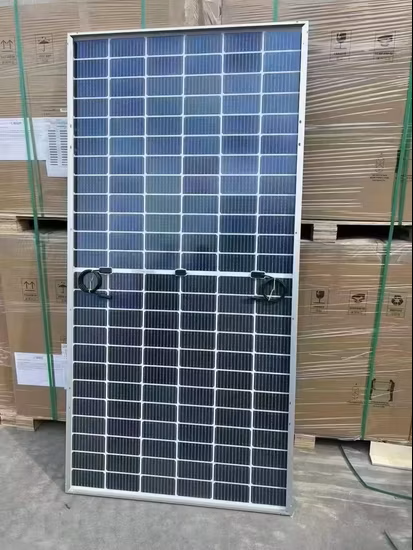
As solar energy becomes increasingly popular in Nigeria and around the world, homeowners are faced with an important decision when planning a solar installation: Which type of solar panel should I choose?
Among the
most popular options available today are Monocrystalline Solar Panels
and Bifacial Solar Panels. Both technologies offer excellent
performance, but they are designed for different applications and environments.
Choosing the
right solar panel can significantly affect:
- Energy production
- Installation costs
- Return on investment
- System efficiency
- Long-term savings
In this
comprehensive guide, we compare monocrystalline and bifacial solar panels in
detail to help you determine which option is best for your home.
Understanding
Solar Panel Technology
Solar panels
convert sunlight into electricity through photovoltaic (PV) cells.
When
sunlight strikes the solar cells, electrons become energized and generate
direct current (DC) electricity. This electricity is then converted into usable
alternating current (AC) electricity through an inverter.
While all
solar panels perform this basic function, different panel technologies have
varying levels of efficiency, durability, and energy production.
What Are
Monocrystalline Solar Panels?
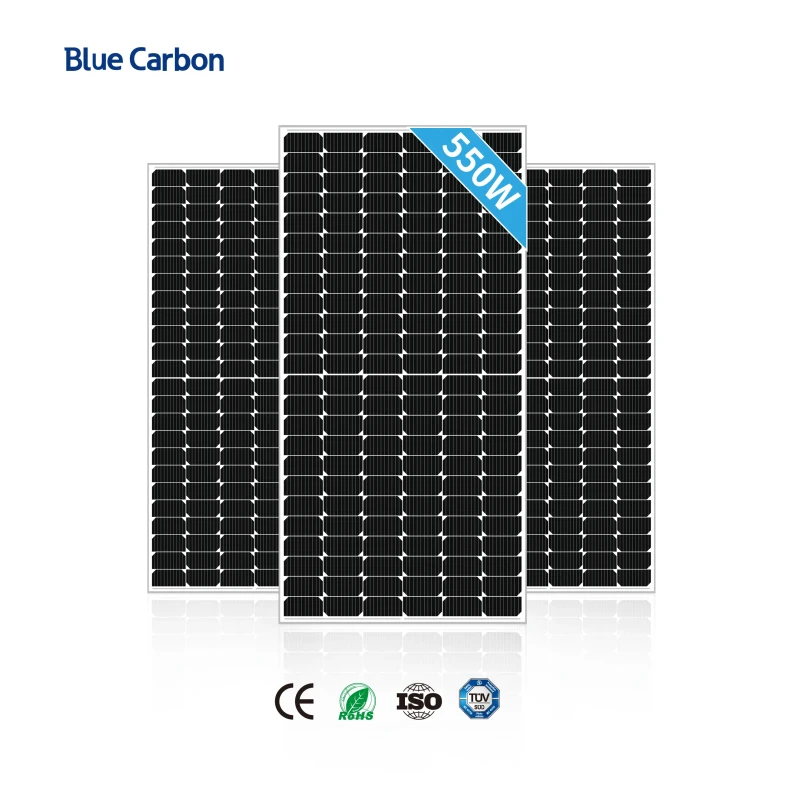
Monocrystalline
solar panels are made from a single crystal structure of silicon.
They are
recognized by their:
- Uniform black appearance
- High efficiency
- Long lifespan
- Premium performance
Monocrystalline
panels are currently among the most widely used solar panels in residential
installations.
How
Monocrystalline Panels Work
Each solar
cell is manufactured from a single silicon crystal.
This allows
electrons to move more freely, resulting in:
- Higher conversion efficiency
- Better performance
- Greater energy production
Because of
their efficiency, monocrystalline panels generate more electricity from a
smaller surface area.
Advantages
of Monocrystalline Solar Panels
1. High
Efficiency
Monocrystalline
panels typically achieve efficiencies ranging from 18% to 23%.
This means
more sunlight is converted into electricity.
2. Space
Saving
Because of
their higher efficiency, fewer panels are needed to generate the desired power
output.
This makes
them ideal for homes with limited roof space.
3. Better
Low-Light Performance
Monocrystalline
panels perform well during:
- Cloudy weather
- Early morning sunlight
- Late afternoon sunlight
4. Long
Lifespan
Most
monocrystalline panels have a lifespan of:
- 25 years or more
Many
manufacturers also offer extensive warranties.
5.
Attractive Appearance
Their sleek
black design often blends well with modern buildings.
Disadvantages
of Monocrystalline Solar Panels
Higher
Initial Cost
Because of
their manufacturing process, monocrystalline panels are generally more
expensive than some alternative technologies.
However, the
higher efficiency often offsets the initial investment over time.
What Are
Bifacial Solar Panels?
Bifacial
solar panels are an advanced solar technology designed to generate electricity
from both sides of the panel.
Unlike
traditional solar panels that only absorb sunlight from the front surface,
bifacial panels capture sunlight from:
- The front side
- Reflected light on the rear side
This enables
them to produce more energy under suitable conditions.
How
Bifacial Solar Panels Work
The front
side captures direct sunlight.
The rear
side captures reflected sunlight from surfaces such as:
- White roofs
- Concrete floors
- Sand
- Gravel
- Reflective ground surfaces
This
additional light capture increases overall power production.
Advantages
of Bifacial Solar Panels
1. Higher
Energy Production
One of the
biggest advantages of bifacial panels is their ability to generate additional
electricity from reflected sunlight.
Depending on
installation conditions, energy gains can range from:
- 5% to 30%
compared to
conventional panels.
2.
Improved Return on Investment
The
additional energy production can increase overall system profitability over
time.
3.
Enhanced Durability
Many
bifacial panels use:
- Double-glass construction
- Reinforced materials
This
improves resistance to environmental factors.
4. Better
Performance in Reflective Environments
Bifacial
panels excel in locations with highly reflective surfaces.
Examples
include:
- Commercial buildings
- Open fields
- Industrial sites
5.
Long-Term Reliability
Many
bifacial panels offer performance warranties similar to premium monocrystalline
panels.
Disadvantages
of Bifacial Solar Panels
Higher
Installation Cost
Bifacial
systems often require:
- Specialized mounting structures
- Elevated installations
- Careful system design
These
factors can increase installation costs.
Performance
Depends on Installation Conditions
The rear
side only generates significant additional power if sufficient reflected light
is available.
Poor
installation environments may limit benefits.
More
Complex Design Requirements
Optimal
performance often requires:
- Professional engineering
- Proper spacing
- Correct mounting height
Monocrystalline
vs. Bifacial Panels: Side-by-Side Comparison
|
Feature |
Monocrystalline
Panels |
Bifacial
Panels |
|
Efficiency |
Very High |
High to
Very High |
|
Energy
Production |
Front Side
Only |
Front and
Rear Side |
|
Space
Requirement |
Low |
Moderate |
|
Installation
Complexity |
Simple |
More
Advanced |
|
Cost |
Moderate
to High |
Higher |
|
Residential
Suitability |
Excellent |
Good |
|
Commercial
Suitability |
Excellent |
Excellent |
|
Roof
Installations |
Ideal |
Depends on
Design |
|
Lifespan |
25+ Years |
25+ Years |
|
Return on
Investment |
Excellent |
Potentially
Higher |
Which
Solar Panel Is Better for Homes?
For most
residential properties, monocrystalline solar panels are often the preferred
choice.
Reasons
include:
Limited
Roof Space
Most
homeowners have limited roof area.
Monocrystalline
panels maximize power generation per square meter.
Easier
Installation
Traditional
rooftop installations are straightforward and cost-effective.
Proven
Reliability
Monocrystalline
technology has been extensively tested and trusted worldwide.
Strong
Return on Investment
Homeowners
benefit from high efficiency and lower installation complexity.
When
Should Homeowners Consider Bifacial Panels?
Bifacial
panels may be an excellent option if:
You Have
a Large Property
Homes with
ample outdoor space can benefit from ground-mounted systems.
You Use
Reflective Surfaces
Properties
with:
- White rooftops
- Light-colored paving
- Reflective landscaping
can increase
rear-side energy generation.
You Want
Maximum Energy Production
Bifacial
technology can help maximize solar output.
Performance
in Nigeria's Climate
Nigeria
receives abundant sunlight throughout the year, making both technologies highly
effective.
Monocrystalline
Panels
Perform
exceptionally well due to:
- High temperatures
- Strong solar radiation
- Limited roof space in urban
areas
Bifacial
Panels
Perform best
in:
- Large compounds
- Commercial facilities
- Industrial installations
- Open ground-mounted projects
Cost
Considerations
Many
homeowners focus solely on upfront costs.
However, the
real consideration should be:
Total
Cost of Ownership
This
includes:
- Purchase price
- Installation cost
- Maintenance cost
- Lifetime energy production
A
higher-quality panel often provides greater long-term savings.
Importance
of Choosing Quality Solar Panels
Regardless
of the technology selected, quality matters.
A reliable
solar panel should offer:
- High efficiency
- Strong warranty
- Durable construction
- Proven performance
Choosing
reputable solar products ensures long-term reliability and peace of mind.
Professional
Installation Matters
Even the
best solar panel can underperform if installed incorrectly.
Professional
installers help ensure:
- Proper orientation
- Correct tilt angle
- Safe wiring
- Maximum energy production
This is
especially important for bifacial systems, where installation design
significantly affects performance.
Future
Trends in Solar Panel Technology
The solar
industry continues to evolve.
Future
developments include:
- Higher-efficiency bifacial
panels
- Advanced monocrystalline cell
designs
- Improved energy storage
integration
- Smart solar monitoring systems
These
innovations will continue improving solar system performance and affordability.
Conclusion
Both
monocrystalline and bifacial solar panels offer excellent performance, but the
best choice depends on your property, budget, and energy goals.
For most
homeowners, monocrystalline solar panels provide the ideal balance of
efficiency, affordability, ease of installation, and long-term reliability.
They are particularly suitable for rooftop installations where space is
limited.
On the other
hand, bifacial solar panels offer the advantage of additional energy
production by capturing sunlight from both sides. They are an excellent choice
for properties with reflective surfaces, large open spaces, or ground-mounted
systems designed to maximize solar output.
Before
making a final decision, consult a qualified solar professional who can
evaluate your property and recommend the most suitable solution based on your
specific energy needs.
Recent Posts
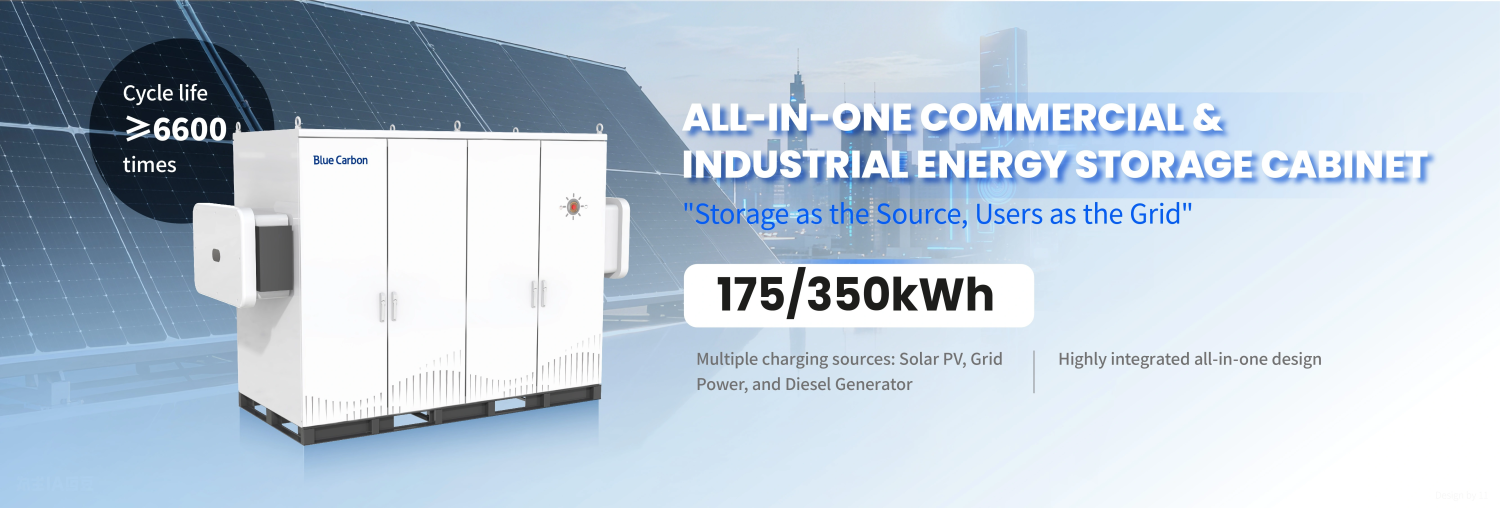
Why Blue Carbon Products Have the Best Quality in the Nigerian Market: Making Blue Carbon the Most Preferred Choice
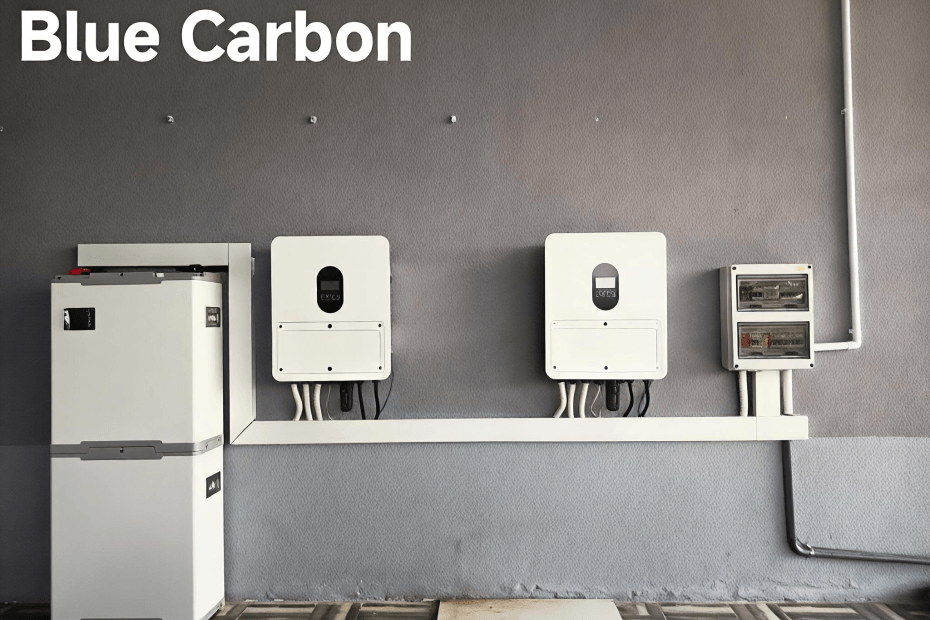
Blue Carbon Invites You to the 2026 Nigeria International Lighting Expo - September 16 - 18, 2026
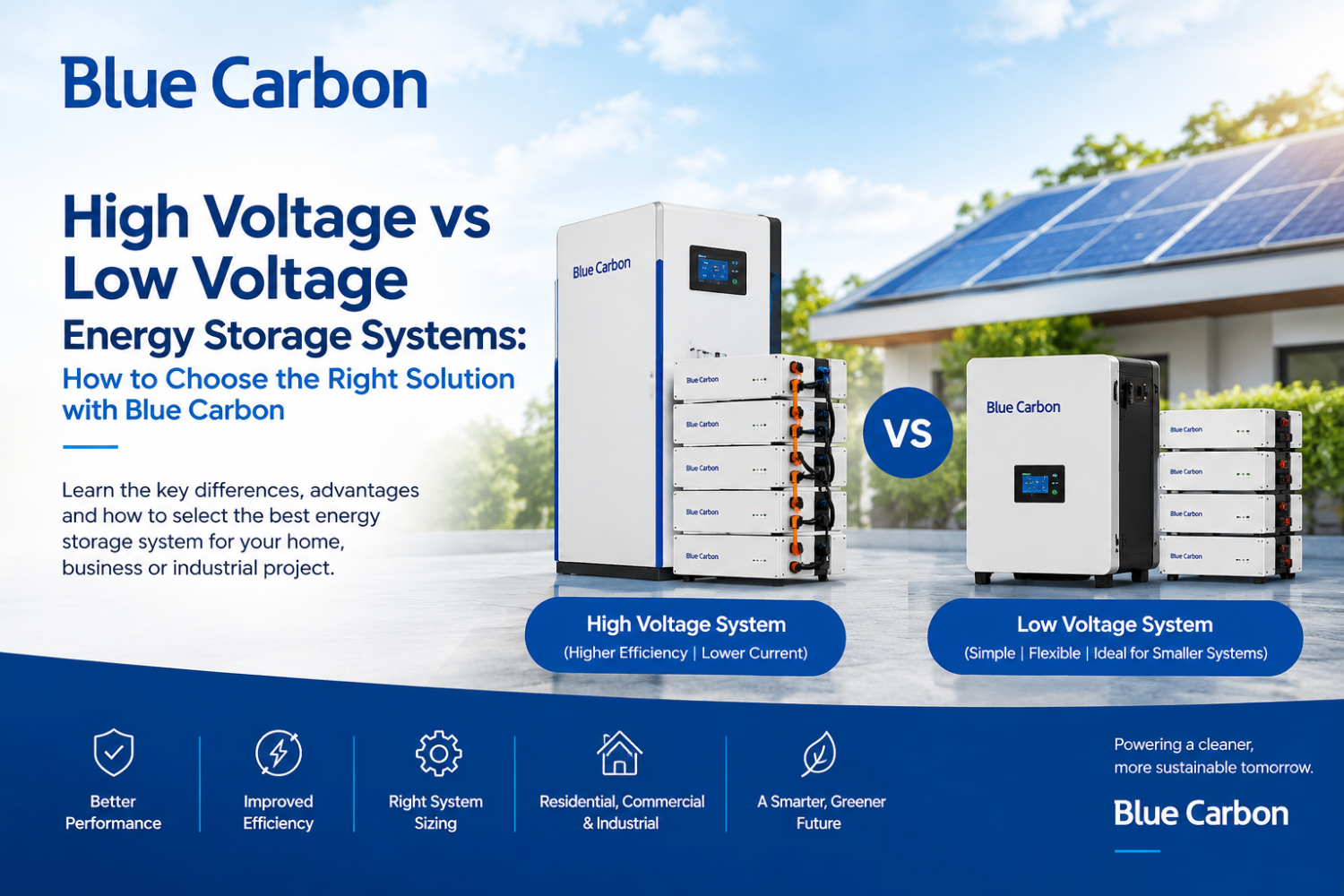
High Voltage vs Low Voltage Energy Storage Systems: How to Choose the Right Solution with Blue Carbon

Register Your Blue Carbon Product for Warranty to Gain Access to Warranty Support