
Blue Carbon Solar Panels Continue Generating Power During the Rainy Season: Stay Powered All Year Round
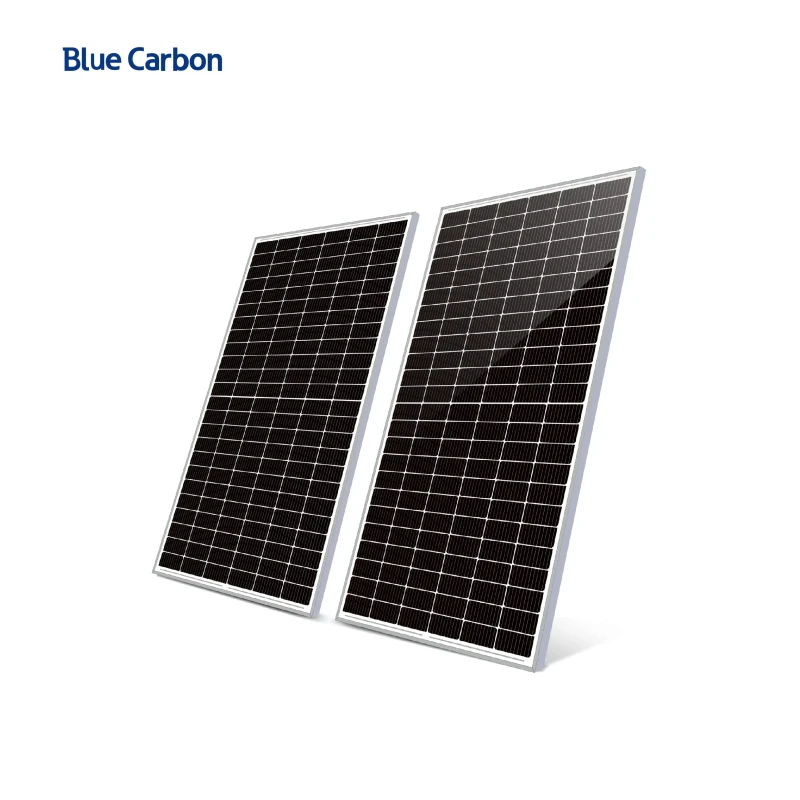
Nigeria experiences two major seasons-the dry season and the rainy season. While the dry season provides abundant sunshine for solar energy production, many people mistakenly believe that solar panels stop working once the rainy season begins. This misconception has discouraged some homeowners and businesses from investing in solar energy.
The truth is
that solar panels generate electricity from sunlight, not from heat.
Even during cloudy or rainy weather, sunlight still penetrates the clouds,
allowing quality solar panels to continue producing electricity. While energy
production may be lower than on bright sunny days, premium solar panels are
specifically engineered to perform efficiently in low-light conditions.
Blue Carbon
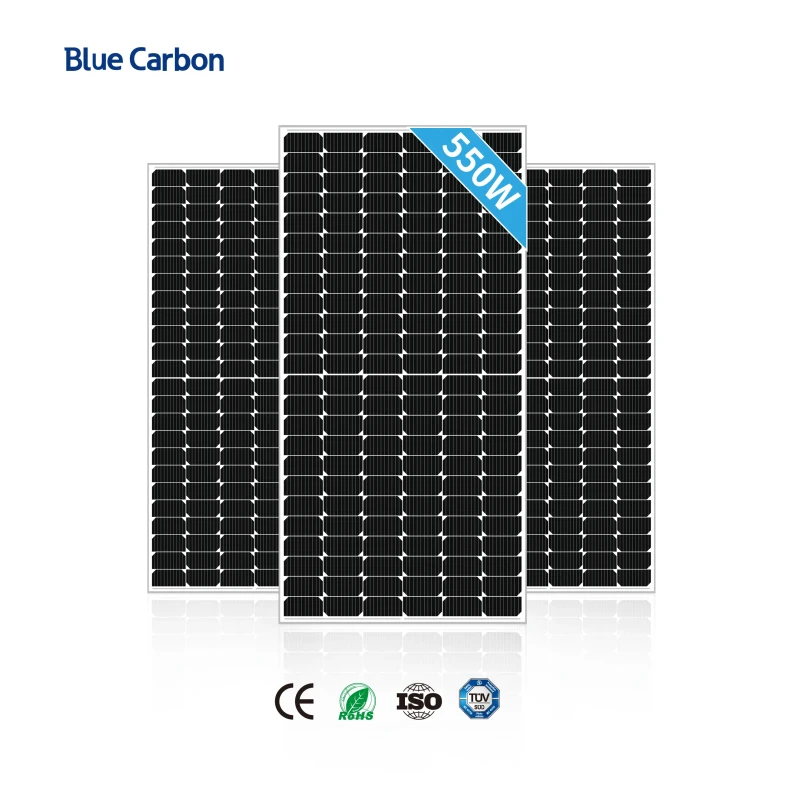
has earned a strong reputation in Nigeria for supplying high-quality Grade A
Monocrystalline and Bifacial Solar Panels designed to deliver reliable
energy generation throughout the year, including during the rainy season. Their
advanced photovoltaic technology allows customers to enjoy dependable
electricity even when the weather is less than ideal.
In this
article, we'll explain how Blue Carbon solar panels work during the rainy
season, why they continue generating electricity in cloudy conditions, and why
they are an excellent choice for Nigerian homes, businesses, industries, and
institutions.
Do Solar
Panels Work During the Rainy Season?
One of the
most common questions asked by people considering solar energy is:
"Will
my solar panels still work during the rainy season?"
The answer
is Yes.
Solar panels
do not require extremely hot weather to generate electricity.
Instead,
they require:
- Daylight
- Solar radiation
- Photons from sunlight
Even when
clouds cover the sky, enough sunlight reaches the Earth's surface to allow
quality solar panels to continue producing electricity.
Although
total power generation is generally lower than on clear sunny days,
well-designed solar panels continue to operate effectively.
Understanding
How Solar Panels Generate Electricity
Solar panels
contain photovoltaic (PV) cells that convert sunlight directly into
electricity.
The process
involves:
- Sunlight reaches the
photovoltaic cells.
- Photons energize electrons
inside the solar cells.
- Electrons begin moving.
- This movement creates direct
current (DC) electricity.
- The inverter converts DC into
alternating current (AC) for household and commercial use.
This process
depends on available sunlight-not high temperatures.
Sunlight
vs Heat
A common
misconception is that hotter weather means more electricity.
In reality:
- Solar panels generate
electricity from light.
- Heat does not produce
electricity.
- Extremely high temperatures can
even reduce panel efficiency slightly.
This is why
Blue Carbon solar panels continue producing power even during rainy or cool
weather whenever daylight is available.
Why Blue
Carbon Solar Panels Perform Well During Cloudy Weather
Blue Carbon
solar panels are designed with premium photovoltaic technology that helps
maximize energy production under a wide range of weather conditions.
Their
advantages include:
- High conversion efficiency
- Excellent low-light performance
- Premium Grade A solar cells
- Stable electrical output
- Reliable year-round operation
These
features allow customers to continue enjoying electricity throughout Nigeria's
rainy season.
High-Efficiency
Monocrystalline Technology
Blue Carbon
Monocrystalline Solar Panels are manufactured using high-purity silicon cells.
These
advanced cells provide:
- Higher energy conversion
efficiency
- Better low-light performance
- Improved power generation
- Greater reliability
Monocrystalline
technology is one of the most efficient photovoltaic technologies available
today.
Advanced
Bifacial Solar Technology
Blue Carbon
also offers advanced bifacial solar panels.
Unlike
conventional panels, bifacial panels can utilize light reaching both the front
and rear surfaces when installed in appropriate conditions.
Potential
benefits include:
- Increased overall energy
production
- Better utilization of reflected
light
- Improved system efficiency
This
technology can help improve energy generation in suitable installation
environments.
Rain
Naturally Cleans Solar Panels
One
overlooked benefit of the rainy season is that rainfall often washes away
accumulated:
- Dust
- Dirt
- Bird droppings
- Airborne particles
Cleaner
panel surfaces allow more sunlight to reach the photovoltaic cells once the
rain clears.
This natural
cleaning effect can contribute to maintaining good performance, although
periodic manual cleaning may still be beneficial depending on local conditions.
Reliable
Energy Throughout the Year
Blue Carbon
solar panels are engineered for year-round energy production.
They
continue supporting:
- Residential homes
- Commercial buildings
- Offices
- Schools
- Hospitals
- Hotels
- Industrial facilities
Whether
during sunny days or cloudy weather, reliable solar panels help reduce
dependence on the national grid and fuel-powered generators.
Designed
for Nigerian Weather
Nigeria
experiences diverse weather conditions including:
- Intense sunshine
- Heavy rainfall
- High humidity
- Dust
- Strong winds
Blue Carbon
solar panels are engineered to withstand these environmental conditions while
delivering dependable long-term performance.
Durable
Construction
Blue Carbon
panels feature durable construction designed to protect the photovoltaic cells.
Their robust
design includes:
- Tempered glass
- Corrosion-resistant aluminum
frames
- Weather-resistant materials
- High-quality encapsulation
These
components help improve durability under varying weather conditions.
Excellent
Low-Light Performance
Even when
skies are cloudy, Blue Carbon panels continue generating electricity.
Low-light
performance allows customers to produce useful energy during:
- Early mornings
- Late afternoons
- Overcast days
- Light rain
This helps
maximize total daily energy production.
Working
Together with Lithium Batteries
One of the
greatest advantages of pairing Blue Carbon solar panels with Blue Carbon
LiFePO₄ lithium batteries is reliable energy storage.
During
periods of strong sunshine:
- Solar panels generate
electricity.
- Batteries store excess energy.
During:
- Nighttime
- Heavy cloud cover
- Reduced solar production
The stored
energy can be used to power your home or business, helping to maintain a
continuous electricity supply.
Hybrid
Inverters Maximize Available Solar Energy
Blue Carbon
hybrid inverters intelligently manage available energy by:
- Prioritizing solar generation
- Charging batteries
- Managing grid power
- Optimizing overall system
efficiency
This
intelligent energy management helps customers make the most of available
sunlight throughout the year.
Ideal for
Homes
Residential
customers use Blue Carbon solar systems to power:
- Lighting
- Refrigerators
- Televisions
- Internet equipment
- Ceiling fans
- Air conditioners
- Security systems
Reliable
energy provides comfort regardless of the weather.
Perfect
for Businesses
Businesses
depend on uninterrupted electricity.
Blue Carbon
solar systems help power:
- Offices
- Retail stores
- Restaurants
- Hotels
- Clinics
- Shopping centres
Reduced
dependence on generators lowers operating costs and improves productivity.
Industrial
Applications
Industrial
customers benefit from Blue Carbon solar panels by reducing electricity costs
for:
- Manufacturing plants
- Warehouses
- Agricultural facilities
- Production lines
- Logistics centres
Consistent
energy supports continuous operations.
Better
Return on Investment
Quality
solar panels produce electricity for many years.
Customers
benefit through:
- Lower electricity bills
- Reduced fuel expenses
- Long operational lifespan
- Lower maintenance costs
- Reliable energy production
High-quality
solar panels deliver excellent long-term value.
Proper
Installation Matters
Even the
best solar panels require proper installation.
Professional
installation ensures:
- Correct panel orientation
- Appropriate tilt angle
- Secure mounting
- Proper electrical connections
- Maximum sunlight exposure
These
factors help optimize energy production throughout the year.
Tips for
Maximizing Rainy Season Solar Performance
To get the
best performance during the rainy season:
- Keep solar panels free from
excessive dirt or debris.
- Trim nearby trees that may
create unnecessary shading.
- Schedule periodic inspections.
- Ensure batteries remain in good
condition.
- Use a properly sized inverter
and battery storage system.
These
practices help maintain dependable system performance.
Common
Myths About Solar Panels During Rainy Season
Myth 1:
Solar panels stop working when it rains.
Fact: Solar panels continue generating
electricity whenever daylight is available.
Myth 2:
Solar panels require hot temperatures.
Fact: Solar panels require sunlight, not
heat.
Myth 3:
Rain damages quality solar panels.
Fact: Properly manufactured solar panels
are designed for outdoor use and are built to withstand normal weather
conditions.
Why
Customers Choose Blue Carbon Solar Panels
Customers
across Nigeria continue choosing Blue Carbon because of its commitment to
quality and performance.
Key
advantages include:
- Grade A photovoltaic cells
- High-efficiency monocrystalline
technology
- Advanced bifacial panel options
- Excellent low-light performance
- Durable construction
- Reliable operation in Nigerian
weather
- Compatibility with Blue Carbon
lithium batteries and hybrid inverters
- Strong customer support
These
qualities make Blue Carbon a trusted choice for solar installations throughout
the country.
Conclusion
Rainy
weather should never discourage anyone from investing in solar energy. Modern
photovoltaic technology enables quality solar panels to continue generating
electricity whenever daylight is present, even under cloudy skies.
Blue Carbon
Grade A Monocrystalline and Bifacial Solar Panels are engineered to deliver
dependable year-round performance with excellent low-light capability, durable
construction, and high energy efficiency. When combined with Blue Carbon
LiFePO₄ batteries and hybrid inverters, they provide a reliable and efficient
energy solution that helps homes and businesses stay powered throughout
Nigeria's changing seasons.
By choosing genuine Blue Carbon solar products and working with qualified installers, customers can enjoy clean, reliable, and cost-effective energy all year long.
Tags: Blue Carbon solar panels, rainy season solar panels, monocrystalline solar panels Nigeria, bifacial solar panels, Blue Carbon photovoltaic
Recent Posts
Why Blue Carbon Products Have the Best Quality in the Nigerian Market: Making Blue Carbon the Most Preferred Choice
Blue Carbon Invites You to the 2026 Nigeria International Lighting Expo - September 16 - 18, 2026
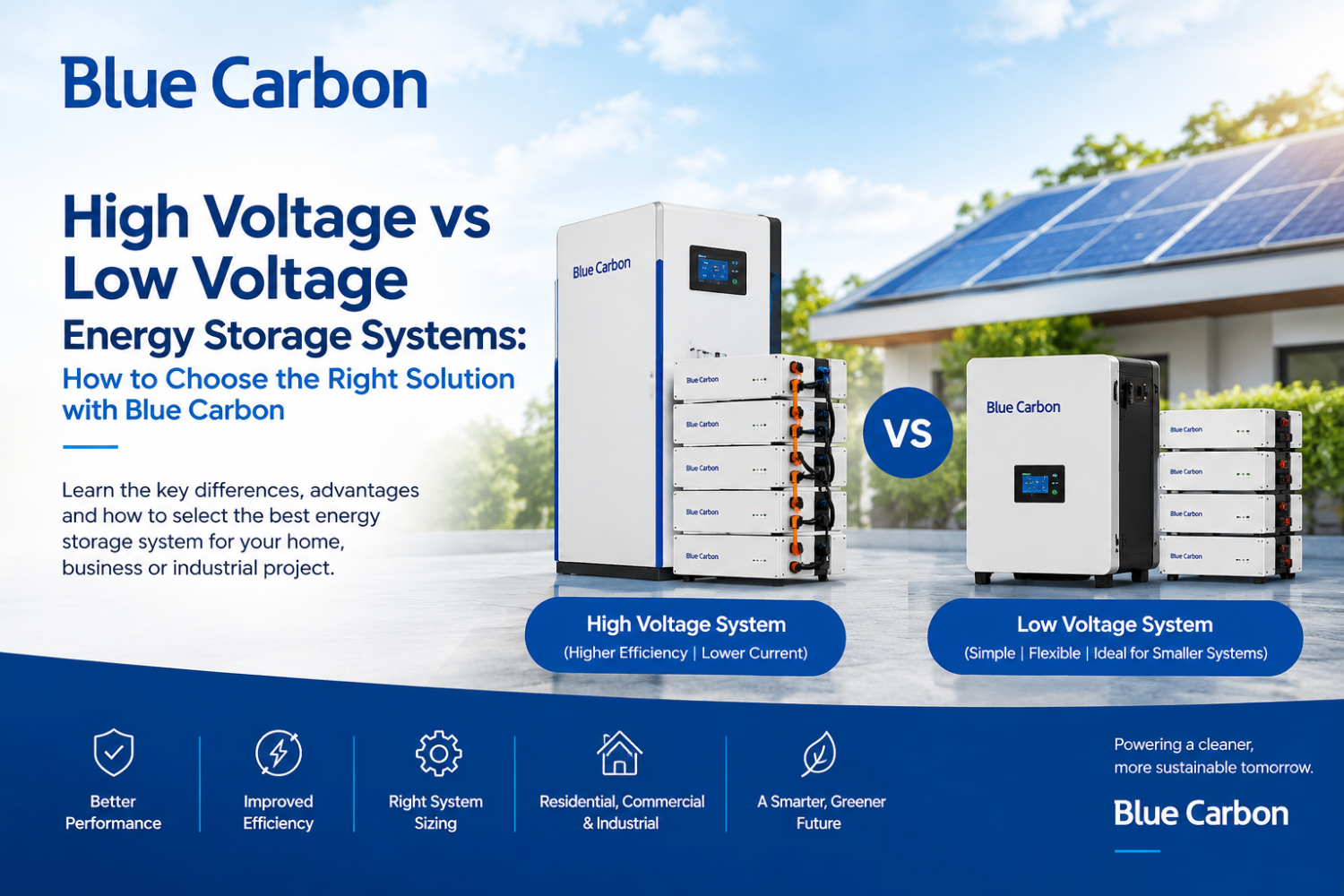
High Voltage vs Low Voltage Energy Storage Systems: How to Choose the Right Solution with Blue Carbon
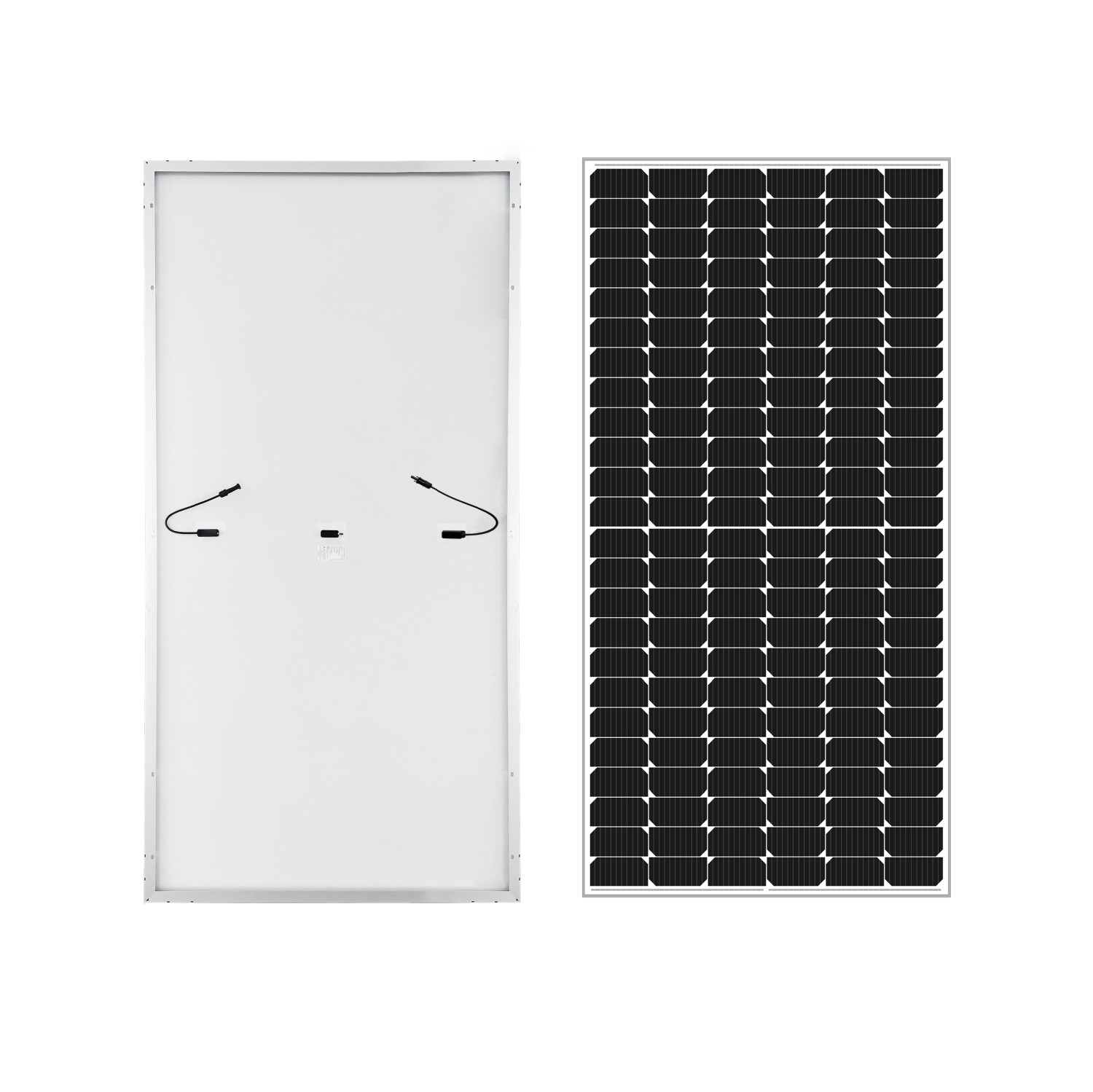
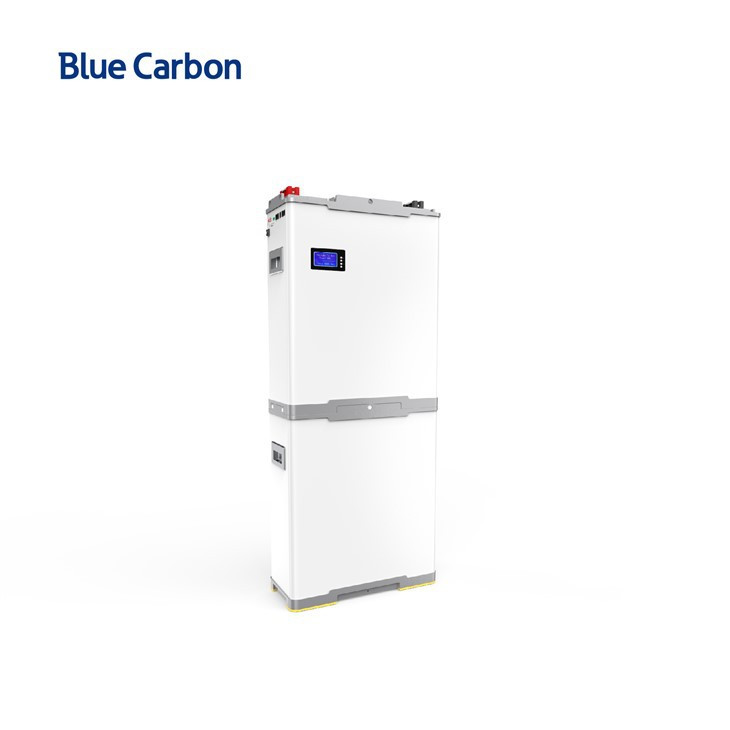
Register Your Blue Carbon Product for Warranty to Gain Access to Warranty Support