
Benefits of Hybrid Solar System
As energy demand continues to rise and electricity supply
remains inconsistent in many regions, especially in countries like Nigeria, more
homeowners and businesses are turning to solar energy for reliable power. Among
the various solar solutions available today, the hybrid solar system
stands out as one of the most efficient, flexible, and cost-effective options.
A hybrid solar system combines the benefits of both grid-tied
and off-grid solar systems, allowing users to enjoy uninterrupted power
while maximizing energy savings. In this comprehensive guide, we will explore
the key benefits of hybrid solar systems, how they work, and why they are
becoming increasingly popular.
What is a Hybrid Solar System?
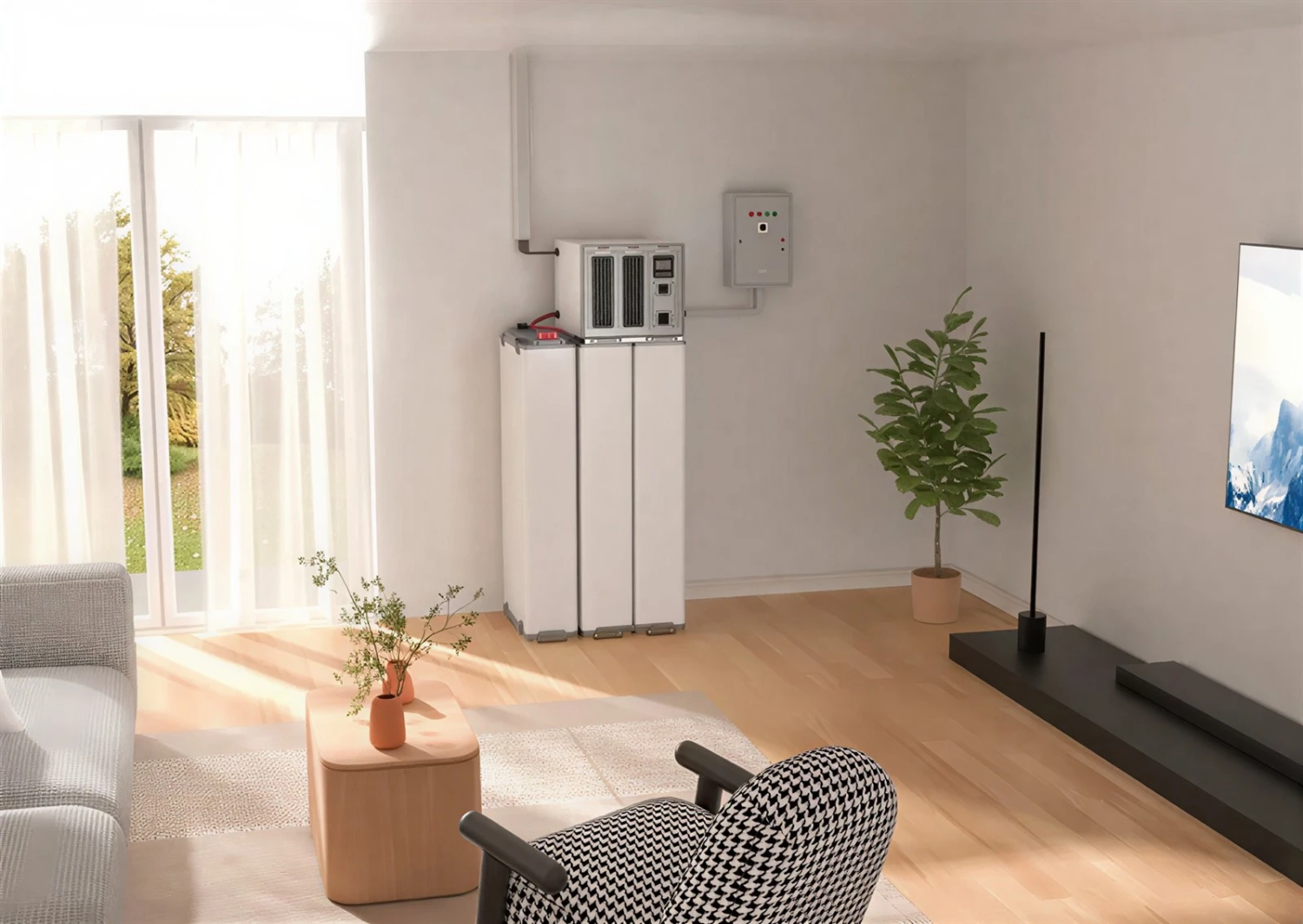
A hybrid solar system is a solar power setup that
integrates solar panels, batteries, and the utility grid. It allows you to
generate electricity from solar energy, store excess power in batteries, and
draw power from the grid when necessary.
Unlike traditional grid-tied systems that shut down during
outages, hybrid systems continue to operate by using stored energy in
batteries. This makes them ideal for areas with unstable power supply.
How a Hybrid Solar System Works
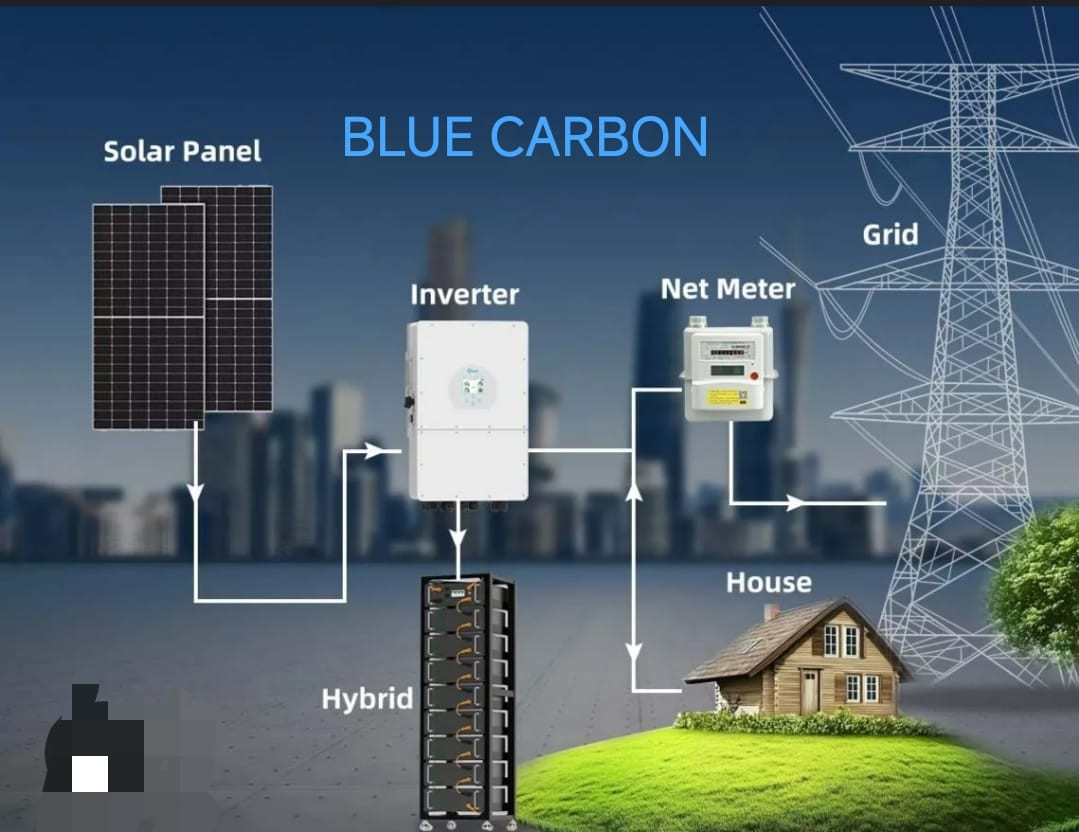
A hybrid solar system operates through a combination of
components:
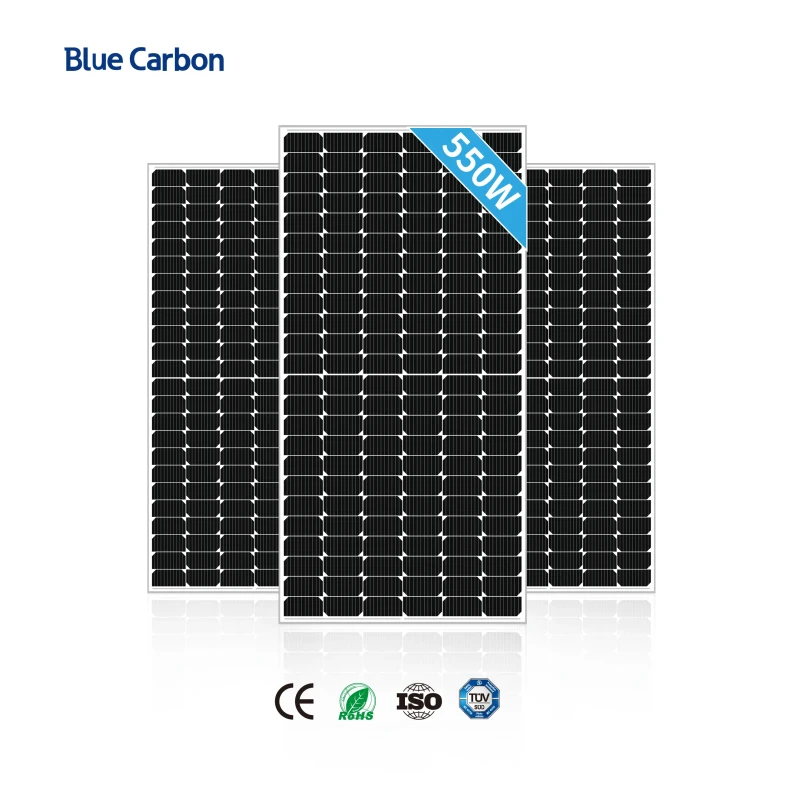
- Solar
panels capture sunlight and convert it into electricity
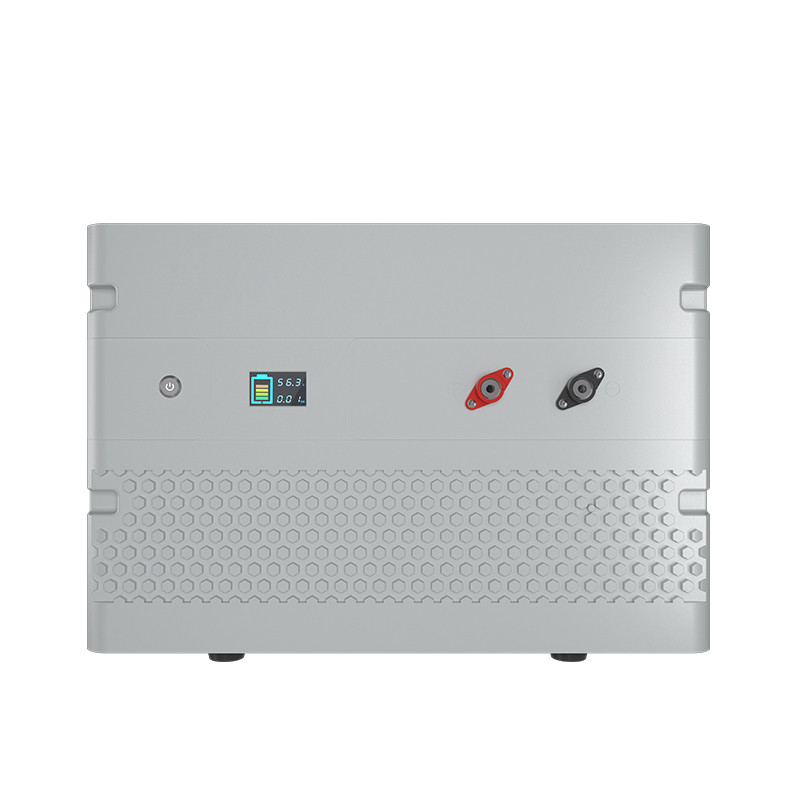
- Hybrid
inverter converts DC electricity to AC for household use
- Battery
storage stores excess energy for later use
- Grid
connection provides backup when solar and battery power are
insufficient
During the day, solar panels power your home and charge the
batteries. At night or during outages, the system automatically switches to
battery power. If the battery runs low, the grid supplies electricity.
Key Benefits of Hybrid Solar Systems
1. Uninterrupted Power Supply
One of the biggest advantages of a hybrid solar system is continuous
electricity.
Unlike grid-tied systems that shut down during power
outages, hybrid systems provide backup power through batteries. This ensures:
- No
disruption to daily activities
- Continuous
business operations
- Reliable
power for essential appliances
2. Reduced Electricity Bills
Hybrid solar systems significantly reduce electricity costs
by allowing users to generate their own power.
Benefits include:
- Lower
monthly utility bills
- Reduced
reliance on expensive grid electricity
- Long-term
financial savings
Over time, the savings can offset the initial installation
cost.
3. Energy Independence
Hybrid systems provide a level of independence from the
national grid.
This means:
- Less
dependence on unstable power supply
- Protection
against rising electricity tariffs
- Greater
control over energy usage
Energy independence is particularly valuable in regions with
frequent power outages.
4. Efficient Energy Storage
Hybrid solar systems include battery storage, allowing users
to store excess solar energy for later use.
Advantages of energy storage:
- Power
availability at night
- Backup
during cloudy days
- Reduced
energy waste
This ensures maximum utilization of solar energy generated
during the day.
5. Reduced Generator Usage
In many countries, generators are used as backup power
sources. However, they come with high costs and environmental concerns.
Hybrid solar systems help reduce:
- Fuel
consumption
- Noise
pollution
- Maintenance
costs
By replacing generators with battery storage, users enjoy
cleaner and quieter energy.
6. Environmental Benefits
Hybrid solar systems are environmentally friendly and
contribute to a cleaner planet.
They help to:
- Reduce
carbon emissions
- Minimize
air pollution
- Promote
sustainable energy use
Switching to solar energy is a step toward combating climate
change.
7. Smart Energy Management
Modern hybrid systems come with advanced monitoring and
control features.
These allow users to:
- Track
energy production and usage
- Optimize
battery charging and discharging
- Manage
power consumption efficiently
Some systems can even be controlled remotely via mobile
apps.
8. Scalability and Flexibility
Hybrid solar systems are highly flexible and can be expanded
as energy needs grow.
Users can:
- Add
more solar panels
- Increase
battery capacity
- Upgrade
system components
This makes hybrid systems suitable for both small homes and
large businesses.
9. Better Return on Investment (ROI)
Although hybrid systems have a higher initial cost compared
to grid-tied systems, they offer better long-term value.
Reasons include:
- Lower
electricity bills
- Reduced
generator expenses
- Long
lifespan of components
Over time, the system pays for itself and continues to
generate savings.
10. Reliable Performance in All Conditions
Hybrid systems are designed to function under various
conditions.
They provide:
- Power
during outages
- Backup
during low sunlight
- Consistent
energy supply
This reliability makes them ideal for critical applications
such as hospitals, offices, and data centers.
Hybrid Solar System vs Other Solar Systems
|
Feature |
Hybrid System |
Grid-Tied System |
Off-Grid System |
|
Battery Storage |
Yes |
No |
Yes |
|
Works During Outage |
Yes |
No |
Yes |
|
Grid Connection |
Yes |
Yes |
No |
|
Cost |
Medium-High |
Low |
High |
Hybrid systems offer the best balance between cost,
reliability, and flexibility.
Who Should Use a Hybrid Solar System?
Hybrid solar systems are suitable for:
Homeowners
- Looking
for reliable power and lower electricity bills
Businesses
- Seeking
uninterrupted operations and cost savings
Rural Areas
- Needing
backup power with optional grid connection
High Energy Users
- Requiring
consistent electricity supply
Challenges of Hybrid Solar Systems
While hybrid systems offer many benefits, there are a few
challenges:
- Higher
initial installation cost
- Need
for proper system design
- Battery
replacement after several years
However, these challenges are outweighed by the long-term
benefits.
Tips for Installing a Hybrid Solar System
To get the best results, consider the following:
- Work
with experienced solar installers
- Use
high-quality components
- Ensure
proper battery sizing
- Maintain
the system regularly
Proper installation ensures optimal performance and
longevity.
Conclusion
Hybrid solar systems are one of the most efficient and
reliable energy solutions available today. By combining solar power, battery
storage, and grid connectivity, they offer uninterrupted electricity, reduced
energy costs, and long-term savings.
As energy challenges continue to grow, hybrid solar systems
provide a smart and sustainable solution for homes and businesses. Investing in
a hybrid system not only improves energy security but also contributes to a
cleaner and greener future.
Recent Posts
Why Blue Carbon Lithium Batteries Are Built for Long Life and Strong Performance
Why Blue Carbon Is the Best Lithium Battery Brand in Nigeria in 2026
Why Blue Carbon Has the Best After-Sales Support in Nigeria's Solar Energy Market