
Benefits of Solar Energy for Businesses: A Smart Investment for Growth and Sustainability
In today’s competitive business environment, companies are constantly looking for ways to reduce operational costs, improve efficiency, and stay ahead of the competition. One of the most effective solutions gaining widespread adoption is solar energy.
Across
Nigeria and globally, businesses are turning to solar power as a reliable,
cost-effective, and sustainable energy solution. With rising electricity
tariffs and the high cost of fuel for generators, solar energy offers a
long-term alternative that delivers both financial and environmental benefits.
In this
comprehensive guide, we explore the key benefits of solar energy for businesses
and why it is becoming a must-have investment for forward-thinking
organizations.
1.
Significant Reduction in Energy Costs
One of the
most compelling reasons businesses adopt solar energy is the potential for substantial
cost savings.
Traditional
energy sources, such as grid electricity and diesel generators, come with:
- High fuel costs
- Increasing electricity tariffs
- Ongoing maintenance expenses
Solar
energy, on the other hand, allows businesses to generate their own power,
reducing dependence on external sources.
Key
Financial Benefits:
- Lower monthly electricity bills
- Reduced generator fuel expenses
- Predictable energy costs
Over time,
these savings can significantly improve a company’s bottom line.
2.
Reliable and Uninterrupted Power Supply
In Nigeria,
power outages are a common challenge that disrupt business operations.
Solar energy
systems, especially when combined with battery storage, provide:
- Continuous power during outages
- Stable electricity supply
- Reduced downtime
For
businesses, this means:
- Improved productivity
- Better customer service
- Consistent operations
Reliable
power is essential for growth, and solar energy delivers just that.
3.
Increased Business Productivity
Power
interruptions can lead to delays, missed deadlines, and reduced efficiency.
With solar
energy:
- Machines and equipment run
without interruption
- Employees can work more
efficiently
- Operations remain consistent
This leads
to increased productivity and improved overall performance.
4.
Long-Term Return on Investment (ROI)
Although
solar systems require an initial investment, they offer excellent long-term
returns.
Why Solar
is a Smart Investment:
- Low maintenance costs
- Long lifespan (20–25 years)
- Continuous energy savings
Most
businesses recover their investment within a few years, after which they enjoy
almost free electricity.
5.
Reduced Dependence on Generators
Diesel and
petrol generators are widely used by businesses in Nigeria, but they come with
several drawbacks:
- High fuel costs
- Noise pollution
- Frequent maintenance
- Environmental impact
Solar energy
reduces or eliminates the need for generators, providing a cleaner and quieter
alternative.
6.
Environmental Sustainability
Businesses
today are increasingly expected to operate responsibly and reduce their
environmental impact.
Solar energy
helps companies:
- Reduce carbon emissions
- Lower their carbon footprint
- Promote clean energy usage
By adopting
solar power, businesses contribute to a healthier environment and align with
global sustainability goals.
7.
Enhanced Brand Image and Reputation
Customers
and stakeholders are becoming more environmentally conscious.
Using solar
energy can:
- Improve brand reputation
- Attract eco-conscious customers
- Demonstrate corporate
responsibility
Businesses
that invest in renewable energy are often seen as innovative and
forward-thinking.
8. Energy
Independence
Solar energy
allows businesses to become less dependent on:
- The national grid
- Fuel supply fluctuations
- Rising energy costs
This
independence provides greater control over energy usage and costs.
9.
Scalability and Flexibility
Solar
systems are highly flexible and can be customized to meet specific business
needs.
Businesses
can:
- Start with a small system
- Expand as energy demand grows
- Add battery storage for backup
This
scalability makes solar energy suitable for businesses of all sizes.
10. Low
Maintenance Requirements
Solar
systems are designed for durability and require minimal maintenance.
Routine
maintenance includes:
- Cleaning solar panels
- Periodic system checks
Compared to
generators, solar systems are much easier and cheaper to maintain.
11.
Protection Against Rising Energy Costs
Electricity
tariffs and fuel prices are constantly increasing, making it difficult for
businesses to manage expenses.
Solar energy
provides:
- Stable and predictable energy
costs
- Protection against price
fluctuations
This
financial stability is crucial for long-term planning.
12.
Government Incentives and Support
In many
regions, governments and organizations are promoting renewable energy adoption.
Businesses
may benefit from:
- Tax incentives
- Grants or subsidies
- Support programs
These
incentives make solar energy even more attractive.
13.
Improved Operational Efficiency
With
reliable energy supply, businesses can:
- Optimize workflows
- Reduce delays
- Improve service delivery
This leads
to better efficiency and higher customer satisfaction.
14.
Versatility Across Industries
Solar energy
can be used across various industries, including:
Retail
Businesses
- Powering shops and malls
Manufacturing
- Running machinery and equipment
Hospitality
- Hotels, restaurants, and resorts
Healthcare
- Clinics and hospitals requiring
constant power
Agriculture
- Irrigation and storage systems
This
versatility makes solar energy a valuable solution for different sectors.
15.
Competitive Advantage
Businesses
that adopt solar energy gain a competitive edge by:
- Reducing operational costs
- Improving reliability
- Enhancing brand image
Lower costs
allow businesses to offer better pricing and increase profitability.
16.
Contribution to Economic Growth
By investing
in solar energy, businesses contribute to:
- Job creation in the renewable
energy sector
- Increased economic activity
- Sustainable development
This creates
a positive impact on the broader economy.
Conclusion
Solar energy
is no longer just an alternative—it is a necessity for businesses looking to
thrive in today’s energy landscape.
From cost
savings and reliable power supply to environmental sustainability and improved
productivity, the benefits of solar energy are undeniable.
Businesses
that invest in solar solutions position themselves for long-term success,
resilience, and growth.
If you are
looking to reduce costs, improve efficiency, and future-proof your operations,
solar energy is the smart choice.
Recent Posts
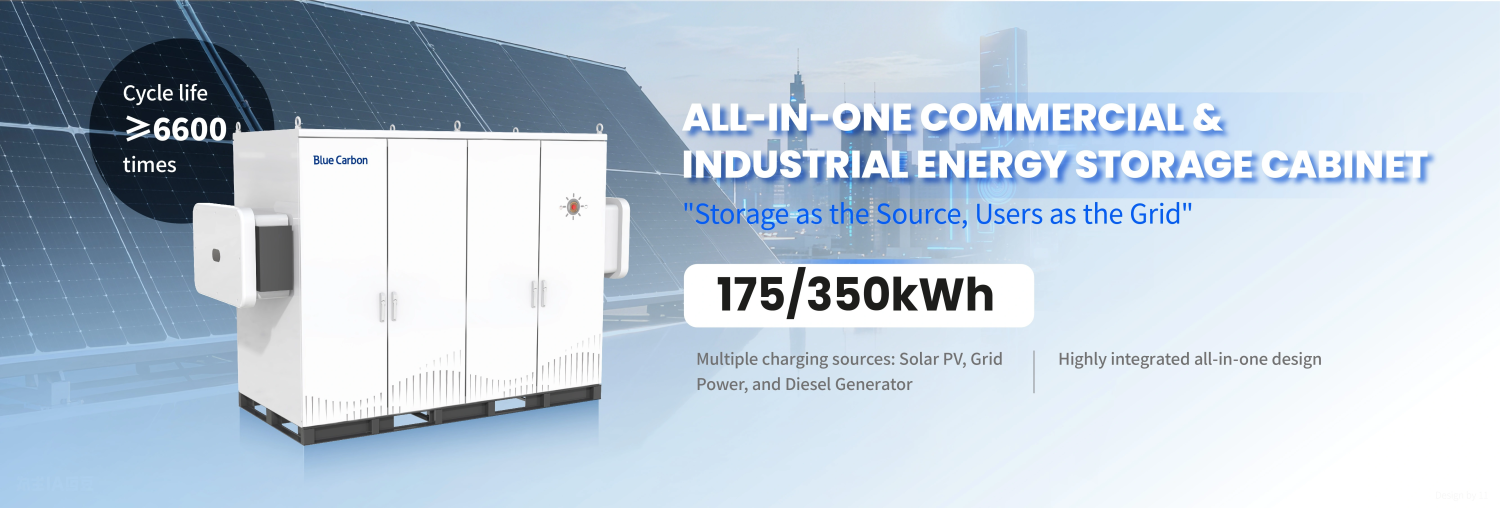
Why Blue Carbon Products Have the Best Quality in the Nigerian Market: Making Blue Carbon the Most Preferred Choice
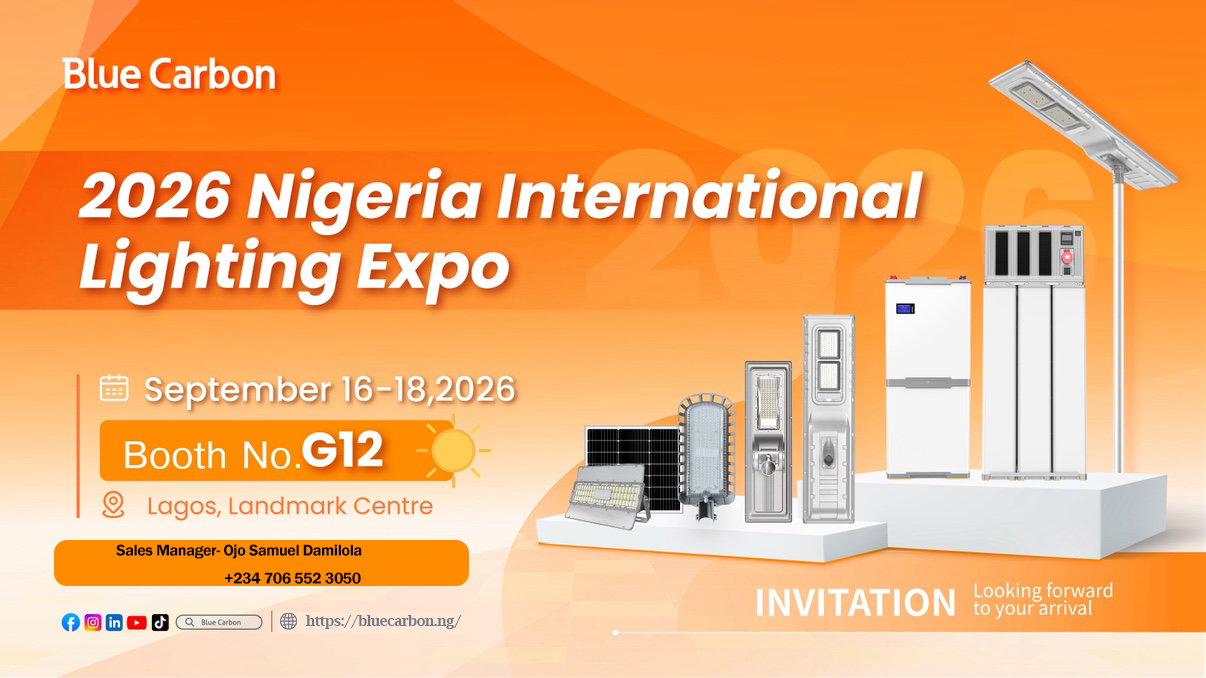
Blue Carbon Invites You to the 2026 Nigeria International Lighting Expo - September 16 - 18, 2026
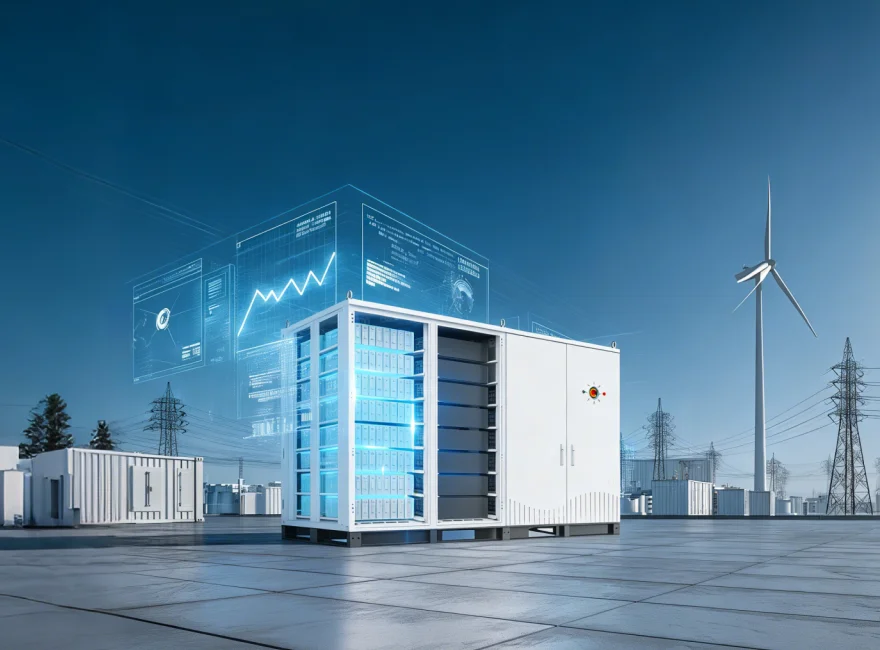
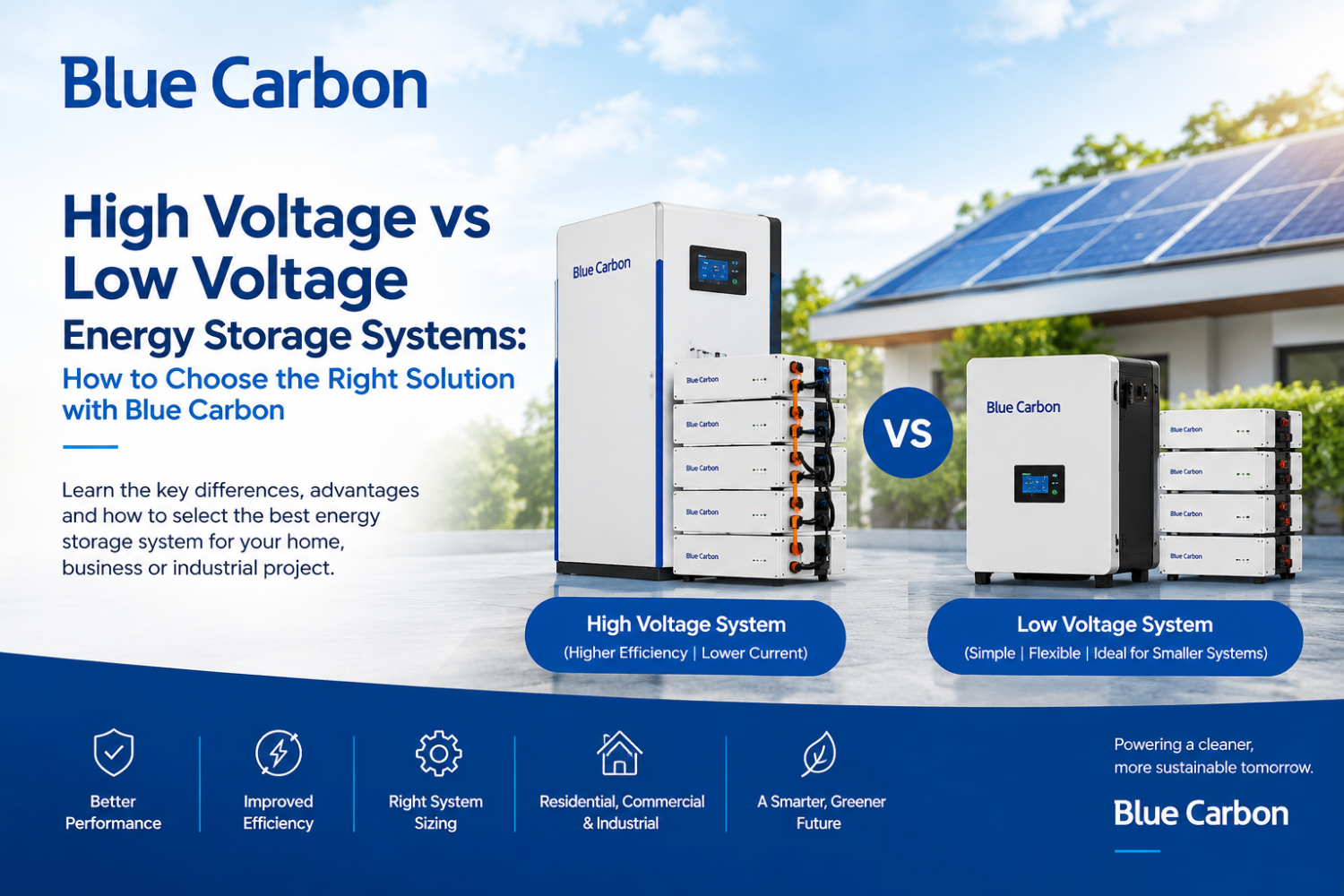
High Voltage vs Low Voltage Energy Storage Systems: How to Choose the Right Solution with Blue Carbon
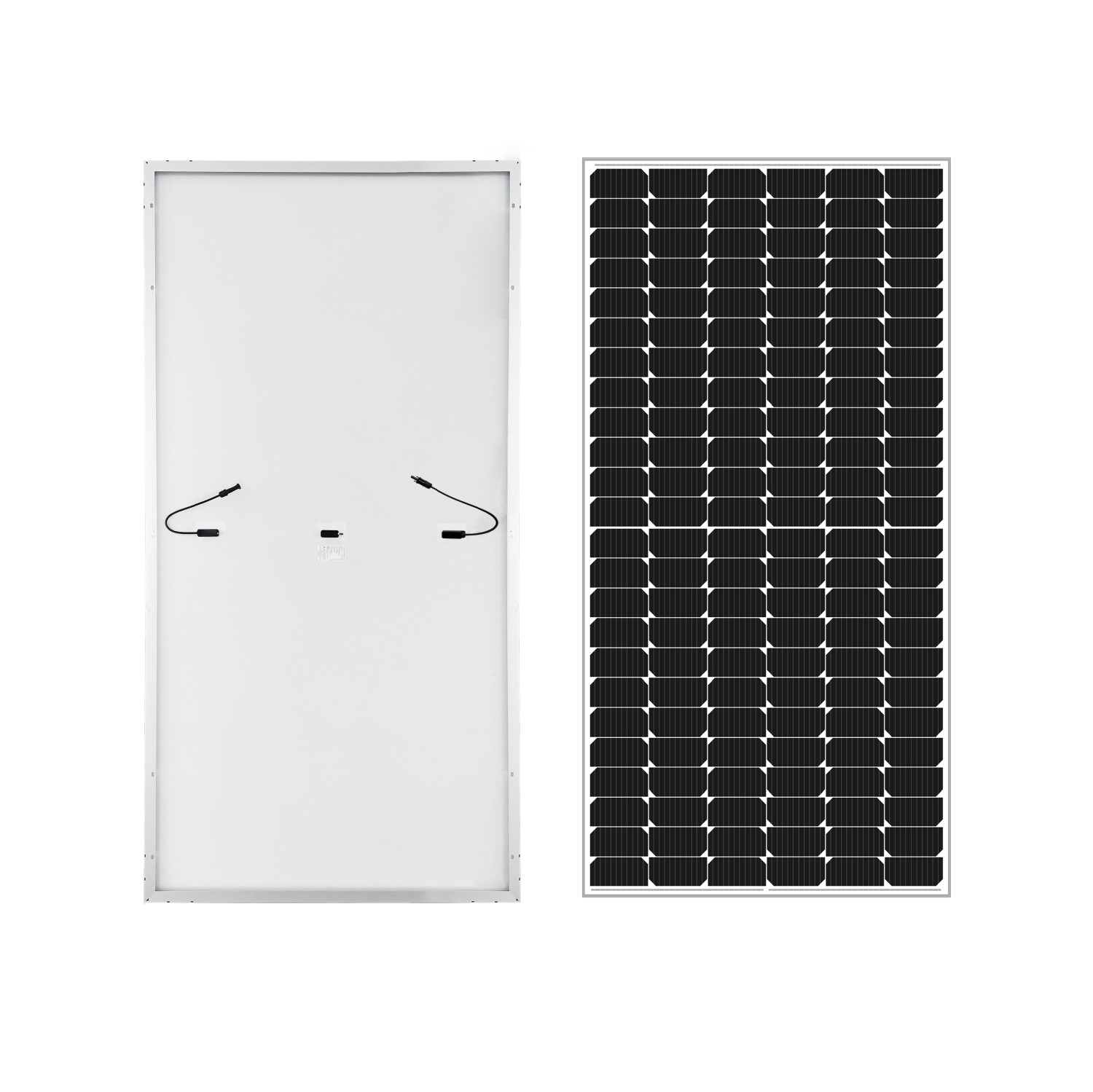
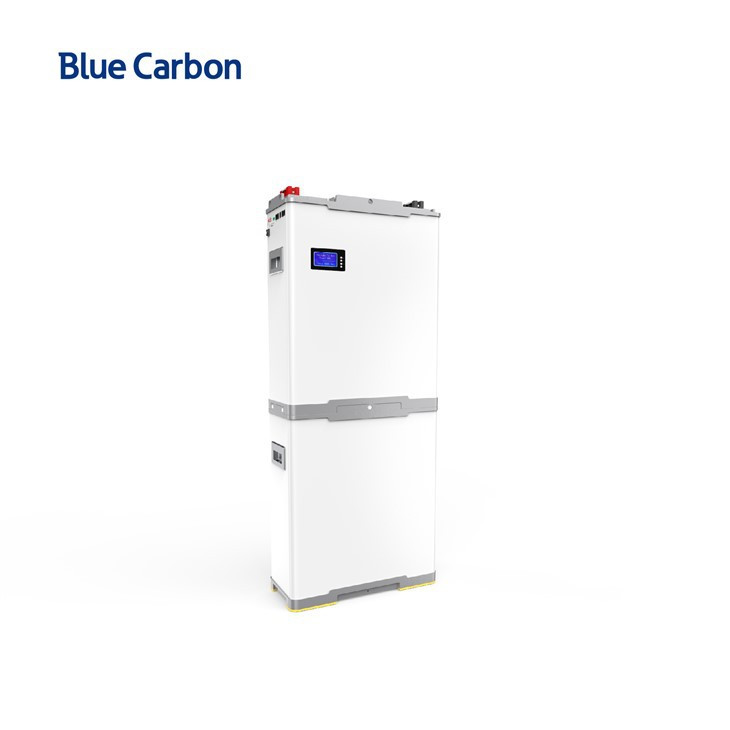
Register Your Blue Carbon Product for Warranty to Gain Access to Warranty Support