
The Revolution of Reliability: Advantages of Lithium Batteries for Solar Energy Storage
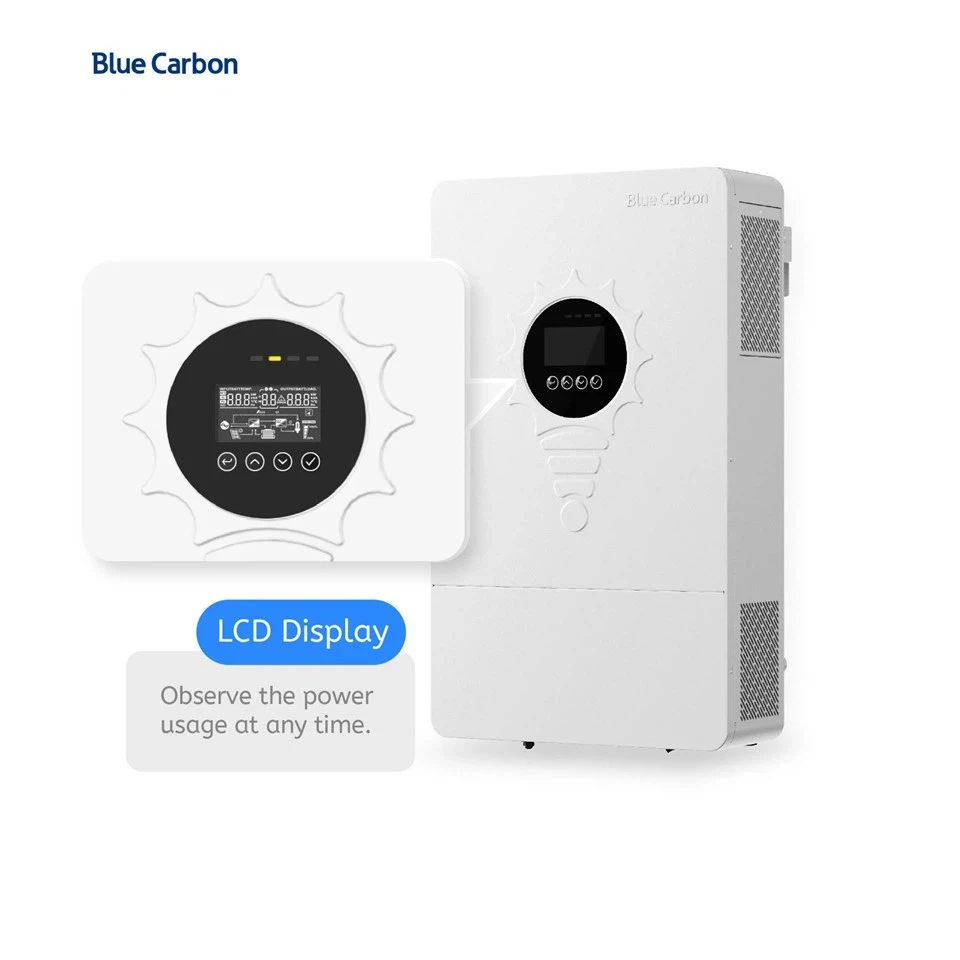
In the Nigerian energy landscape, the conversation around solar power has shifted. It is no longer just about having solar panels on your roof; it is about how effectively you can store that power for when you need it most. At Blue Carbon Nigeria, we have championed a singular philosophy: "Storage is the Source." While solar panels are the "engine" that generates electricity, the battery is the "fuel tank." If your tank is leaky, inefficient, or short-lived, the entire system fails. This is why Lithium Iron Phosphate (LiFePO4) batteries have completely disrupted the market, rendering traditional lead-acid and gel batteries obsolete for anyone seeking long-term energy independence.
In this comprehensive guide, we explore the mechanical,
economic, and practical advantages of switching to lithium storage and why it
is the definitive choice for the Nigerian climate.
1. Unmatched Lifespan: A Decade of Power
The most significant advantage of lithium batteries is their
longevity. Traditional lead-acid batteries are often rated for 500 to 1,500
cycles. In a typical Nigerian home where the battery is cycled every single
night due to grid instability, these batteries often fail within 18 to 24
months.
The Lithium Difference: Blue Carbon lithium batteries
are rated for 4,000 to 6,000+ cycles. When managed correctly, this
translates to 10 to 15 years of daily use.
- The
ROI Factor: While the upfront cost of lithium is higher, you would
need to buy at least four sets of lead-acid batteries to match the
lifespan of one Blue Carbon lithium unit. Lithium isn't an expense; it’s a
long-term savings plan.
2. Superior Depth of Discharge (DoD)
"Depth of Discharge" refers to how much of the
battery's capacity you can actually use without damaging its internal
chemistry.
- Lead-Acid
Constraint: You can only safely use 50% of a lead-acid battery.
If you have a 200Ah Gel battery, you only have 100Ah of "real"
power. Discharging it further causes permanent capacity loss.
- The
Lithium Freedom: Blue Carbon LiFePO4 batteries support up to 80% to
90% DoD.
This means a smaller lithium bank can often provide more
usable power than a massive, heavy bank of traditional batteries. You get more
"Energy Freedom" in a much smaller footprint.
3. Efficiency: No Power Left Behind
Energy efficiency is the ratio of energy you get out of the
battery compared to the energy it took to charge it.
- Lead-acid
batteries are notoriously inefficient, losing up to 15-20% of
energy as heat during the charging process.
- Lithium
batteries boast a round-trip efficiency of 95-98%.
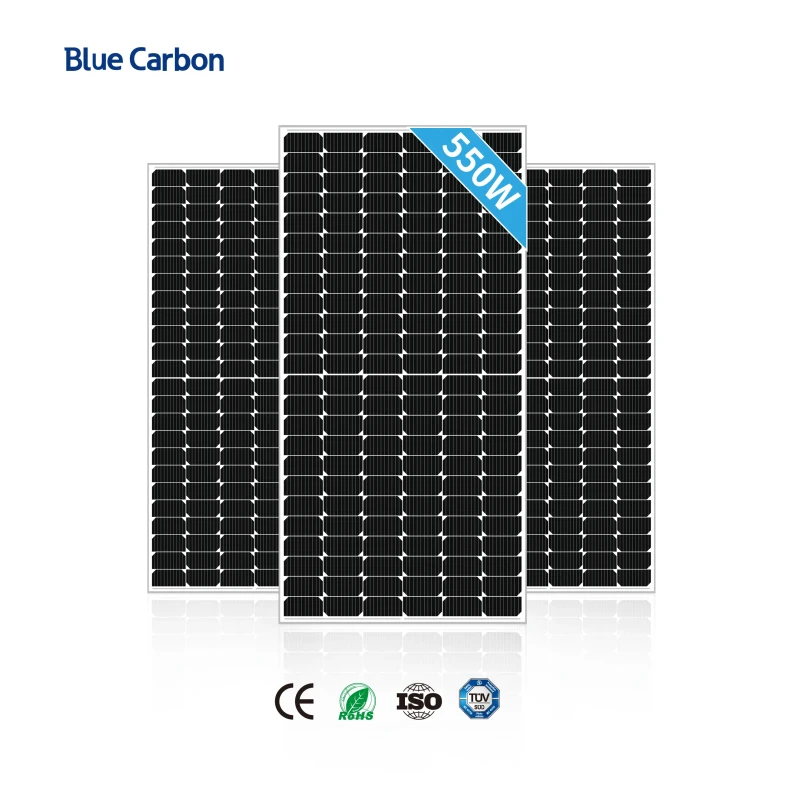
Because our solar panels are N-TYPE-the most
efficient in the Nigerian market-they pair perfectly with lithium storage. The
high-speed energy captured by the panels is stored almost instantly in the
lithium cells with negligible loss. Every ray of sun you capture is a ray of
sun you can use at night.
4. Fast Charging for the Nigerian Reality
In many parts of Nigeria, the window for charging can be
narrow. Whether it's a cloudy day during the rainy season or a brief window of
"NEPA" availability to top off your system, you need a battery that
can take in energy quickly.
Lithium batteries have a much lower internal resistance,
allowing them to handle higher charging currents. A Blue Carbon lithium battery
can reach a full state of charge significantly faster than a Gel battery. This
ensures that even on days with intermittent sunlight, your "Source"
is topped up and ready for the night.
5. Thermal Stability and Safety
Safety is a non-negotiable priority at Blue Carbon Nigeria.
Traditional lithium batteries (like those in phones or laptops) use Cobalt,
which can be prone to "thermal runaway" if overheated.
However, we use Lithium Iron Phosphate (LiFePO4).
This chemistry is inherently stable. It does not catch fire or explode even if
punctured or subjected to high temperatures. In the tropical heat of Lagos,
Abuja, or Port Harcourt, this thermal stability is vital. Our batteries are
designed to operate safely in high ambient temperatures without the risk of
"swelling" or venting toxic gases common in lead-acid alternatives.
6. Space-Saving and Lightweight Design
Floor space is a premium in modern Nigerian homes and
offices. A battery bank capable of powering a 5-bedroom duplex using lead-acid
technology would require a massive, reinforced rack and a dedicated, ventilated
room.
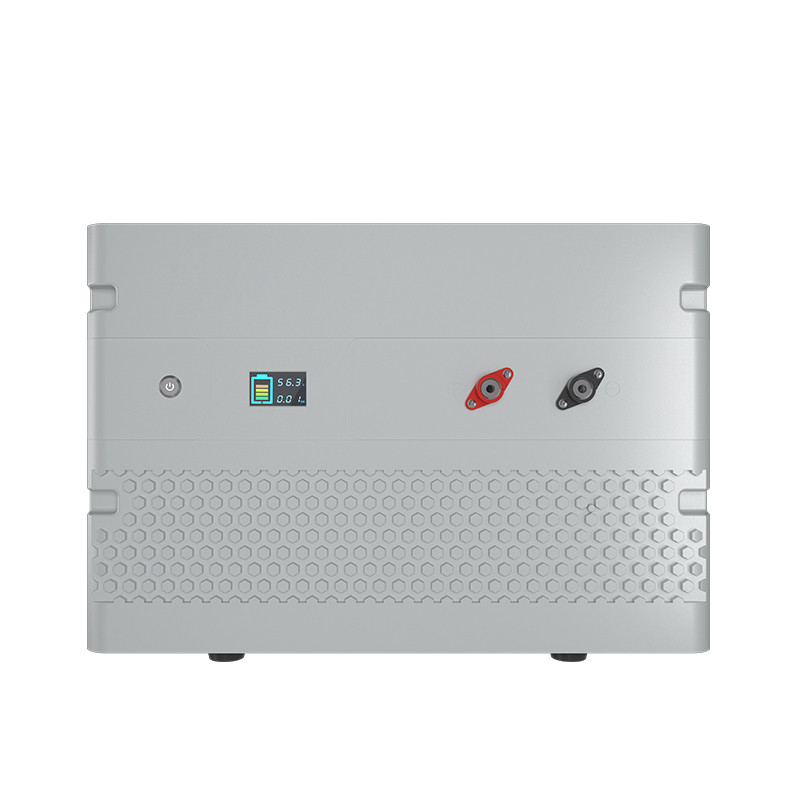
A Blue Carbon lithium system is roughly one-third the
weight and half the size of an equivalent lead-acid bank. Our sleek,
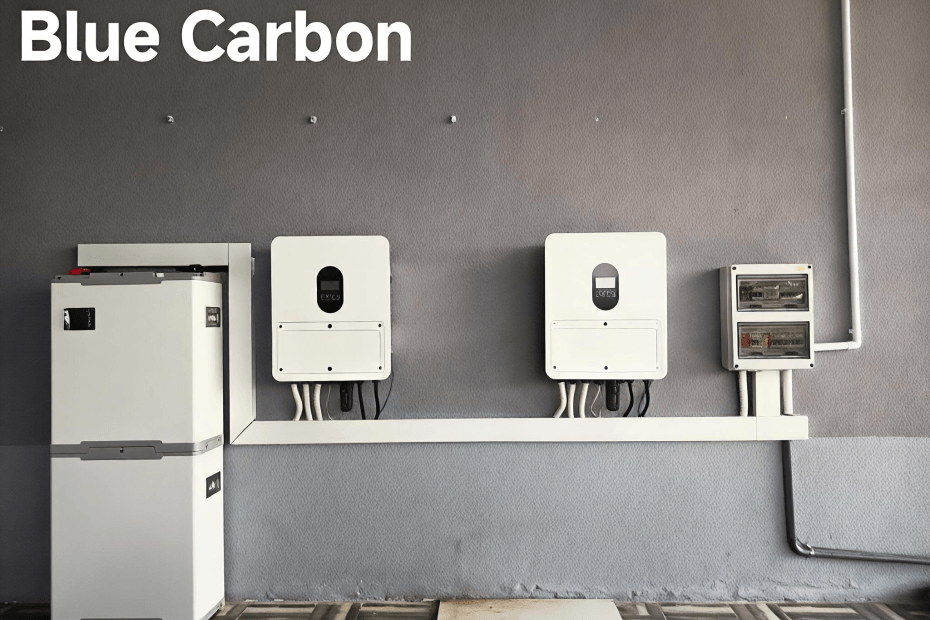
wall-mounted designs-like the ones showcased at our new Agungi, Lekki office-can
be installed in hallways or small utility closets, keeping your installation
clean, modern, and out of the way.
7. Intelligent Management (BMS)
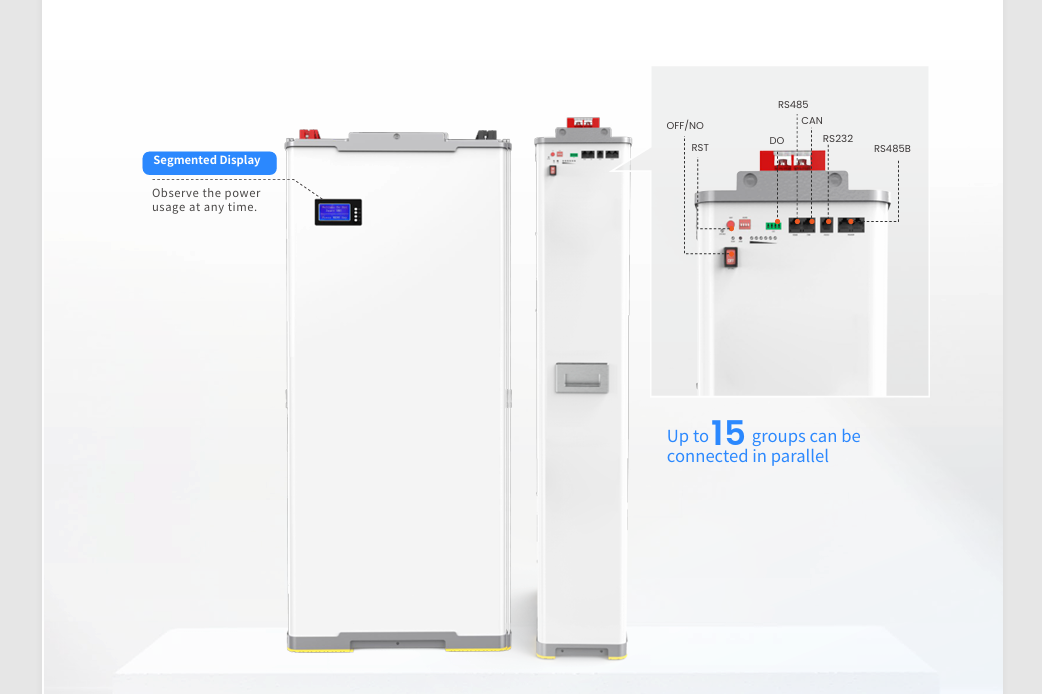
Every Blue Carbon battery comes equipped with an integrated Battery
Management System (BMS). Think of this as the "brain" of your
energy storage. The BMS monitors every cell in real-time, protecting against:
- Over-charging
- Over-discharging
- Short
circuits
- Excessive
heat
This level of automation means you don't have to be a solar
expert to keep your system healthy. The battery looks after itself, ensuring
you have consistent power without manual intervention.
Conclusion: Why Blue Carbon Chooses Lithium
At Blue Carbon Nigeria, we don't believe in temporary
fixes. We believe in permanent solutions. The advantages of lithium are not
just technical; they are lifestyle-changing.
When you choose a lithium system, you are choosing:
- Silence:
No more generator noise.
- Savings:
No more rising diesel or petrol costs.
- Certainty:
Knowing your lights will stay on until the sun rises again.
As we expand our reach-most recently with our new launch in Agungi,
Lekki-our goal remains to bring this superior technology to every Nigerian
doorstep. Stop settling for "manageable" power. Embrace the
efficiency, safety, and longevity of Blue Carbon Lithium.
Recent Posts
Why Blue Carbon Products Have the Best Quality in the Nigerian Market: Making Blue Carbon the Most Preferred Choice
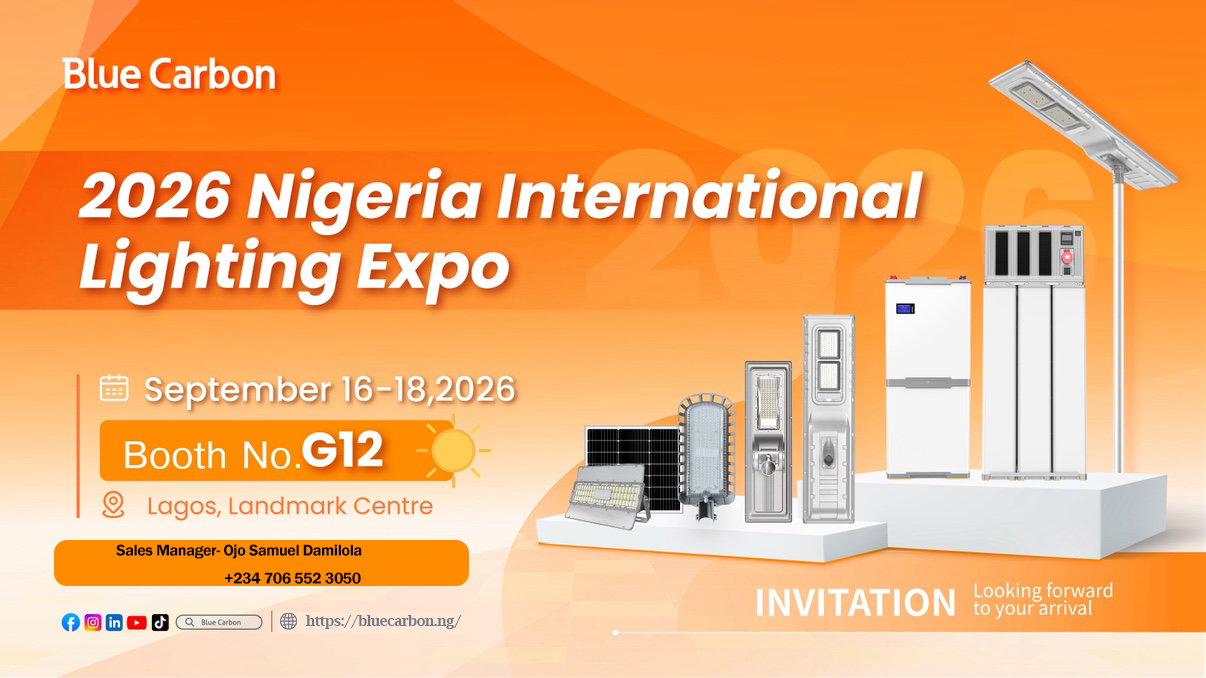
Blue Carbon Invites You to the 2026 Nigeria International Lighting Expo - September 16 - 18, 2026
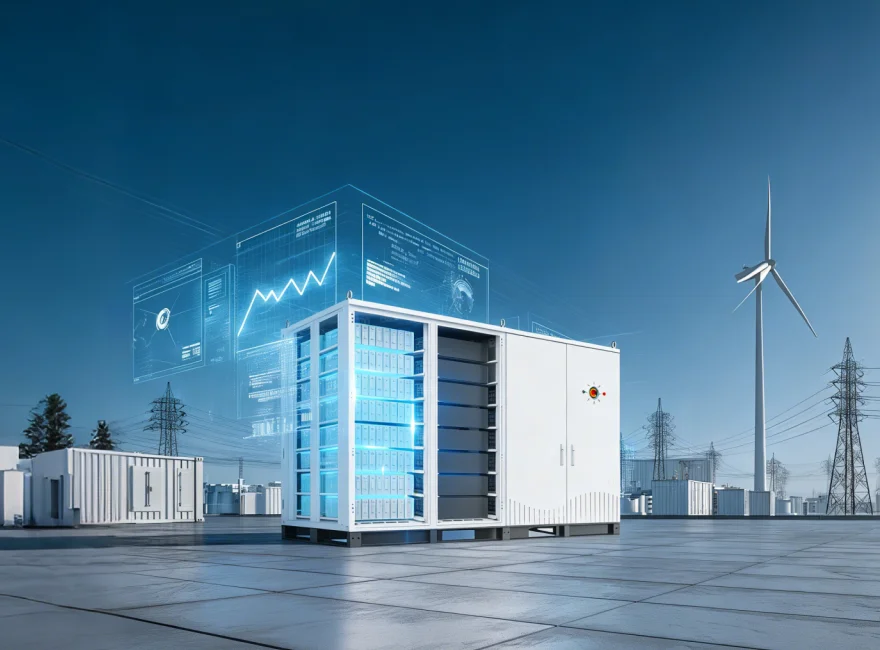
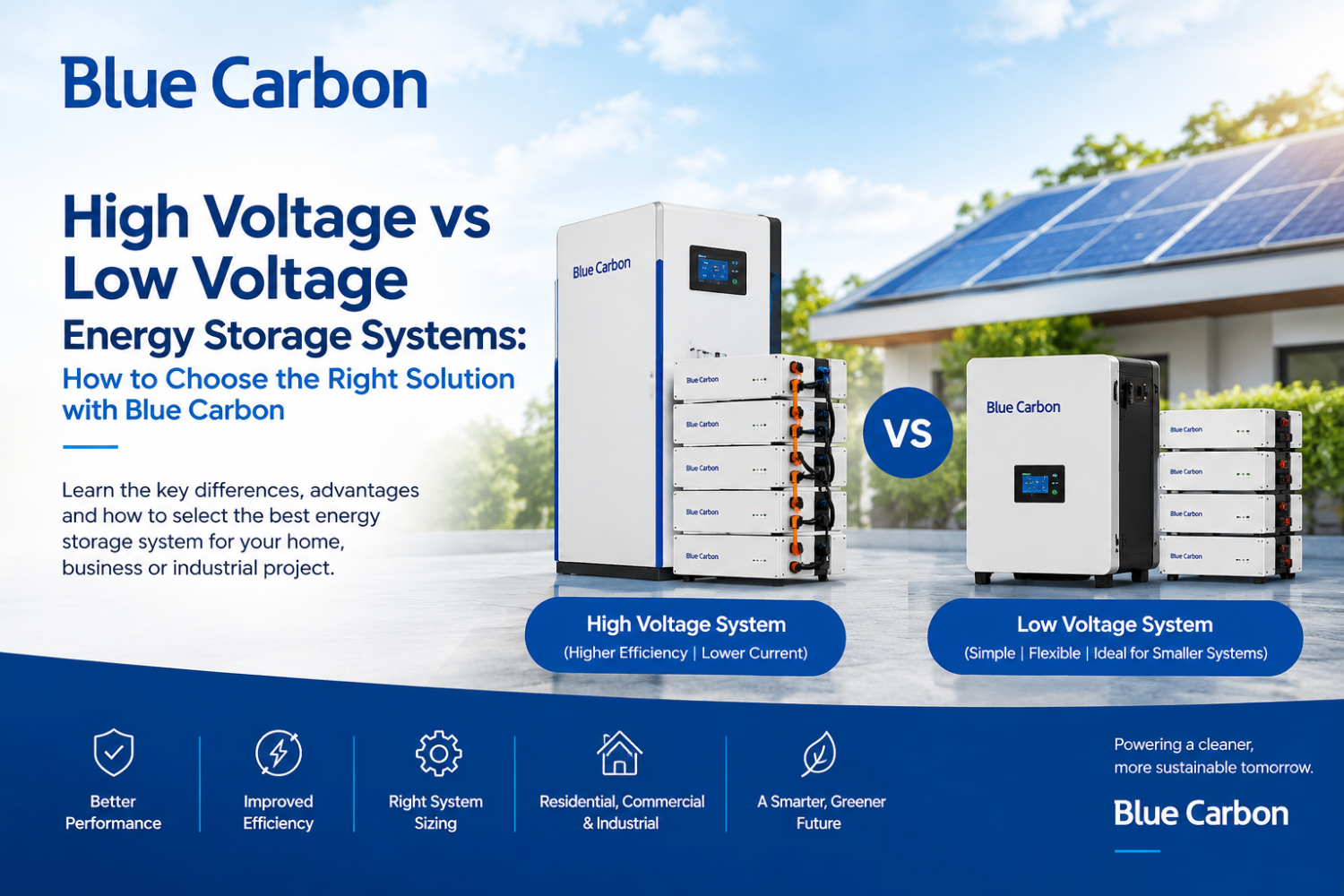
High Voltage vs Low Voltage Energy Storage Systems: How to Choose the Right Solution with Blue Carbon
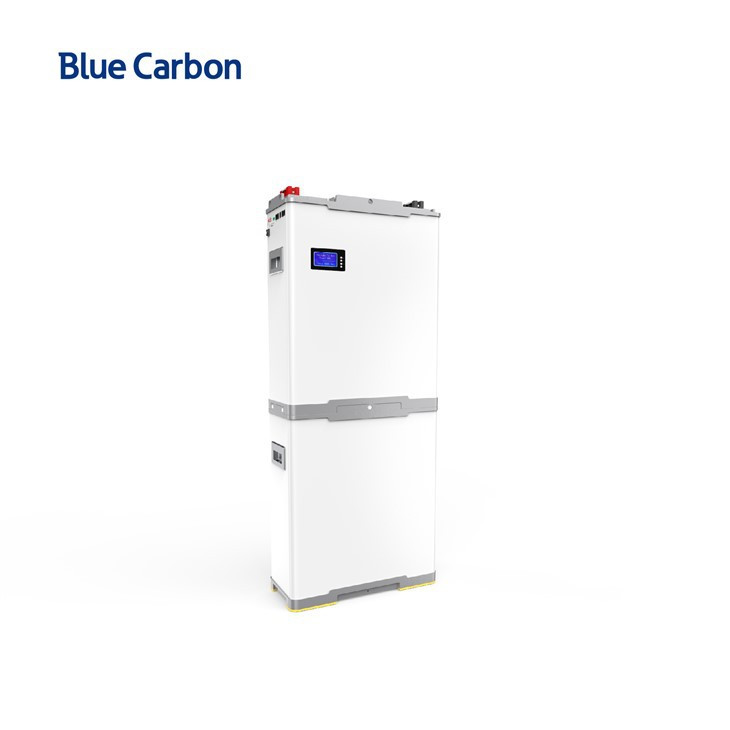
Register Your Blue Carbon Product for Warranty to Gain Access to Warranty Support