
How Do C&I Battery Storage Solutions Improve Energy Efficiency For Businesses

What is a C&I Energy Storage System?
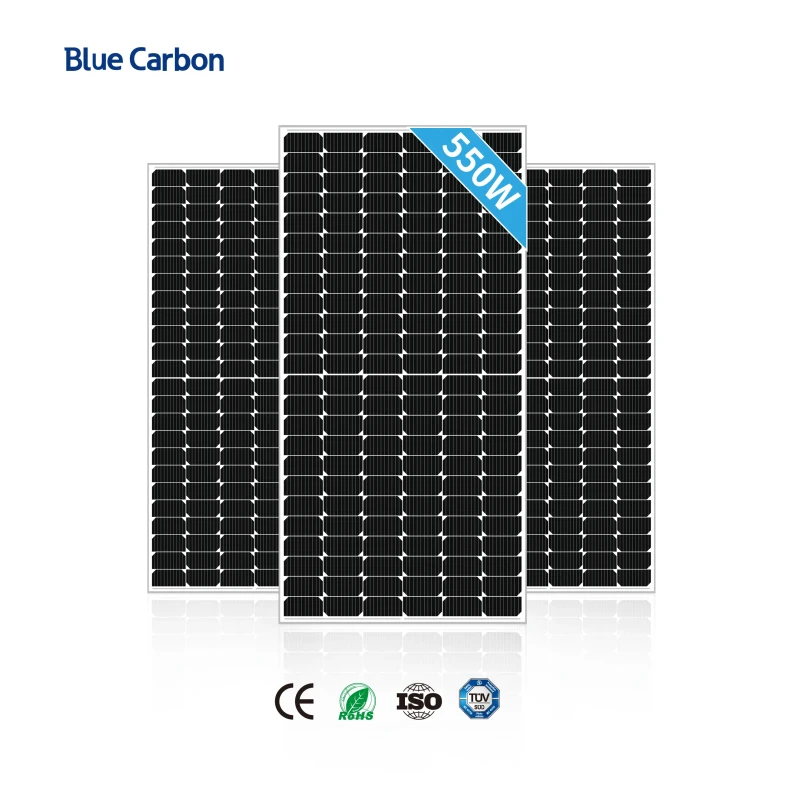
The core principle of industrial and commercial energy storage systems is "charging during low-cost electricity periods and discharging during high-cost periods," optimizing corporate electricity costs through energy time-shifting. The system comprises key components, including the battery system + BMS (Battery Management System), inverter PCS (Power Conversion System), EMS (Energy Management System), transformers, and cables. It adopts a modular design with a flexible configuration of system voltage and capacity.
How do C&I Energy Storage Systems Work?
In short, commercial and industrial (C&I) energy storage systems charge via solar panels or the grid. During periods of low electricity prices, the power conversion system (PCS) converts solar or grid electricity into direct current (DC) and stores it in batteries. When power is needed-such as during a blackout or peak pricing periods-the PCS converts the stored energy back into alternating current (AC) to supply commercial and industrial facilities.
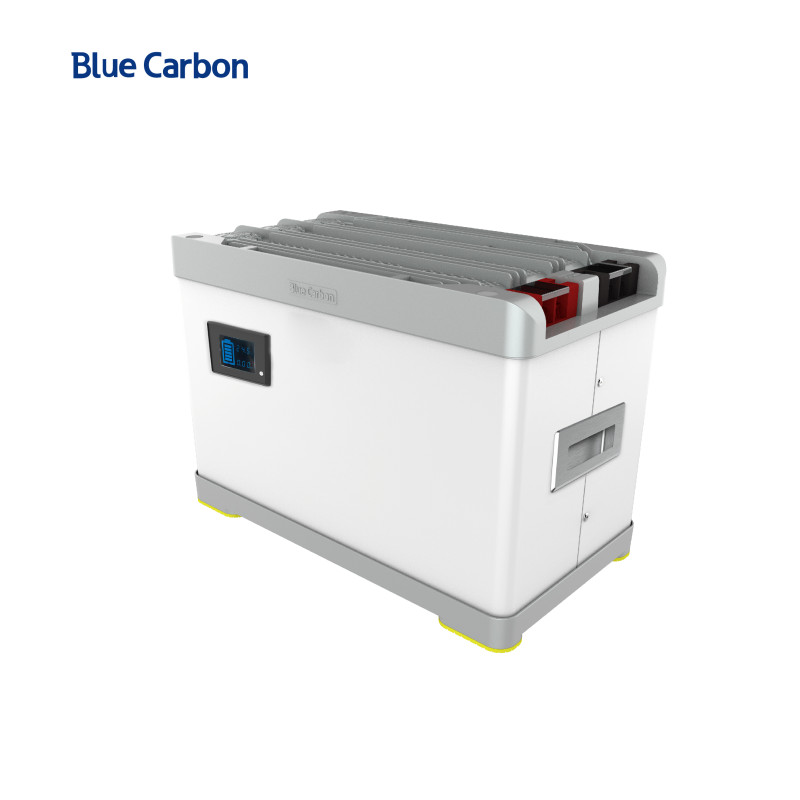
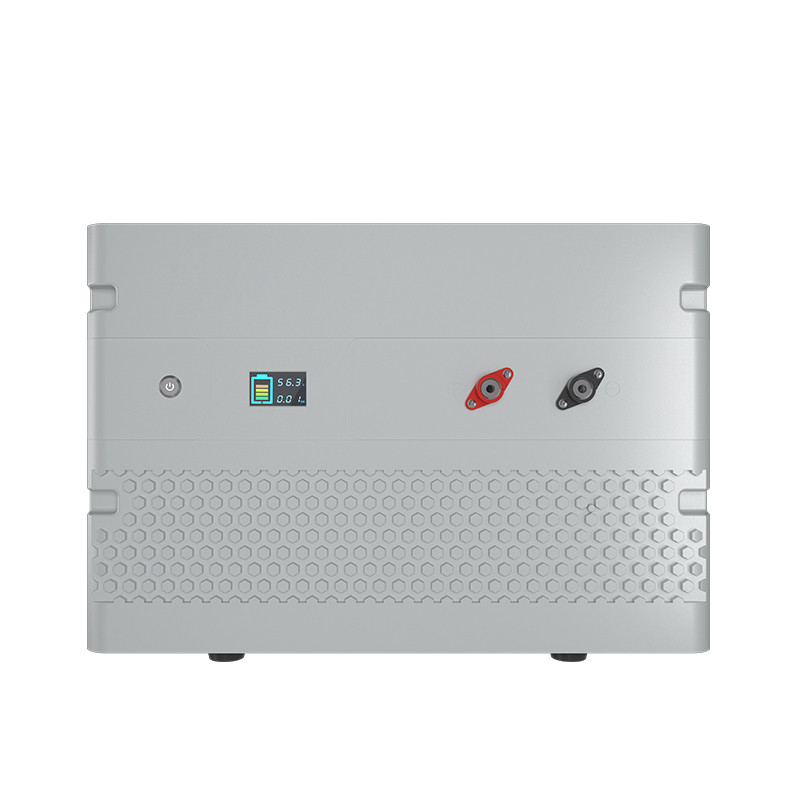
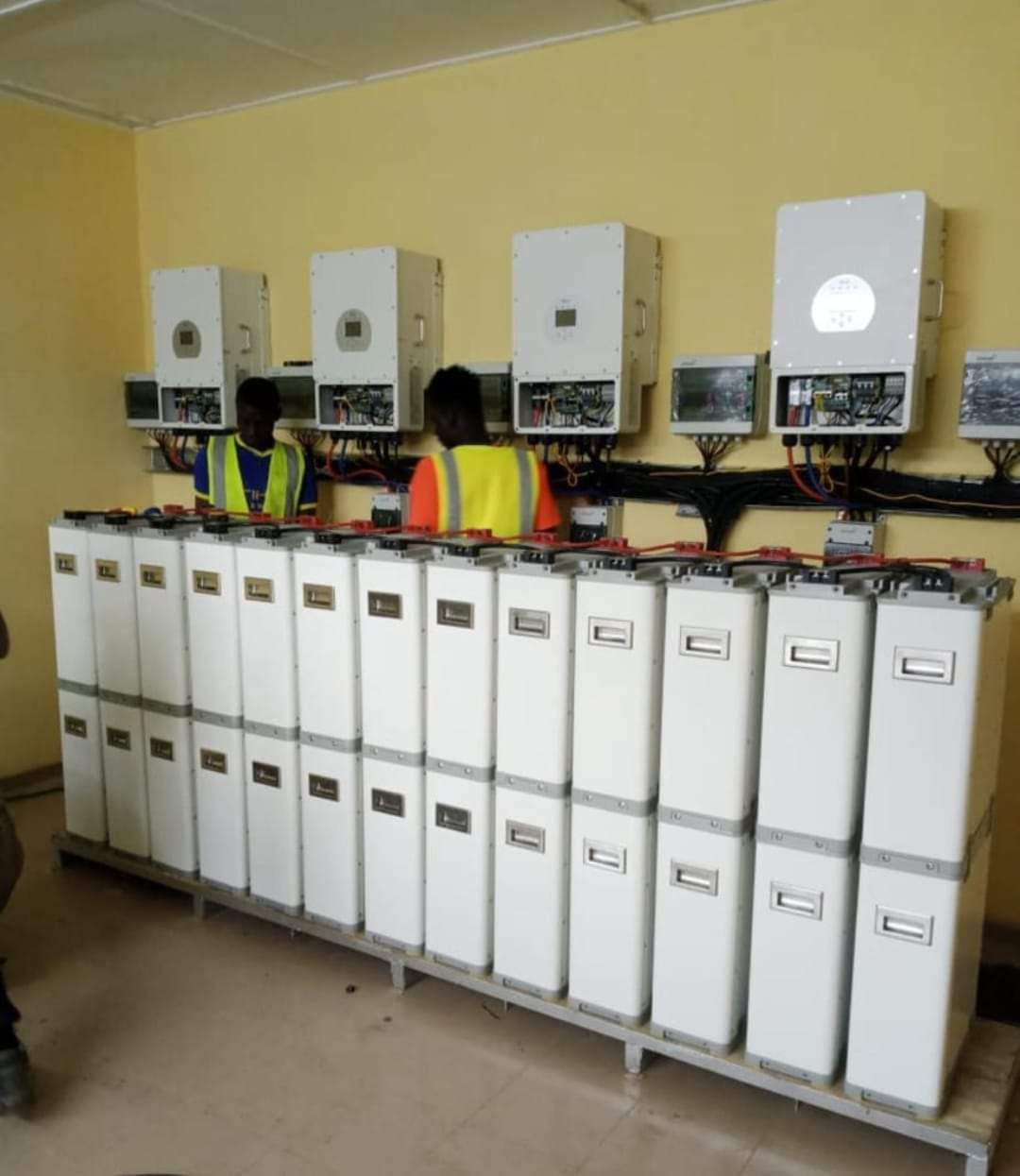
Commercial and industrial (C&I) energy storage systems primarily consist of batteries, a battery management system (BMS), a power conversion system (PCS), an energy management system (EMS), a thermal management system, and safety auxiliary systems. They can be equipped with solar panels or connected to the grid for power supply.
System Composition
Core Values Of C&I Energy Storage Systems
Compared to traditional energy management approaches, commercial and industrial (C&I) energy storage systems deliver three core benefits: reducing electricity costs, improving energy utilization efficiency, and enhancing power supply reliability.
In terms of reducing electricity costs, commercial and industrial (C&I) energy storage systems primarily achieve savings through three approaches: peak-valley arbitrage, demand charge optimization, and demand-side response.
- Peak-valley arbitrage leverages the price difference between peak and off-peak periods by charging during low-cost off-peak hours and discharging during high-cost peak hours.
- Demand charge optimization smooths the facility's load profile using energy storage to reduce the peak demand used as the basis for demand-based billing.
- Demand-side response involves reducing on-site load or dispatching stored energy in response to grid operator instructions during periods of tight power supply, thereby earning compensation payments.
In terms of improving energy utilization efficiency, commercial and industrial (C&I) energy storage systems can store excess electricity generated by distributed photovoltaic (PV) systems and use it during peak demand periods. This increases the self-consumption rate of PV-generated power and reduces transmission losses. Additionally, the system can participate in ancillary services in the electricity market-such as peak shaving and frequency regulation-thereby enhancing the overall efficiency of the power system.
In terms of enhancing power supply reliability, commercial and industrial (C&I) energy storage systems can provide uninterrupted power during grid outages, ensuring the continuous operation of critical equipment and minimizing economic losses. This is especially crucial for facilities with high reliability requirements-such as data centers and hospitals-where energy storage systems can serve as backup power sources, seamlessly switching to supply electricity when the grid fails and thereby ensuring business continuity.

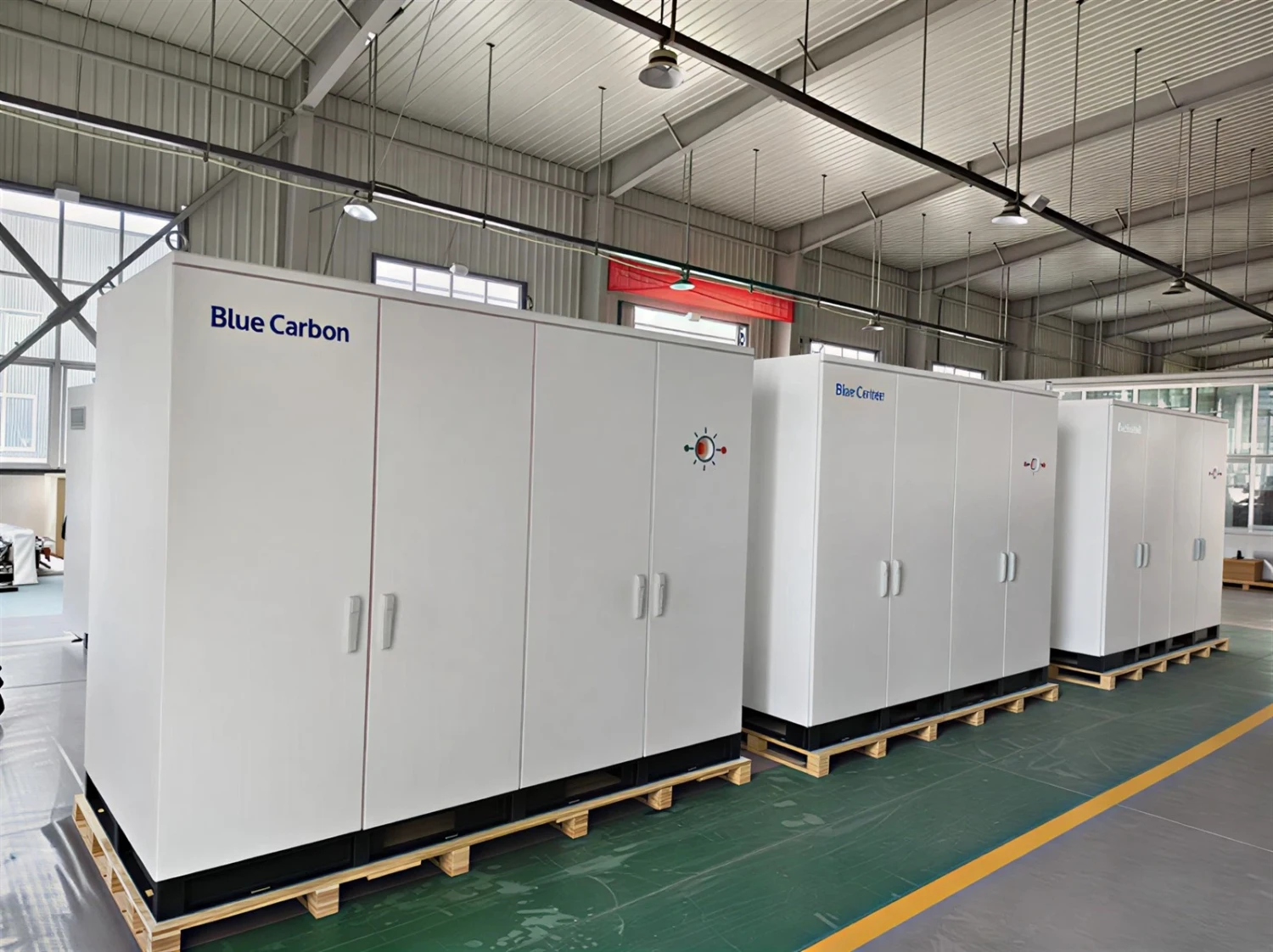
Why Choose Our All-in-one Commercial &Industrial Energy Storage Cabinet
Against the backdrop of rapid growth in the commercial and industrial (C&I) energy storage market, our company has recently launched a high-voltage energy storage cabinet that delivers a one-stop energy storage solution for C&I customers, featuring technological innovation and enhanced safety. The product uses automotive-grade lithium iron phosphate (LFP) cells with a cycle life of ≥6,600 cycles-significantly exceeding the industry average-and supports both off-grid and grid-connected operating modes to meet diverse energy management needs across various scenarios.
In terms of technical specifications, the high-voltage energy storage cabinet offers the following advantages:
- Automotive-grade cell design: The battery cells undergo rigorous safety tests-including nail penetration, crush, fire exposure, and thermal shock-demonstrating excellent thermal stability and consistency.
- Dynamic scalability: The system supports flexible capacity expansion based on a company's evolving power demands, lowering the initial investment barrier.
- Multi-source charging options: It provides integrated charging from photovoltaic (PV), grid, and diesel sources. Equipped with a dedicated inverter, the system can accept direct PV input and also charge from the grid without requiring an external inverter.
- Integrated monitoring and fire protection: The cabinet incorporates built-in monitoring and fire suppression functions, along with an intelligent temperature control strategy. Forced cooling is automatically activated when battery temperature reaches 30°C, and an alarm is triggered at 40°C to ensure safe and stable system operation.
Safety design is the core competitive advantage of high-voltage energy storage cabinets. The system employs a modular design to distribute risks, features physical isolation between clusters, and incorporates a quadruple overvoltage protection mechanism to effectively prevent safety issues such as thermal runaway. Additionally, the cabinet and battery are integrated into a single package with complete cable accessories. It has obtained UN38.3 certification (mandatory requirement for lithium battery transport safety) and MSDS (Material Safety Data Sheet) certification, ensuring product safety during transportation and operation.
We are committed to helping commercial and industrial users reduce electricity costs and improve energy utilization efficiency.
Before selecting a commercial or industrial energy storage system, carefully evaluate your electricity requirements (average daily consumption, power continuity), installation conditions (indoor/outdoor environment, space constraints, availability of photovoltaic integration), and budget range. If you seek a precisely tailored solution-whether standardized product recommendations or customized system design-our professional team offers complimentary assessment services. Submit your requirements via our website's online form or customer service hotline. We will prepare a technical specification and cost analysis report within 24 hours to help your business achieve efficient energy management.
Contact Our Sales Team
Email: enquires@bluecarbon.ng
Recent Posts
Blue Carbon Lithium Batteries: New Arrival with Smart BMS Specially Designed to Give Our Customers the Best Experience
How to Manage Your Solar System During the Rainy Season to Increase Backup Time
LiFePO₄ vs NMC Batteries: Which Is Better for Energy Storage Projects?
Why Blue Carbon Lithium Batteries Are Built for Long Life and Strong Performance