
Why Your Lithium Batteries Drain Faster
Lithium batteries have become the backbone of modern solar energy systems, powering homes, businesses, schools, and industries with reliable and efficient energy storage. Compared to traditional lead-acid batteries, lithium batteries offer longer lifespan, faster charging, deeper discharge, and better overall performance.
However, many users still complain
that their lithium batteries drain faster than expected. This often
leads to frustration, system downtime, and doubts about battery quality. The
truth is that rapid battery drain is rarely caused by a single factor. Instead,
it is usually the result of system design issues, poor usage habits,
environmental conditions, or improper configuration.
In this article, we explain why
lithium batteries drain faster, the most common causes, and how to prevent
premature energy loss for optimal system performance.
Understanding
How Lithium Batteries Work
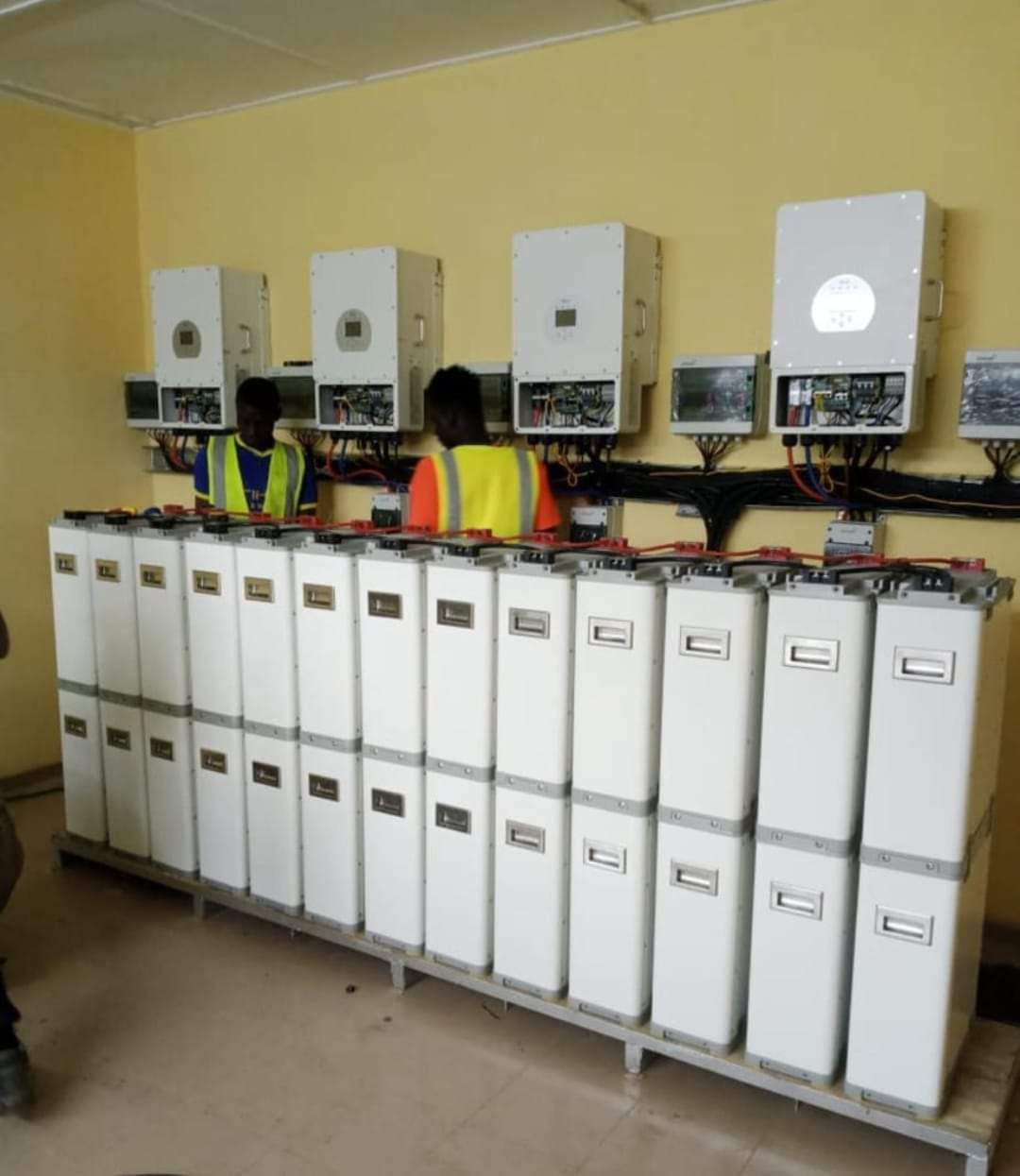
Lithium batteries store energy
chemically and release it when electrical loads demand power. In solar systems,
they are charged by solar panels through an inverter and supply energy during
the night, cloudy periods, or power outages.
Unlike lead-acid batteries, lithium
batteries allow:
- High depth of discharge (DoD)
- Faster charging
- Stable voltage output
- Intelligent monitoring via Battery Management Systems
(BMS)
When lithium batteries drain faster
than expected, it means the energy going out exceeds what is being stored or
managed efficiently.
1.
Incorrect Load Calculation
One of the most common reasons
lithium batteries drain quickly is poor or inaccurate load calculation
before installation.
How
This Affects Battery Drain:
- The battery bank may be undersized for actual energy
demand
- High-power appliances draw more energy than planned
- Peak loads exceed battery and inverter capacity
If your system was not properly
sized to match your daily energy consumption, the battery will deplete faster
regardless of quality.
2.
Excessive or Uncontrolled Power Usage
Lithium batteries are efficient, but
they are not unlimited.
Common
Load Issues:
- Running air conditioners, heaters, pumps, and irons
simultaneously
- Leaving appliances on unnecessarily
- Adding new appliances after installation without system
upgrade
When energy usage exceeds what the
system was designed for, batteries drain rapidly and repeatedly, reducing
performance and lifespan over time.
3.
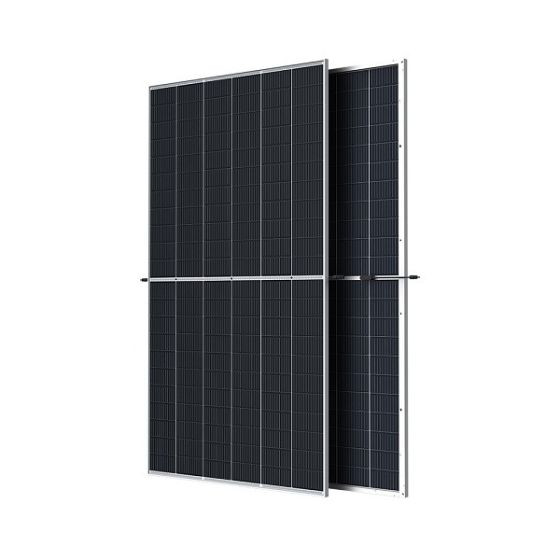
Low Solar Panel Capacity or Poor Solar Generation
Your batteries can only store the
energy they receive. If your solar panels are not generating enough power, the
batteries will not recharge fully.
Causes
of Poor Charging:
- Insufficient number of solar panels
- Low-quality or damaged panels
- Panels installed at wrong angle or orientation
- Shading from trees, buildings, or dirt accumulation
When batteries start the night
partially charged, they naturally drain much faster.
4.
Poor Battery Charging Configuration
Lithium batteries require correct
inverter and charging settings. If the system is misconfigured, charging
becomes inefficient.
Configuration
Problems Include:
- Incorrect battery type selected on inverter
- Wrong charging voltage or current
- Disabled lithium communication protocols
- Improper depth of discharge limits
These issues prevent batteries from
reaching full charge, causing early depletion during usage.
5.
Low-Quality or Aged Lithium Cells
Not all lithium batteries are
created equal.
Signs
of Low-Quality Cells:
- Rapid voltage drop
- Reduced usable capacity
- Overheating during charge or discharge
- Shorter cycle life
Grade B or refurbished cells degrade
faster, even if the battery looks new. Over time, capacity loss results in
quicker draining despite normal usage.
6.
Battery Management System (BMS) Limitations
The BMS protects lithium batteries
from damage by controlling charge and discharge limits.
How
BMS Can Affect Drain Rate:
- Overly conservative protection limits usable capacity
- Poor cell balancing reduces total energy storage
- Communication failure between BMS and inverter
If the BMS is not optimized or
compatible with the inverter, the battery may shut down early or deliver less
usable energy.
7.
High Ambient Temperature
Heat is a silent battery killer.
Effects
of High Temperature:
- Increased internal resistance
- Faster chemical reactions inside the battery
- Reduced energy retention
- Automatic BMS power reduction for protection
Lithium batteries perform best
within recommended temperature ranges. Poor ventilation or installation in hot
environments accelerates battery drain.
8.
Frequent Deep Discharging
Although lithium batteries allow
deep discharge, doing so continuously can reduce effective capacity over
time.
Consequences:
- Faster degradation
- Reduced energy storage
- Shortened lifespan
A well-designed system should
maintain healthy charge levels rather than relying on constant deep discharge.
9.
Inverter Inefficiency or Standby Loss
Inverters consume power even when no
appliances are running.
Hidden
Energy Drains:
- High inverter idle consumption
- Inefficient power conversion
- Poor quality internal components
Over time, these losses accumulate
and cause batteries to drain faster than expected.
10.
Lack of Monitoring and Maintenance
Many users do not actively monitor
battery performance.
Why
Monitoring Matters:
- Detects abnormal energy consumption
- Identifies charging inefficiencies
- Helps balance loads properly
- Prevents unnoticed system faults
Without monitoring, problems persist
until batteries consistently underperform.
How
to Prevent Fast Lithium Battery Drain
To improve battery performance and
longevity:
- Perform accurate load calculation before installation
- Use high-quality lithium batteries with Grade A cells
- Install sufficient solar panel capacity
- Ensure proper inverter and battery configuration
- Limit simultaneous high-power loads
- Maintain proper ventilation and temperature control
- Monitor system performance regularly
- Work with experienced solar professionals
Why
System Design Matters More Than Battery Brand Alone
Even the best lithium battery will
drain fast if paired with:
- Poor system design
- Inadequate solar input
- Incorrect inverter setup
- Excessive energy demand
Battery performance is a system-wide
responsibility, not just a product issue.
Conclusion
If your lithium batteries drain
faster than expected, the issue is rarely the battery alone. Factors such as
load size, solar panel capacity, inverter settings, environmental conditions,
and usage habits all play critical roles.
Understanding these causes allows
you to optimize your system, improve energy efficiency, and extend battery
lifespan. With the right design, configuration, and maintenance, lithium
batteries can deliver reliable, long-lasting power for many years.
Recent Posts
Blue Carbon Lithium Batteries: New Arrival with Smart BMS Specially Designed to Give Our Customers the Best Experience
How to Manage Your Solar System During the Rainy Season to Increase Backup Time
LiFePO₄ vs NMC Batteries: Which Is Better for Energy Storage Projects?
Why Blue Carbon Lithium Batteries Are Built for Long Life and Strong Performance