
Blue Carbon - Monocrystalline Solar Panel vs Bifacial Solar Panel: Which is Better for Your Energy Needs?
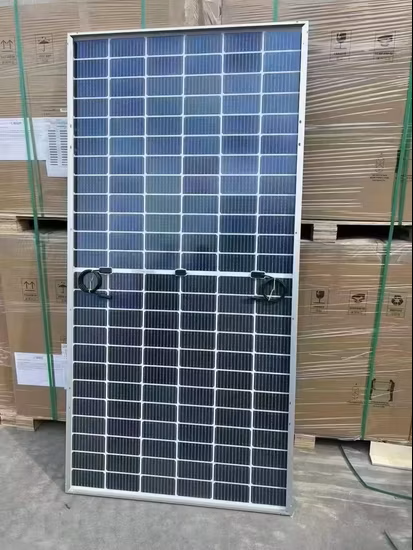
As solar energy adoption continues to grow across Nigeria and globally, choosing the right type of solar panel has become a crucial decision for homeowners, businesses, and solar installers. Among the most popular options in the market today are Monocrystalline solar panels and Bifacial solar panels.
Both technologies offer high efficiency and reliability, but
they differ in design, performance, cost, and application. Understanding these
differences will help you make an informed decision for your solar installation
project.
In this comprehensive guide, we will compare Monocrystalline
and Bifacial solar panels, exploring their features, benefits, drawbacks, and
ideal use cases.
What is a Monocrystalline Solar Panel?


7
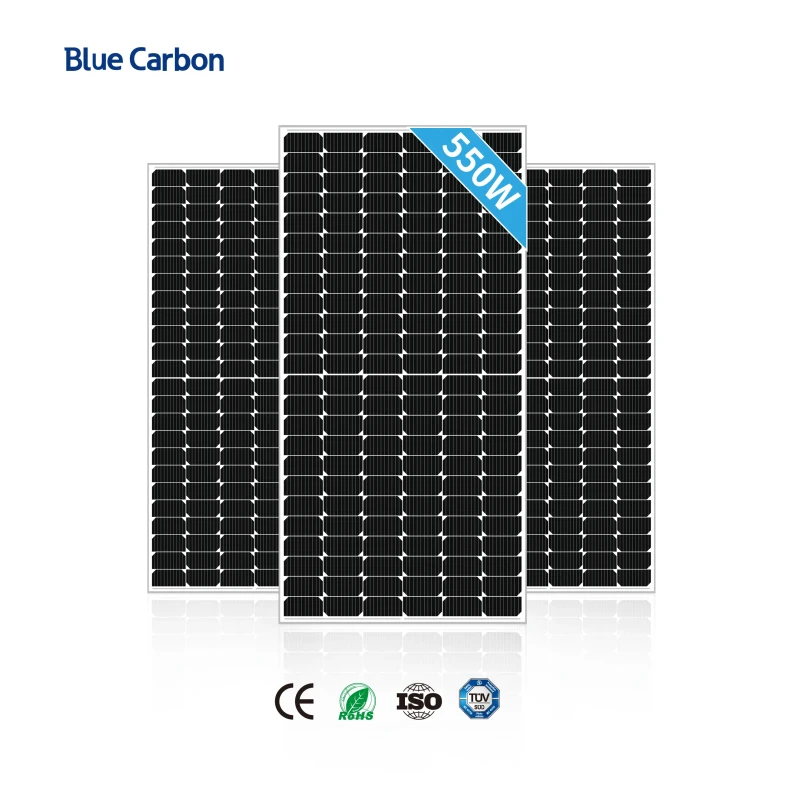
Monocrystalline solar panels are made from a single, pure
silicon crystal. They are easily recognized by their uniform black color
and sleek appearance.
These panels are known for their high efficiency and long
lifespan, making them one of the most widely used solar technologies worldwide.
Key Features of Monocrystalline Panels
- Made
from single-crystal silicon
- High
efficiency (typically 18%–23%)
- Space-efficient
design
- Long
lifespan (25+ years)
- Premium
appearance
What is a Bifacial Solar Panel?


6
Bifacial solar panels are designed to generate electricity
from both the front and back sides of the panel. While the front
captures direct sunlight, the rear side captures reflected sunlight from
surfaces like the ground, rooftops, or nearby structures.
This dual-sided energy generation allows bifacial panels to
produce more electricity compared to traditional panels under the right
conditions.
Key Features of Bifacial Panels
- Dual-sided
energy generation
- Glass-glass
or transparent back design
- Higher
energy yield in reflective environments
- Suitable
for ground-mounted and elevated systems
- Advanced
solar technology
Key Differences Between Monocrystalline and Bifacial
Solar Panels
1. Design and Structure
- Monocrystalline
Panels:
Made from a single silicon crystal with a solid backing. - Bifacial
Panels:
Feature a transparent or dual-glass design that allows light to pass through and reflect onto the rear side.
2. Energy Generation
- Monocrystalline:
Generates electricity only from the front side. - Bifacial:
Generates electricity from both sides, increasing total energy output by up to 10–30% depending on installation conditions.
3. Efficiency
- Monocrystalline
Panels:
High efficiency due to pure silicon structure. - Bifacial
Panels:
Potentially higher overall energy production due to dual-sided absorption, especially in reflective environments.
4. Installation Requirements
- Monocrystalline:
Easy to install on rooftops and standard mounting systems. - Bifacial:
Requires specific installation conditions such as: - Elevated
mounting
- Reflective
surfaces (white roofs, sand, concrete)
- Proper
spacing for rear-side exposure
5. Cost
- Monocrystalline
Panels:
Generally more affordable than bifacial panels. - Bifacial
Panels:
Higher initial cost due to advanced technology and installation requirements.
6. Durability
- Monocrystalline:
Durable and reliable with proven long-term performance. - Bifacial:
Often built with glass on both sides, making them more resistant to environmental damage but slightly heavier.
Advantages of Monocrystalline Solar Panels
✔️ High Efficiency in Limited
Space
Monocrystalline panels are ideal for rooftops with limited
space because they generate more power per square meter.
✔️ Proven Technology
They have been widely used for decades and are known for
their reliability.
✔️ Sleek Appearance
Their uniform black color gives a modern and premium look.
✔️ Lower Installation Complexity
They are easier to install and do not require special
conditions.
Advantages of Bifacial Solar Panels
✔️ Higher Energy Output
By capturing reflected light, bifacial panels can produce
more electricity.
✔️ Better Performance in Open
Spaces
They perform exceptionally well in large, open environments
such as solar farms.
✔️ Increased Return on Investment
(ROI)
Higher energy generation can lead to better long-term
financial returns.
✔️ Enhanced Durability
The dual-glass design offers added protection against
environmental factors.
Disadvantages of Monocrystalline Solar Panels
- Higher
cost compared to polycrystalline panels
- Limited
to single-sided energy generation
- Slight
efficiency drop in extremely high temperatures
Disadvantages of Bifacial Solar Panels
- Higher
upfront cost
- More
complex installation requirements
- Performance
depends heavily on environmental conditions
- Not
ideal for all rooftops
Which One is Better for Nigeria?
Choosing between monocrystalline and bifacial panels depends
on your specific needs and installation environment.
Choose Monocrystalline Panels If:
- You
are installing on a residential rooftop
- Space
is limited
- You
want a cost-effective and reliable solution
- You
prefer a simple installation process
Choose Bifacial Panels If:
- You
have a large open space
- You
can install panels on elevated structures
- There
are reflective surfaces available
- You
want maximum energy output
Performance in Nigerian Climate
Nigeria’s climate is highly favorable for solar energy due
to abundant sunlight. However, certain factors influence panel performance:
- High
temperatures
- Dust
and dirt accumulation
- Seasonal
rainfall
Monocrystalline Panels:
Perform well in high temperatures and are suitable for urban
environments.
Bifacial Panels:
Offer better performance in areas with reflective surfaces
such as sandy or concrete environments, especially in northern regions.
Cost vs Value Comparison
While bifacial panels may have a higher initial cost, their
increased energy output can lead to greater savings over time. However, this
advantage is only realized when installed under optimal conditions.
Monocrystalline panels, on the other hand, offer a balance
of cost, efficiency, and ease of installation, making them a popular choice for
most users.
Conclusion
Both Monocrystalline and Bifacial solar panels are excellent
choices, but the best option depends on your specific energy needs, budget, and
installation environment.
- Monocrystalline
panels are ideal for residential and small-scale installations where
space and simplicity matter.
- Bifacial
panels are better suited for large-scale or specialized installations
where maximum energy output is the goal.
By understanding the strengths and limitations of each type,
you can make a smart investment that delivers long-term energy efficiency and
savings.
If you are planning a solar installation project, choosing
the right panel type is the first step toward achieving reliable and
sustainable power.
Recent Posts
Blue Carbon Invites You to the 2026 Nigeria International Lighting Expo - September 16 - 18, 2026
High Voltage vs Low Voltage Energy Storage Systems: How to Choose the Right Solution with Blue Carbon
Register Your Blue Carbon Product for Warranty to Gain Access to Warranty Support
Blue Carbon Lithium Batteries: New Arrival with Smart BMS Specially Designed to Give Our Customers the Best Experience