
How Long Do Solar Batteries Last? A Comprehensive Guide for Nigerian Homeowners
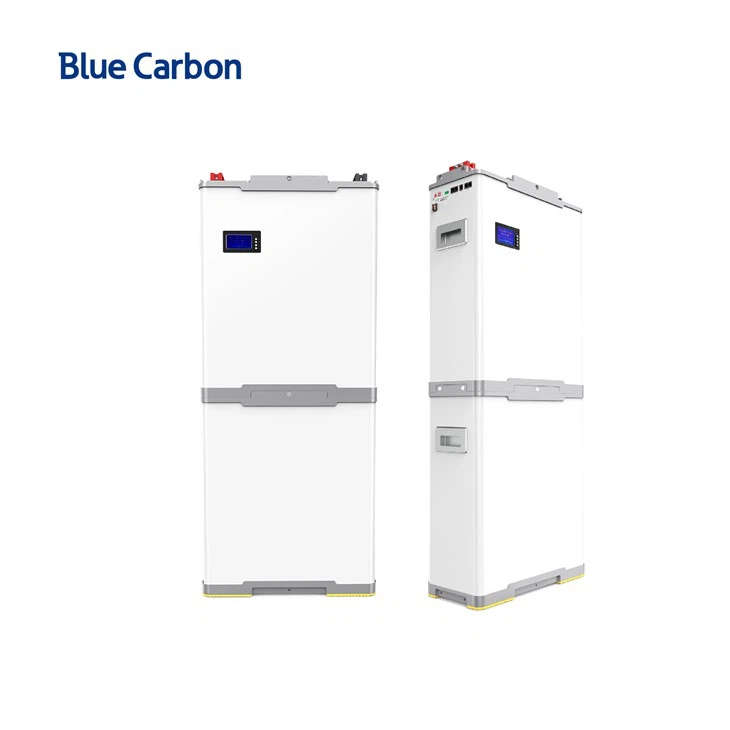
One of the most frequent questions we receive at Blue Carbon Nigeria is: "If I invest in a solar system today, how long will the batteries actually last?" It is a critical question. In the Nigerian energy landscape-where the national grid is often unreliable and the cost of fuel for generators continues to rise-your solar battery is more than just a storage tank; it is your insurance policy for uninterrupted life and business.
Understanding
the lifespan of a solar battery is the difference between a high-return
investment and a costly mistake. At Blue Carbon, we believe that "Storage
is the Source." While panels capture the energy, the battery dictates
the reliability of your power long after the sun goes down.
In this
detailed guide, we will explore the factors that determine solar battery
longevity, the different technologies available in the Nigerian market, and why
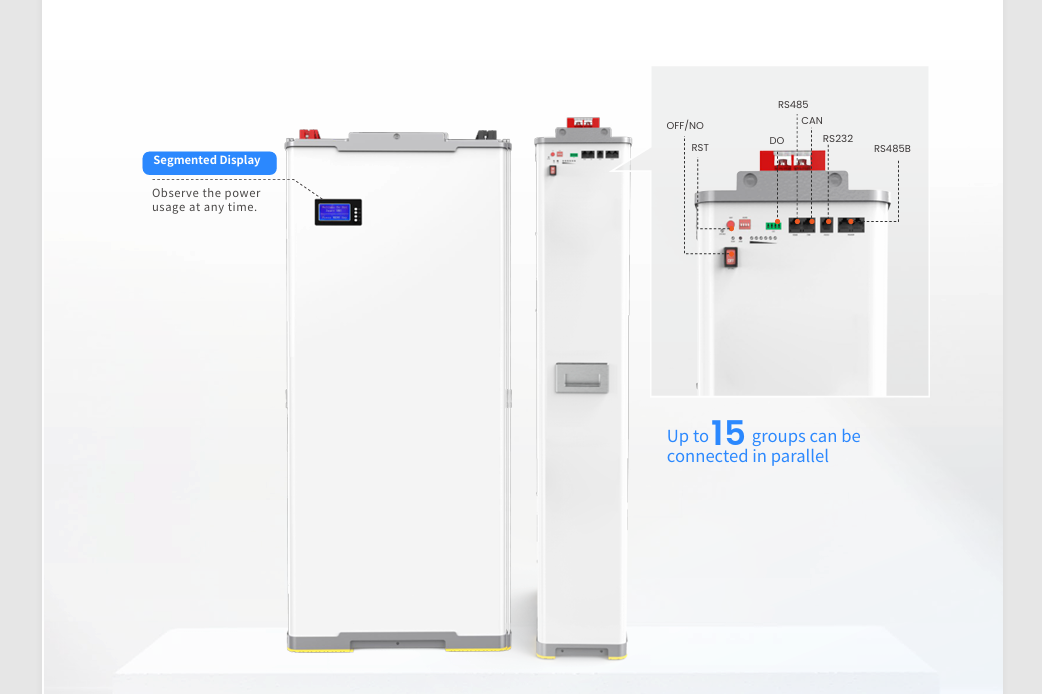
LiFePO4 (Lithium Iron Phosphate) has become the gold standard for
durability.
The
Basics: What Defines a Battery’s "Life"?
Unlike a car
or a house, the life of a solar battery isn't usually measured in years alone,
but in cycles.
A cycle
consists of one full discharge (using the power) and one full recharge. If you
use 50% of your battery today, charge it back to full, and use another 50%
tomorrow, that counts as one cycle. Most batteries are rated for a specific
number of cycles before their capacity drops below a functional level (usually
80% of their original capacity).
Lead-Acid
vs. Lithium (LiFePO4): The Longevity Gap
In the
Nigerian market, you will typically find two main types of deep-cycle
batteries. The difference in their lifespans is staggering.
1.
Lead-Acid (Gel/AGM) Batteries
For years,
these were the standard due to their low upfront cost. However, they are the
"sprint runners" of the solar world-they start strong but tire
quickly.
- Average Lifespan: 2 to 5 years.
- Cycle Life: Usually between 500 and 1,500
cycles.
- The Catch: To reach this lifespan, you can
only discharge them by 50%. If you regularly "drain" a
lead-acid battery, it may fail in less than a year.
2.
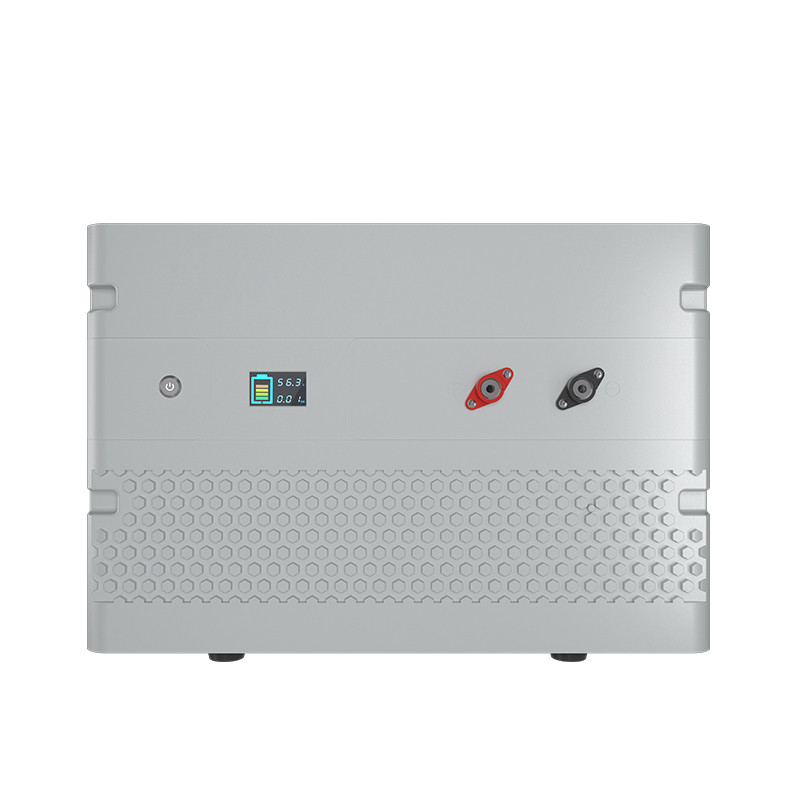
Lithium Iron Phosphate (LiFePO4) Batteries
This is the
technology Blue Carbon specializes in. LiFePO4 batteries are the "marathon
runners."
- Average Lifespan: 10 to 15 years.
- Cycle Life: Between 4,000 and 6,000+
cycles.
- The Advantage: You can safely discharge these
batteries up to 80% or 90% without significantly hurting their
lifespan. In the long run, one Blue Carbon Lithium battery will outlast
four or five sets of traditional lead-acid batteries.
Factors
That Affect Your Solar Battery Lifespan
Even the
best battery can have its life cut short if it isn't treated properly. Here is
what influences the "health" of your energy storage:
A. Depth
of Discharge (DoD)
As mentioned
above, DoD refers to how much of the battery’s energy you use. The deeper you
discharge a battery every day, the shorter its overall life will be. Because
Blue Carbon uses high-grade N-TYPE cells and advanced BMS (Battery
Management Systems), our LiFePO4 units handle deep discharges far better than
any other option in Nigeria.
B.
Temperature and Environment
Nigeria is
hot, and heat is the enemy of stored energy. Standard batteries kept in poorly
ventilated rooms or hot outdoor enclosures will degrade rapidly. The Blue
Carbon Edge: Our LiFePO4 technology is chemically more stable at high
temperatures. While a Gel battery might "swell" or lose capacity in
the heat of a Lagos afternoon, our lithium solutions are designed to remain
efficient and safe even in tropical climates.
C.
Charging Cycles and Rates
How fast you
charge and discharge your battery matters. Using a massive load (like three air
conditioners at once) on a small battery bank puts "stress" on the
cells. Similarly, charging a battery too quickly with an incompatible inverter
can cause internal damage. A well-balanced system, like those designed at our Agungi,
Lekki office, ensures that the charging rates are optimized for maximum
longevity.
Why
"Storage is the Source" for Blue Carbon Nigeria
We don't
just sell batteries; we sell Energy Freedom. We choose to focus on
Lithium Iron Phosphate because we want our customers to install their system
once and forget about it for a decade.
When you
look at the "Price per Year," lithium is actually much cheaper than
lead-acid.
- Lead-Acid: Low price today + replacement
cost every 2 years + disposal fees = Expensive.
- Blue Carbon Lithium: Higher price today + 10+ years
of service = Cost-Effective.
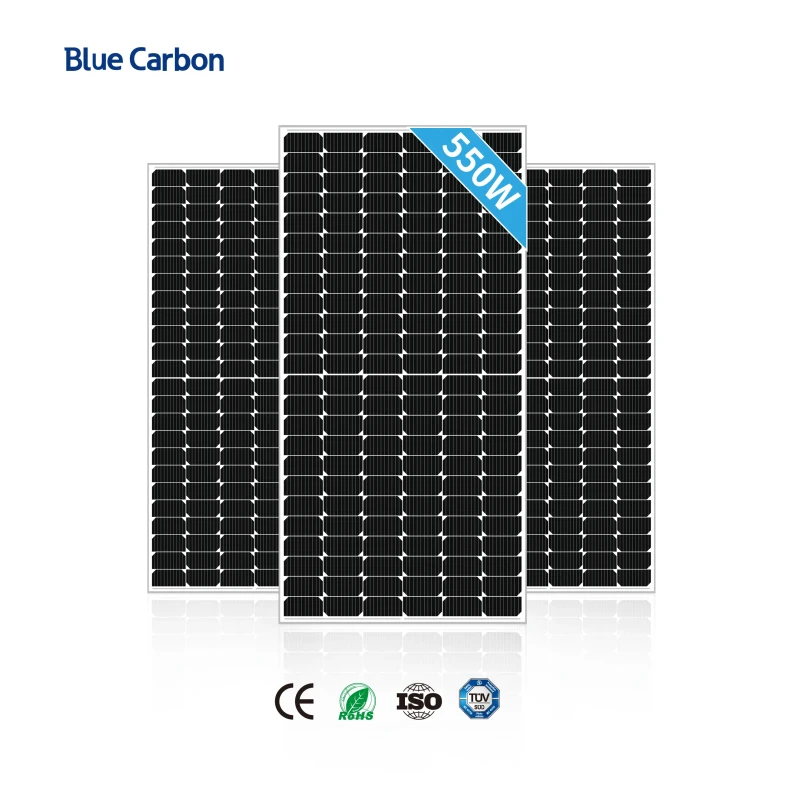
By pairing
our batteries with our N-TYPE Solar Panels, you ensure that the energy
flowing into your "storage" is clean, consistent, and efficient,
which further protects the battery cells.
How to
Make Your Solar Battery Last Longer
Want to push
your battery toward that 15-year mark? Follow these expert tips:
1.
Correct Sizing:
Ensure your battery bank is large enough to handle your nightly load without
being pushed to 100% discharge every single night.
2.
Ventilation:
Install your batteries in a cool, dry place. Airflow is essential for
maintaining a steady internal temperature.
3.
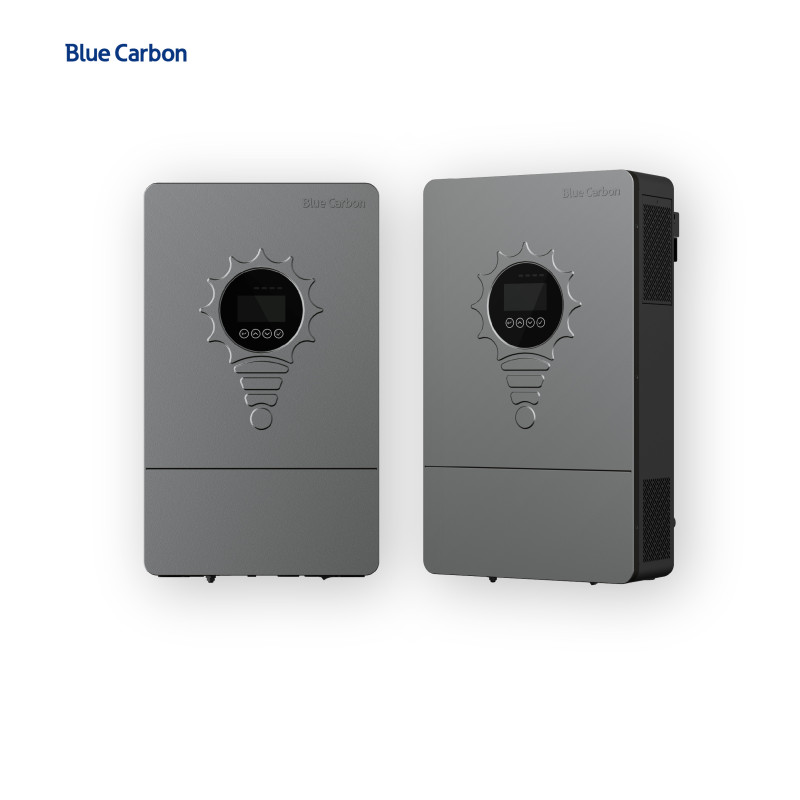
Regular Monitoring: Use your hybrid inverter’s display or mobile app to keep an eye on your
battery voltage and state of charge.
4.
Avoid "Phantom" Loads: Turn off heavy appliances like water heaters or pumping
machines when they aren't needed, especially during the night when you are
running on battery power.
Conclusion:
Investing in the Future
A solar
battery is an investment in your quality of life. In Nigeria, where power is
the fuel for both comfort and commerce, choosing a battery that lasts is
non-negotiable.
While the
"cheapest" option on the market might save you money this month, a Blue
Carbon LiFePO4 battery will save you money for the next ten years. With our
new office in Agungi, Lekki, we are closer than ever to help you design
a system that stands the test of time.
Let this be
the year you stop worrying about when your batteries will fail and start
enjoying the peace of mind that comes with true Energy Freedom.
Recent Posts
Why Blue Carbon Products Have the Best Quality in the Nigerian Market: Making Blue Carbon the Most Preferred Choice
Blue Carbon Invites You to the 2026 Nigeria International Lighting Expo - September 16 - 18, 2026
High Voltage vs Low Voltage Energy Storage Systems: How to Choose the Right Solution with Blue Carbon
Register Your Blue Carbon Product for Warranty to Gain Access to Warranty Support