
Clarification on Solar Installation Permit in Lagos State
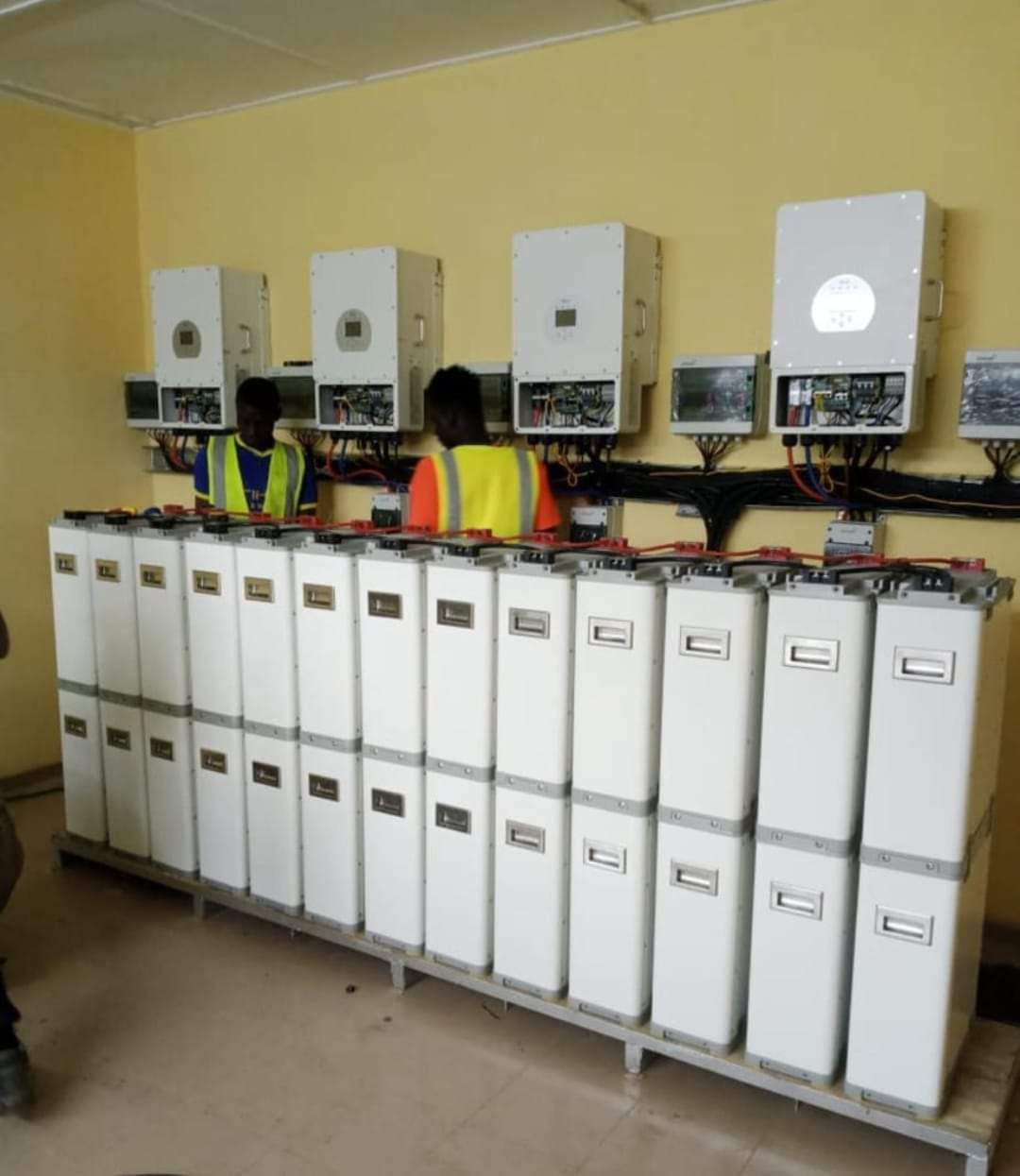
As solar energy adoption continues to grow across Nigeria, especially in bustling urban centers like Lagos State, many homeowners, businesses, and developers are asking an important question: Do I need a permit before installing a solar system in Lagos State?
With
increasing awareness around renewable energy and a strong push toward
sustainable solutions, it is essential to understand the regulatory framework
guiding solar installations in Lagos. This article provides a detailed
clarification on solar installation permits in Lagos State, helping you stay
compliant while enjoying the benefits of clean energy.
Understanding
Solar Energy Adoption in Lagos State
Lagos State
is Nigeria’s commercial hub, with a high demand for electricity across
residential, commercial, and industrial sectors. Due to frequent power outages
and rising energy costs, many individuals and organizations are turning to
solar energy as a reliable alternative.
However, as
adoption increases, regulatory oversight becomes necessary to ensure:
- Safety of installations
- Structural integrity of
buildings
- Environmental compliance
- Standardization of electrical
systems
This is
where permits and approvals come into play.
Do You
Need a Permit for Solar Installation in Lagos?
The answer
is yes-depending on the type and scale of your installation.
Not all
solar installations require the same level of approval. The requirement for
permits in Lagos State generally depends on:
- System size
- Installation type (residential
or commercial)
- Structural modifications
involved
- Connection to the national grid
Types of
Solar Installations and Permit Requirements
1. Small
Residential Installations
For
small-scale residential solar systems (e.g., rooftop systems for homes),
permits are often minimal or may not be strictly enforced, especially if:
- The installation does not alter
the building structure
- It is an off-grid or standalone
system
- It complies with standard safety
practices
However, it
is still advisable to consult relevant authorities or professionals to ensure
compliance.
2. Large
Residential and Commercial Installations
For larger
systems, especially those involving:
- Structural modifications
- Multiple buildings
- High-capacity systems
Permits may
be required from local regulatory bodies.
3.
Grid-Tied Systems
If your
solar system is connected to the national grid, additional approvals may be
required from electricity distribution companies (DisCos) and regulatory
agencies.
Key
Authorities Involved in Lagos State
Several
bodies may be involved in solar installation approvals:
1. Lagos
State Physical Planning Permit Authority (LASPPPA)
Responsible
for approving building structures and modifications. If your solar installation
affects the structure of your building, you may need approval from LASPPPA.
2. Lagos
State Building Control Agency (LASBCA)
Ensures that
building constructions and installations meet safety standards.
3.
Electricity Distribution Companies (DisCos)
For
grid-connected systems, your local electricity distribution company must be
informed and may require approval.
4.
Nigerian Electricity Regulatory Commission (NERC)
NERC
oversees electricity regulations in Nigeria, including renewable energy
integration and grid connections.
Why
Permits Are Important
Obtaining
the necessary permits is not just about compliance-it offers several benefits:
✔️ Safety Assurance
Ensures your
installation meets electrical and structural safety standards.
✔️ Legal Protection
Protects you
from legal issues or penalties.
✔️ System Reliability
Ensures
proper design and installation for optimal performance.
✔️ Property Value
Approved
installations can increase property value and credibility.
Common
Misconceptions About Solar Permits
Misconception
1: Solar Installations Do Not Require Approval
While small
systems may not always require formal permits, larger or grid-connected systems
often do.
Misconception
2: Permits Are Too Complicated
With the
right installer or consultant, the process can be straightforward and
manageable.
Misconception
3: Permits Are Unnecessary for Off-Grid Systems
Even
off-grid systems may require approval if they involve structural changes.
Steps to
Obtain a Solar Installation Permit in Lagos
If your
project requires a permit, here are the general steps:
1.
Consult a Professional Installer
Work with an
experienced solar provider who understands local regulations.
2.
Conduct Site Assessment
Evaluate
your property for system design and structural considerations.
3.
Prepare Documentation
This may
include:
- System design plans
- Structural drawings
- Electrical layout
4. Submit
Application
Apply
through the relevant authority (e.g., LASPPPA or LASBCA).
5.
Inspection and Approval
Authorities
may inspect the site before granting approval.
6.
Proceed with Installation
Once
approved, installation can begin.
Challenges
in Solar Permit Processes
Despite the
benefits, some challenges may arise:
- Lack of clear public awareness
- Bureaucratic delays
- Inconsistent enforcement
However,
these challenges are gradually being addressed as solar adoption grows.
Best
Practices for Compliance
To ensure a
smooth installation process:
- Work with certified and
experienced installers
- Follow all safety standards
- Verify requirements with local
authorities
- Keep proper documentation
These steps
help avoid delays and ensure compliance.
The
Future of Solar Regulation in Lagos
As renewable
energy adoption increases, Lagos State is expected to develop clearer and more
streamlined policies for solar installations.
Future
developments may include:
- Simplified permit processes
- Incentives for solar adoption
- Standardized regulations
This will
make it easier for individuals and businesses to transition to clean energy.
Why
Choose a Professional Solar Provider
Navigating
permits and regulations can be complex, which is why working with a
professional solar company is essential.
A reliable
provider will:
- Handle permit requirements
- Ensure compliance with
regulations
- Deliver safe and efficient
installations
This saves
time and reduces the risk of errors.
Conclusion
Solar energy
is a powerful solution to Nigeria’s energy challenges, and Lagos State is at
the forefront of this transition. However, understanding the requirements for
solar installation permits is essential to ensure a safe, legal, and efficient
system.
While small
residential systems may not always require formal permits, larger or
grid-connected installations often do. By working with experienced
professionals and following proper procedures, you can enjoy the benefits of
solar energy without complications.
As the
regulatory environment continues to evolve, staying informed will help you make
better decisions and ensure a smooth solar installation process.
Recent Posts
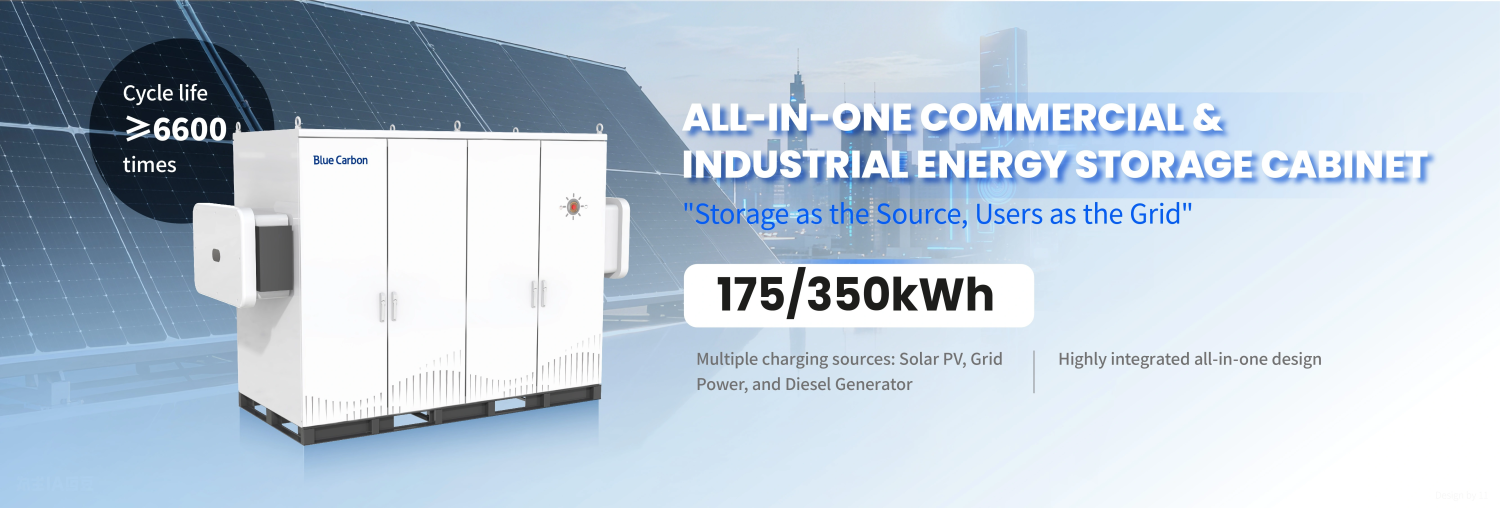
Why Blue Carbon Products Have the Best Quality in the Nigerian Market: Making Blue Carbon the Most Preferred Choice
Blue Carbon Invites You to the 2026 Nigeria International Lighting Expo - September 16 - 18, 2026
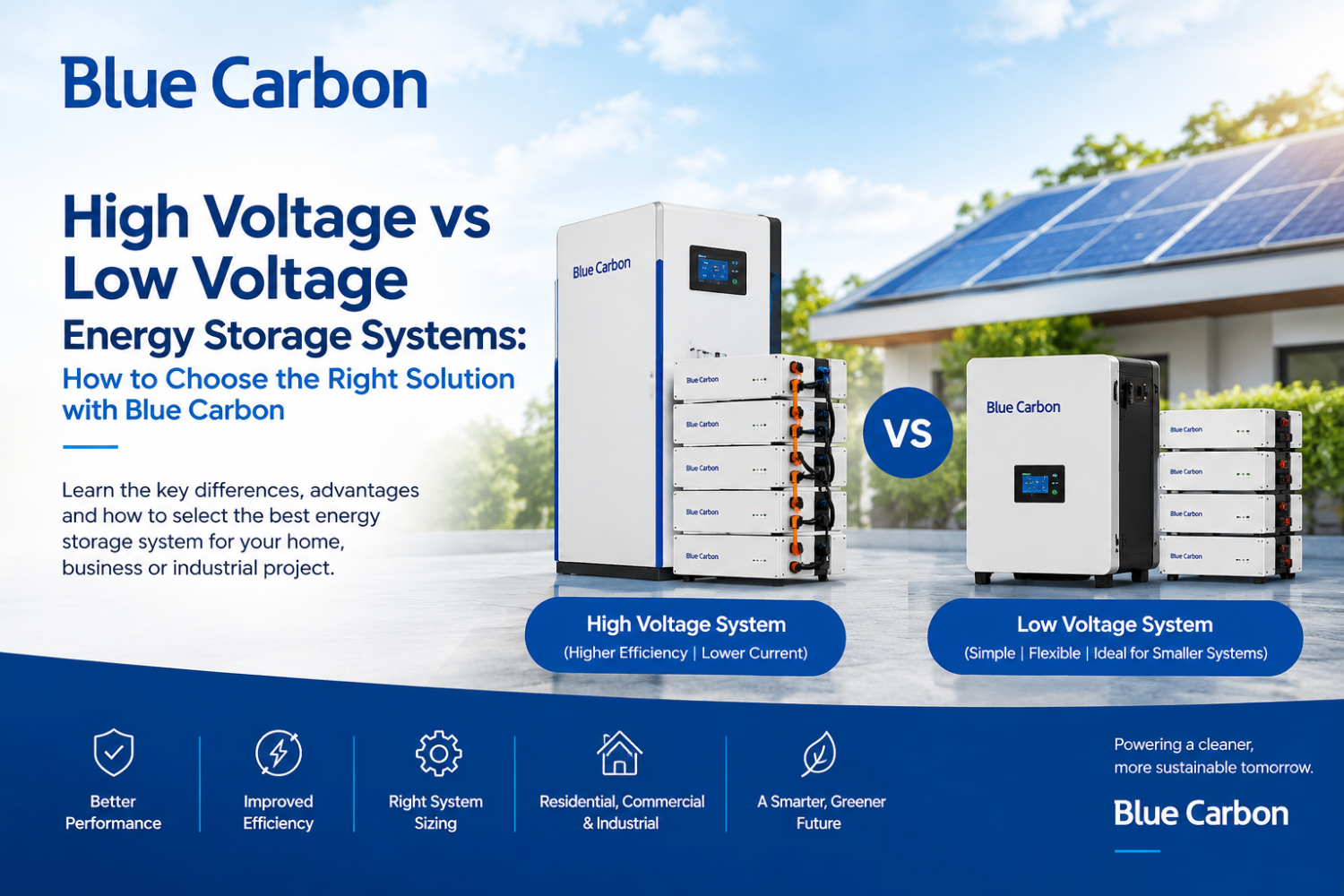
High Voltage vs Low Voltage Energy Storage Systems: How to Choose the Right Solution with Blue Carbon
Register Your Blue Carbon Product for Warranty to Gain Access to Warranty Support