
Things to Consider Before Solar System Installation
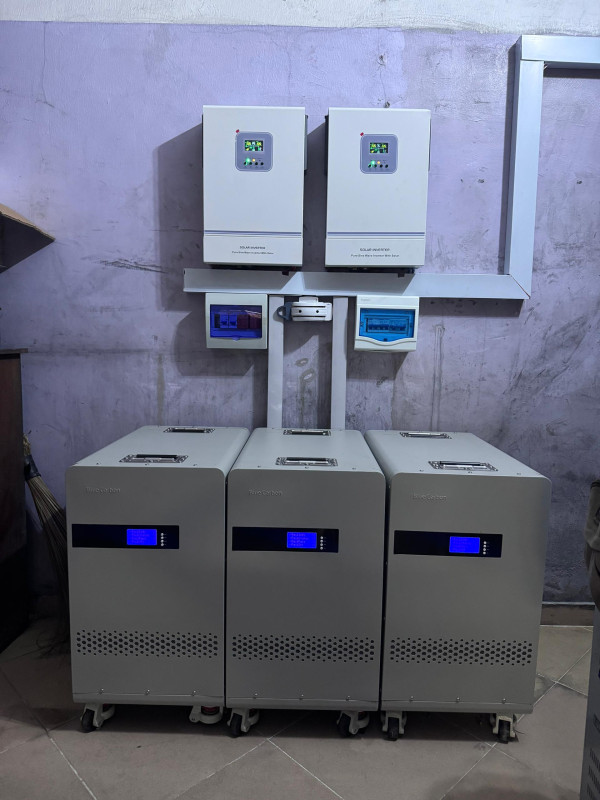
As solar energy becomes increasingly popular in Nigeria, more homeowners and businesses are turning to solar power as a reliable and cost-effective alternative to unstable grid electricity and expensive generators. However, installing a solar system is a significant investment that requires proper planning and informed decision-making.
Before you
proceed with a solar installation, it is essential to understand the key
factors that will determine the efficiency, performance, and long-term value of
your system.
In this
comprehensive guide, we will explore the most important things to consider
before installing a solar system to ensure you make the right choice.
1. Your
Energy Needs and Consumption
The first
and most critical step is to determine how much energy you need.
Questions
to Ask:
- What appliances do you want to
power?
- How many hours do you use them
daily?
- What is your total daily energy
consumption (in watts or kilowatts)?
Understanding
your energy needs helps in:
- Proper system sizing
- Avoiding underperformance
- Preventing overspending
A detailed
load analysis ensures that your solar system is designed to meet your exact
requirements.
2. Type
of Solar System
There are
different types of solar systems, and choosing the right one is crucial.
Common
Types:
- Grid-Tied System: Connected to the national grid
- Off-Grid System: Independent of the grid, uses
batteries
- Hybrid System: Combines solar, battery, and
grid power
Each system
has its advantages depending on your location and energy needs.
3. Budget
and Cost Planning
Solar
installation requires an upfront investment, but it offers long-term savings.
Consider:
- Cost of solar panels
- Battery storage costs
- Inverter and installation costs
- Maintenance expenses
While it may
be tempting to choose cheaper options, investing in high-quality components
ensures durability and better performance.
4.
Quality of Solar Components
The quality
of your solar system components determines its efficiency and lifespan.
Key
Components:
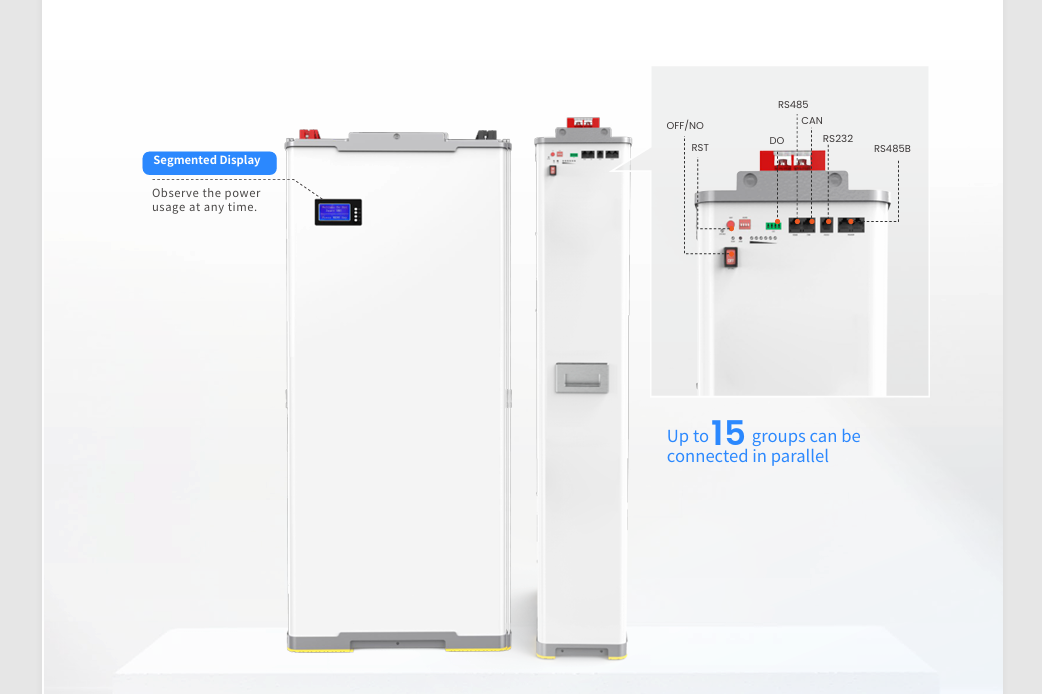
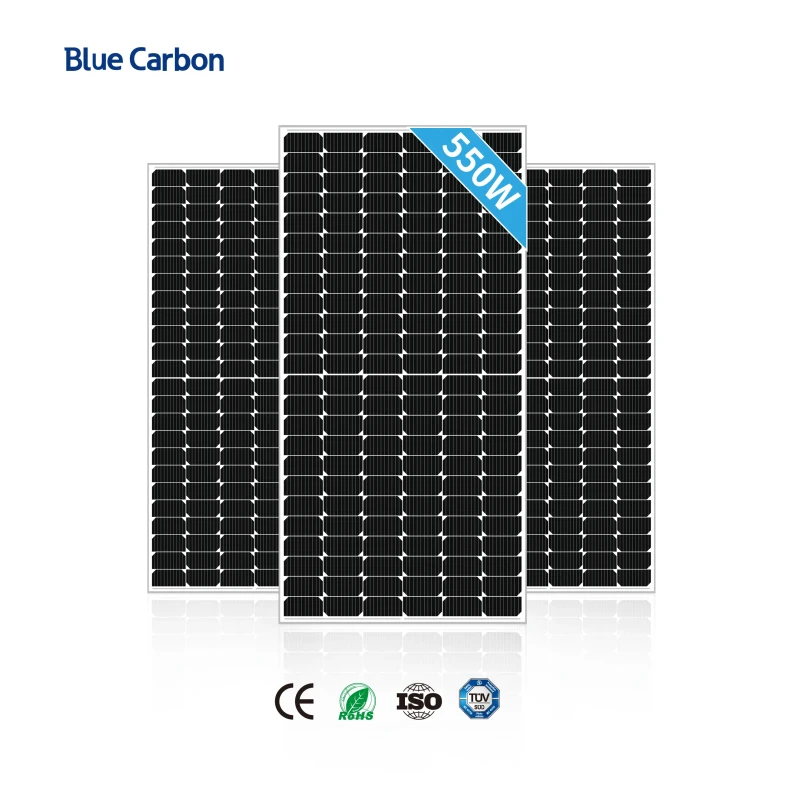
- Solar panels
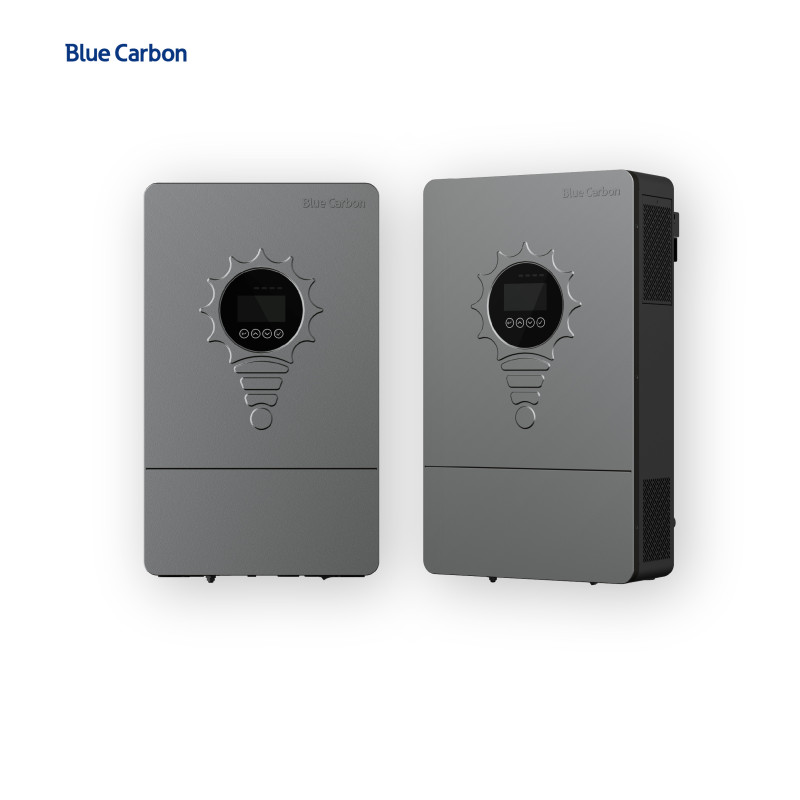
- Inverters
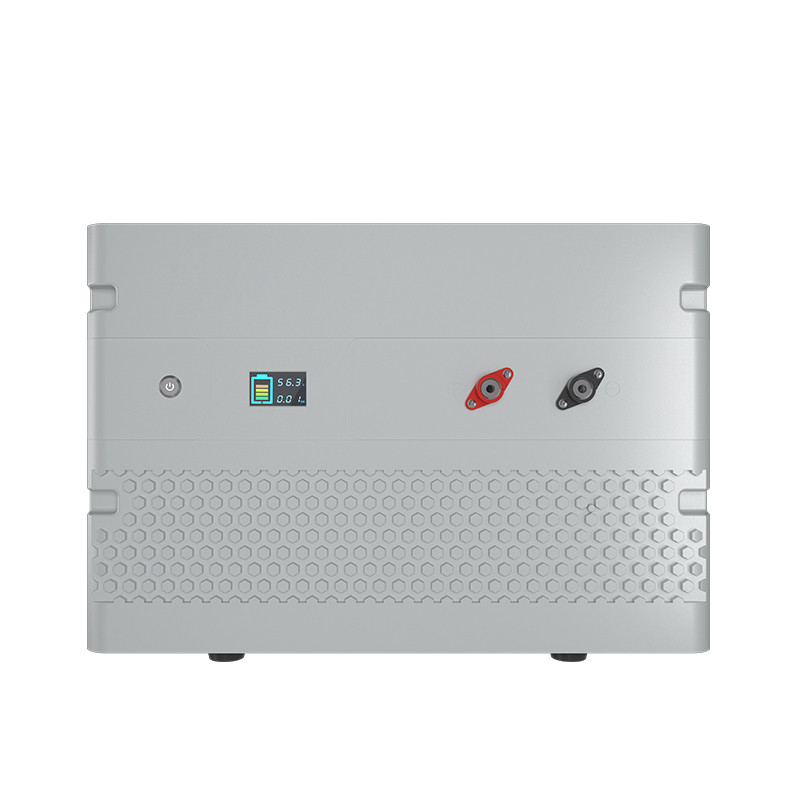
- Batteries
- Mounting structures
Choosing
reliable and trusted brands ensures:
- Better performance
- Longer lifespan
- Reduced maintenance
Avoid
low-quality products that may fail quickly.
5. Roof
Condition and Space Availability
Your roof
plays a major role in solar installation.
Factors
to Evaluate:
- Roof size and orientation
- Structural strength
- Shading from trees or buildings
- Angle and tilt
A
well-positioned roof ensures maximum sunlight exposure and better energy
generation.
6.
Sunlight Availability
Solar panels
depend on sunlight to generate electricity.
Important
Considerations:
- Daily sunlight hours in your
location
- Seasonal variations
- Obstructions that cause shading
Nigeria
generally has abundant sunlight, but proper assessment ensures optimal
performance.
7.
Battery Storage Requirements
Batteries
are essential for storing energy for use at night or during power outages.
Consider:
- Battery capacity
- Type (lithium vs lead-acid)
- Lifespan
- Charging efficiency
Lithium
batteries are often preferred due to their longer lifespan and higher
efficiency.
8.
Inverter Selection
The inverter
converts solar energy into usable electricity.
Types of
Inverters:
- Off-grid inverters
- Hybrid inverters
- Grid-tied inverters
Choosing the
right inverter ensures:
- Efficient energy conversion
- Stable power supply
- Compatibility with your system
9.
Installation Company and Expertise
Selecting
the right installer is just as important as choosing the right equipment.
Look for:
- Experience and expertise
- Positive customer reviews
- Professional certifications
- After-sales support
A skilled
installer ensures proper system design and installation.
10.
Maintenance and Support
Solar
systems require minimal maintenance, but regular checks are necessary.
Maintenance
Includes:
- Cleaning solar panels
- Inspecting connections
- Monitoring system performance
Choose a
provider that offers reliable maintenance and support services.
11.
Warranty and Product Guarantee
Warranty is
an important factor when investing in solar equipment.
Check
for:
- Solar panel warranty (20–25
years)
- Battery warranty (5–10 years or
more)
- Inverter warranty
A good
warranty provides peace of mind and protects your investment.
12.
Scalability and Future Expansion
Your energy
needs may increase over time.
Choose a
system that allows you to:
- Add more panels
- Increase battery capacity
- Upgrade components
Scalability
ensures your system can grow with your needs.
13.
Energy Efficiency Measures
Before
installing solar, consider improving your energy efficiency.
Tips:
- Use energy-efficient appliances
- Switch to LED lighting
- Reduce unnecessary energy
consumption
This reduces
the size and cost of your solar system.
14.
Government Policies and Regulations
Be aware of
any local regulations or policies related to solar installations.
Consider:
- Permits and approvals
- Net metering policies (if
applicable)
- Safety standards
Compliance
ensures a smooth installation process.
15.
Environmental Impact
Solar energy
is a clean and renewable source of power.
By
installing solar, you contribute to:
- Reduced carbon emissions
- Cleaner environment
- Sustainable energy future
This makes
solar not only a financial investment but also an environmental one.
16.
Return on Investment (ROI)
Solar
systems provide long-term financial benefits.
Benefits
Include:
- Reduced electricity bills
- Lower generator costs
- Increased property value
Most systems
pay for themselves within a few years.
17.
Backup Power Needs
If you
experience frequent power outages, ensure your system includes adequate backup.
Consider:
- Battery capacity
- Load prioritization
- System design
This ensures
uninterrupted power supply.
Conclusion
Installing a
solar system is a smart investment, but it requires careful planning and
consideration. From understanding your energy needs to choosing the right
components and installer, every decision plays a crucial role in the success of
your system.
By
considering the factors outlined in this guide, you can ensure that your solar
installation delivers maximum efficiency, reliability, and long-term value.
Solar energy
is not just about saving money-it’s about gaining energy independence,
improving sustainability, and securing a reliable power source for the future.
Recent Posts
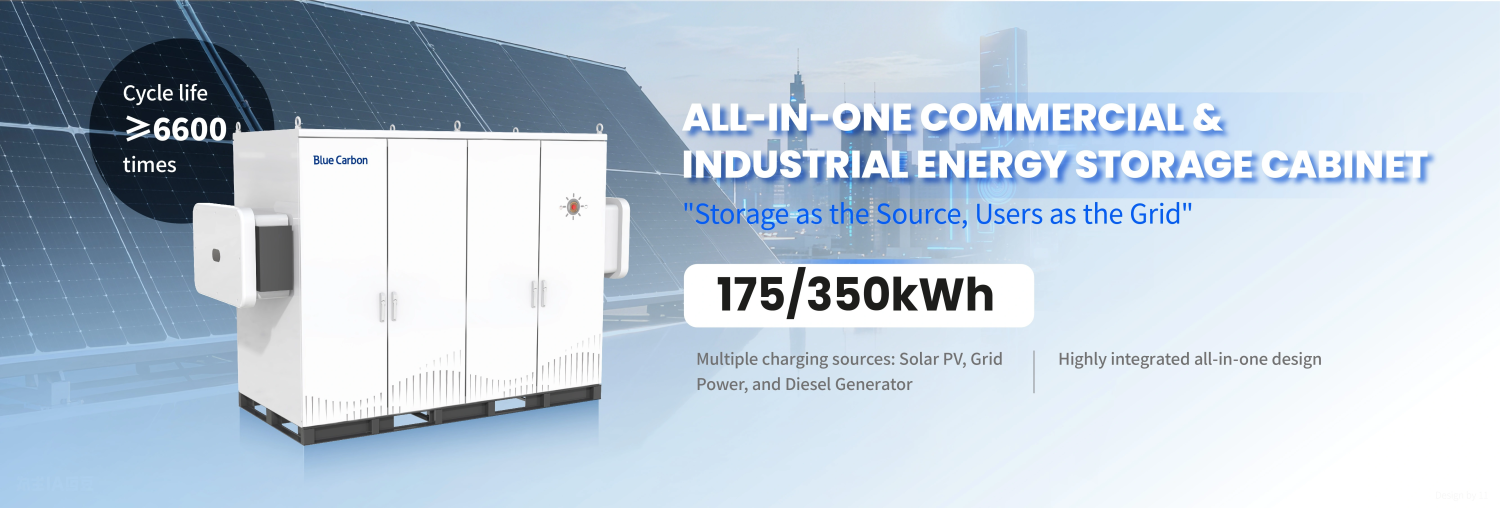
Why Blue Carbon Products Have the Best Quality in the Nigerian Market: Making Blue Carbon the Most Preferred Choice
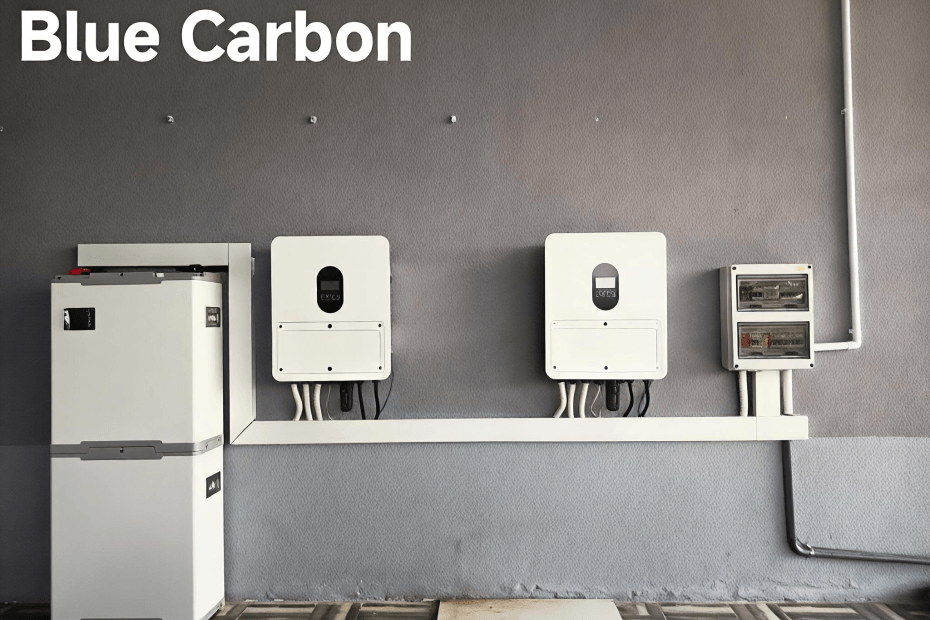
Blue Carbon Invites You to the 2026 Nigeria International Lighting Expo - September 16 - 18, 2026
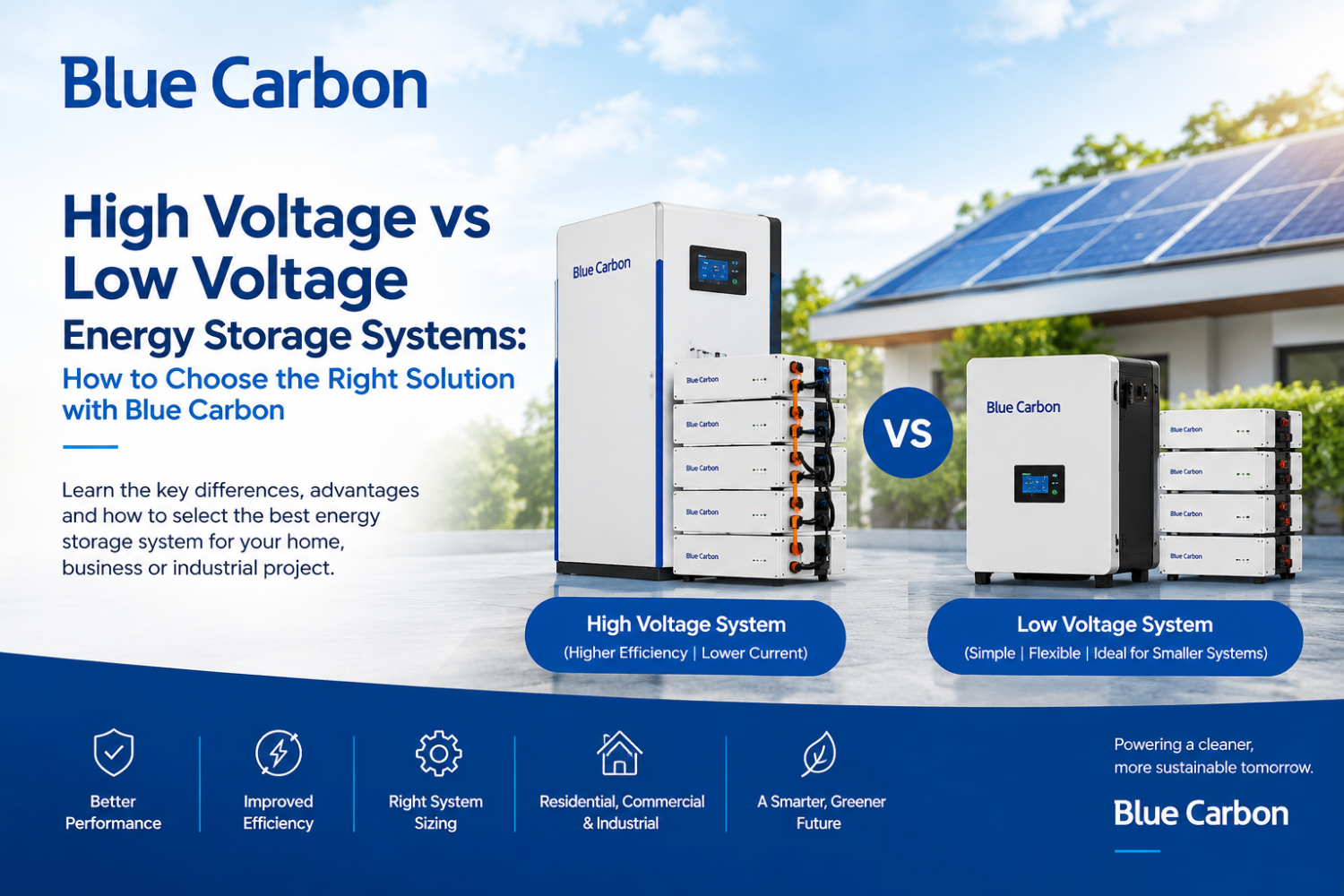
High Voltage vs Low Voltage Energy Storage Systems: How to Choose the Right Solution with Blue Carbon
Register Your Blue Carbon Product for Warranty to Gain Access to Warranty Support