
Steps to Take When Your Solar System Shuts Down
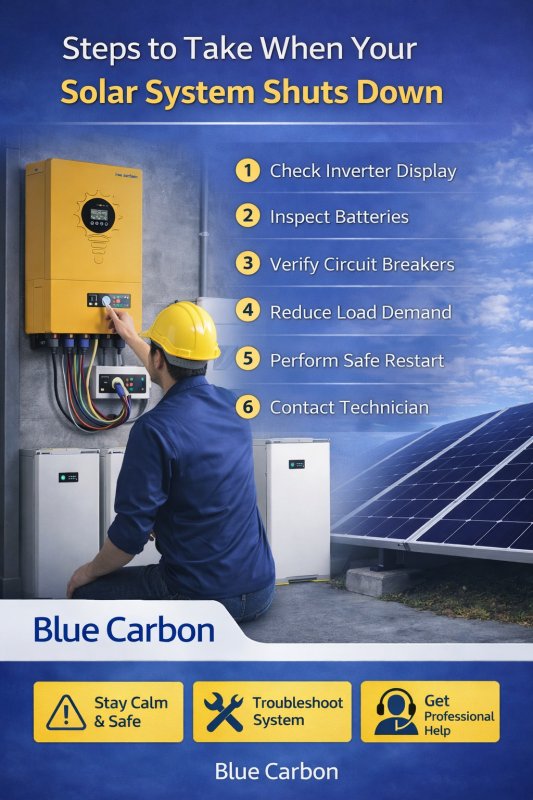
Solar energy systems are designed to provide reliable, uninterrupted power for homes, businesses, and industrial facilities. However, like any electrical system, there are times when your solar setup may unexpectedly shut down or stop producing power. This situation can be frustrating, especially when your daily operations depend on stable electricity.
Understanding the right steps to
take when your solar system shuts down is essential for protecting your
equipment, minimizing downtime, and restoring functionality safely. Instead of
panicking or attempting unsafe fixes, following a structured troubleshooting
process helps identify the root cause and ensures proper resolution.
This guide explains practical steps
to take when your solar system shuts down, including safety checks, technical
inspections, and when to call a professional installer.
Understanding
Why Solar Systems Shut Down
Before jumping into troubleshooting,
it’s important to know that shutdowns often happen for protective reasons.
Modern solar systems include safety features designed to prevent damage to
components such as batteries, inverters, or panels.
Common reasons include:
- Battery protection triggered by low voltage
- Inverter overload or overheating
- Loose or damaged wiring
- Grid instability or fluctuations
- Faulty breakers or disconnect switches
- Environmental conditions like extreme heat
These automatic protections prevent
permanent equipment damage and should be taken seriously.
Step
1: Stay Calm and Ensure Safety
Safety should always be your first
priority. Solar systems involve high-voltage components that can be dangerous
if mishandled.
What to do:
- Do not touch exposed wires or open electrical panels
- Avoid working on the system in wet conditions
- Keep children or untrained individuals away
- Turn off connected heavy appliances if possible
Never attempt advanced electrical
repairs unless you are trained. A cautious approach prevents accidents and
further equipment damage.
Step
2: Check the Inverter Display or Indicator Lights
Your inverter is the central control
unit of the solar system and usually provides valuable diagnostic information.
Look for:
- Error codes or warning messages
- Red or blinking indicator lights
- Overload or fault notifications
- Temperature alerts
Most shutdown causes can be
identified directly from the inverter display. Consult your user manual or
installer if you don’t understand the message.
Step
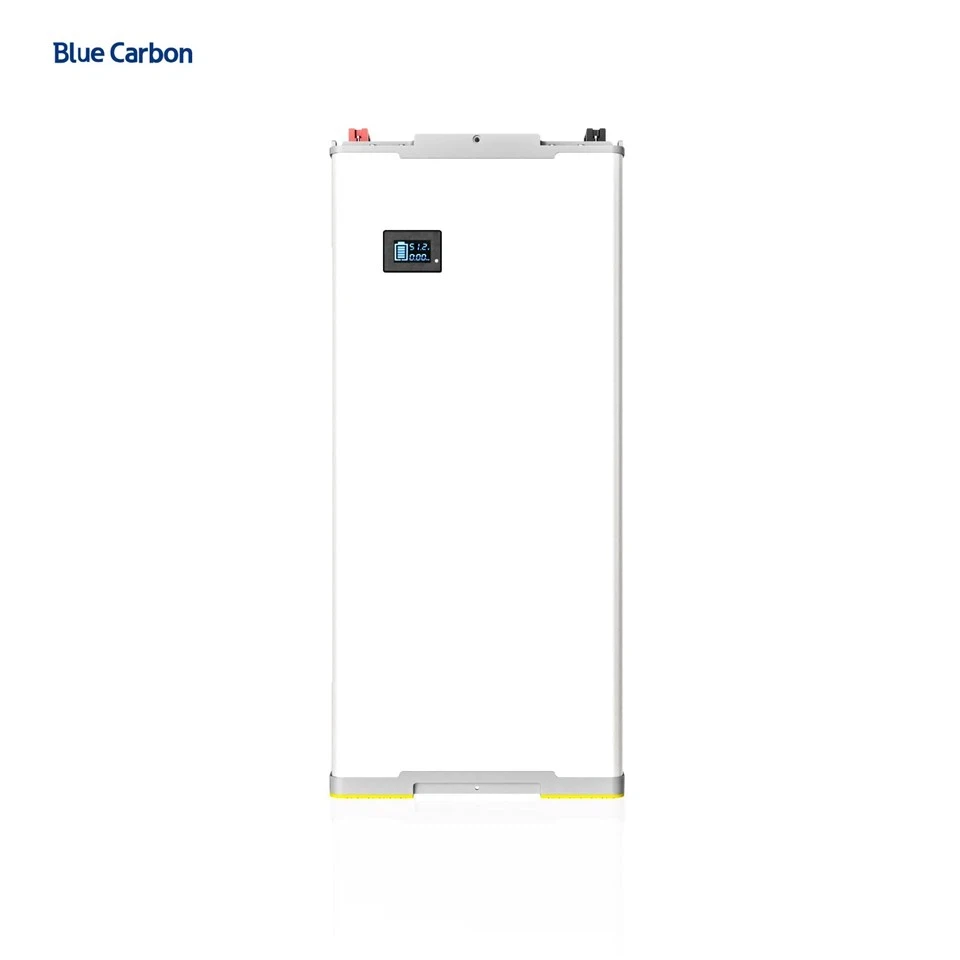
3: Inspect Battery Status
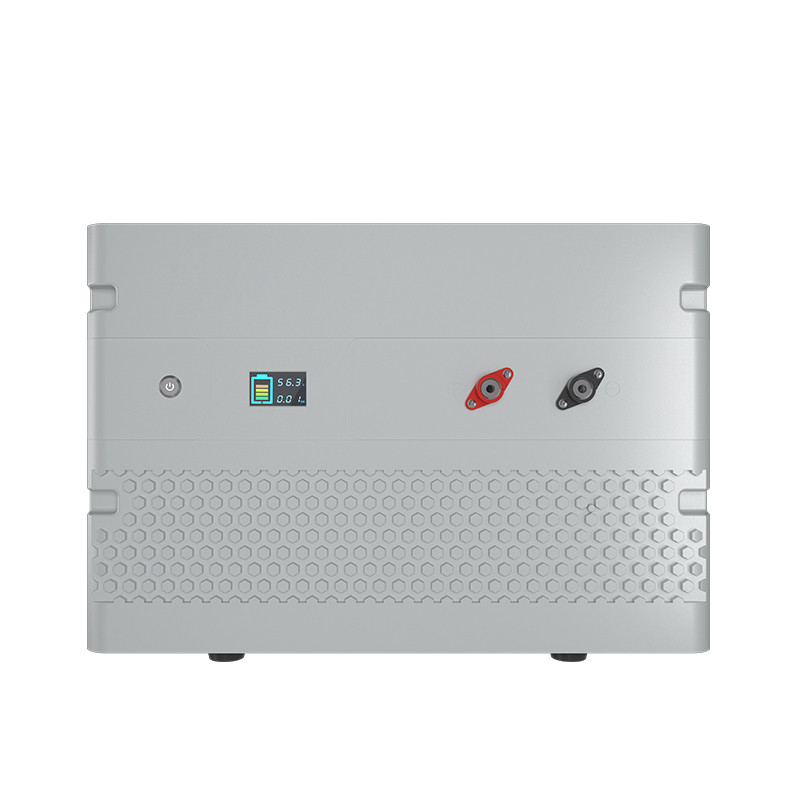
Battery-related issues are among the
most frequent causes of system shutdown.
Check for:
- Extremely low charge level
- Battery protection mode activation
- Loose terminals
- Visible physical damage
If the battery is fully discharged,
allow solar charging to resume once sunlight is available. Avoid attempting
manual resets without guidance.
High-quality lithium batteries
typically include intelligent battery management systems that shut down power
output to protect internal cells.
Step
4: Verify Circuit Breakers and Isolators
Sometimes the issue is as simple as
a tripped breaker.
Check:
- AC distribution board breakers
- Solar isolator switches
- Battery protection switches
- Main disconnect switch
If a breaker has tripped:
- Reset it once
- Observe if it trips again
Repeated tripping indicates a deeper
issue that requires professional inspection.
Step
5: Reduce Load Demand
Overloading the system can trigger
automatic shutdowns.
Temporarily disconnect:
- Air conditioners
- Water heaters
- Industrial equipment
- High-power kitchen appliances
Restarting the system with lighter
loads can confirm whether overload caused the shutdown.
Load management is critical for
system longevity and consistent performance.
Step
6: Check Environmental Conditions
External factors sometimes cause
shutdowns.
Possible triggers include:
- Extreme inverter overheating
- Poor ventilation around equipment
- Heavy dust buildup
- Storm damage
Ensure:
- Inverter ventilation is unobstructed
- Installation area is clean
- Cooling airflow is adequate
Proper environment management
extends equipment lifespan.
Step
7: Perform a Safe System Restart
If no obvious damage is present, a
controlled restart may restore functionality.
General restart sequence:
- Turn off loads
- Switch off inverter
- Wait a few minutes
- Turn inverter back on
- Gradually reconnect loads
Always follow manufacturer-specific
restart procedures.
Step
8: Contact Your Solar Installer or Technician
If the system does not recover,
professional assistance is necessary.
Call your installer if you notice:
- Persistent error codes
- Burning smells
- Physical damage
- Battery swelling
- Continuous shutdown cycles
Certified technicians have tools and
expertise to diagnose issues safely.
Preventing
Future Shutdowns
Proactive maintenance reduces
unexpected interruptions.
Recommended practices:
- Regular system inspections
- Load calculation updates
- Firmware updates where applicable
- Cleaning solar panels
- Monitoring system performance
Quality installation and premium
components significantly reduce shutdown frequency.
The
Importance of Quality Components
A well-built solar system with
high-quality batteries, panels, and inverters is less prone to unexpected
failures. Advanced battery management systems, intelligent inverter protections,
and durable panel construction improve reliability.
Investing in dependable equipment
ensures:
- Stable energy supply
- Longer service life
- Reduced maintenance cost
- Greater operational confidence
Reliability begins with choosing
trusted solar solutions.
Conclusion
A solar system shutdown doesn’t
necessarily indicate major failure. In many cases, it is a protective response
designed to safeguard your investment. By staying calm, checking key
components, and following structured troubleshooting steps, most issues can be
identified quickly and safely.
Understanding these steps empowers
users to respond effectively while avoiding risky actions that could worsen the
situation. When in doubt, always rely on professional support -it ensures
safety, system integrity, and peace of mind.
Solar energy remains one of the most
reliable power solutions available, and with proper care and attention, your
system will continue delivering dependable performance for years to come.
Recent Posts
Why Blue Carbon Lithium Batteries Are Built for Long Life and Strong Performance
Why Blue Carbon Is the Best Lithium Battery Brand in Nigeria in 2026
Why Blue Carbon Has the Best After-Sales Support in Nigeria's Solar Energy Market