
Components Explained: What is a Solar Inverter and Why Do You Need One?

Solar energy
systems are becoming increasingly popular among homeowners and businesses
seeking reliable, cost-effective, and environmentally friendly power solutions.
While solar panels often receive the most attention, they are only one part of
a complete solar power system. One of the most critical components -and
arguably the brain of the system -is the solar inverter.
In this
comprehensive guide, we’ll explain what a solar inverter is, how it works, the
different types available, and why you absolutely need one in your solar power
setup. Whether you're planning a residential installation or a large commercial
solar project, understanding the role of a solar inverter will help you make
informed decisions.
What Is a
Solar Inverter?
A solar
inverter is an essential device in any solar power system that converts direct
current (DC) electricity generated by solar panels into alternating
current (AC) electricity used by homes, offices, and industrial equipment.
Solar panels
naturally produce DC electricity when sunlight hits the photovoltaic (PV)
cells. However, most appliances, lighting systems, and machinery operate on AC
power. Without an inverter, the electricity produced by your solar panels would
not be usable for everyday applications.
In simple
terms:
- Solar panels = Generate DC power
- Solar inverter = Converts DC to
usable AC power
- Appliances = Use AC power
Without a
solar inverter, your solar system cannot function effectively.
How Does
a Solar Inverter Work?
Understanding
how a solar inverter works can help you appreciate its importance. Here’s a
simplified breakdown:
1.
Solar panels absorb sunlight and generate DC electricity.
2.
The
DC electricity flows to the inverter.
3.
The
inverter uses electronic circuits to convert DC into AC.
4.
The
converted AC electricity is distributed to your electrical panel.
5.
The
power is used by appliances, equipment, or exported to the grid (if grid-tied).
Modern solar
inverters do much more than just convert electricity. They also:
- Monitor system performance
- Optimize energy production
- Provide safety shutdown features
- Synchronize with the utility
grid
- Manage battery charging in
hybrid systems
This makes
the inverter the “control center” of the entire solar system.
Why Do
You Need a Solar Inverter?
1.
Converts Energy Into Usable Electricity
The most
obvious reason you need a solar inverter is power conversion. Without it, the
DC electricity produced by panels cannot run your appliances or machinery.
2.
Maximizes Energy Efficiency
Advanced
inverters use Maximum Power Point Tracking (MPPT) technology to ensure your
solar panels operate at peak efficiency. This means you get the highest
possible energy output under varying sunlight conditions.
3.
Ensures Safety
Solar
inverters include built-in safety mechanisms that:
- Shut down during electrical
faults
- Protect against overload
- Prevent reverse current flow
- Isolate the system during grid
outages (anti-islanding protection)
These
features protect your property and electrical equipment.
4.
Enables Grid Connection
If you’re
using a grid-tied solar system, the inverter synchronizes your solar energy
with the utility grid. It ensures the voltage and frequency match grid
standards before exporting power.
5.
Supports Battery Storage (Hybrid Systems)
In hybrid
and off-grid systems, inverters manage battery charging and discharging. They
determine when to store energy, when to use it, and when to draw from the grid
or generator.
Without a
compatible inverter, battery integration would not be possible.
Types of
Solar Inverters
Choosing the
right inverter depends on your system size, budget, and energy goals. Let’s
explore the main types.
1. String
Inverters
String
inverters are the most common type used in residential and small commercial
systems.
How they
work:
Multiple solar panels are connected in a “string” and feed power into one
central inverter.
Advantages:
- Cost-effective
- Easy to install
- Suitable for simple roof layouts
Disadvantages:
- Performance of entire string
affected by shading on one panel
2.
Microinverters
Microinverters
are installed on each individual solar panel.
How they
work:
Each panel has its own inverter, converting DC to AC at the panel level.
Advantages:
- Higher efficiency in shaded
areas
- Independent panel monitoring
- Increased system reliability
Disadvantages:
- Higher upfront cost
3. Hybrid
Inverters
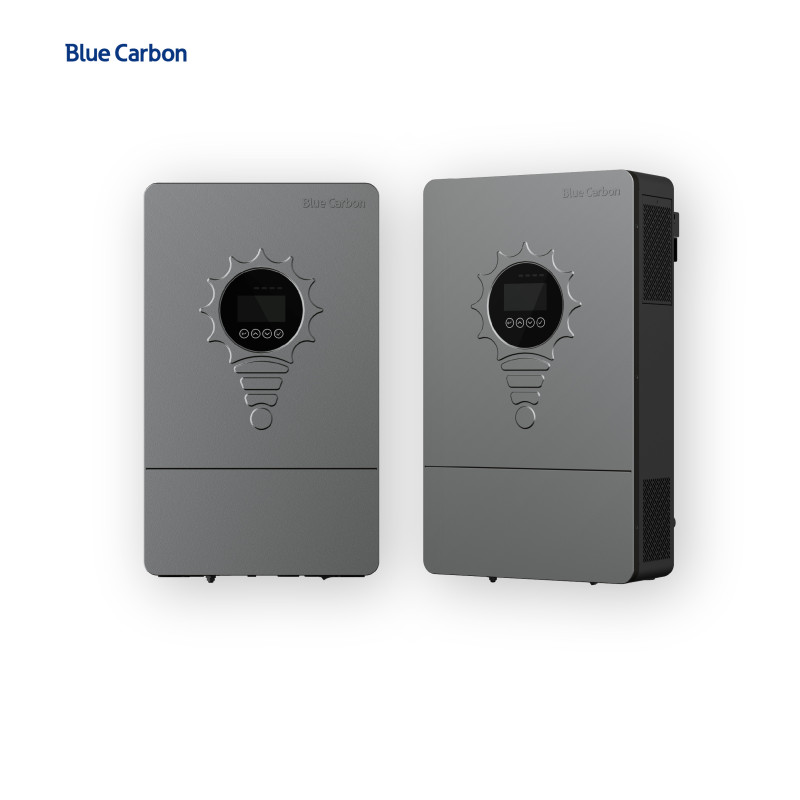
Hybrid
inverters combine solar conversion and battery management in one unit.
Advantages:
- Supports battery storage
- Smart energy management
- Ideal for areas with unstable
power supply
Hybrid
systems are becoming increasingly popular in regions with frequent grid
outages.
4.
Off-Grid Inverters
Designed for
locations without utility grid access, off-grid inverters work with battery
banks to supply continuous power.
Advantages:
- Energy independence
- Ideal for remote areas
- Generator compatibility
5.
Central Inverters
Commonly
used in large commercial or utility-scale projects, central inverters manage
large arrays of solar panels.
Advantages:
- Efficient for large
installations
- Lower cost per watt for utility
projects
Key
Features to Look for in a Solar Inverter
When
selecting an inverter, consider the following:
1.
Efficiency Rating
Look for
inverters with efficiency ratings above 95%. Higher efficiency means less
energy loss during conversion.
2.
Warranty
Quality
inverters typically come with 5-10 year warranties, extendable up to 15-25
years.
3.
Monitoring Capabilities
Smart
monitoring allows you to track system performance via mobile apps or web
platforms.
4.
Compatibility
Ensure the
inverter is compatible with:
- Your solar panel capacity
- Battery system (if applicable)
- Grid regulations
5.
Scalability
Choose an
inverter that allows for future expansion if you plan to increase your solar
capacity.
Solar
Inverter Lifespan
Unlike solar
panels that may last 25-30 years, inverters typically last:
- 10-15 years for string inverters
- 20-25 years for microinverters
Regular
maintenance and proper installation can extend lifespan.
Signs You
May Need to Replace Your Inverter
Watch for
these warning signs:
- Frequent system shutdowns
- Error codes on display
- Reduced energy production
- Overheating issues
- Strange noises
If your
solar panels are functioning but energy output drops significantly, the
inverter may be the issue.
The Role
of Solar Inverters in Commercial Systems
In
commercial solar installations, inverters play an even more strategic role:
- Manage high-capacity power loads
- Enable peak shaving
- Integrate with backup generators
- Support battery energy storage
systems (BESS)
- Provide real-time energy
analytics
Businesses
rely on reliable inverter technology to ensure operational continuity and
maximize ROI.
Are Solar
Inverters Expensive?
The cost of
a solar inverter depends on:
- System size
- Type of inverter
- Brand and efficiency rating
- Battery compatibility
Although
inverters represent a significant portion of solar system cost, they are
essential and deliver long-term value through optimized energy output.
Conclusion:
The Heart of Your Solar System
A solar
inverter is not just an accessory -it is the heart and brain of your solar
power system. It converts electricity, ensures safety, manages performance,
supports battery storage, and enables grid interaction.
Without a
solar inverter, your solar panels cannot power your home or business.
When
designing a solar energy system, choosing the right inverter is just as
important as selecting high-quality panels. By understanding how inverters work
and the types available, you can make smarter investment decisions and ensure
long-term performance and reliability.
If you are considering installing a solar system, consult with a professional installer to determine the best inverter type for your energy needs.
Recent Posts
Why Blue Carbon Products Have the Best Quality in the Nigerian Market: Making Blue Carbon the Most Preferred Choice
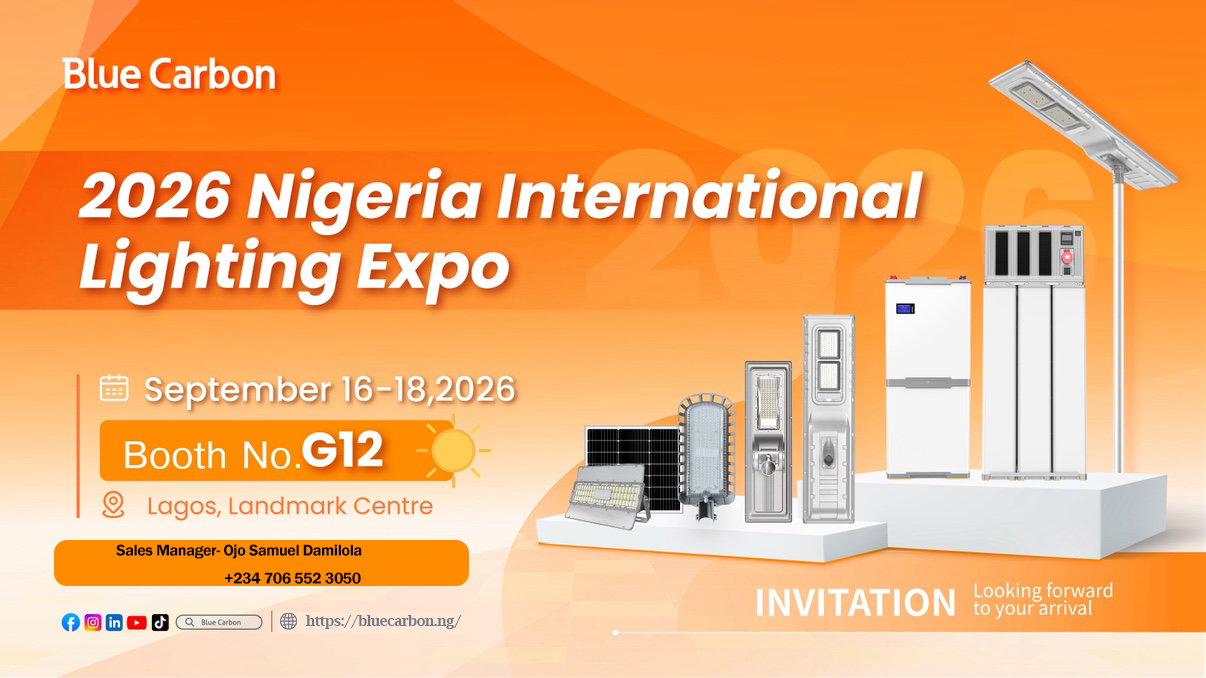
Blue Carbon Invites You to the 2026 Nigeria International Lighting Expo - September 16 - 18, 2026
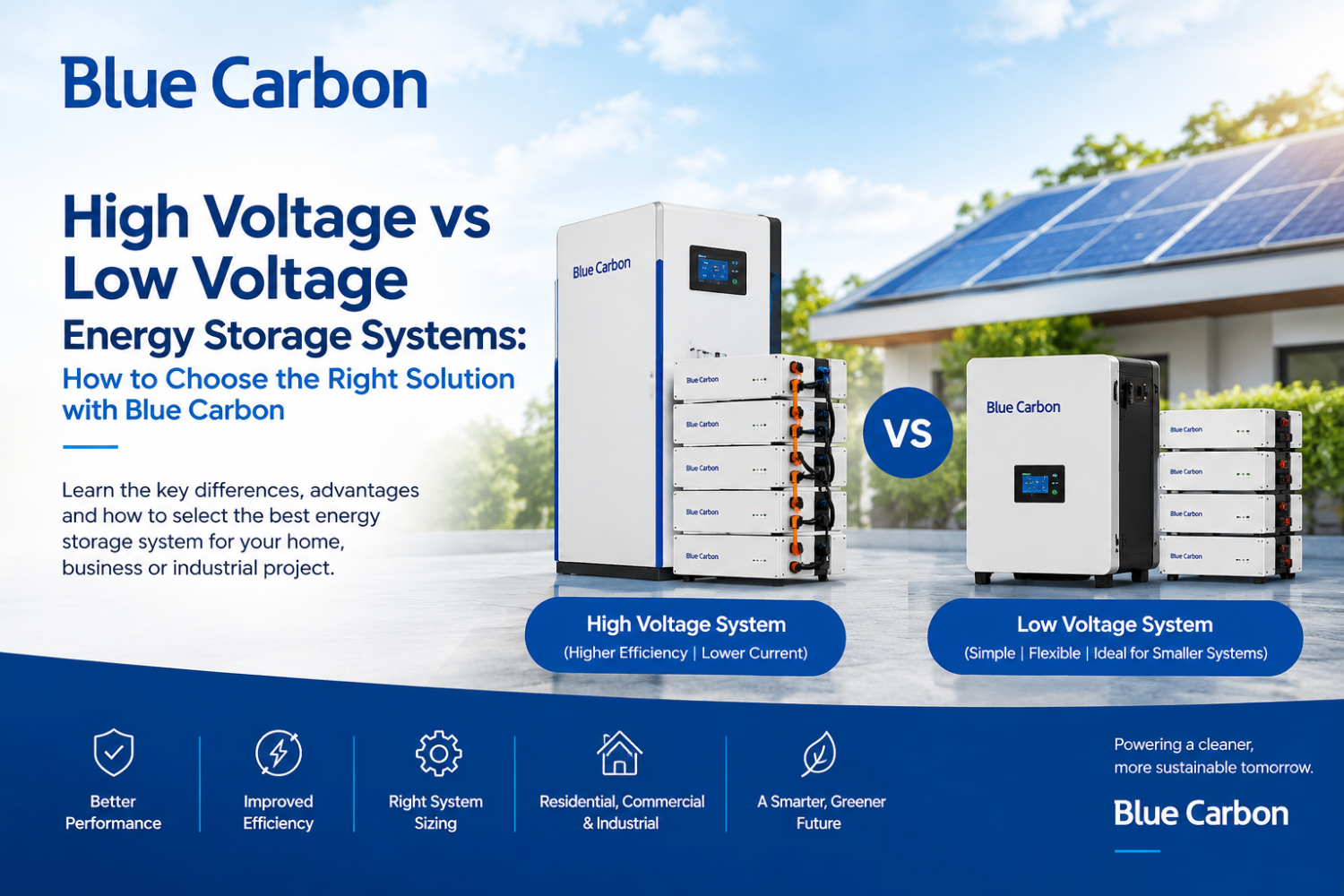
High Voltage vs Low Voltage Energy Storage Systems: How to Choose the Right Solution with Blue Carbon
Register Your Blue Carbon Product for Warranty to Gain Access to Warranty Support