
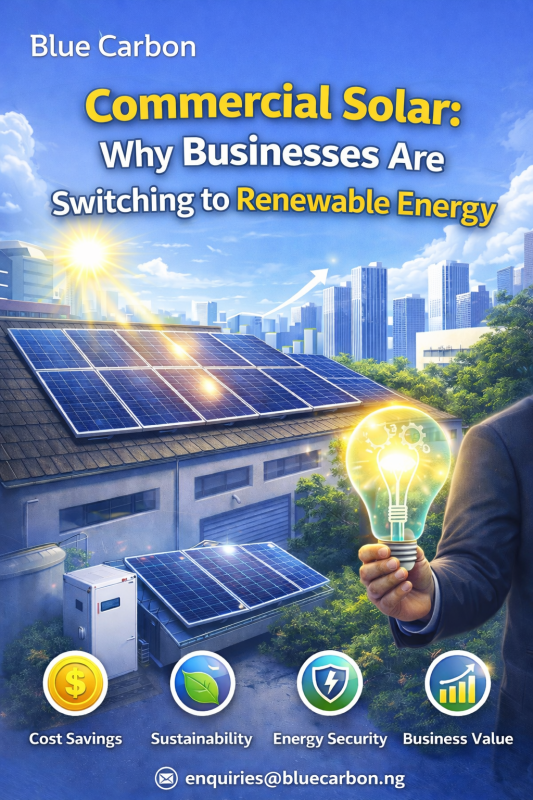
Commercial Solar: Why Businesses Are Switching to Renewable Energy
In today’s
competitive business environment, companies are constantly looking for ways to
reduce costs, improve operational efficiency, and enhance their brand image.
One of the most impactful and future-focused strategies gaining mainstream
adoption is commercial solar energy. Businesses of all sizes -from small
retail outlets to large industrial factories -are increasingly investing in
solar power solutions to achieve long-term economic and environmental benefits.
Commercial
solar installations are no longer a niche choice. They have become a smart
business decision that directly influences the bottom line, corporate
responsibility goals, and long-term sustainability strategies.
In this
detailed SEO-optimized blog post, we explore why businesses are switching to
renewable energy, with a focus on commercial solar systems, and why this trend
is expected to continue accelerating in the years ahead.
1. Rising
Energy Costs: A Driving Force for Solar Adoption
One of the
most compelling reasons businesses turn to solar is rising electricity costs.
Utility tariffs continue to increase due to fuel price fluctuations,
infrastructure costs, and economic pressures. Many businesses operate during
peak tariff periods, which significantly raises overhead expenses.
By
generating electricity on-site with solar panels, organizations can:
- Reduce monthly electricity bills
- Stabilize operating costs
- Protect themselves from future
tariff hikes
Solar
installations allow companies to generate power at a fixed cost, resulting in
improved financial predictability over the lifetime of the system.
2. Solar
Offers a Strong Return on Investment (ROI)
While solar
systems require an upfront capital investment, the long-term financial gains
are substantial. Commercial solar projects often deliver:
- Payback periods between 3–7
years
- Significant savings over 15–25+
years
- Increased property value
- Tax incentives or accelerated
depreciation (where available)
When
combined with reduced monthly utility expenses, the lifetime savings often
exceed the initial cost of installation multiple times, making solar a smart
financial strategy.
3.
Enhanced Brand Reputation and Corporate Social Responsibility
Today’s
consumers and stakeholders are more environmentally conscious than ever.
Businesses that demonstrate a commitment to sustainability and clean energy
boost their reputation and brand value.
Implementing
commercial solar sends a powerful message:
- You prioritize environmental
stewardship
- You care about community impact
- You support the global
transition to cleaner energy
This can
improve customer loyalty, attract green-focused investors, and strengthen
relationships with partners who value sustainability.
4. Energy
Security and Business Continuity
Many
commercial operations can’t tolerate frequent power interruptions. Data
centers, manufacturing plants, retail showrooms, and healthcare facilities rely
on uninterrupted power to operate effectively.
Commercial
solar systems -especially when paired with battery storage -provide:
- Reliable backup power during
outages
- Less dependence on fluctuating
grid reliability
- Reduced use of noisy, polluting
generators
In regions
with unstable grids, solar becomes a strategic solution for maintaining
operations during load shedding or power failures.
5. Solar
Technology Has Become More Affordable and Advanced
Commercial
solar is no longer limited to early adopters or high-budget organizations.
Technological advancements, increased manufacturing scale, and competitive
pricing have dramatically reduced the cost of solar components.
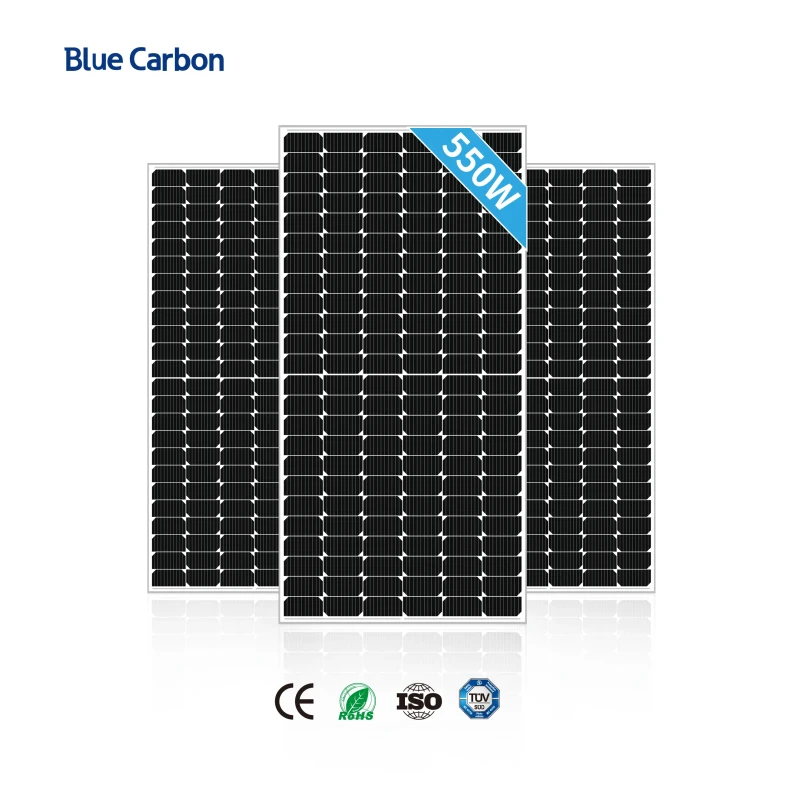
Today’s
solar panels are:
- More efficient (higher wattage
per square meter)
- More durable (longer warranties
and lifespan)
- Better integrated with smart
energy management systems
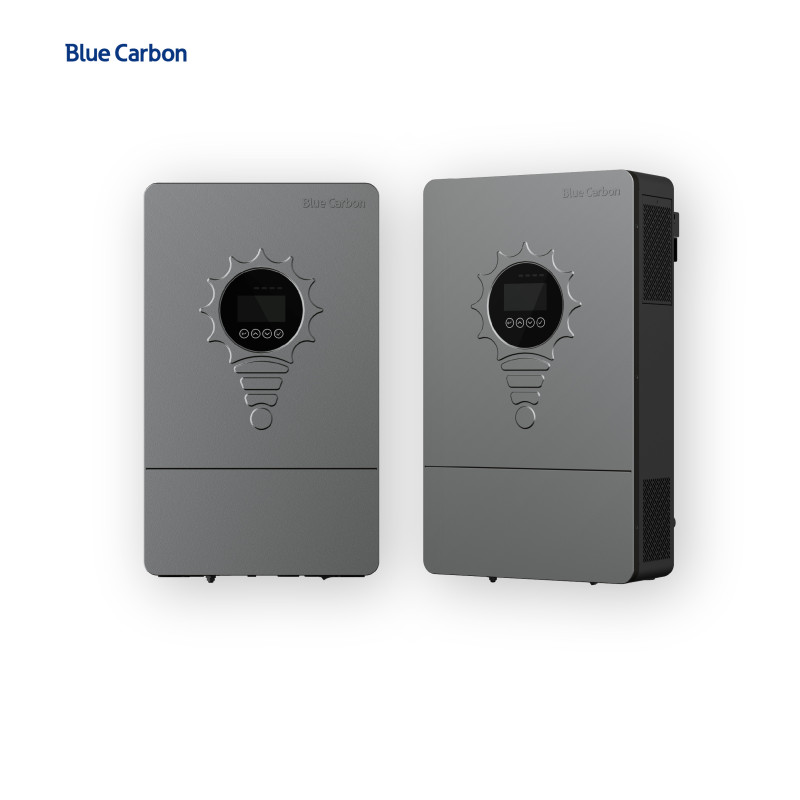
Hybrid
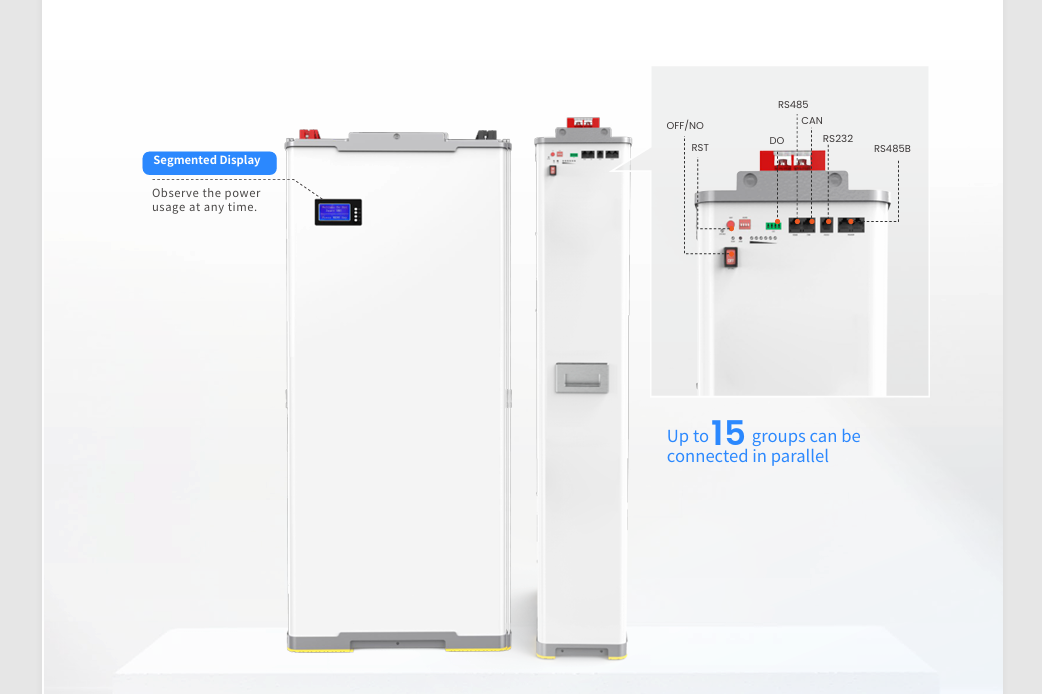
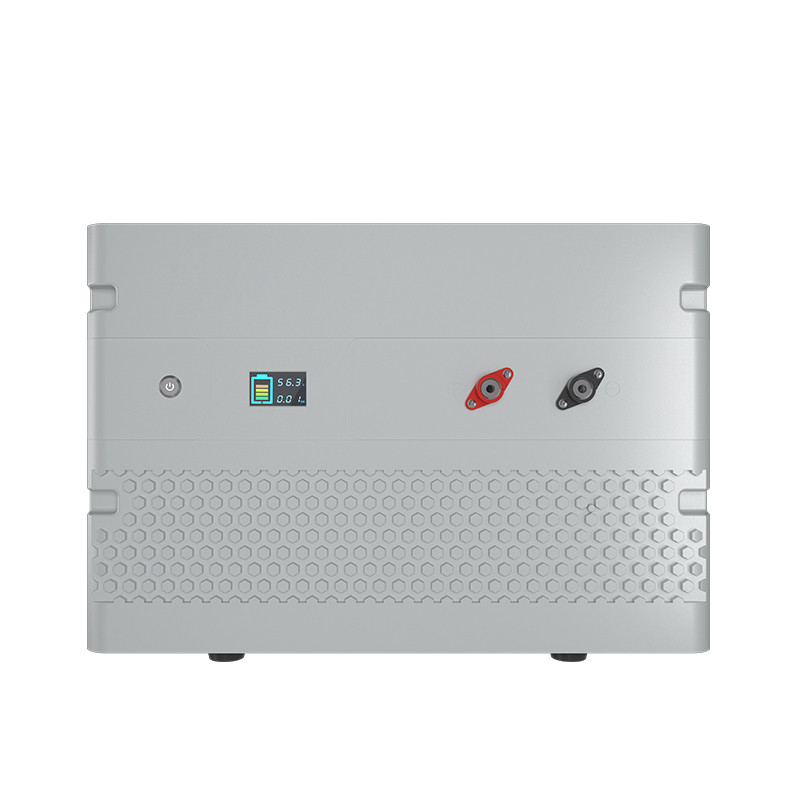
inverters, monitoring platforms, and advanced lithium battery storage systems
further enhance performance and reliability.
6.
Reduced Carbon Footprint and Environmental Impact
Businesses
are under increasing pressure to reduce greenhouse gas emissions and support
sustainability initiatives. Switching to renewable energy significantly cuts
carbon footprints.
Solar power
produces electricity without:
- Harmful emissions
- Dependency on fossil fuels
- Air and noise pollution
By embracing
solar, companies contribute to global climate goals while setting a positive
example within their industries.
7. Access
to Government Incentives and Support Programs
Across many
countries and regions, governments offer incentives to encourage renewable
energy adoption. These incentives may include:
- Tax credits or rebates
- Feed-in tariffs (payment for
excess energy exported to the grid)
- Grants or subsidized financing
- Accelerated depreciation
strategies
These
incentives can significantly lower the effective cost of solar installations
and improve return on investment.
8.
Scalable Solutions for Growing Power Needs
Commercial
solar systems are scalable. Whether a business needs a modest rooftop
installation or a large ground-mounted solar farm, systems can be tailored to
energy requirements.
Scalability
is ideal for:
- Retail store chains
- Factories and warehouses
- Hospitality and tourism
facilities
- Educational campuses
- Healthcare institutions
Scalable
systems allow for phased implementation -starting small and expanding as
needed.
9.
Improved Energy Efficiency and Monitoring
Modern
commercial solar systems integrate energy monitoring tools that provide
real-time performance data. Businesses can track:
- Energy production
- Energy savings
- System performance issues
- Load patterns
This data
empowers companies to optimize energy usage, identify inefficiencies, and make
data-driven decisions that improve operational performance.
10.
Mitigated Risk Against Future Power Price Volatility
Electricity
costs are influenced by global events, fuel price fluctuations, and
infrastructure constraints. By generating power using solar, businesses gain:
- Greater control over energy
costs
- Less exposure to external
pricing pressures
- Long-term cost stability
Solar acts
as a hedge against unpredictable energy markets.
11.
Community Leadership and Competitive Advantage
Businesses
that adopt solar often position themselves as leaders within their communities.
This competitive advantage includes:
- Greater appeal to eco-conscious
consumers
- Enhanced investor confidence
- Recognition in sustainability
reporting
- Stronger recruitment appeal for
environmentally minded talent
Solar
adoption becomes a differentiator in markets where sustainability matters.
12.
Longevity and Low Maintenance
Commercial
solar systems are designed for durability. High-quality solar panels and
components often come with warranties of 25 years or more, and low
maintenance requirements compared to traditional energy systems.
Typical
maintenance includes:
- Annual performance checks
- Occasional panel cleaning
- Monitoring system health
With minimal
ongoing costs, solar becomes an increasingly valuable asset over time.
13.
Combining Solar With Battery Storage
Pairing
solar with battery storage creates a powerful energy system that delivers:
- Peak shaving (reduces peak
demand charges)
- Time-of-use optimization
- Backup power
- Increased self-consumption of
solar energy
Battery
storage enhances reliability and further reduces dependence on utility power.
Conclusion:
The Smart Choice for Modern Businesses
Commercial
solar energy is no longer a futuristic concept -it is a practical, affordable,
and strategic choice for businesses of all sizes that want to reduce costs,
enhance sustainability, and improve operational resilience.
From
financial savings and energy independence to enhanced brand reputation and
reduced environmental impact, the benefits of solar are clear. Companies that
adopt solar today are investing in a cleaner, more secure energy future -and
gaining a competitive advantage in the process.
The shift
toward renewable energy is real, measurable, and impactful. If your business
hasn’t considered solar yet, now is the time.
Recent Posts
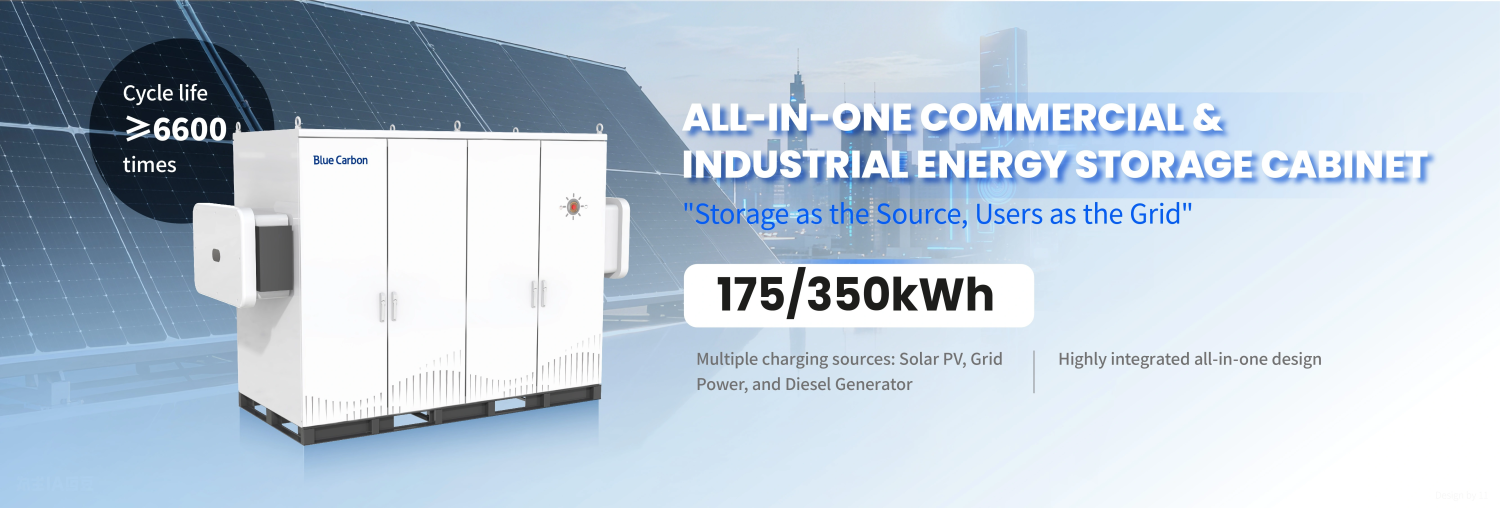
Why Blue Carbon Products Have the Best Quality in the Nigerian Market: Making Blue Carbon the Most Preferred Choice
Blue Carbon Invites You to the 2026 Nigeria International Lighting Expo - September 16 - 18, 2026
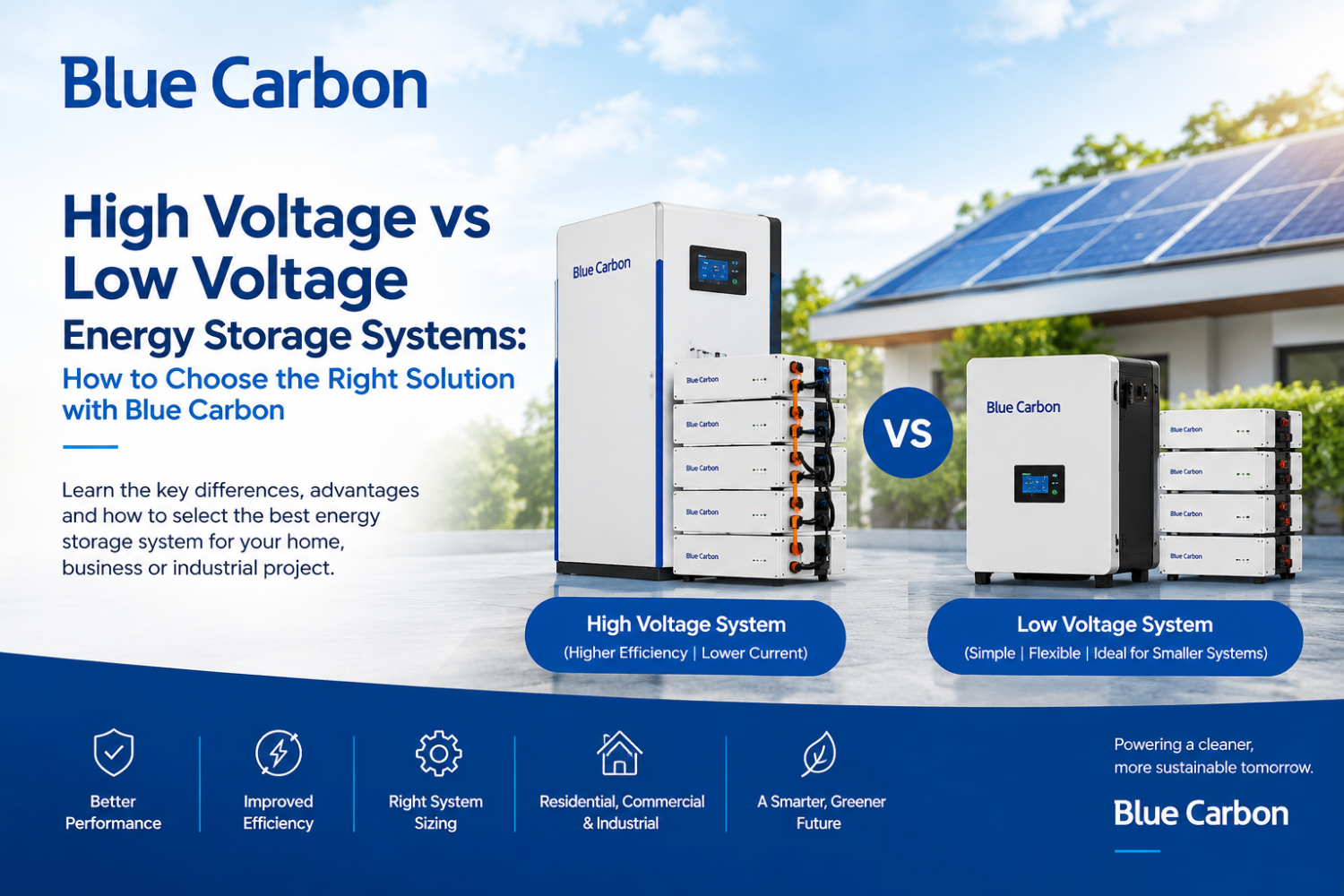
High Voltage vs Low Voltage Energy Storage Systems: How to Choose the Right Solution with Blue Carbon
Register Your Blue Carbon Product for Warranty to Gain Access to Warranty Support