
What to Do When You Observe Your Lithium Battery Always Drains Faster
Lithium batteries have become the backbone of modern solar energy systems, powering homes, businesses, and industrial operations across Nigeria. Their efficiency, durability, and long lifespan make them superior to traditional lead-acid batteries. However, users sometimes experience a situation where their lithium battery appears to drain faster than expected. This can be frustrating and may raise concerns about performance, installation quality, or system sizing.
Understanding why lithium batteries
discharge quickly -and knowing what to do about it -is essential for
maintaining optimal performance. Whether you are using a solar setup for
residential, commercial, or industrial purposes, addressing this issue early
ensures energy reliability and protects your investment.
In this guide, we’ll explore the
possible causes of rapid battery drainage, actionable solutions, and best
practices for maintaining lithium battery efficiency.
Understanding
Lithium Battery Performance
Lithium batteries, particularly
LiFePO₄ models commonly used in solar installations, are designed to provide:
- Stable voltage output
- High depth of discharge
- Long cycle life
- Faster charging capability
- Low maintenance requirements
Despite these advantages, external
factors such as system design, environmental conditions, or usage patterns can
influence discharge rates. When a lithium battery drains faster than normal, it
does not automatically indicate poor quality -it often signals an imbalance
within the energy system.
Common
Reasons Lithium Batteries Drain Faster
1.
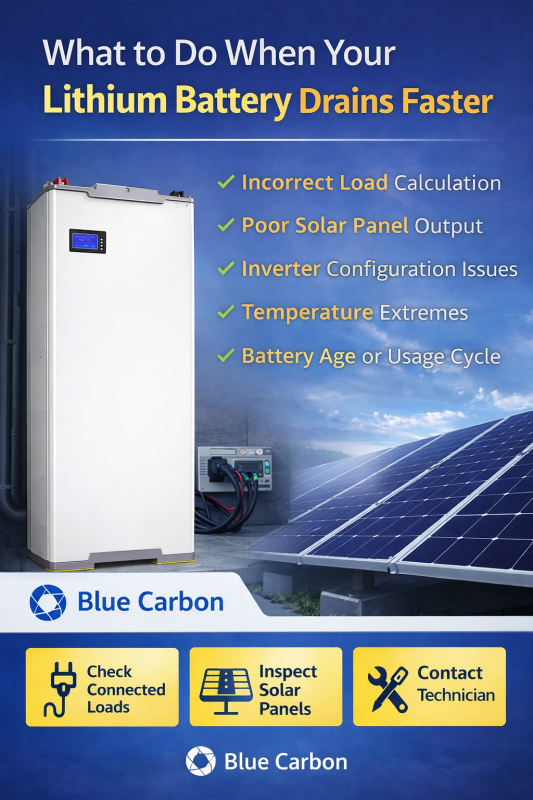
Incorrect Load Calculation
One of the leading causes of rapid
battery discharge is inaccurate load assessment before installation. If the
connected appliances demand more power than the system was designed to support,
the battery will deplete quickly.
Solution:
Conduct a professional load calculation to ensure system capacity aligns with
energy consumption.
2.
Increased Energy Consumption
As households or businesses expand
operations, additional devices or equipment may be connected to the system
without upgrading capacity.
Examples include:
- Adding air conditioners
- Installing new machinery
- Extending lighting systems
Solution:
Review your energy usage regularly and scale system capacity accordingly.
3.
Poor Solar Panel Output
Lithium batteries depend on solar
panels for charging. If panels are underperforming due to shading, dirt, or
poor quality, batteries may not reach full charge.
Solution:
- Clean panels regularly
- Ensure optimal installation angle
- Use high-efficiency panels
- Inspect wiring and connections
4.
Inverter Configuration Issues
Improper inverter settings can lead
to inefficient charging or unnecessary discharge.
Solution:
Have a certified technician check inverter configurations, including:
- Charging voltage settings
- Cut-off levels
- System calibration
5.
Temperature Extremes
Lithium batteries perform best
within recommended temperature ranges. Excessive heat or cold can affect
efficiency and discharge rates.
Solution:
- Install batteries in ventilated indoor spaces
- Avoid direct sunlight exposure
- Maintain controlled environmental conditions
6.
Battery Age or Usage Cycle
Although lithium batteries last many
years, performance may gradually decline after extensive cycling.
Solution:
Monitor battery health through system diagnostics and consider professional
evaluation if degradation is suspected.
7.
Inadequate System Sizing
Installing a battery bank that is
too small for the required application can result in frequent deep discharges.
Solution:
Upgrade storage capacity or integrate additional battery units.
Immediate
Actions to Take When You Notice Fast Drainage
If you observe unusual battery
behavior, follow these steps:
- Check connected loads
-identify new or high-power appliances
- Inspect solar panels
-ensure they are clean and unobstructed
- Review inverter readings -look for warning indicators
- Monitor charging patterns -confirm full charging cycles
- Contact professionals
-schedule system diagnostics
Prompt action prevents long-term
efficiency loss and system downtime.
Preventive
Maintenance Tips
Maintaining lithium battery
efficiency requires consistent attention to system health:
- Schedule routine inspections
- Keep panels clean and unobstructed
- Maintain proper ventilation
- Monitor usage trends
- Avoid overloading the system
Preventive care ensures stable
performance and extends battery lifespan.
Why
Quality Lithium Batteries Matter
Not all lithium batteries perform
equally. Premium manufacturers emphasize:
- High-grade cell selection
- Advanced battery management systems
- Safety protections
- Durability under demanding conditions
Using high-quality batteries reduces
risks of premature drainage and enhances reliability across residential and
industrial applications.
Optimizing
Your Solar Energy Investment
Solar energy systems represent
long-term infrastructure investments. Optimizing performance means:
- Choosing reliable components
- Ensuring professional installation
- Monitoring system behavior
- Scaling as needs evolve
Lithium batteries play a central
role in energy stability, and addressing discharge issues promptly safeguards
productivity and comfort.
Final
Thoughts
Experiencing rapid lithium battery
drainage does not necessarily signal failure -it often indicates system
imbalance or environmental influence. By identifying root causes such as load
miscalculations, panel inefficiencies, or configuration issues, users can
restore optimal performance.
Regular monitoring, maintenance, and
system upgrades ensure energy independence and maximize solar investment value.
With proper care and quality components, lithium batteries remain one of the
most dependable energy storage solutions available today.
Recent Posts
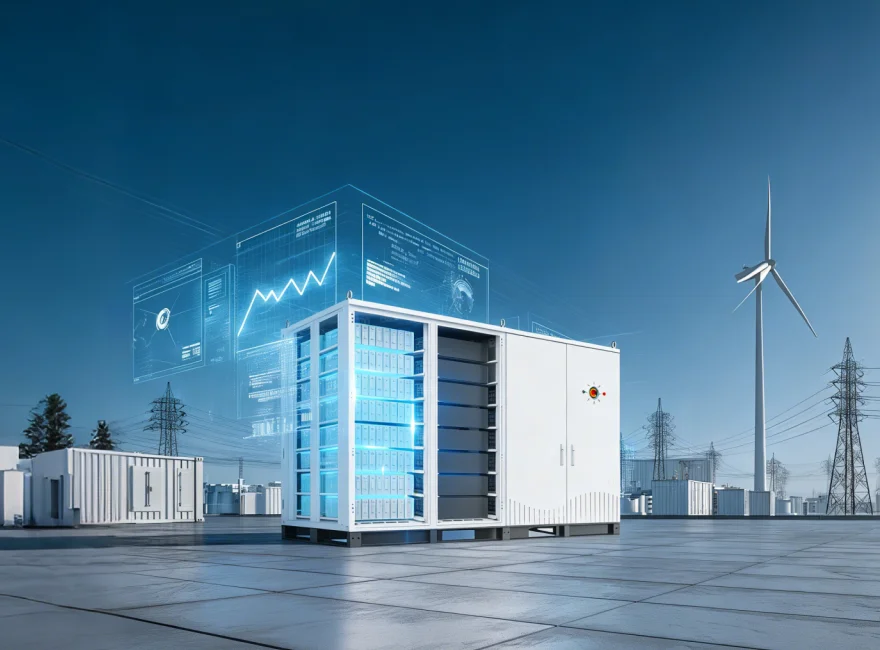
High Voltage vs Low Voltage Energy Storage Systems: How to Choose the Right Solution with Blue Carbon
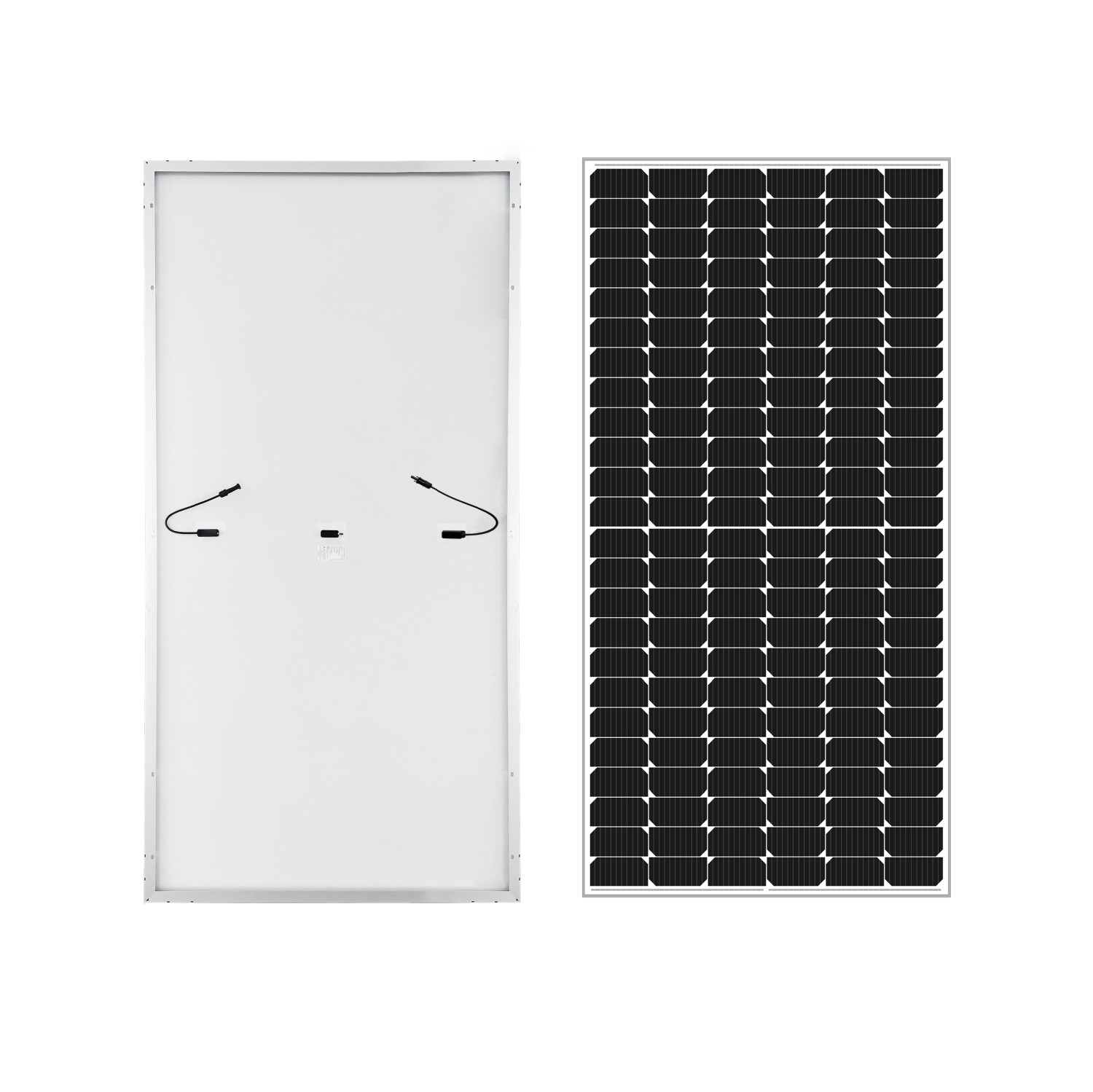
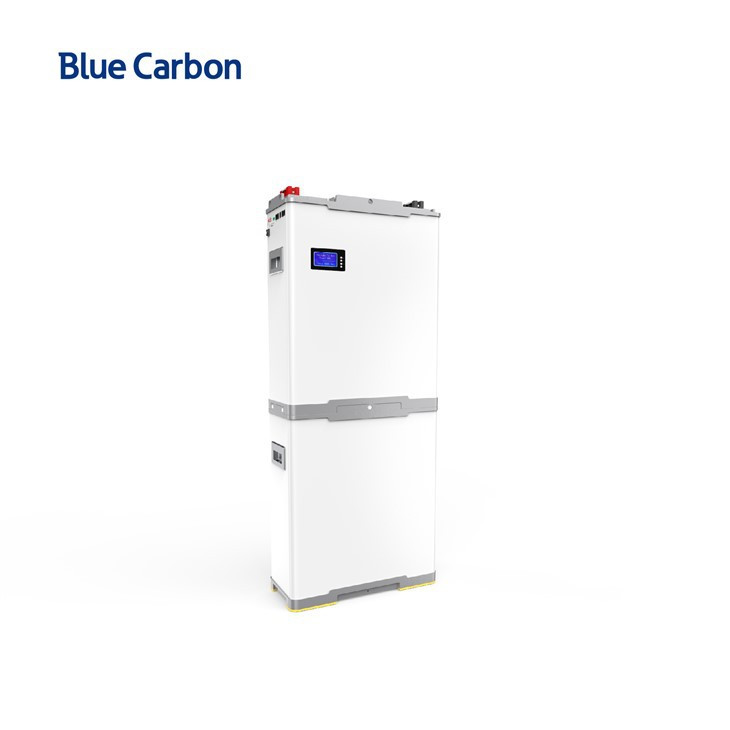
Register Your Blue Carbon Product for Warranty to Gain Access to Warranty Support
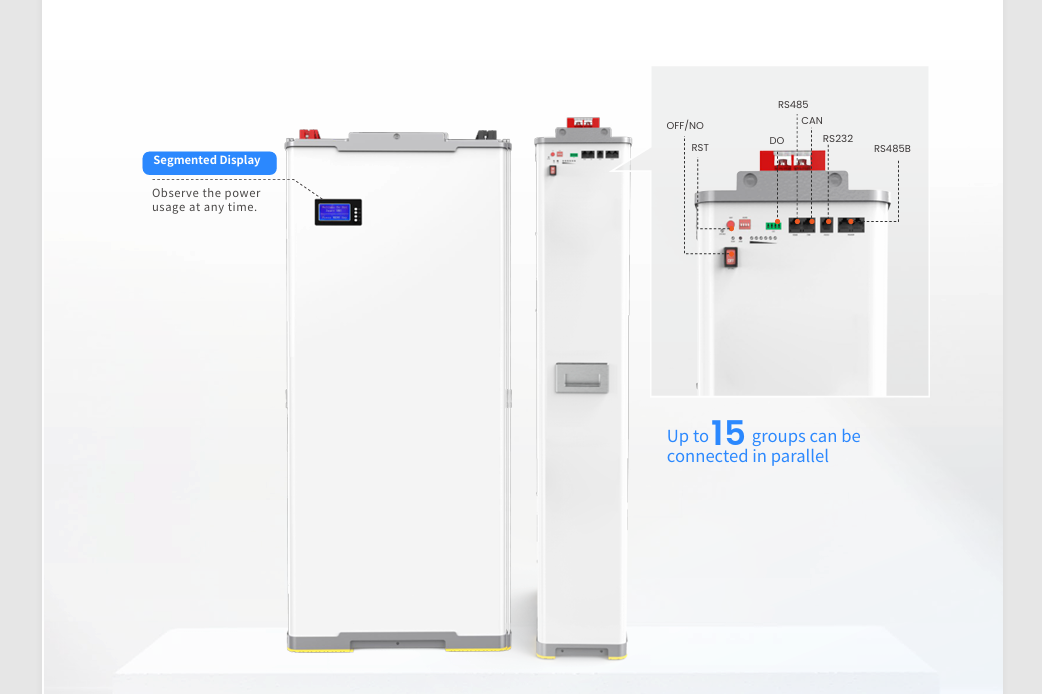
Blue Carbon Lithium Batteries: New Arrival with Smart BMS Specially Designed to Give Our Customers the Best Experience
How to Manage Your Solar System During the Rainy Season to Increase Backup Time
LiFePO₄ vs NMC Batteries: Which Is Better for Energy Storage Projects?