
Life Span of a Lithium Battery vs Lead Acid Battery: Benefits and Durability Compared
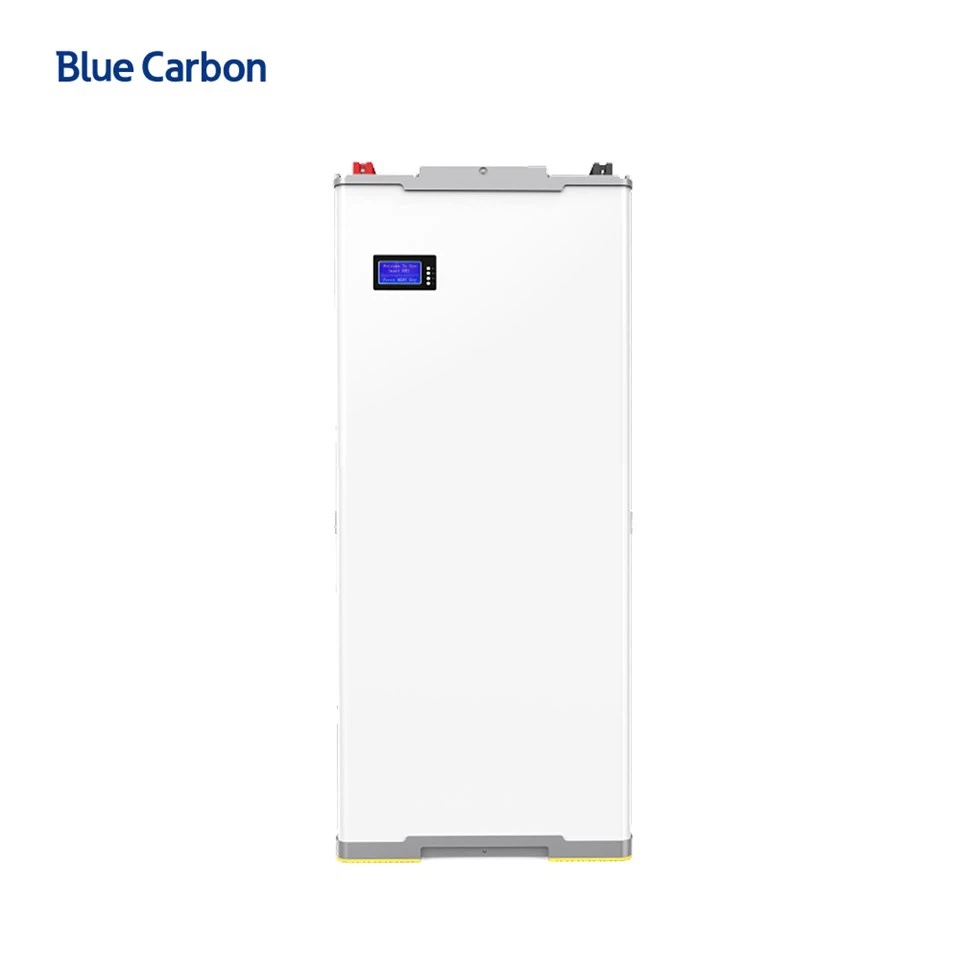
When investing in a solar power system, inverter backup, or energy storage solution, one of the most important decisions you will make is choosing the right battery type. Two of the most common options available today are Lithium batteries and Lead Acid batteries.
While both
technologies serve the purpose of storing energy, they differ significantly in
terms of life span, durability, efficiency, maintenance requirements, and
long-term value.
In this
detailed guide, we will break down:
- The life span of lithium vs lead
acid batteries
- How durability compares in
real-world use
- Benefits of each battery type
- Cost implications over time
- Which option is best for solar
installations and backup systems
If you're
planning to power your home or business efficiently, this comparison will help
you make an informed decision.
Understanding
Battery Life Span
Battery life
span refers to how long a battery can function effectively before its capacity
significantly degrades. It is commonly measured in:
- Years of service
- Charge cycles (cycle life)
A charge
cycle refers to one full discharge and recharge of a battery.
Life Span
of Lead Acid Batteries
Lead acid
batteries have been around for over 150 years and are widely used in automotive
and backup systems. There are different types, including:
- Flooded Lead Acid (FLA)
- Absorbent Glass Mat (AGM)
- Gel batteries
Average
Life Span
- 2-5 years under normal conditions
- 300-500 cycles at 50% depth of discharge (DOD)
Key
Characteristics
- Shorter cycle life
- Performance decreases with deep
discharges
- Sensitive to overcharging and
undercharging
- Requires regular maintenance
(for flooded types)
If regularly
discharged beyond recommended limits, the lifespan reduces drastically.
Life Span
of Lithium Batteries
Lithium
batteries (especially Lithium Iron Phosphate - LiFePO4) are modern energy
storage solutions designed for high efficiency and long-term durability.
Average
Life Span
- 8-15 years
- 2,000-6,000+ cycles depending on brand and usage
- Can safely operate at 80-90%
depth of discharge
This means
lithium batteries can last 4-10 times longer than lead acid batteries.
Comparing
Cycle Life: Lithium vs Lead Acid
|
Feature |
Lithium
Battery |
Lead
Acid Battery |
|
Average
Cycles |
2,000-6,000+ |
300-500 |
|
Depth of
Discharge |
80-90% |
50%
recommended |
|
Life Span |
8-15 years |
2-5 years |
|
Maintenance |
None |
Regular
(for flooded types) |
Clearly,
lithium batteries dominate in terms of life span and cycle durability.
Durability
Comparison
Durability
goes beyond just years of service. It includes how well a battery performs
under real-world conditions.
1.
Resistance to Deep Discharge
- Lithium batteries can handle deep discharge
without damage.
- Lead acid batteries degrade quickly when deeply
discharged.
This makes
lithium more suitable for solar systems where batteries discharge daily.
2.
Temperature Tolerance
- Lithium batteries handle
temperature variations better.
- Lead acid batteries lose
capacity in high heat and may freeze in extreme cold.
For regions
with hot climates, lithium batteries maintain more stable performance.
3.
Charging Speed
Lithium
batteries charge significantly faster than lead acid batteries.
- Lithium: 1-3 hours (depending on
capacity)
- Lead acid: 6-12 hours
Fast
charging improves system efficiency and reduces generator runtime.
4. Weight
and Design
Lithium
batteries are:
- Lighter
- More compact
- Easier to install
Lead acid
batteries are bulky and heavy, making installation more complex.
Efficiency
Differences
Efficiency
refers to how much stored energy you can actually use.
- Lithium battery efficiency: 95-98%
- Lead acid battery efficiency: 70-85%
This means
lithium batteries waste less energy during charging and discharging.
For solar
installations, this higher efficiency translates to:
- Better use of solar panel output
- Reduced energy loss
- Improved overall system
performance
Maintenance
Requirements
Lead Acid
Maintenance
Flooded lead
acid batteries require:
- Regular water top-up
- Terminal cleaning
- Ventilation to release gases
- Equalization charging
Neglecting
maintenance reduces lifespan significantly.
Lithium
Maintenance
Lithium
batteries:
- Require zero watering
- Have built-in Battery Management
Systems (BMS)
- Do not emit gases
- Require minimal monitoring
This makes
lithium safer and more convenient for residential and commercial use.
Safety
Comparison
Safety is
critical when choosing an energy storage solution.
Lead Acid
Risks
- Acid leakage
- Gas emission (hydrogen)
- Explosion risk in poor
ventilation
- Corrosion
Lithium
Safety Features
Modern
lithium batteries include:
- Battery Management System (BMS)
- Overcharge protection
- Over-discharge protection
- Short circuit protection
- Temperature monitoring
LiFePO4
batteries are especially known for being thermally stable and safe.
Long-Term
Cost Comparison
Many people
focus on the initial purchase cost.
Initial
Cost
- Lead acid batteries are cheaper
upfront.
- Lithium batteries cost more
initially.
However,
consider long-term replacement costs.
Example
Scenario (10 Years):
Lead acid
battery lifespan: 3 years average
In 10 years, you may replace it 3 times.
Lithium
battery lifespan: 10+ years
You may only buy once.
When you
calculate:
- Replacement cost
- Maintenance cost
- Efficiency loss
- Downtime
Lithium
often becomes more cost-effective over time.
Which
Battery Is Best for Solar Installations?
Solar
systems require batteries that:
- Handle daily cycling
- Support deep discharge
- Offer long service life
- Provide stable voltage
- Require minimal maintenance
Lithium
batteries meet all these criteria more effectively.
Lead acid
may still be suitable for:
- Small backup systems
- Low-budget installations
- Occasional-use applications
However, for
serious solar investments, lithium batteries offer superior durability and
performance.
Environmental
Impact
Lithium
batteries:
- Last longer (less waste)
- Are more energy efficient
- Require fewer replacements
Lead acid
batteries:
- Contain toxic lead and acid
- Require careful recycling
- Produce more waste due to
shorter lifespan
From an
environmental sustainability perspective, lithium is more eco-friendly in
long-term use.
When
Should You Choose Lead Acid?
Lead acid
may be suitable if:
- Budget is extremely limited
- System usage is minimal
- Backup is rarely needed
- Temporary installation
But it’s
important to understand the trade-offs in durability and lifespan.
When
Should You Choose Lithium?
Lithium is
ideal if:
- You want long-term investment
value
- You use solar daily
- You want low maintenance
- You prioritize safety
- You want maximum efficiency
For
businesses, hospitals, offices, and high-demand homes, lithium batteries are
the preferred option.
Final
Verdict: Lithium vs Lead Acid
When
comparing life span, durability, efficiency, safety, and long-term cost,
lithium batteries clearly outperform lead acid batteries.
Although the
upfront cost is higher, the long-term savings, reliability, and peace of mind
make lithium batteries a smarter investment for most modern solar and backup
power systems.
If you want:
- Longer battery life
- Higher efficiency
- Less maintenance
- Better safety
- Greater durability
Lithium
batteries are the superior choice.
Conclusion
Choosing
between lithium and lead acid batteries should not be based solely on price. It
should be based on:
- System demand
- Long-term value
- Safety considerations
- Maintenance expectations
- Efficiency goals
While lead
acid batteries have served the market for decades, lithium technology
represents the future of energy storage.
If you are
investing in a solar system or inverter solution, selecting the right battery
can determine the overall performance and reliability of your power system for
years to come.
Recent Posts
Why Blue Carbon Products Have the Best Quality in the Nigerian Market: Making Blue Carbon the Most Preferred Choice
Blue Carbon Invites You to the 2026 Nigeria International Lighting Expo - September 16 - 18, 2026

High Voltage vs Low Voltage Energy Storage Systems: How to Choose the Right Solution with Blue Carbon
Register Your Blue Carbon Product for Warranty to Gain Access to Warranty Support