15kWh Lithium Battery Price in Nigeria: What You Need to Know Before Buying
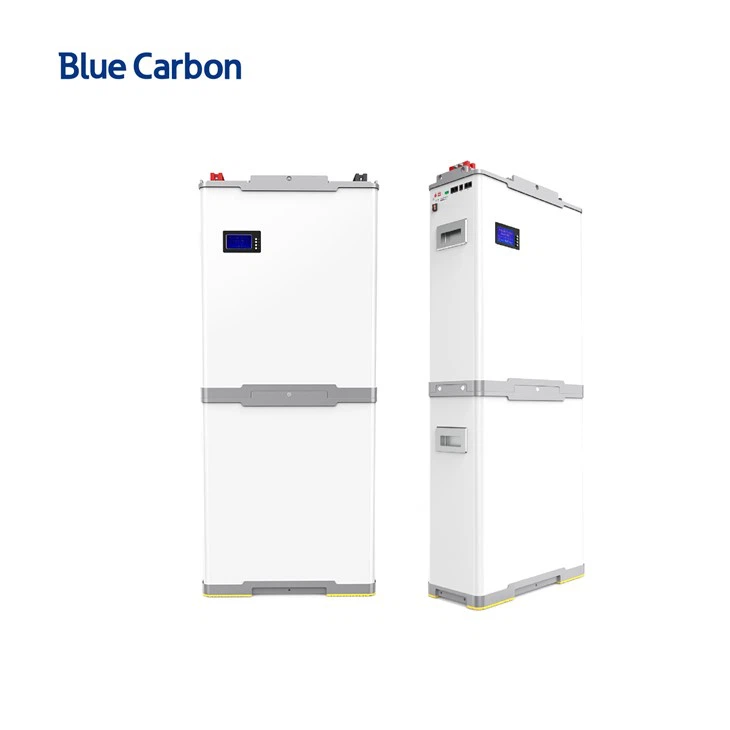
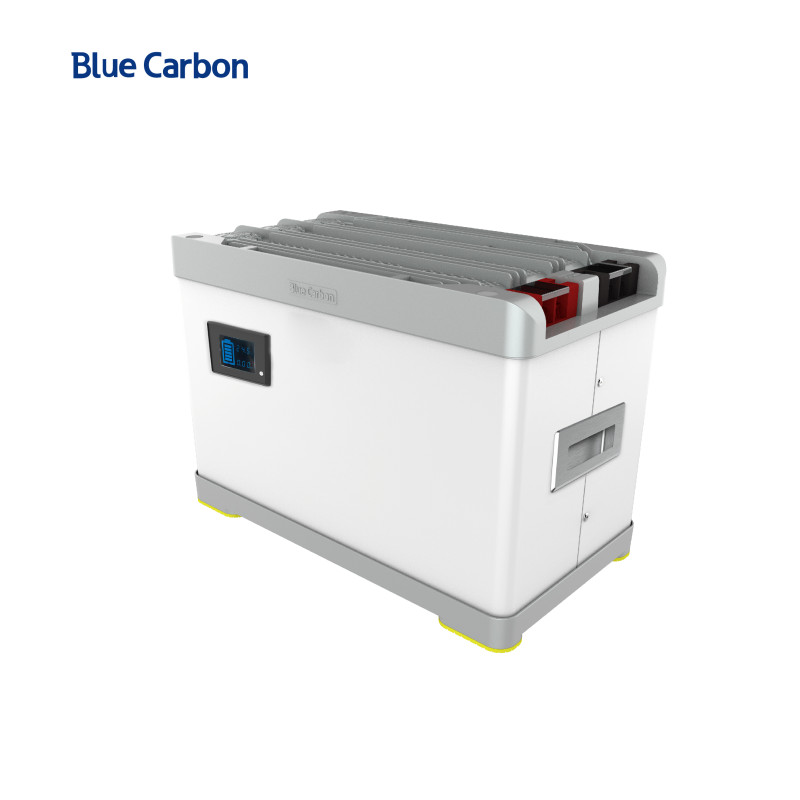
The demand for 15kWh lithium batteries in Nigeria is growing as more homes, businesses, offices, schools, healthcare facilities, and commercial operations look for reliable alternatives to diesel generators and unstable grid electricity. A 15kWh battery can provide substantial energy storage for a properly designed solar system, but price should not be the only factor to consider before buying.
When
comparing a 15kWh lithium battery, buyers need to look beyond the advertised
price and examine battery chemistry, cell quality, usable capacity, Battery
Management System (BMS), cycle life, warranty, inverter compatibility,
installation requirements, safety, and after-sales support.
This guide
explains what determines the 15kWh lithium battery price in Nigeria, how
to compare different batteries, what specifications matter, and what you should
check before making a purchase.
What Is a
15kWh Lithium Battery?
A 15kWh
lithium battery is an energy-storage system with a nominal energy capacity of
approximately 15 kilowatt-hours (kWh).
In simple
terms, 1kWh represents the ability to supply:
- 1,000 watts for approximately 1
hour
- 500 watts for approximately 2
hours
- 100 watts for approximately 10
hours
Actual
runtime depends on the battery's usable capacity, inverter efficiency, load
characteristics, battery-management settings, temperature, depth of discharge,
and other system factors.
For example,
a 15kWh battery could theoretically provide 5kW of energy for about 3 hours
before accounting for system losses and reserve capacity. In real
installations, the available runtime will vary.
This makes a
15kWh lithium battery suitable for many applications where users need
significantly more storage than a typical small residential battery bank.
How Much
Does a 15kWh Lithium Battery Cost in Nigeria?
There is no
single fixed price for every 15kWh lithium battery in Nigeria.
The price
can vary significantly depending on:
- Lithium chemistry
- Cell grade and quality
- Battery voltage
- Cell capacity
- BMS technology
- Maximum charge and discharge
current
- Usable capacity
- Cycle-life rating
- Communication capabilities
- Battery enclosure and
construction
- Warranty
- Brand
- Certification
- Importation and logistics costs
- Exchange-rate fluctuations
- Installation requirements
- Distributor or dealer margins
Therefore,
two batteries advertised as 15kWh lithium batteries can have
substantially different prices while also having significantly different
specifications and expected performance.
Instead of
asking only:
“How much
is a 15kWh lithium battery?”
a better
question is:
“What am
I getting for the price of this 15kWh lithium battery?”
That
distinction can help buyers avoid purchasing a battery based purely on the
cheapest quotation.
Why 15kWh
Lithium Battery Prices Differ in Nigeria
1.
Battery Chemistry
One of the
first things to check is the battery chemistry.
For solar
energy storage, Lithium Iron Phosphate (LiFePO₄) has become a popular
chemistry because of its combination of safety, cycle-life potential and
suitability for stationary energy storage.
Blue
Carbon's lithium battery offering focuses on LiFePO₄ technology, including
products designed for residential, commercial and industrial energy-storage
applications.
When
comparing products, don't simply compare the word "lithium."
Determine exactly what chemistry is being offered.
2. Cell
Quality Matters
The cells
are the core energy-storage components of a lithium battery.
A battery
may have an attractive advertised capacity, but the quality and consistency of
the cells can influence:
- Performance
- Capacity retention
- Cycle life
- Safety
- Charging behaviour
- Discharging behaviour
- Long-term reliability
Blue Carbon
emphasizes Grade A LiFePO₄ cells in its battery products and has
published information about selected models engineered for more than 6,000
charge-discharge cycles under recommended operating conditions.
This does
not mean every lithium battery on the Nigerian market will deliver the same
performance. Buyers should always ask for the manufacturer's specific
specifications and operating conditions.
3.
Battery Management System (BMS)
The Battery
Management System, commonly called the BMS, is one of the most important
components of a lithium battery.
A quality
BMS can monitor and manage parameters such as:
- Cell voltage
- Battery voltage
- Charging current
- Discharging current
- Temperature
- Over-voltage
- Under-voltage
- Over-current
- Short-circuit conditions
- Cell balancing
Some
advanced batteries can also communicate with compatible solar inverters.
This
communication can allow the inverter and battery to exchange important
information about battery status and operating limits.
Therefore,
when comparing a 15kWh lithium battery, ask:
What type
of BMS does it use?
What
protection functions are included?
Does it
communicate with my inverter?
Which
inverter brands and models are supported?
4. Usable
Capacity vs Nominal Capacity
A battery
advertised as 15kWh does not necessarily mean you should expect to use the
entire 15kWh under every operating condition.
Battery
manufacturers may specify a recommended depth of discharge (DoD).
For example,
if a battery has a nominal capacity of 15kWh and the recommended usable depth
is 90%, the practical usable energy would be approximately:
15kWh ×
90% = 13.5kWh
Actual
usable energy can vary depending on battery configuration, BMS settings,
temperature, discharge rate, inverter losses and manufacturer specifications.
This is why
buyers should ask for:
Nominal
capacity
and
Recommended
usable capacity
rather than
looking at the headline kWh figure alone.
5.
Battery Voltage
A 15kWh
battery can be configured in different ways.
Many solar
energy-storage systems use 48V-class batteries, while larger commercial
and industrial systems may use high-voltage battery configurations.
A nominal
15kWh battery may therefore have different electrical characteristics depending
on its design.
For example,
a simplified calculation for a 48V-class battery is:
Energy =
Voltage × Amp-hours
So:
48V ×
approximately 312.5Ah ≈ 15kWh
The actual
nominal voltage and capacity should always be taken from the manufacturer's
specification sheet.
Voltage is
particularly important because your inverter must be compatible with the
battery.
6.
Inverter Compatibility
Never
purchase a 15kWh lithium battery without checking whether it is compatible with
your inverter.
Compatibility
can involve:
- Battery voltage
- Charge voltage
- Maximum charge current
- Maximum discharge current
- BMS communication
- CAN communication
- RS485 communication
- Communication protocol
- Firmware
- Battery configuration
- Parallel operation
For example,
a battery may physically connect to an inverter but still not communicate
correctly with it.
A properly
designed system should ensure that the inverter and battery work together
within their specified operating parameters.
7. Cycle
Life
Another
important factor when comparing 15kWh lithium battery prices is cycle life.
A battery
cycle generally represents the equivalent of a full charge and discharge cycle,
although manufacturers may define and test cycles differently.
Blue Carbon
has published information indicating that selected lithium battery models are
engineered for over 6,000 cycles under recommended operating conditions.
However,
buyers should understand that cycle-life claims depend on factors such as:
- Depth of discharge
- Charge/discharge current
- Temperature
- Charging conditions
- Operating voltage
- Battery-management settings
- Storage conditions
Therefore,
don't compare cycle numbers without checking the testing conditions.
8.
Warranty Should Be Part of the Price Comparison
A cheap
battery with limited warranty support may not necessarily be cheaper over its
useful life.
Blue
Carbon's official warranty schedule lists:
|
Product |
Listed
Warranty |
|
Blue
Carbon Lithium Batteries |
10
years |
|
Blue
Carbon Solar Inverters |
5 years |
|
Blue
Carbon Solar Panels |
15
years |
|
Blue
Carbon Solar Street Lights |
10
years |
Warranty
eligibility is subject to the manufacturer's warranty terms and conditions,
including correct installation, operation, system compatibility and other
requirements.
You can
review the official warranty terms on the Blue Carbon warranty
page.
Before
buying a battery, ask:
- Who provides the warranty?
- Where is warranty service
handled?
- Is the product genuine?
- What documents are required?
- What conditions can invalidate
the warranty?
- Is technical support available
locally?
9.
Installation Costs Matter
When
calculating the total cost of a 15kWh battery system, don't consider the
battery price alone.
You may also
need:
- Battery cables
- DC protection
- Fuses or breakers
- Isolators
- Surge protection
- Communication cables
- Battery rack or cabinet
- Earthing
- Installation labour
- Inverter configuration
- System commissioning
Depending on
the project, additional equipment may be necessary.
A
professional installer should assess the complete system before installation.
10. How
Long Can a 15kWh Battery Power Your Home?
This depends
entirely on your load.
For example,
consider a simplified scenario where your household is consuming an average of
2kW.
Ignoring
losses:
15kWh ÷
2kW = 7.5 hours
At an
average load of 3kW:
15kWh ÷
3kW = 5 hours
At 5kW:
15kWh ÷
5kW = 3 hours
These are
simplified calculations.
Actual
runtime will be lower or different depending on:
- Usable battery capacity
- Inverter efficiency
- Load fluctuations
- Battery reserve
- Temperature
- Appliance startup loads
- Battery-management settings
This is why
proper load assessment is essential before choosing a battery.
11. Is a
15kWh Battery Enough for a Nigerian Home?
For some
homes, yes. For others, no.
The right
battery capacity depends on what you want to power and how long you want backup
to last.
A household
primarily powering:
- LED lighting
- Television
- Fans
- Refrigerator
- Wi-Fi
- Computers
- Small appliances
may have
very different requirements from a household running:
- Air conditioners
- Electric water heaters
- Electric cookers
- Water pumps
- Freezers
- Washing machines
- Multiple refrigerators
The goal
isn't simply to buy the largest battery you can afford.
The goal is
to select a battery capacity that matches your energy consumption, backup
requirements and budget.
12. 15kWh
Battery for Businesses
A 15kWh
battery can also be useful for small and medium-sized businesses.
Potential
applications include:
- Offices
- Retail shops
- Restaurants
- Clinics
- Salons
- Schools
- Small manufacturing facilities
- Hospitality businesses
- Telecommunications equipment
- Professional offices
For
businesses, the calculation should consider not only energy consumption but
also critical loads.
A business
may decide to power only essential equipment during outages instead of powering
every load.
This can
significantly improve backup duration.
13. Why
Buying the Cheapest 15kWh Battery Can Be Risky
Price is
important, but an unusually cheap battery deserves careful investigation.
Before
accepting a quotation, ask for:
Battery
datasheet
Check:
- Voltage
- Capacity
- Cell chemistry
- Maximum current
- Operating temperature
- DoD
- Cycle life
- Dimensions
- Weight
BMS
specifications
Check:
- Protection functions
- Communication
- Maximum current
- Monitoring
Warranty
documentation
Check:
- Warranty period
- Warranty conditions
- Service location
- Claim process
Product
authenticity
Check:
- Serial number
- Manufacturer documentation
- Invoice
- Warranty registration
- Authorized distribution channel
A low
purchase price doesn't automatically mean good value.
14. How
to Compare Two 15kWh Lithium Batteries
Suppose you
receive two quotations.
Battery A
₦X
15kWh
LiFePO₄
10-year
warranty
Grade A
cells
Smart BMS
Compatible
inverter communication
Battery B
₦Y
15kWh
LiFePO₄
Shorter
warranty
Unknown cell
grade
Basic BMS
Limited
technical support
At first
glance, Battery B may look cheaper.
But you need
to calculate total ownership value, not simply purchase price.
Consider:
Price +
installation + expected service life + warranty + technical support +
compatibility + performance
That is a
much more meaningful comparison.
15. Why
Choose a Genuine Blue Carbon 15kWh Lithium Battery?
Blue
Carbon's lithium energy-storage products are designed around LiFePO₄
technology, with products intended for residential, commercial and
industrial applications.
Selected
Blue Carbon lithium models are promoted with Grade A cells and cycle-life
performance of more than 6,000 cycles under recommended operating conditions.
The
company's official warranty schedule also lists 10 years for Blue Carbon
lithium batteries, subject to the applicable warranty terms.
For buyers,
the important point is not simply the brand name.
It is the
combination of:
- Battery chemistry
- Cell quality
- BMS
- Capacity
- Safety
- Compatibility
- Warranty
- Installation
- Technical support
- Authenticity
These
factors should all be considered before purchasing.
16.
Questions to Ask Before Buying a 15kWh Lithium Battery in Nigeria
Before
paying for your battery, ask the supplier these questions:
Battery
specifications
- What is the nominal capacity?
- What is the usable capacity?
- What is the nominal voltage?
- What chemistry is used?
- What type of cells are
installed?
- What is the maximum continuous
discharge current?
- What is the recommended DoD?
BMS
- What BMS is installed?
- Does it support cell balancing?
- Does it communicate with my
inverter?
- Which communication protocol is
supported?
Warranty
- How long is the warranty?
- What does the warranty cover?
- Where can warranty claims be
processed?
- What can invalidate the
warranty?
Installation
- Is professional installation
required?
- What cable size is recommended?
- What protection devices are
required?
- How should the battery be
configured with the inverter?
Authenticity
- Can the product serial number
and warranty be verified?
If a
supplier cannot clearly answer these questions, take extra care before making
the purchase.
Conclusion:
Don't Choose a 15kWh Lithium Battery Based on Price Alone
The 15kWh
lithium battery price in Nigeria can vary considerably because batteries
that appear identical in capacity may differ significantly in cell quality, BMS
technology, usable capacity, cycle life, warranty, compatibility, construction
and after-sales support.
For Nigerian
homes and businesses investing in solar energy storage, the objective should be
to find the right balance between price, performance, safety, reliability
and long-term value.
A 15kWh
battery can be an excellent solution for residential, commercial and other
energy-storage applications when correctly sized and installed. However, the
battery should always be selected based on the actual load requirements,
inverter compatibility, desired backup duration and future energy needs.
If you're
considering a Blue Carbon 15kWh lithium battery, work with an authorized
supplier or qualified installer, verify the product's specifications and
authenticity, and ensure that the battery is correctly matched to the inverter
and solar system.
The cheapest
quotation is not always the best investment. A properly specified, genuine
lithium battery with appropriate protection, professional installation, a
strong warranty and dependable technical support can provide significantly
better long-term value.
For genuine Blue Carbon products and current availability, customers can contact Blue Carbon through the official Blue Carbon Nigeria website.
Tag: 15kWh lithium battery price in Nigeria, 15kWh lithium battery Nigeria, lithium battery price Nigeria, LiFePO₄ battery Nigeria, Blue Carbon 15kWh lithium battery
Recent Posts
48V Lithium Battery in Nigeria: Prices, Capacity, Lifespan & Best Uses
10kWh Lithium Battery Price in Nigeria: Capacity, Backup Time & Cost
15kWh Lithium Battery Price in Nigeria: What You Need to Know Before Buying
Lithium Battery Price in Nigeria 2026: Complete Buying Guide