48V Lithium Battery in Nigeria: Prices, Capacity, Lifespan & Best Uses
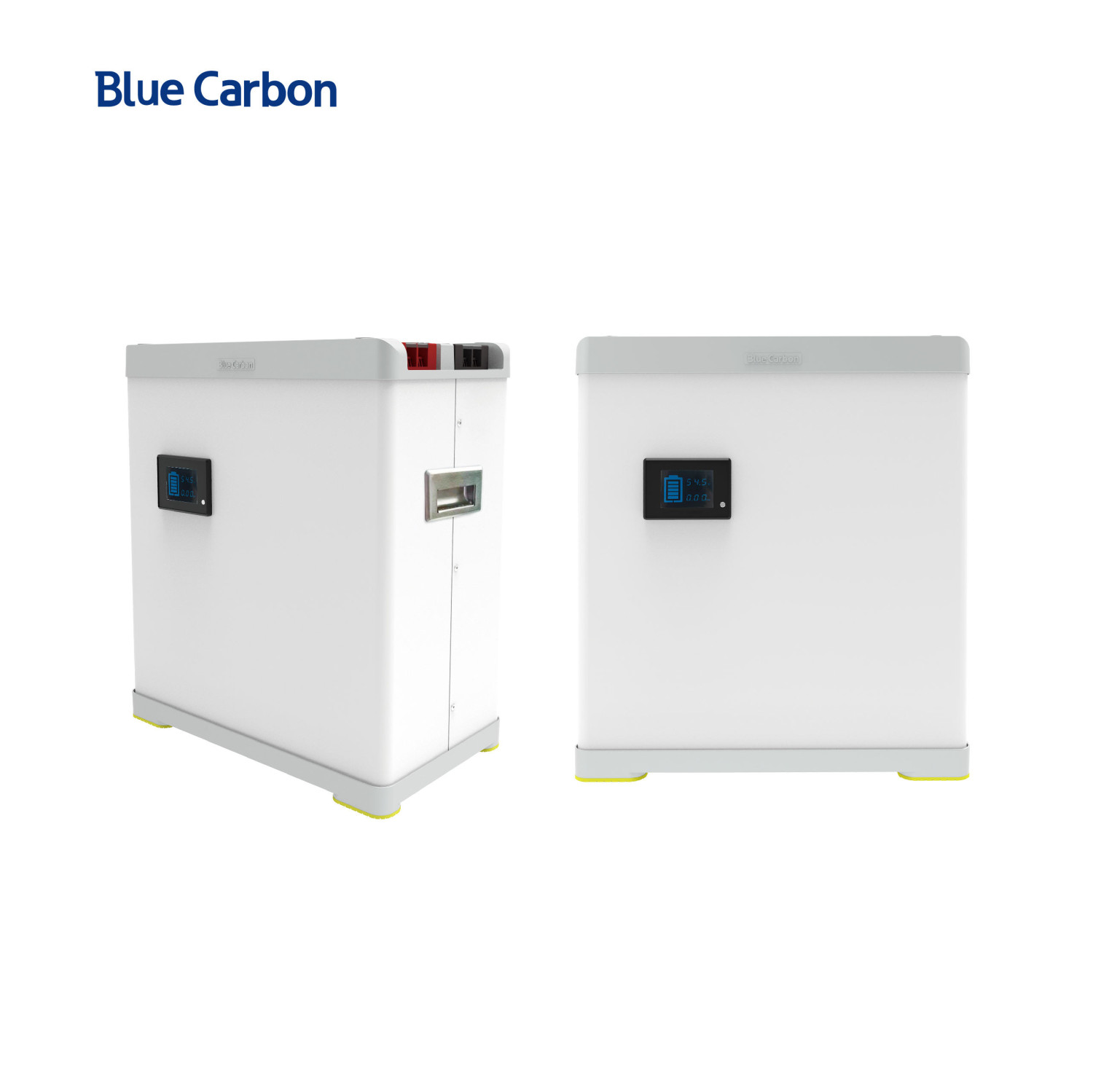
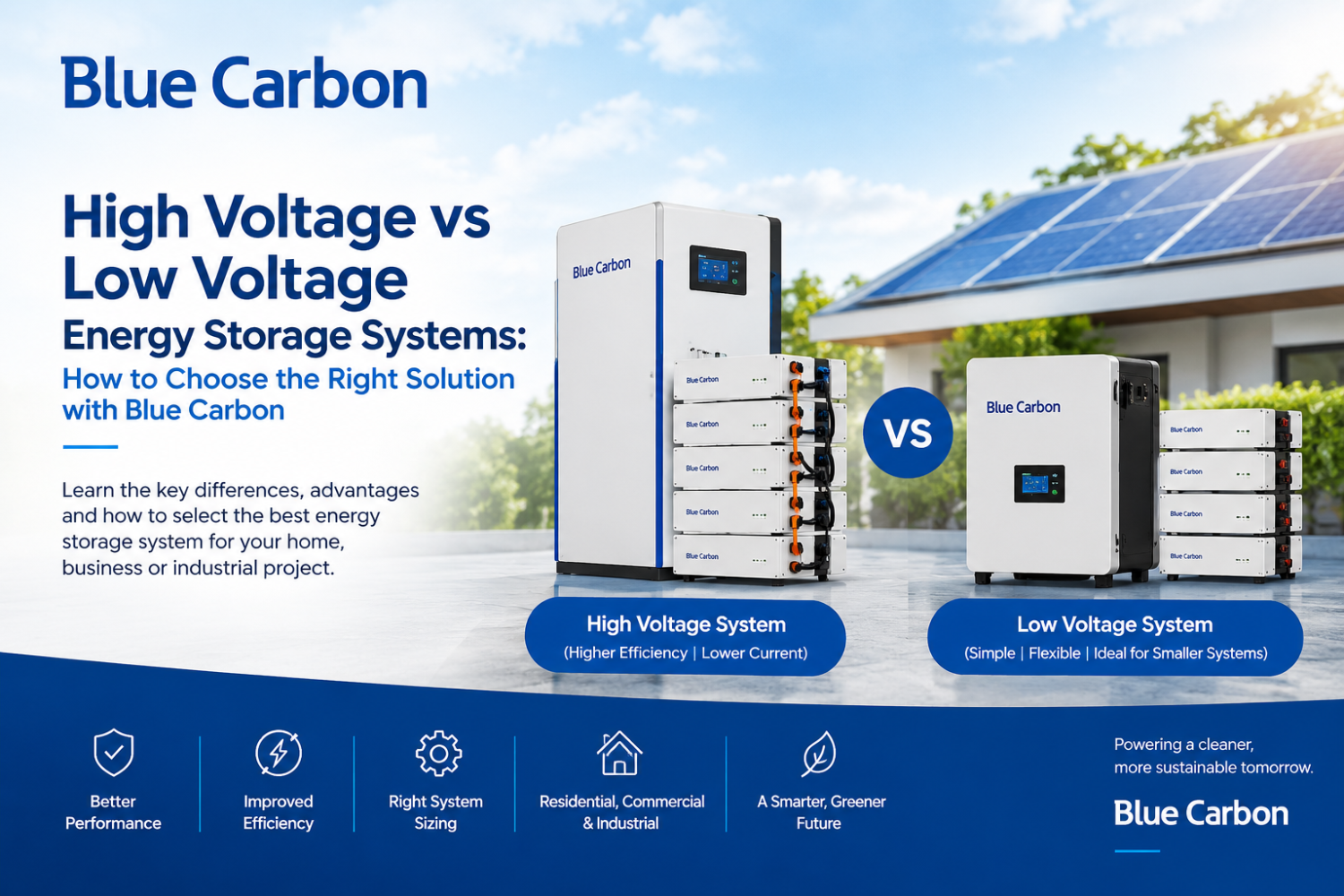
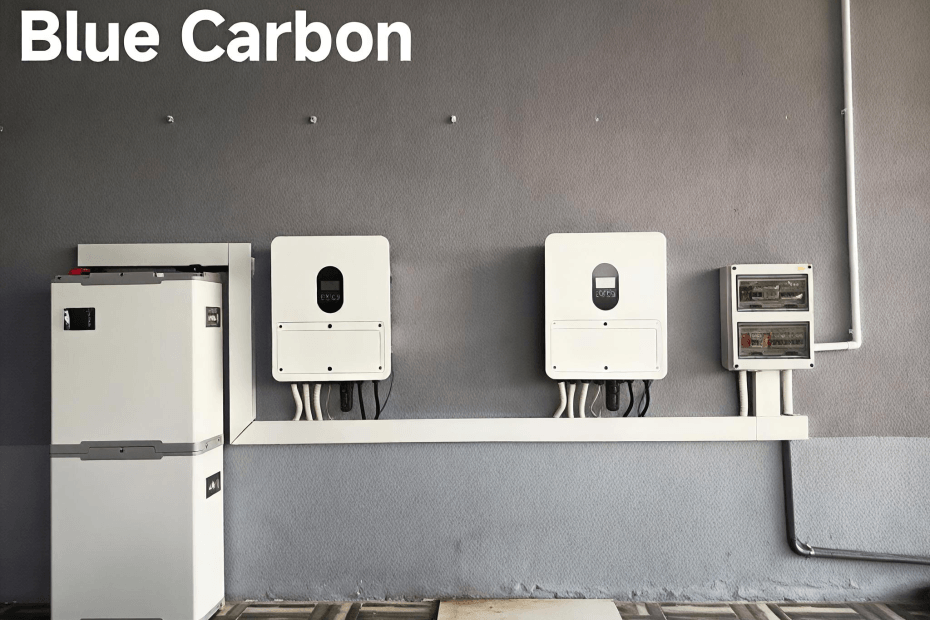
A 48V lithium battery is a popular choice for solar power systems in Nigeria because it can store energy generated by solar panels and provide backup electricity when grid power is unavailable. Whether you want to power a home, office, shop, or commercial facility, understanding battery capacity, lifespan, pricing factors, and inverter compatibility will help you choose the right solution.
For
customers considering Blue Carbon lithium batteries, the most important factors
are not just the purchase price, but also usable energy capacity, battery
chemistry, Battery Management System (BMS), warranty, and suitability for the
intended solar installation.
1. What
Is a 48V Lithium Battery?
A 48V
lithium battery is an energy-storage unit designed to supply compatible
inverters and electrical systems. It stores electricity from solar panels or
another approved charging source and makes that energy available when needed.
The term
“48V” describes the battery's nominal voltage class. Some modern lithium
battery systems in this category operate at a nominal voltage of 51.2V,
depending on their cell configuration.
For example,
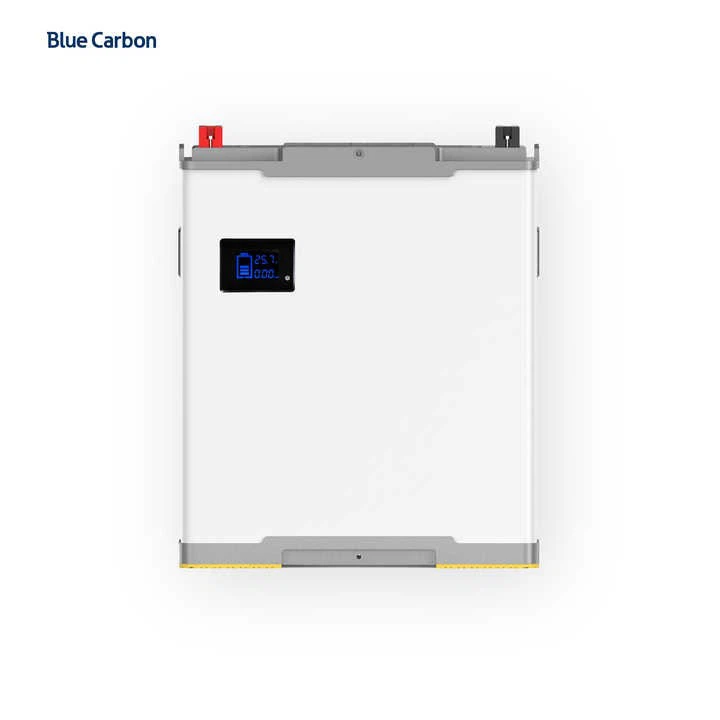
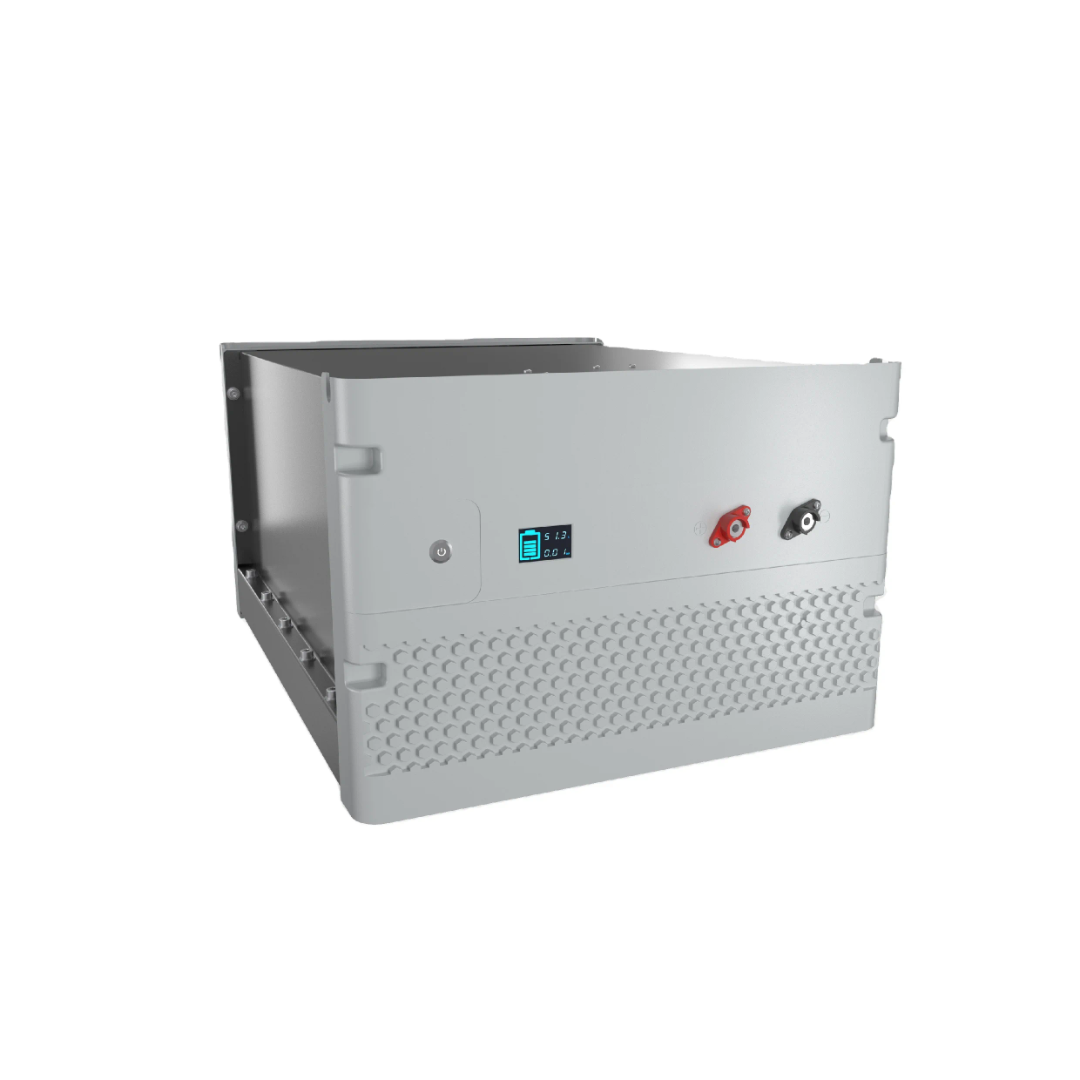
Blue Carbon's listed 10kWh battery has a nominal voltage of 48V (51.2V), a
capacity of 200Ah, and a rated energy capacity of 10.24kWh. Its listed 15kWh
model has a 300Ah capacity and 15.36kWh of energy storage.
Blue Carbon
+1
Understanding
volts, amp-hours and kilowatt-hours
These three
measurements help you compare batteries accurately.
- Voltage (V): The electrical
potential of the battery.
- Amp-hours (Ah): The battery's
rated electrical charge capacity.
- Kilowatt-hours (kWh): The amount
of energy the battery can store.
A useful
calculation is:
\[
\text{Energy (Wh)}=\text{Voltage (V)}\times\text{Capacity (Ah)} \]
For example,
a 51.2V, 200Ah battery has a nominal energy capacity of:
\[ 51.2\times200=10,240\text{
Wh}=10.24\text{ kWh} \]
This means
it stores approximately 10.24kWh of energy when fully charged under its rated
conditions. The amount available to your appliances will be lower after
accounting for the permitted depth of discharge and inverter losses.
2. 48V
Lithium Battery Prices in Nigeria
The price of
a 48V lithium battery in Nigeria varies according to storage capacity, cell
quality, battery management technology, warranty, brand, and supplier.
Exchange-rate changes, importation costs, stock availability, and delivery
arrangements can also affect the final quotation.
Recent Nigerian market listings show substantial differences between products of similar capacity, so online prices should be treated as estimates rather than guaranteed selling prices.
+2
Indicative
prices by battery capacity
The
following figures are broad market reference ranges from published Nigerian
listings, not confirmed Blue Carbon quotations.
|
Battery
capacity |
Indicative
price range |
|
5kWh /
approximately 100Ah |
₦995,000–₦1,800,000 |
|
10kWh /
approximately 200Ah |
₦2,100,000–₦3,500,000 |
|
15kWh /
approximately 300Ah |
₦3,200,000–₦5,200,000 |
These indicative ranges are based on published Nigerian retail listings updated in September 2026. Actual prices depend on the specific model, supplier, warranty, and availability; delivery and installation may cost extra.
Before
making a purchase, request a written quotation for the exact battery model.
Confirm whether the quoted amount includes VAT, delivery, installation,
connection cables, protection devices, and any applicable warranty
documentation.
What
determines the price of a 48V lithium battery?
1. Battery
capacity
A 15kWh
battery generally costs more than a 5kWh battery because it stores substantially
more energy. However, a larger battery may offer a lower cost per kilowatt-hour
of storage.
2. Lithium
battery chemistry
Lithium iron
phosphate, commonly called LiFePO₄ or LFP, is widely used in stationary solar
storage because of its thermal stability and suitability for repeated charging
and discharging.
3. Cell
quality
Cell quality
affects performance, consistency, and long-term reliability. Buyers should ask
about the manufacturer's specifications, cell grading, and quality-control documentation
instead of relying on marketing claims alone.
4. Battery
Management System (BMS)
A BMS
monitors and protects the battery against conditions such as excessive charging
or discharging, overcurrent, abnormal voltage, and temperature problems. Its
capabilities are important when selecting a battery for everyday solar use.
5. Warranty
and after-sales support
A clear
warranty, accessible technical support, and a reliable supply channel can
provide value beyond the initial purchase price.
6. Inverter
compatibility
The battery
must match the inverter's voltage, current limits, charging requirements, and
communication capabilities. A battery that requires additional equipment or
configuration may increase the overall installation cost.
3. How
Much Capacity Do You Need?
Choosing the
right battery capacity starts with your electricity consumption, not simply the
size of your inverter.
A small home
with lighting, fans, a television, and a refrigerator may need a different
storage capacity from a larger home running air conditioners, pumps, freezers,
and other heavy appliances.
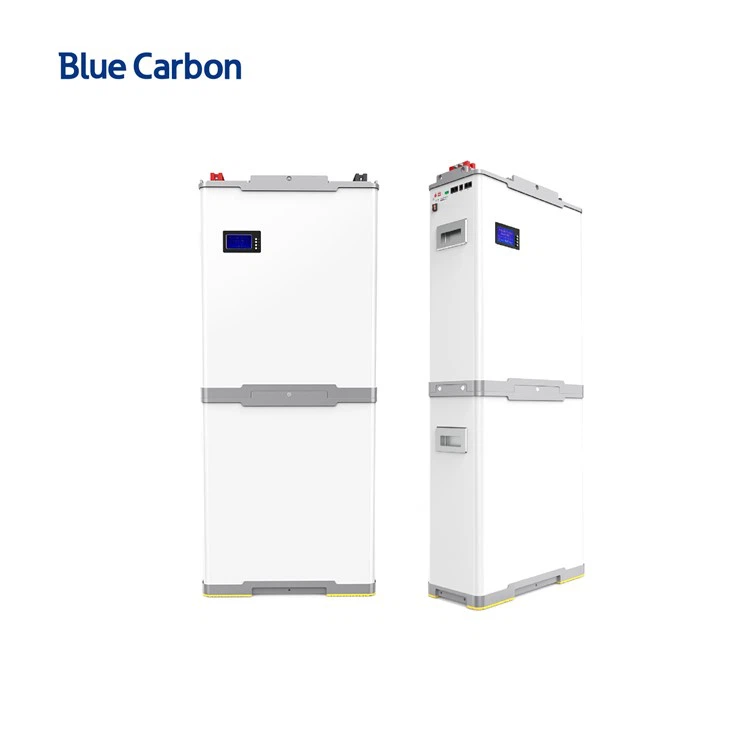
5kWh battery
A possible
starting point for smaller households, apartments, offices, and essential-load
backup systems. Runtime depends on the combined wattage of the appliances.
10kWh
battery
Suitable for
larger essential-load requirements, many residential solar systems, and some
small business applications when appropriately sized.

15kWh
battery
Provides
greater storage for larger homes, offices, shops, and systems that need longer
backup or support higher energy consumption.
These are
general selection guidelines, not fixed appliance limits. The battery's
continuous discharge rating and the inverter's power rating also determine
which loads can operate together.
4. How
Long Will a 48V Lithium Battery Last?
Backup
duration depends on the battery's usable energy and the total power consumed by
connected appliances.
A simple
estimate is:
\[
\text{Runtime (hours)}\approx \frac{\text{Usable battery energy (kWh)}}
{\text{Average load (kW)}} \]
For
illustration, assume a 10.24kWh battery provides 90% usable energy and the
inverter operates at 90% efficiency.
\[ 10.24\times0.90\times0.90
=8.29\text{ kWh} \]
Under these
assumptions, approximately 8.29kWh reaches the AC loads.
Estimated
backup time for a 10.24kWh battery
|
Average
load |
Estimated
runtime |
|
300W |
27.6 hours |
|
500W |
16.6 hours |
|
1,000W
(1kW) |
8.3 hours |
|
1,500W
(1.5kW) |
5.5 hours |
|
2,000W
(2kW) |
4.1 hours |
|
3,000W
(3kW) |
2.8 hours |
These are
mathematical estimates, not guaranteed operating times. Actual results depend
on the battery's permitted discharge, inverter consumption, temperature,
battery condition, appliance cycling, and surge loads.
Example:
powering a Nigerian home
Imagine a
home operating the following appliances at an assumed average consumption:
|
Appliance |
Assumed
average load |
|
Four fans |
240W |
|
LED
lighting |
60W |
|
Television |
100W |
|
Refrigerator
(average over time) |
150W |
|
Router and
small electronics |
30W |
|
Total |
580W |
Using the
estimated 8.29kWh delivered energy from the example above:
\[
8.29\div0.58\approx14.3\text{ hours} \]
This is a
theoretical estimate. A refrigerator cycles on and off, and its compressor
draws a higher starting current than its running load. Actual backup time will
depend on real consumption and operating conditions.
5. How
Long Does a 48V Lithium Battery Last Before Replacement?
A lithium
battery's service life depends on its chemistry, cycle-life rating, depth of
discharge, operating temperature, charging conditions, and maintenance.
Some LiFePO₄
solar batteries are marketed with cycle-life ratings of several thousand
cycles. For example, Blue Carbon's listed 10kWh and 15kWh models specify more
than 6,000 cycles under stated test conditions. These ratings should not be
interpreted as a guarantee of a particular number of calendar years or as proof
that every battery will achieve that result in every installation.

Blue Carbon
+1
What is a
battery cycle?
One cycle
represents cumulative energy use equivalent to a full charge and discharge. It
does not necessarily mean the battery must be discharged completely in one
session.
For example,
using 50% of a battery's capacity and recharging it, then using another 50%
later, represents approximately one full equivalent cycle.
Factors
that influence battery lifespan
- Depth of discharge: Repeatedly
using a large proportion of the battery's capacity can influence its
long-term performance.
- Temperature: Excessive heat can
accelerate battery ageing.
- Charging settings: Incorrect
voltage or charging-current settings may damage the battery.
- Inverter compatibility:
Incorrect configurations can affect charging, discharging, and BMS
communication.
- Installation quality:
Appropriate ventilation, protection, wiring, and environmental conditions
help support reliable operation.
- Usage frequency: A battery that
cycles heavily every day experiences different demands from one used
occasionally.
Choose a
battery with documented cycle-life conditions and a clear warranty rather than
relying exclusively on a claim such as “10 years of lifespan.”
6. Best
Uses of a 48V Lithium Battery in Nigeria
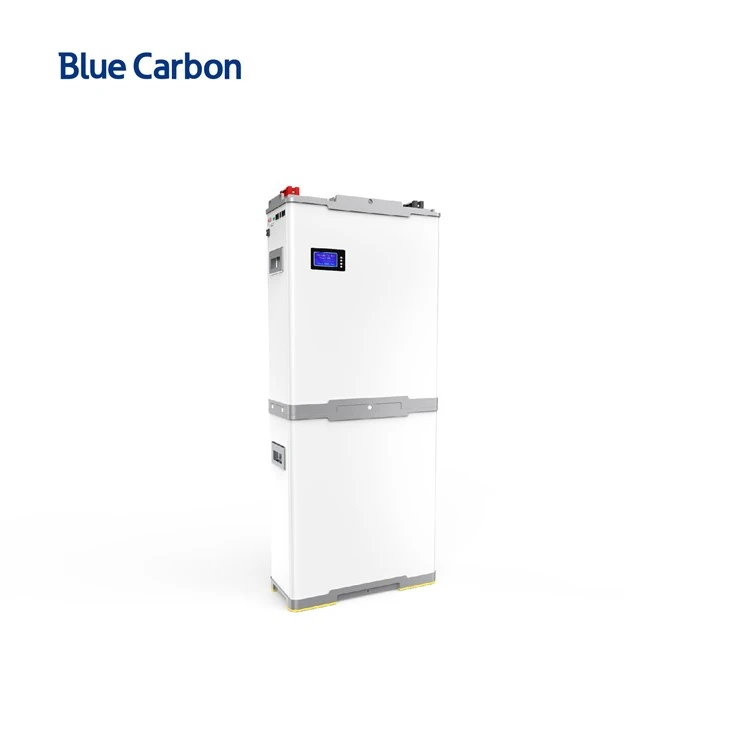
Residential
solar systems
Store
daytime solar energy for use in the evening and during power interruptions.
Proper sizing can support lighting, fans, televisions, refrigeration, and other
compatible appliances.
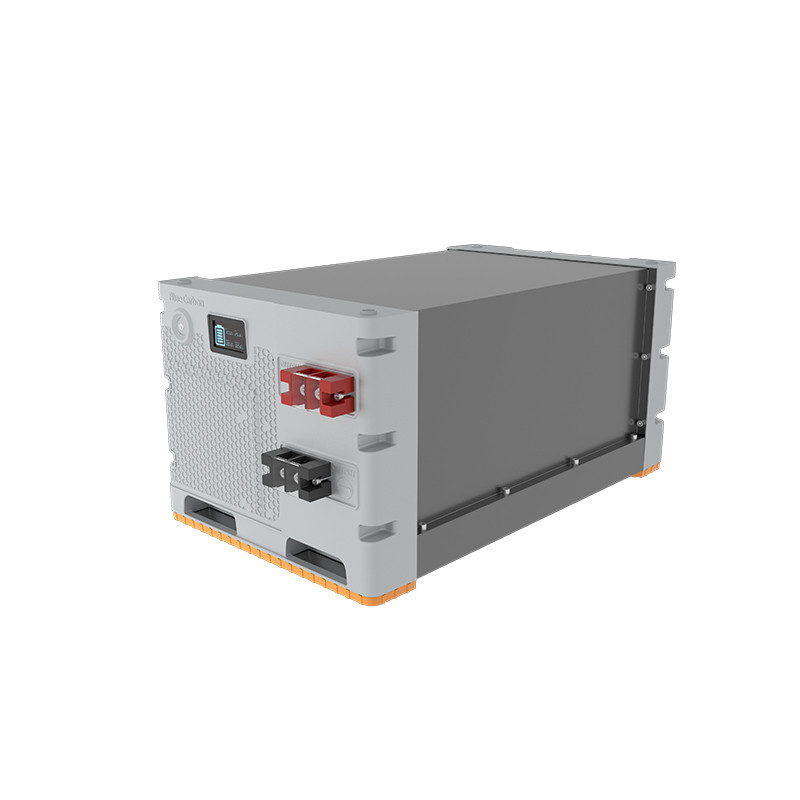
Offices and commercial buildings
Provide
backup energy for computers, networking equipment, security systems, lighting,
and selected office appliances.
Shops and
retail businesses
Support
selected lighting, point-of-sale equipment, refrigeration, and other business
loads when the system is correctly designed.
Commercial
and off-grid installations
Multiple
compatible batteries can provide larger energy storage for sites with higher
consumption or limited grid access.
For
high-demand appliances such as air conditioners, electric irons, water heaters,
and pumps, check both the inverter's power rating and the battery's continuous
discharge capacity. A large energy-storage rating does not automatically mean
the battery can supply every appliance simultaneously.
7.
Choosing the Right Inverter for a 48V Lithium Battery
A 48V
lithium battery should be paired with an inverter designed to support its
battery voltage and operating requirements.
Before
purchasing, verify the following:
- Battery voltage: Confirm the
inverter supports the battery's nominal voltage, including 48V/51.2V-class
systems where specified.
- Charging voltage and current:
Ensure the inverter's settings fall within the battery manufacturer's
approved limits.
- Discharge current: Check that
the battery can deliver the current required by the inverter at the
intended load.
- BMS communication: If the
battery and inverter support CAN or RS485 communication, verify that the
exact protocol and configuration are compatible.
- Solar input: Ensure the panel
array falls within the inverter's maximum PV voltage, current, and power
limits.
- Parallel configuration: If
connecting multiple batteries or inverters, follow the manufacturer's
approved connection method.
A qualified
solar installer should inspect the system design, cables, breakers, isolators,
earthing, surge protection, and battery configuration before commissioning.
8. Why
Consider Blue Carbon 48V Lithium Batteries?
Blue Carbon
Nigeria offers lithium battery products for residential, commercial, and
energy-storage applications. Its published product range includes 48V-class
batteries in capacities such as 10.24kWh and 15.36kWh.
Blue Carbon
+1
When
considering a Blue Carbon battery, compare the specific model's rated capacity,
usable energy, BMS features, discharge limits, inverter compatibility, warranty
documentation, and installation requirements.
The
company's official warranty page provides general warranty terms for eligible
genuine Blue Carbon products, but the applicable period should be confirmed
against the exact model and purchase documentation. The published product pages
and general warranty schedule do not display fully consistent warranty periods,
so obtain written confirmation before purchase.
Blue Carbon
+2
Visit the
official website at bluecarbon.ng
to explore available solar products and request a quotation.
9. Common
Mistakes to Avoid When Buying a 48V Lithium Battery
Buying based
on price alone: A low initial cost does not necessarily mean better long-term
value. Compare usable capacity, warranty, BMS protection, and cycle-life
conditions.
Confusing kW
with kWh: Kilowatts measure power; kilowatt-hours measure energy. A battery's
kWh rating indicates storage, while the inverter and battery discharge rating
help determine how much load can run at once.
Ignoring
starting surges: Refrigerators, pumps, and air conditioners may draw more power
when starting than when running.
Overlooking
inverter compatibility: Similar voltage labels do not guarantee that the
battery and inverter can communicate or operate safely together.
Assuming
solar panels will always fully recharge the battery: Recharging depends on
panel capacity, sunlight, shading, weather, system losses, and daytime consumption.
Neglecting
professional installation: Incorrect wiring, protection devices, or charging
settings can affect safety, performance, and warranty eligibility.
10.
Frequently Asked Questions
Is a 48V
lithium battery suitable for a home in Nigeria?
Yes, a
compatible 48V lithium battery can be suitable for a residential solar system.
The appropriate capacity depends on the appliances you want to power, how long
you need backup, and the available solar generation.
How many
solar panels do I need for a 48V lithium battery?
There is no
single answer for every battery. Panel sizing depends on battery capacity,
daily energy consumption, available sunlight, charging limits, and inverter
specifications. A qualified installer should calculate the array size for your
particular system.
Can I use
a 48V lithium battery with a 5kVA inverter?
Potentially,
if the inverter supports the battery's voltage and chemistry and the battery
can deliver the required current. Confirm the exact specifications and BMS compatibility
before connecting them.
Can I
connect two 48V lithium batteries together?
Some battery
models support parallel connections to increase storage capacity, but the
batteries must meet the manufacturer's requirements for compatibility, wiring,
balancing, communication, and configuration. Do not assume every 48V battery
can be connected to another.
Is a 48V
lithium battery better than a lead-acid battery?
LiFePO₄
batteries often offer greater usable capacity, a higher cycle-life rating, and
less routine maintenance than conventional lead-acid batteries. However, the
best option depends on your budget, energy requirements, installation, and
long-term operating costs.
Where can
I buy a Blue Carbon lithium battery in Nigeria?
Visit Blue Carbon Nigeria's
official website or contact the company to confirm the exact model, current
price, stock availability, warranty, and suitable inverter pairing.
Conclusion
A 48V
lithium battery can be an effective energy-storage solution for Nigerian homes,
offices, shops, and commercial solar systems. To make the right choice, compare
the battery's usable energy, rated discharge current, chemistry, BMS, expected
cycle life, warranty, and compatibility with your inverter.
The cheapest
battery is not always the most economical over its service life. Choosing a
suitable capacity and ensuring professional installation can help you get more
dependable performance from your solar investment.
For customers considering Blue Carbon lithium batteries, request a current quotation and confirm the model-specific specifications and warranty before making a purchase.
Tags: 48V lithium battery in Nigeria, 48V lithium battery price Nigeria, Blue Carbon lithium battery, 48V LiFePO4 battery, solar battery Nigeria
Recent Posts
48V Lithium Battery in Nigeria: Prices, Capacity, Lifespan & Best Uses
10kWh Lithium Battery Price in Nigeria: Capacity, Backup Time & Cost
15kWh Lithium Battery Price in Nigeria: What You Need to Know Before Buying
Lithium Battery Price in Nigeria 2026: Complete Buying Guide
Why Blue Carbon Products Have the Best Quality in the Nigerian Market: Making Blue Carbon the Most Preferred Choice