Best Solar Inverter in Nigeria 2026: How to Choose the Right One
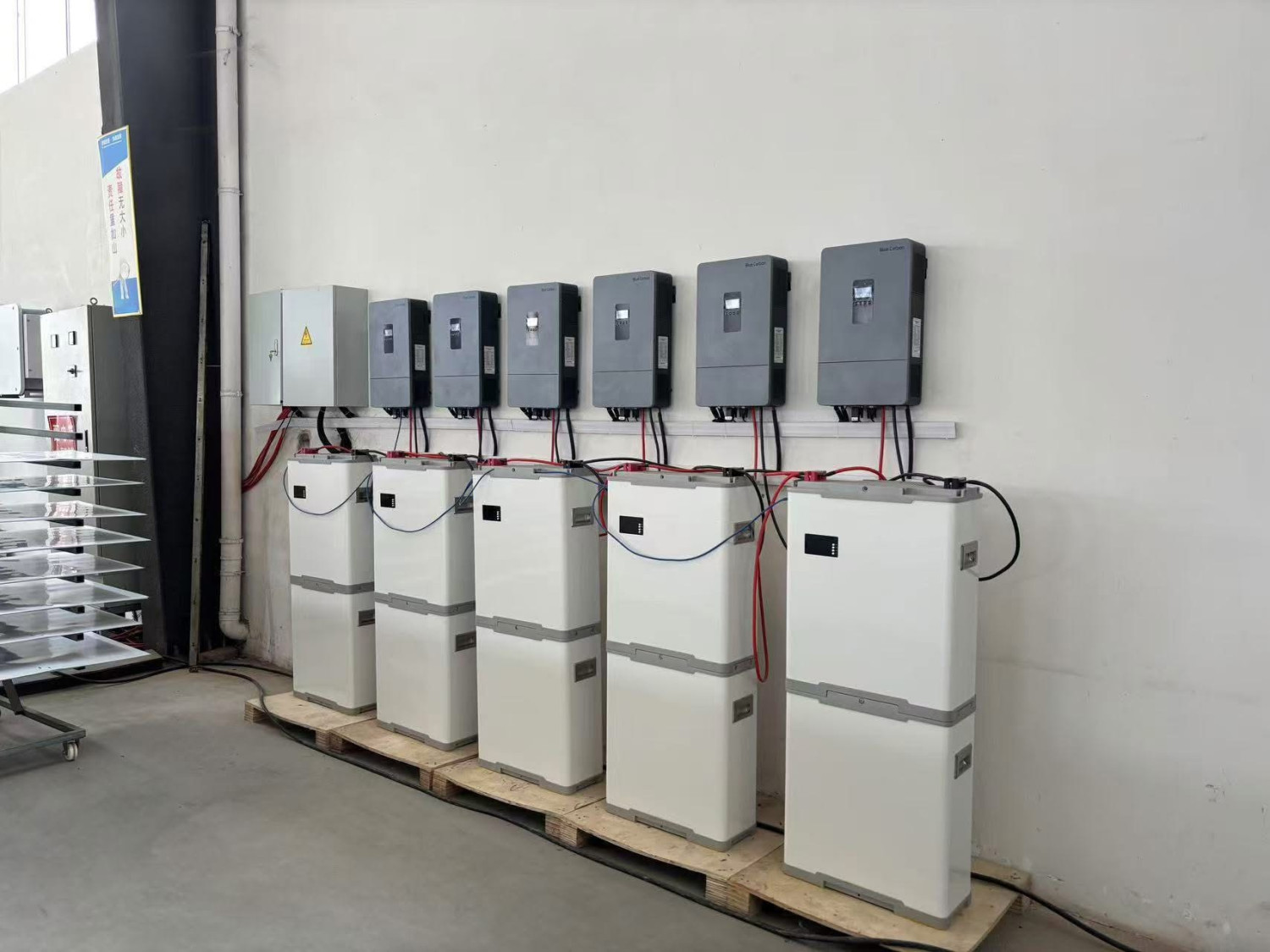
Nigeria's electricity challenges have made solar power an increasingly attractive option for homeowners, business owners, offices, schools, hospitals, and commercial facilities. With a properly designed solar energy system, you can reduce dependence on the national grid, minimize generator use, and enjoy more reliable electricity for your essential appliances.
However,
choosing the best solar inverter in Nigeria in 2026 involves more than
comparing brands or selecting the inverter with the highest capacity. You need
to consider your power consumption, battery compatibility, solar panel
requirements, inverter technology, warranty, installation quality, and budget.
For
customers exploring solar energy solutions from Blue Carbon Nigeria,
understanding these factors can help you choose an inverter that suits your
home or business and provides room for future expansion.
This guide
explains the main types of solar inverters, how to calculate your power
requirements, what features to compare, common purchasing mistakes, and how to
select the right inverter for Nigerian conditions.
1. What
Is a Solar Inverter and Why Is It Important?
A solar
inverter is a key component of a solar energy system. It converts direct
current (DC) electricity generated by solar panels or stored in batteries into
alternating current (AC) electricity used by household appliances and most
business equipment.
Depending on
its design, an inverter may also manage battery charging, solar energy
production, grid electricity, and backup power.
In Nigeria,
where electricity interruptions can affect homes and businesses, the right
inverter can help maintain power for essential appliances, reduce generator
dependence, and make better use of solar energy.
However, an
inverter does not generate electricity or store energy by itself. Solar panels
provide energy, batteries store energy, and the inverter manages the conversion
and distribution of power according to its capabilities.
2. Types
of Solar Inverters Available in Nigeria
Understanding
inverter types is the first step toward choosing the right product.
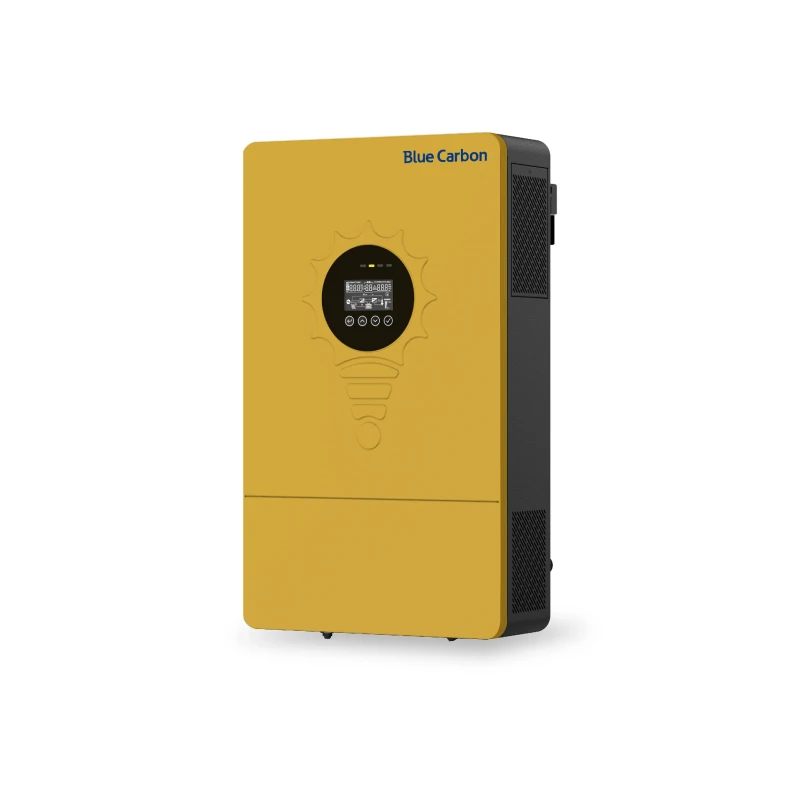
Off-grid
solar inverter
Designed for
systems that operate independently of the utility grid. Depending on the model,
it can use solar panels and batteries and may accept a generator or grid input
for charging.
Best for:
homes, remote properties, and locations requiring independent power.
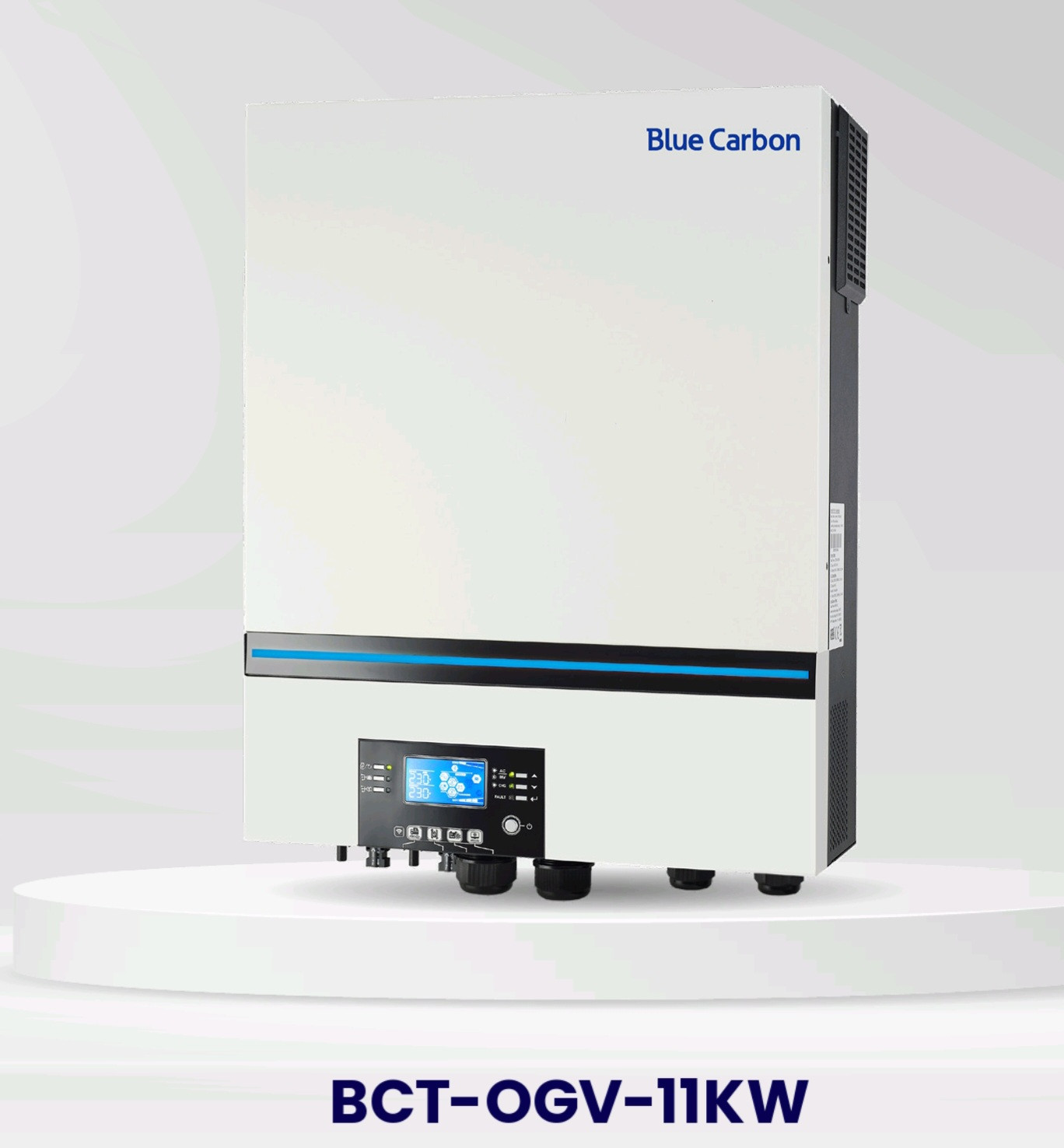
Hybrid solar
inverter
Combines
solar input, battery management, and grid interaction in one system. Depending
on the model, it may prioritise solar power, charge batteries, blend power
sources, or support parallel operation.
Best for:
homes and businesses that want solar energy, battery backup, and flexible power
management.

Grid-tied inverter
Converts
solar electricity for use alongside the utility grid. Many conventional
grid-tied systems shut down during a grid outage unless specifically designed
with approved backup functionality.
Best for:
suitable grid-connected installations where export rules and electrical
requirements are satisfied.
For many
Nigerian households seeking solar power and backup during outages, an
appropriately specified hybrid or off-grid inverter is often a practical
starting point. The best option depends on your power requirements and how you
intend to use the grid, solar panels, batteries, and generator.
3. How to
Choose the Right Inverter Capacity
One of the
most common mistakes when buying a solar inverter is selecting a model based on
the number of appliances without calculating their power consumption.
The inverter
must handle the combined load of the appliances you intend to operate
simultaneously, including any short-term starting surges.
Common
inverter capacity ranges
|
Inverter
size |
Typical
application |
|
1–2kVA |
Small
essential loads, lighting, fans, and electronics |
|
3–3.5kVA |
Modest
household backup systems |
|
5–6kVA |
Many
residential systems and selected small-business loads |
|
8–10kW |
Larger
homes and higher-demand commercial applications |
|
12kW and
above |
Larger
residential, commercial, and expandable installations |
These are
general planning categories, not guaranteed appliance limits. Actual capability
depends on the inverter's rated output in kW, power factor, surge capacity, and
electrical configuration.
Step 1:
Calculate your total load
Consider
this illustrative household load:
|
Appliance |
Estimated
running power |
|
Television |
100W |
|
Four fans |
240W |
|
LED
lighting |
100W |
|
Refrigerator |
200W |
|
Laptop and
router |
100W |
|
Total
estimated running load |
740W |
The total
running load is approximately 740W. However, the refrigerator may draw
additional power when its compressor starts.
If you
intend to operate air conditioners, water pumps, freezers, or other
motor-driven equipment, include their starting requirements when selecting an
inverter.
Step 2: Understand
kVA versus kW
These two
ratings are related but are not identical.
- kVA measures apparent power.
- kW measures real power available
to operate loads.
The
relationship depends on the inverter's power factor. For example, a 5kVA
inverter with a rated power factor of 0.8 can provide 4kW of real power. A
model with a power factor of 1 may provide 5kW, subject to its specifications.
Always check
the manufacturer's rated output in watts or kilowatts rather than relying on
the kVA label alone.
4.
Battery Compatibility: An Essential Buying Consideration
If your
solar system requires battery storage, choose an inverter that supports your
battery's voltage, chemistry, charging requirements, and communication
protocol.
Lithium
batteries are a popular option for solar storage because many models offer high
usable capacity and long cycle-life ratings. LiFePO₄ batteries are particularly
common in stationary storage applications.
Before
purchasing, check:
- Whether the inverter supports
48V/51.2V-class batteries or another battery voltage.
- Whether it supports lithium
batteries and the specific battery model.
- Maximum battery charging and
discharging currents.
- Supported CAN or RS485
communication, where required.
- Battery voltage settings and
recommended depth of discharge.
- Whether additional batteries can
be connected in parallel.
A 10kWh
battery and a 5kW inverter perform different functions: the battery determines
how much energy is stored, while the inverter determines how much power can be
delivered at a given moment.
For example,
a 10kWh battery may provide several hours of backup for a modest load, but
runtime will decrease as consumption increases.
5. Hybrid
Inverter or Off-Grid Inverter: Which Is Better?
The right
choice depends on the way you want your solar system to operate.
|
Requirement |
Off-grid
inverter |
Hybrid
inverter |
|
Operate
with solar panels |
Model-dependent;
common in solar off-grid models |
Common |
|
Battery
storage |
Usually
supported |
Usually
supported |
|
Use
utility grid as an input |
Model-dependent |
Common,
but features vary |
|
Manage
multiple energy sources |
Depends on
design |
Often
offers more flexible controls |
|
Export
power to the grid |
Usually
not designed for this |
Only on
models that support it and where permitted |
|
Expand
through parallel operation |
Model-dependent |
Model-dependent |
Do not
assume that every inverter marketed as “hybrid” can export surplus electricity
to the grid, blend all sources simultaneously, or operate without a battery.
Check the specific model's technical documentation.
6.
Important Features to Look for in 2026
The best
inverter for your installation should provide the features your system actually
needs.
Pure sine
wave output: Important for supplying compatible household electronics and many
motor-driven appliances.
MPPT solar
charge controller: Maximum Power Point Tracking helps the inverter extract usable
power from the solar array within its approved operating range.
Battery
management compatibility: Appropriate charging control and BMS communication
can improve system coordination when supported by both devices.
Overload and
electrical protection: Review protection against overcurrent, short circuits,
overheating, and other electrical faults.
Monitoring:
Display screens, mobile applications, Wi-Fi, or remote monitoring can help you
track system performance if supported by the model.
Parallel capability:
Some inverters support multiple units operating together to increase capacity.
Confirm the maximum number of units, wiring requirements, and compatible
configurations.
Warranty and
local technical support: Check the written warranty, authorised service
arrangements, spare-parts availability, and the process for handling faults.
These
features are more useful than selecting a product based on advertising claims
alone.
7.
Recommended Blue Carbon Solar Inverters to Consider
Blue Carbon
Nigeria lists several inverter options on its official website. The following
are examples of products to consider based on your installation requirements.

BLUE CARBON
6kW Hybrid Solar Inverter
The listed
BCT-FXC-6KW-H-P is an all-in-one hybrid inverter with an integrated MPPT
charger, pure sine wave output, and CAN/RS485 BMS communication support. Its
published specifications include battery-optional operation and optional
Wi-Fi/GPRS monitoring.
bluecarbon.ng
Consider
for: residential systems and smaller commercial applications, subject to load
and battery sizing.
View
product on Blue Carbon's website

BLUE
CARBON–Deye Hybrid Inverter Range
Blue Carbon
lists Deye hybrid inverter models in several capacities. The published product
page describes supported lithium or lead-acid battery inputs for the specified
range, with parallel operation and other functions depending on the exact
model.

bluecarbon.ng
Consider
for: installations requiring hybrid energy management or potential system
expansion.
View
the Blue Carbon–Deye range

BLUE CARBON
BCT-FXC-12KW-P Off-Grid Inverter
This model
is listed with 12kW rated power, 220V output, and parallel capability for up to
six units, subject to the manufacturer's requirements.
BCT-FXC-12KW-P
Consider
for: higher-demand residential or commercial installations that need a suitably
designed off-grid system.
These are
options within the Blue Carbon product range, not a claim that one model is
best for every buyer. Confirm the current availability, full technical
specifications, and applicable warranty for your selected model before
ordering.
8. How
Much Does a Solar Inverter Cost in Nigeria in 2026?
Solar
inverter prices vary with capacity, brand, topology, features, exchange rates,
and supplier stock. A larger inverter with advanced battery management,
parallel support, or three-phase capability may cost significantly more than a
basic unit.
Published
Nigerian retail listings in 2026 show broad price differences across inverter
capacities and specifications. One September 2026 listing, for example,
reported approximately ₦420,000–₦750,000 for a 5kVA hybrid inverter and ₦1.2
million–₦2.2 million for a 10kVA model. These are market references, not
confirmed Blue Carbon prices.
When
requesting a quotation, ask for:
- The exact inverter model and
rated output.
- Current unit price and stock
availability.
- Warranty duration and service
arrangements.
- Compatible battery options and
prices.
- Recommended solar panel
capacity.
- Installation, cables, protection
devices, and delivery costs.
Remember
that the inverter is only one part of the total solar investment. A complete
system may also require solar panels, lithium batteries, mounting structures,
electrical protection, cabling, and professional installation.
9. Common
Mistakes to Avoid When Buying a Solar Inverter
- Choosing the wrong capacity: An
undersized inverter may overload, while an unnecessarily large inverter
can increase upfront costs.
- Ignoring battery capacity: A
powerful inverter cannot provide long backup if the battery stores
insufficient energy.
- Overlooking surge power:
Refrigerators, pumps, and air conditioners can require extra starting
power.
- Buying based only on brand
reputation: Verify the specifications, warranty, local service support,
and suitability of the exact model.
- Ignoring solar input limits:
Incorrect PV voltage or current can damage equipment or prevent proper
operation.
- Using unsuitable cables or
protection devices: Poor installation can create safety hazards and affect
performance.
- Assuming all lithium batteries
are compatible: Confirm voltage, charging limits, and BMS communication
requirements.
10. Why
Professional Installation Matters
Even a
high-quality inverter can underperform when incorrectly installed or
configured.
A qualified
installer should calculate your loads, assess the available roof area and solar
exposure, select suitable cables and protection devices, configure battery
charging parameters, and verify the earthing and surge-protection arrangements.
The
installer should also check whether your building has single-phase or
three-phase supply and whether the chosen inverter is suitable for that
arrangement.
For
commercial installations, a professional energy assessment is especially important
because the system may need to support larger loads, equipment starting surges,
and future expansion.
11. Why
Consider Blue Carbon Nigeria?
Blue Carbon
Nigeria provides solar energy products, including inverters, lithium batteries,
solar panels, and related system components.
Choosing
compatible products and having them installed professionally can help you build
a solar system around your household or business requirements.
Blue
Carbon's published warranty schedule lists a five-year warranty for eligible
solar inverters, but the applicable terms depend on the exact model, purchase
documentation, and warranty policy. Confirm the coverage in writing before
purchase.
bluecarbon.ng
To explore
the available range or request a quotation:
- Website: bluecarbon.ng
- Phone: 09042103985
- Email: enquires@bluecarbon.ng
Frequently
Asked Questions
Which
solar inverter is best for a home in Nigeria?
The best
inverter is the one that matches your household's power consumption, battery
requirements, solar panel array, and budget. A correctly sized hybrid or
off-grid model is often suitable for homes that need backup during grid
outages.
Is a 5kVA
inverter enough for a three-bedroom house?
It can be
sufficient for some three-bedroom homes, particularly when running selected
appliances rather than every appliance simultaneously. The answer depends on
the actual running load, starting surges, and whether high-power appliances
such as air conditioners will be used.
Which is
better: a hybrid inverter or a conventional inverter?
A hybrid
inverter may offer integrated solar charging and more flexible management of
solar, battery, and grid power. A conventional inverter may be sufficient for
basic backup, but it may need separate solar charging equipment to use PV
panels. Compare the exact features before buying.
Can a
solar inverter work without a battery?
Some hybrid
inverters support batteryless operation under specified conditions. Others
require a battery or have restricted functionality without one. Check the
manufacturer's instructions for the exact model.
How long
does a solar inverter last?
Service life
depends on design, component quality, temperature, ventilation, electrical
conditions, maintenance, and operating load. Review the manufacturer's warranty
and installation requirements rather than assuming a fixed lifespan.
Should I
buy an inverter and battery together?
Buying them
as part of a professionally designed system can make compatibility checks
easier. However, the important factor is that the selected inverter and battery
are approved to work together, whether purchased as a package or separately.
Conclusion
Choosing the
best solar inverter in Nigeria in 2026 starts with understanding your power
needs. Calculate your loads, account for starting surges, select the
appropriate inverter type, verify battery compatibility, and check solar input
limits before making a purchase.
A reliable
solar installation is about more than the inverter brand. It depends on
choosing compatible equipment, correct system sizing, safe installation, clear
warranty coverage, and access to technical support.
For
homeowners and businesses considering Blue Carbon solar inverters, explore the
available models and request a quotation based on your specific energy
requirements.
Tag: best solar inverter in Nigeria 2026, solar inverter price in Nigeria, best hybrid inverter Nigeria, Blue Carbon solar inverter, solar inverter for home Nigeria
Recent Posts
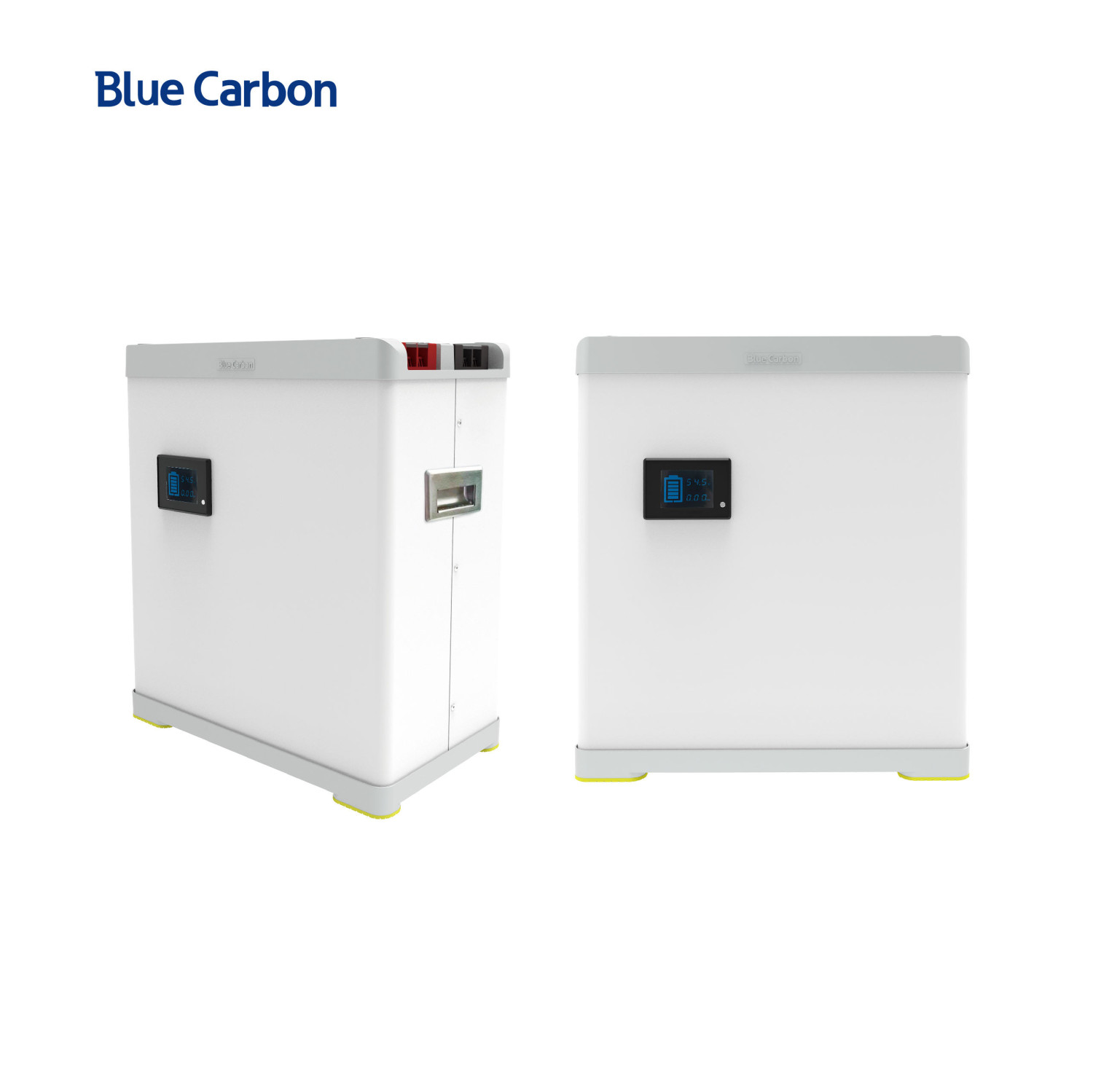
48V Lithium Battery in Nigeria: Prices, Capacity, Lifespan & Best Uses
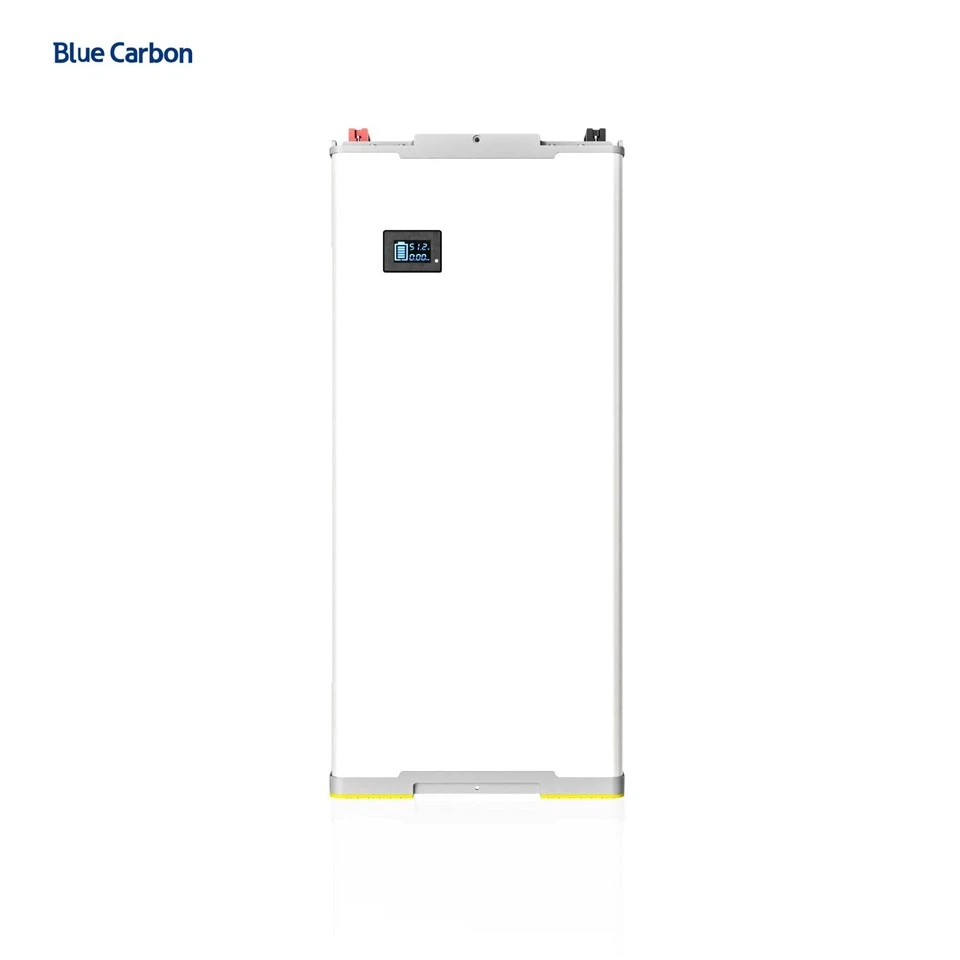
10kWh Lithium Battery Price in Nigeria: Capacity, Backup Time & Cost
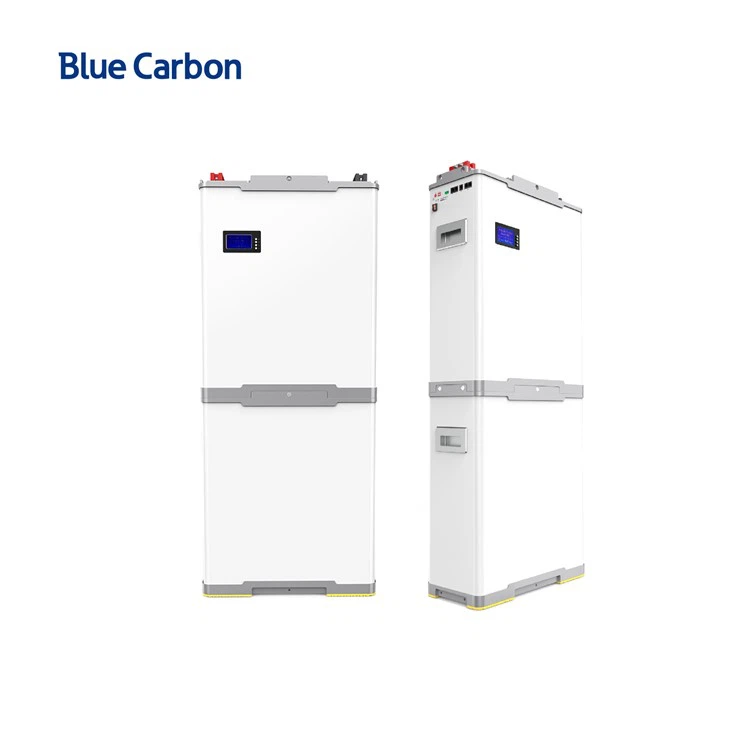
15kWh Lithium Battery Price in Nigeria: What You Need to Know Before Buying
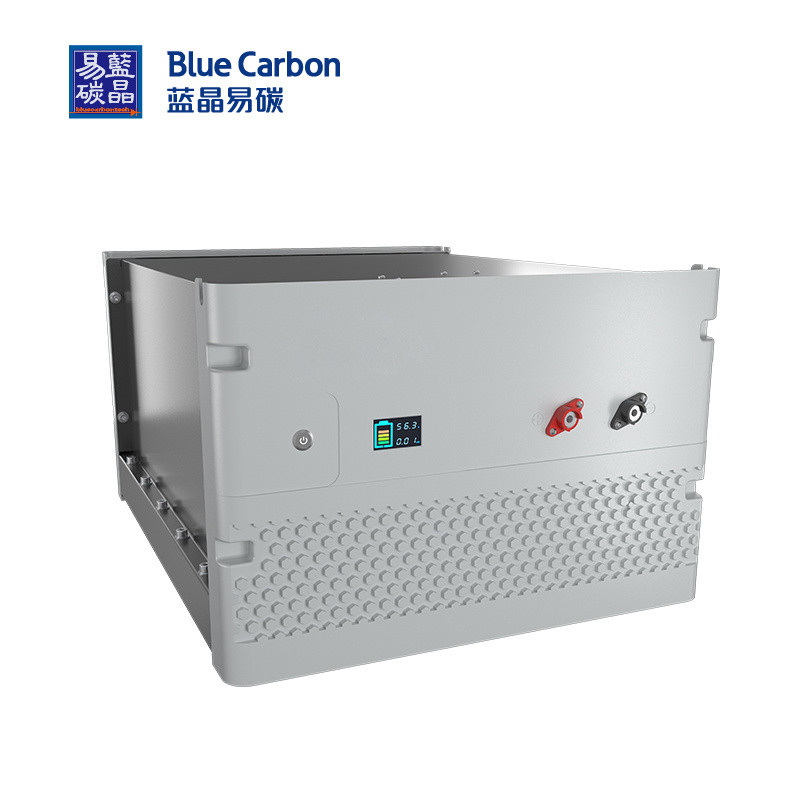
Lithium Battery Price in Nigeria 2026: Complete Buying Guide