
Solar Technical Basics (How It Works)
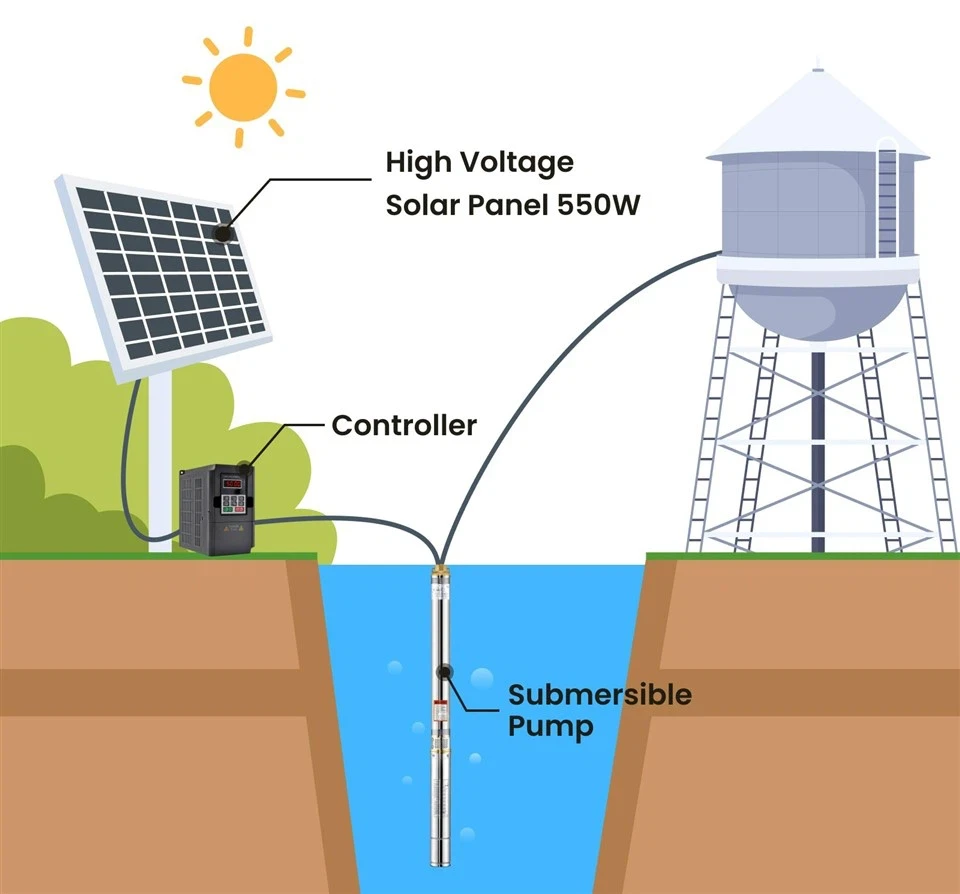
Solar energy is one of the most reliable, cost-effective, and sustainable power solutions in the world today. Yet, many people still ask a simple but important question: how does a solar power system actually work?
Understanding the technical basics
of solar energy helps homeowners, businesses, schools, and investors make
informed decisions, avoid costly mistakes, and get maximum value from their
systems.
This guide explains solar
technical basics in simple terms, breaking down each component and showing
how solar power is generated, stored, and used.
What
Is Solar Energy?
Solar energy is electricity
generated from sunlight using solar technology. The sun emits energy in the
form of light particles (photons), which are captured by solar panels and
converted into usable electrical power.
Solar systems are designed to:
- Generate electricity during the day
- Store excess energy for later use
- Power appliances directly or through batteries
- Reduce dependence on grid power and generators
The
Core Components of a Solar Power System
A standard solar power system
consists of several key components working together:
- Solar panels
- Charge controller
- Inverter
- Battery bank (for off-grid or hybrid systems)
- Distribution board and loads
Each component plays a specific
technical role in the system.
How
Solar Panels Work (Photovoltaic Technology)
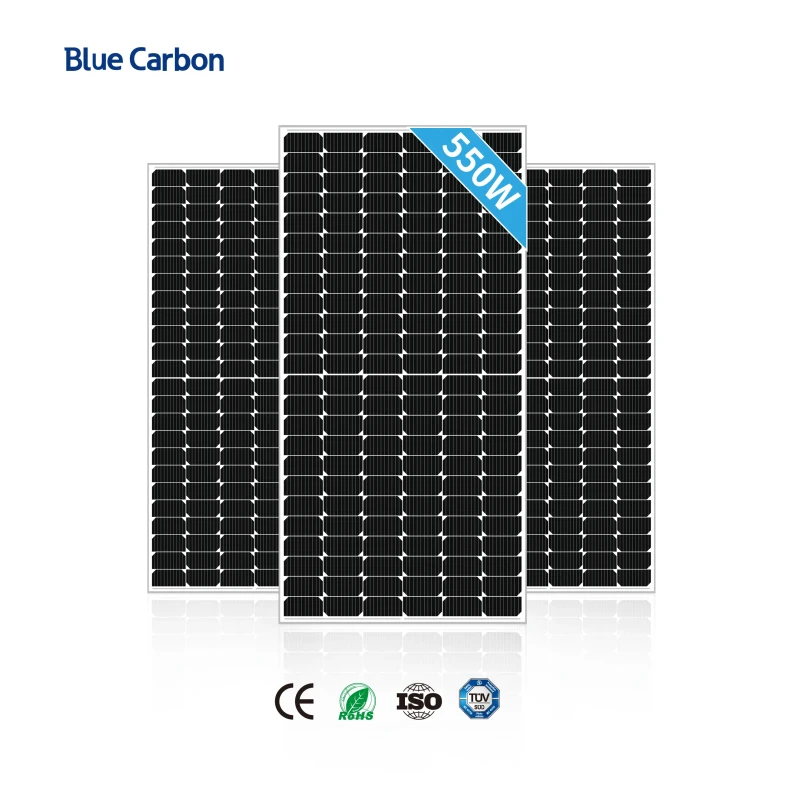
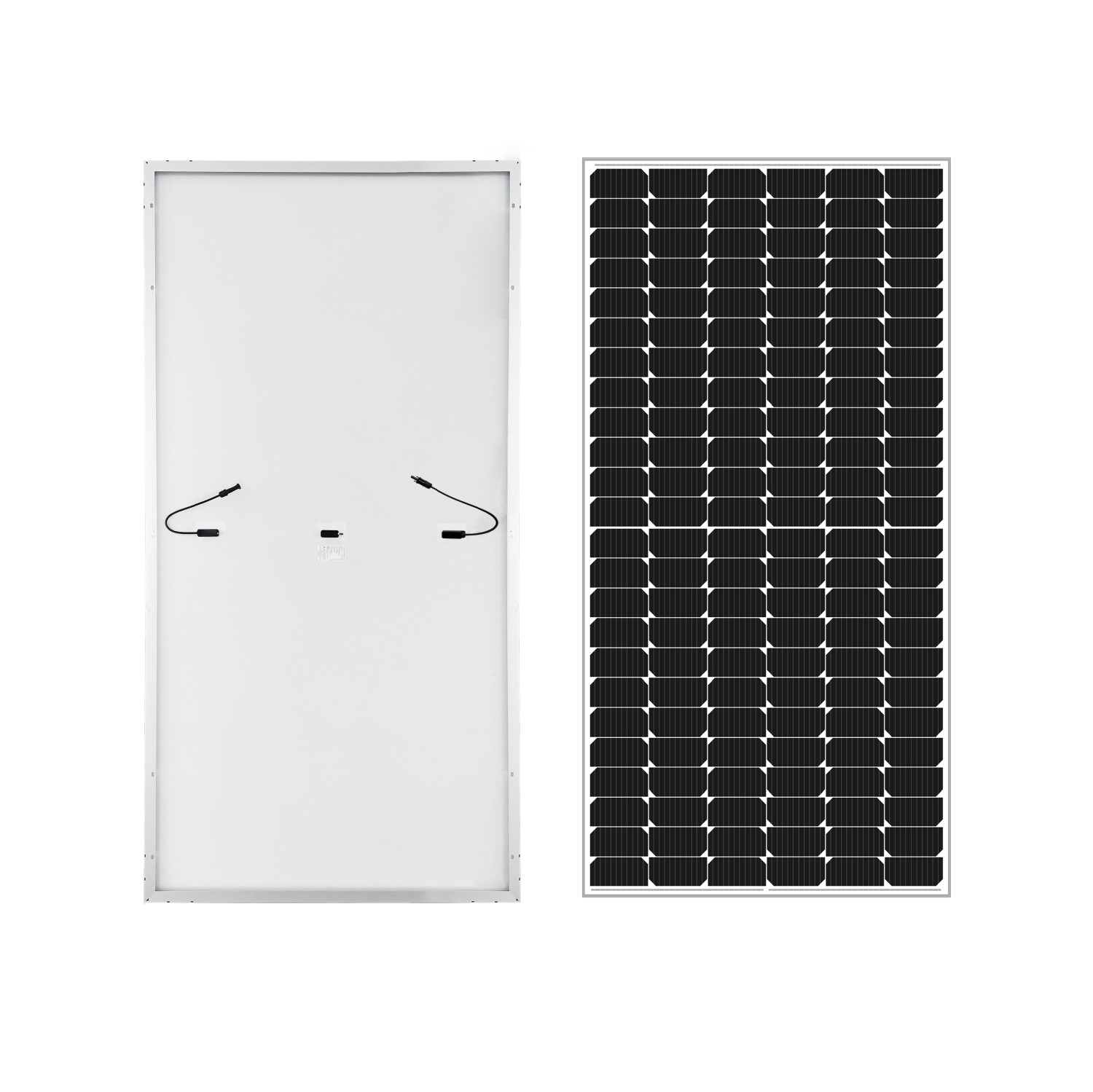
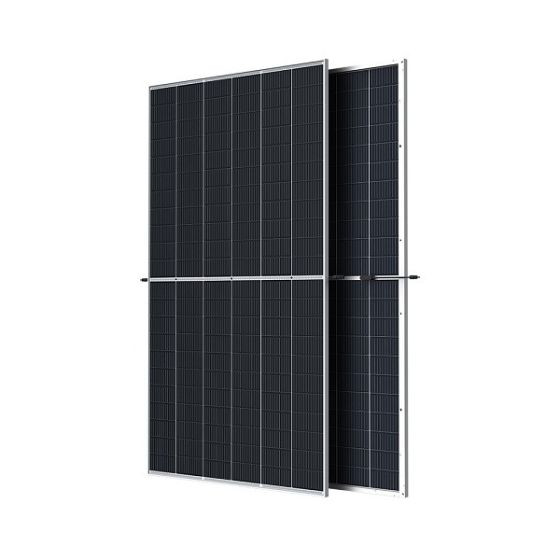
Solar panels are the heart of any
solar system. They are made up of photovoltaic (PV) cells, usually composed of
silicon.
Technical
Process
- Sunlight hits the solar panel
- Photons energize electrons in the PV cells
- Electrons begin to move, creating direct current (DC)
electricity
- DC electricity flows through the panel wiring
The amount of electricity produced
depends on:
- Sunlight intensity
- Panel quality and efficiency
- Panel orientation and tilt
- Weather conditions
Understanding
DC and AC Power
Solar panels generate DC (Direct
Current) electricity, but most household and commercial appliances use AC
(Alternating Current).
This difference is why an inverter
is essential in every solar system.
Role
of the Inverter (DC to AC Conversion)
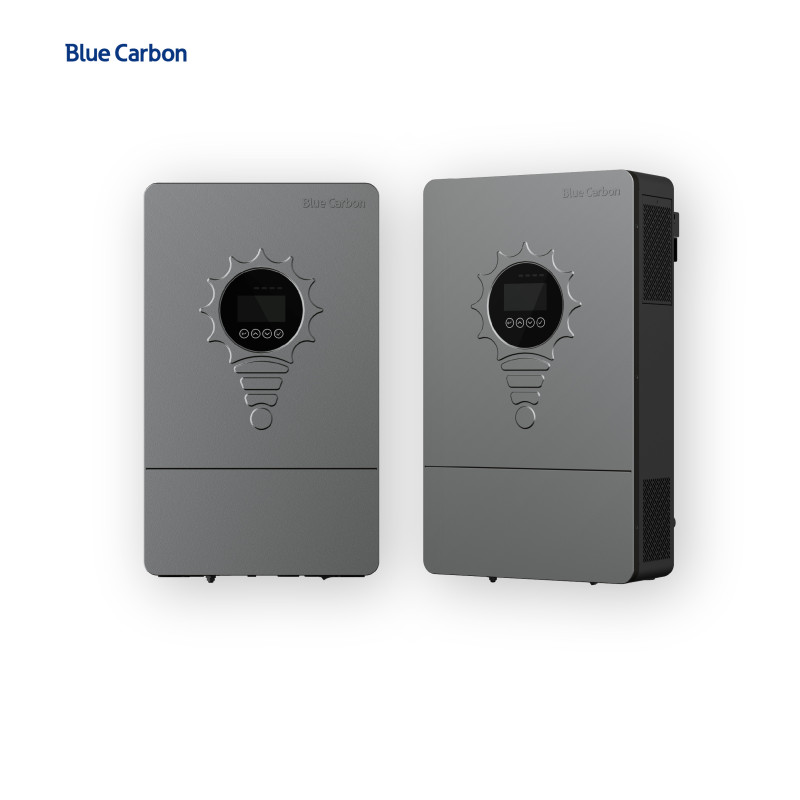
The inverter converts DC electricity
from solar panels or batteries into AC electricity that can power appliances.
What
an Inverter Does
- Converts DC to usable AC power
- Regulates voltage and frequency
- Protects appliances from power fluctuations
- Manages power flow between solar, batteries, and grid
Types
of Inverters
- Off-grid inverters:
Work independently without utility power
- Hybrid inverters:
Combine solar, battery, and grid power
- Grid-tie inverters:
Work with utility power without batteries
Hybrid inverters are increasingly
popular due to their flexibility and efficiency.
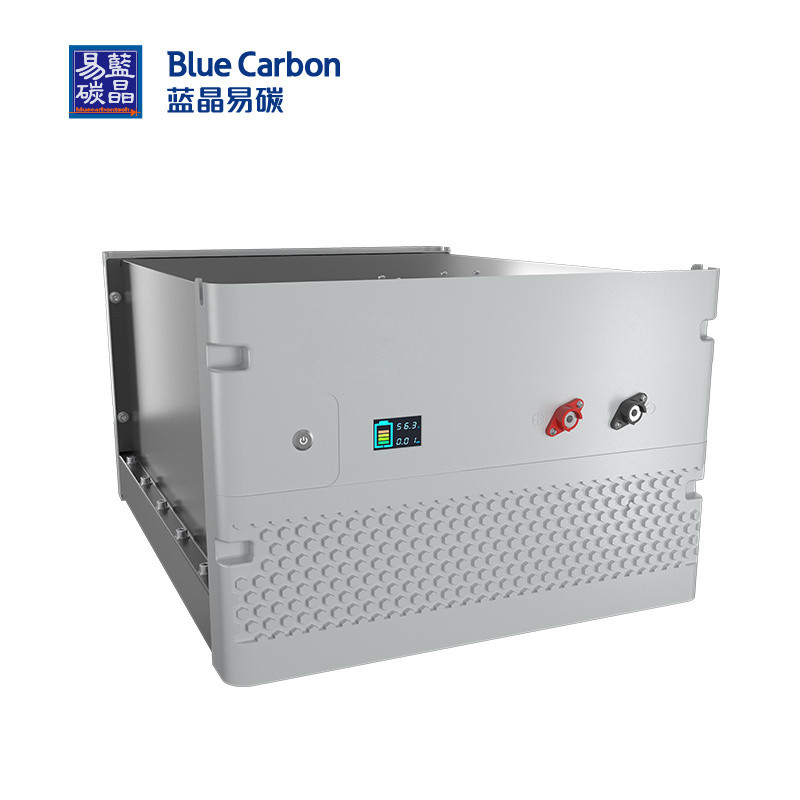
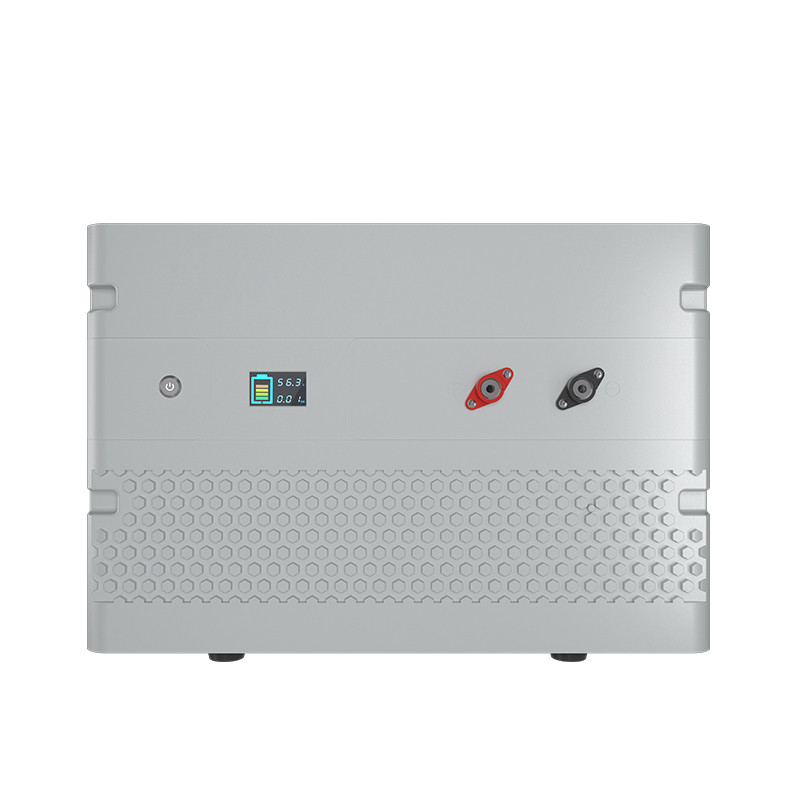
Battery
Storage: How Solar Energy Is Stored
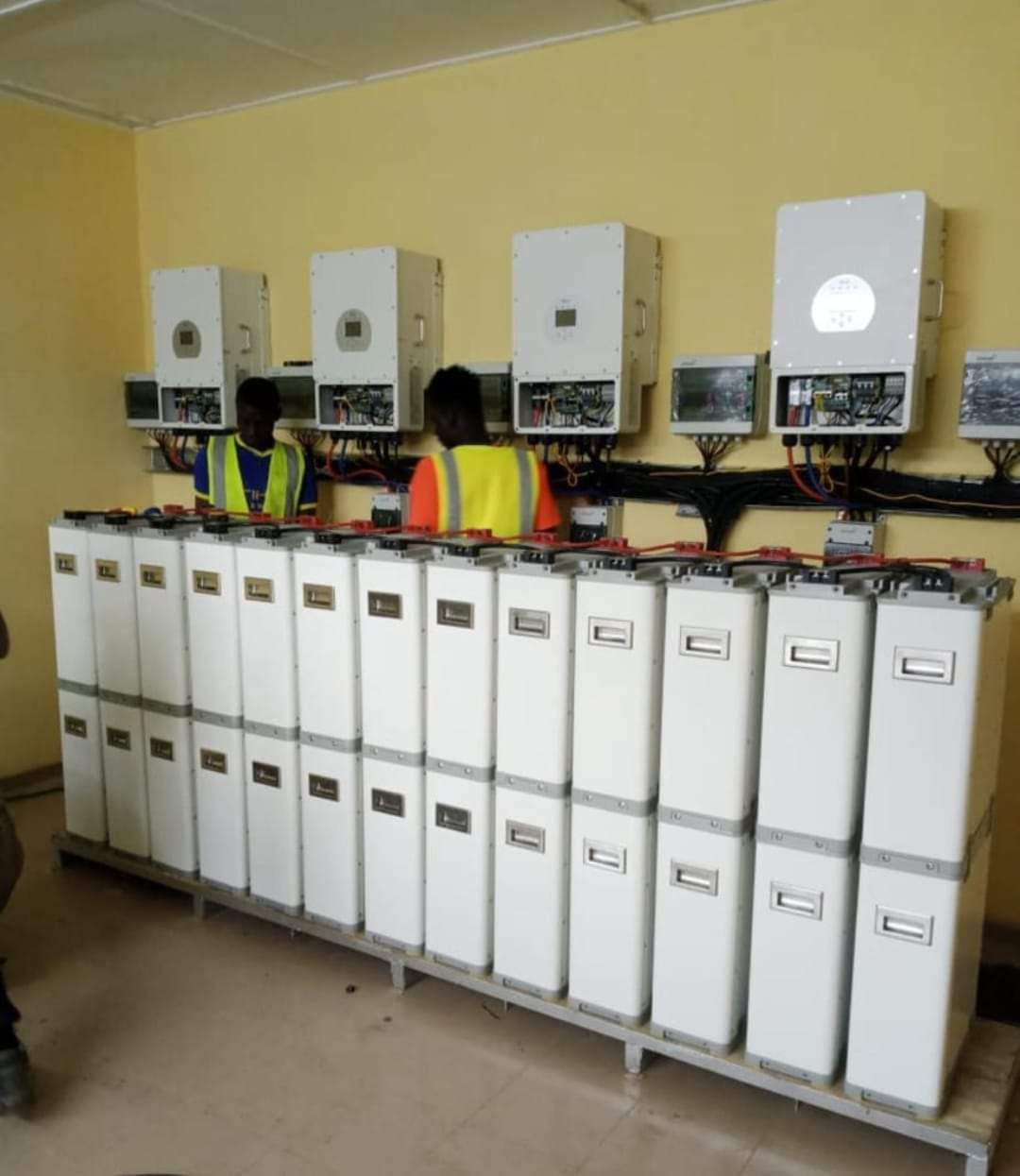
Solar batteries store excess energy
produced during the day for use at night or during power outages.
Why
Batteries Are Important
- Provide uninterrupted power
- Reduce generator dependence
- Increase energy independence
- Improve system efficiency
Common
Battery Types
- Lead-acid batteries
- Gel batteries
- Lithium-ion batteries
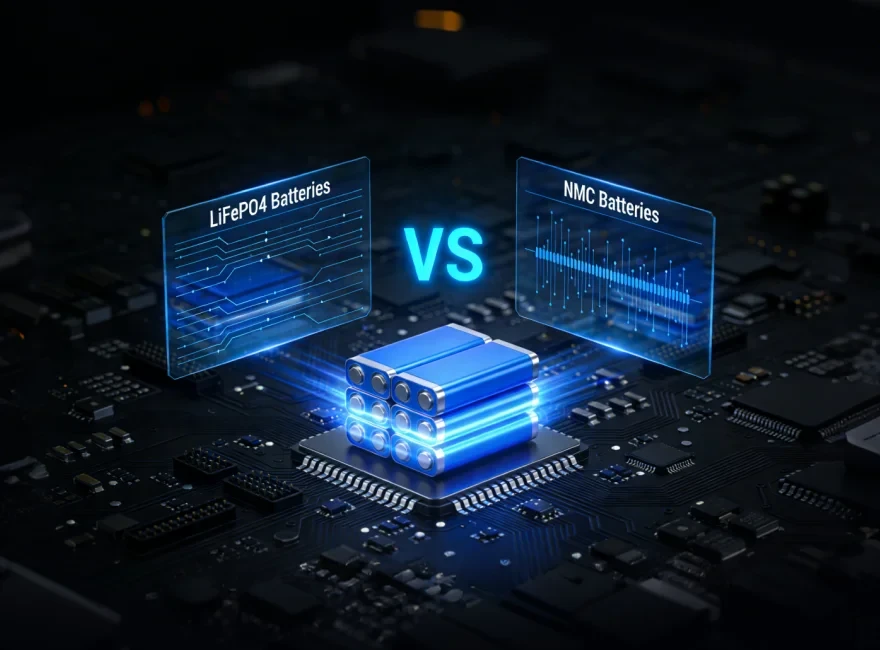
- LiFePO₄ (Lithium Iron Phosphate) batteries
Modern systems increasingly use
lithium batteries because of:
- Longer lifespan
- Faster charging
- Deeper discharge capability
- Higher energy efficiency
Charge
Controllers: Protecting the Battery
A charge controller regulates the
flow of electricity from solar panels to the batteries.
Its
Technical Function
- Prevents battery overcharging
- Prevents deep discharge
- Improves battery lifespan
- Ensures stable voltage levels
Types
of Charge Controllers
- PWM (Pulse Width Modulation)
- MPPT (Maximum Power Point Tracking)
MPPT controllers are more efficient
and commonly used in modern solar installations.
Power
Distribution and Load Management
After power is converted and stored,
it is distributed to appliances through a distribution board.
Load
Types
- Critical loads (lights, fans, internet)
- Heavy loads (ACs, pumps, refrigerators)
Proper load calculation ensures:
- System efficiency
- Battery longevity
- Stable power supply
How
Solar Systems Work Step-by-Step
Step
1: Sunlight Collection
Solar panels absorb sunlight and
generate DC electricity.
Step
2: Power Regulation
The charge controller regulates
voltage and current to protect batteries.
Step
3: Energy Storage
Excess energy is stored in batteries
for later use.
Step
4: Power Conversion
The inverter converts DC power into
AC electricity.
Step
5: Power Usage
Electricity is distributed to
appliances and devices.
On-Grid
vs Off-Grid vs Hybrid Systems
On-Grid
Systems
- Connected to utility power
- No batteries
- Lower initial cost
- Stops working during grid outage
Off-Grid
Systems
- Completely independent
- Uses batteries
- Ideal for remote areas
- Higher initial cost
Hybrid
Systems
- Combines solar, battery, and grid
- Offers flexibility and backup power
- Most popular for homes and businesses
Efficiency
Factors in Solar Systems
System performance depends on:
- Quality of panels and batteries
- Proper system design
- Correct inverter sizing
- Professional installation
- Regular maintenance
High-quality components improve
efficiency and reduce long-term costs.
Why
Solar Systems Are Reliable
Solar systems have:
- No moving parts
- Low maintenance requirements
- Long operational lifespan
- High reliability when properly installed
Most solar panels last 20-25
years, while modern lithium batteries can last 10-15 years.
Common
Myths About Solar Technology
Myth
1: Solar doesn’t work on cloudy days
Reality: Panels still generate power
with reduced efficiency.
Myth
2: Solar damages appliances
Reality: Quality inverters provide
stable, clean power.
Myth
3: Solar systems are too complicated
Reality: Once installed, systems
operate automatically.
Why
Understanding Solar Technical Basics Matters
Knowing how solar works helps you:
- Choose the right system size
- Avoid undersized or oversized systems
- Identify quality components
- Communicate better with installers
- Maximize return on investment
Conclusion
Solar energy is not magic-it is a
well-engineered technology built on proven electrical principles. By
understanding solar technical basics, you gain confidence in your investment
and ensure your system performs efficiently for years.
From solar panels capturing sunlight
to inverters converting power and batteries storing energy, every component
plays a vital role in delivering reliable, clean electricity.
As energy demands grow and power
costs rise, solar technology remains one of the smartest solutions for
sustainable energy independence.
Recent Posts
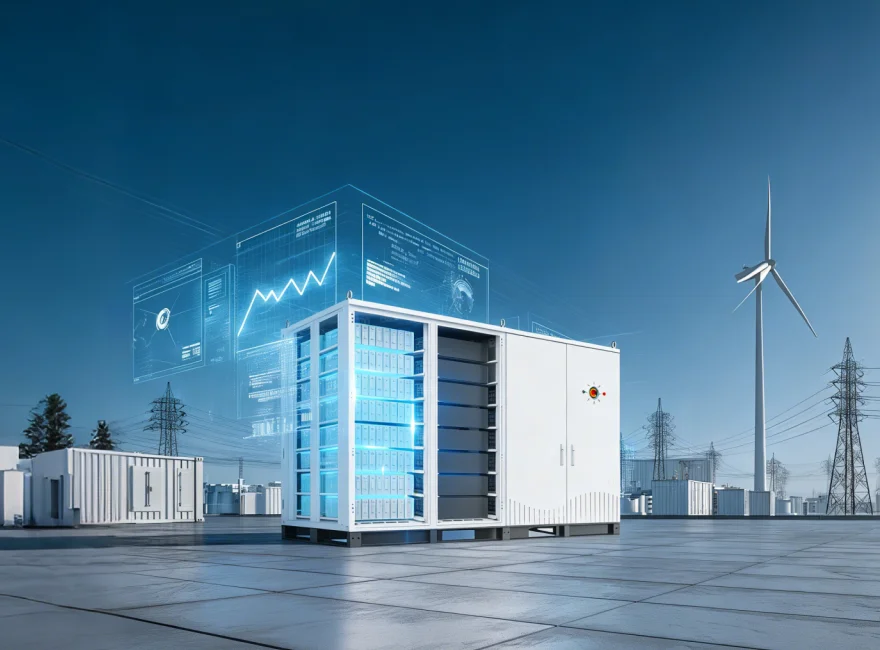
High Voltage vs Low Voltage Energy Storage Systems: How to Choose the Right Solution with Blue Carbon
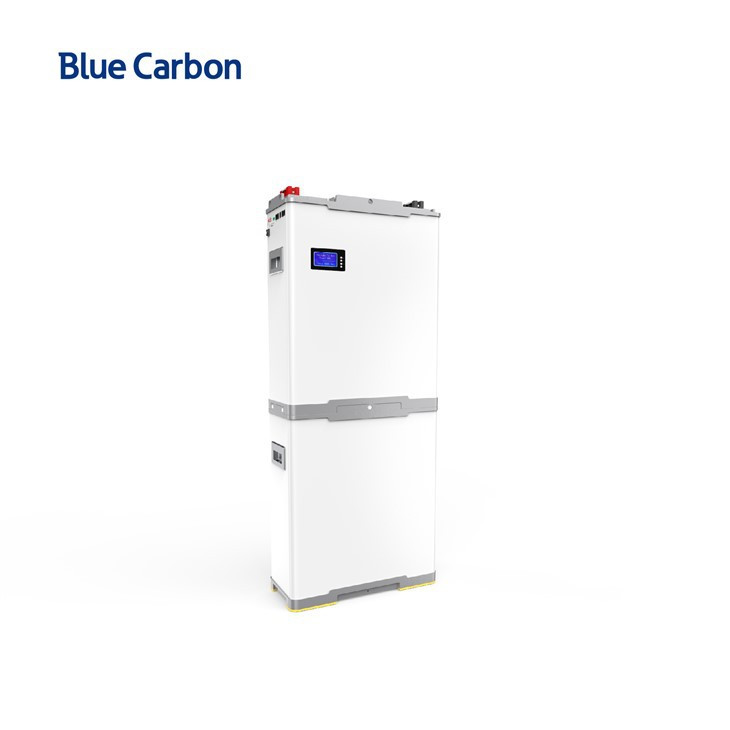
Register Your Blue Carbon Product for Warranty to Gain Access to Warranty Support
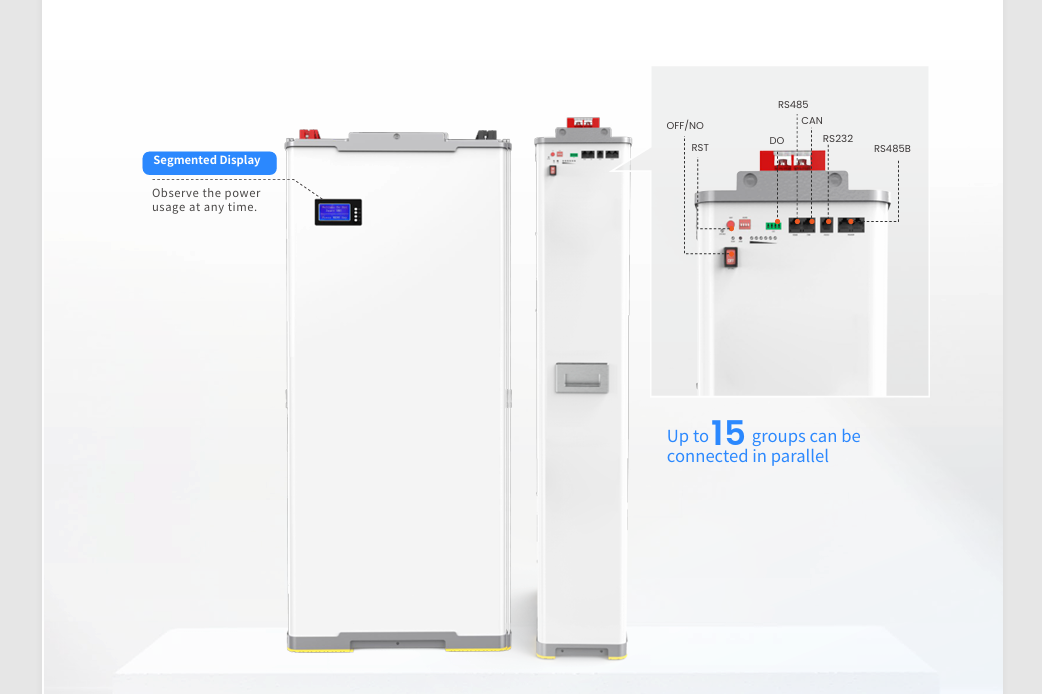
Blue Carbon Lithium Batteries: New Arrival with Smart BMS Specially Designed to Give Our Customers the Best Experience
How to Manage Your Solar System During the Rainy Season to Increase Backup Time
LiFePO₄ vs NMC Batteries: Which Is Better for Energy Storage Projects?