
Understanding Cable Sizing and Electrical Components During the Solar Installation Process
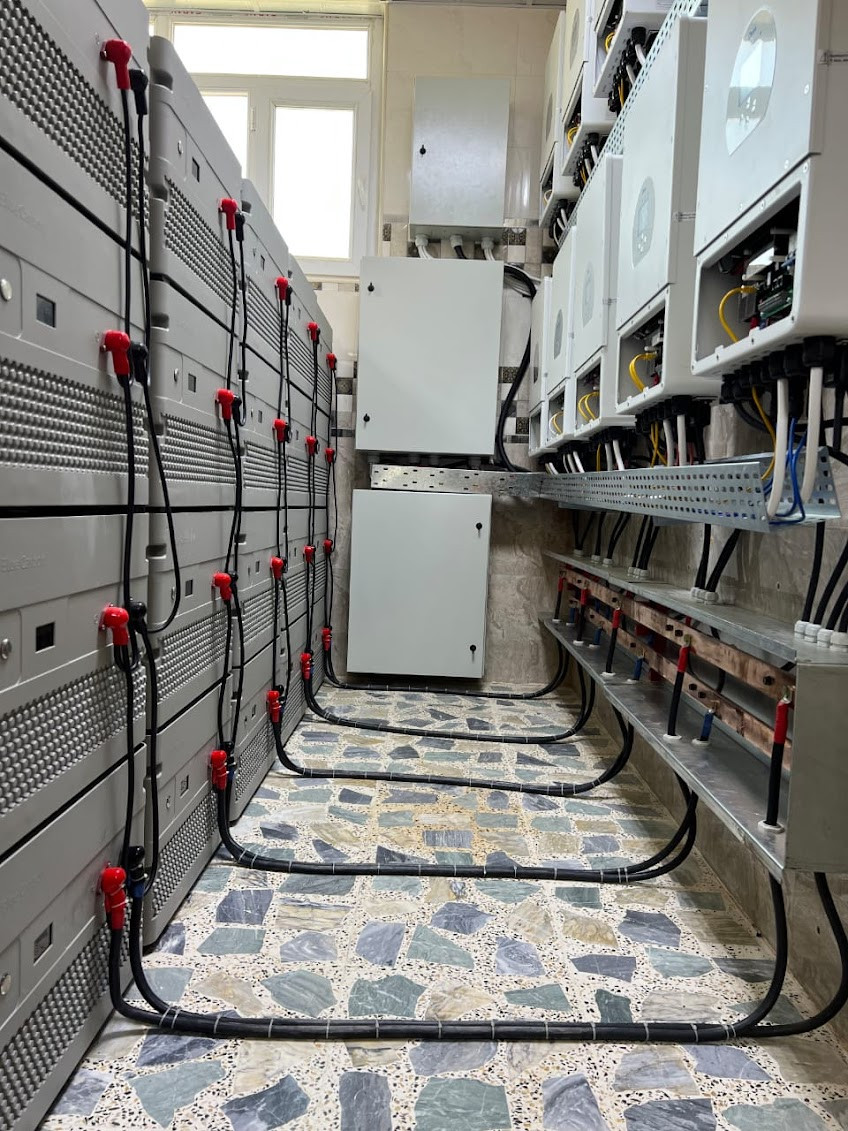
Solar energy
systems are more than just panels mounted on a roof. Behind every efficient and
safe solar installation lies a carefully designed electrical infrastructure.
While solar panels, inverters, and batteries often get most of the attention, cable
sizing and electrical components play a critical role in system
performance, safety, and long-term reliability.
Improper
cable sizing or substandard electrical components can lead to voltage drop,
overheating, energy loss, equipment damage, and even fire outbreaks. Whether
you are installing a residential, commercial, or industrial solar system,
understanding electrical design fundamentals is essential.
In this
comprehensive guide, we’ll explore:
- Why cable sizing is crucial in
solar installations
- Key electrical components used
in solar systems
- How to calculate proper cable
size
- Safety standards and best
practices
- Common mistakes to avoid
Why Cable
Sizing Matters in Solar Installations
Cables act
as the arteries of a solar system. They transfer power from:
- Solar panels to charge
controllers or inverters
- Charge controllers to battery
banks
- Batteries to inverters
- Inverters to distribution boards
If cables
are too small (undersized), they generate excessive heat due to high
resistance. This can result in:
- Energy loss
- Reduced efficiency
- Damaged insulation
- Equipment malfunction
- Fire hazards
On the other
hand, oversized cables increase cost unnecessarily. The goal is to achieve
optimal balance between safety, efficiency, and cost.
Key
Electrical Components in a Solar Installation
Understanding
cable sizing also requires knowledge of the electrical components involved.
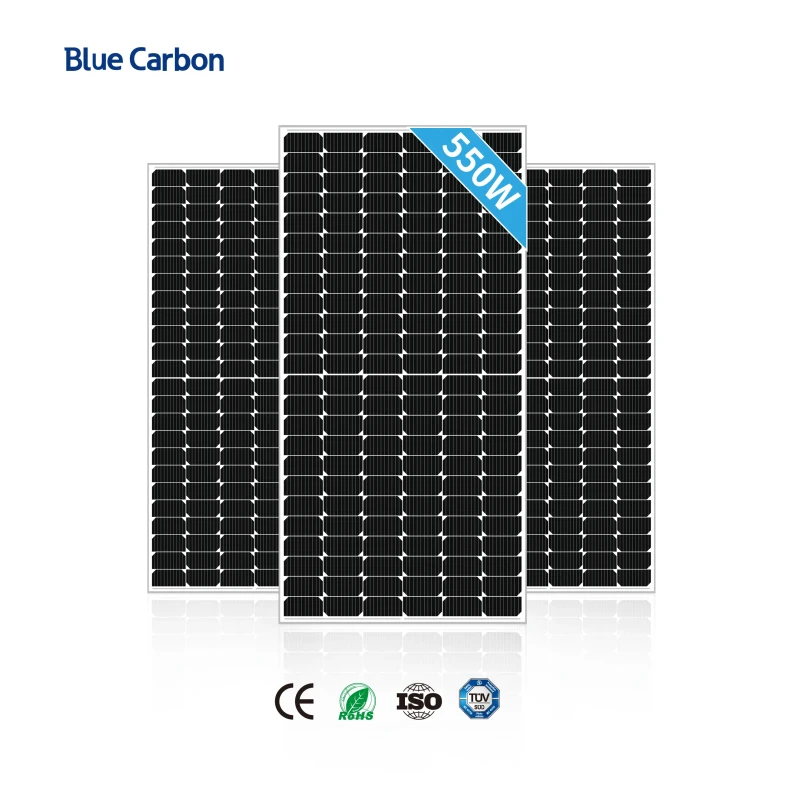
1. Solar
Panels (PV Modules)
Solar panels
generate DC (direct current) electricity. The current output of panels
determines the size of DC cables required.
Important
factors:
- Short circuit current (Isc)
- Maximum power current (Imp)
- System voltage
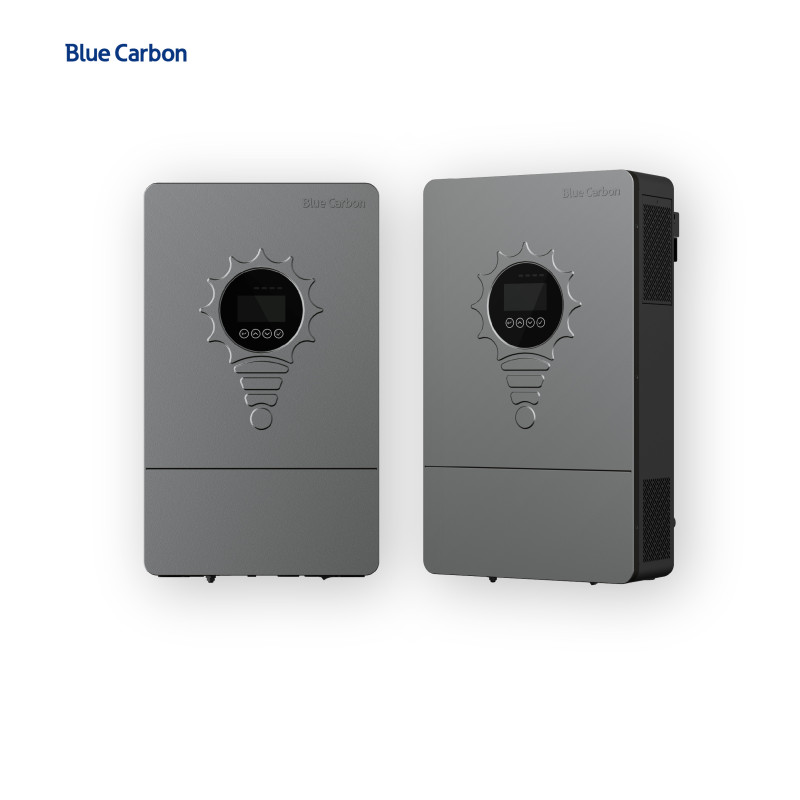
2. Solar
Inverter
The inverter
converts DC power to AC (alternating current) for household or industrial use.
Cable
considerations include:
- DC input cable size
- AC output cable size
- Surge handling capacity
Three-phase
industrial inverters require more complex cable sizing than single-phase
residential systems.
3. Charge
Controller
In off-grid
or hybrid systems, the charge controller regulates power flowing into
batteries.
Improper
cable sizing between panels and controller can reduce charging efficiency.
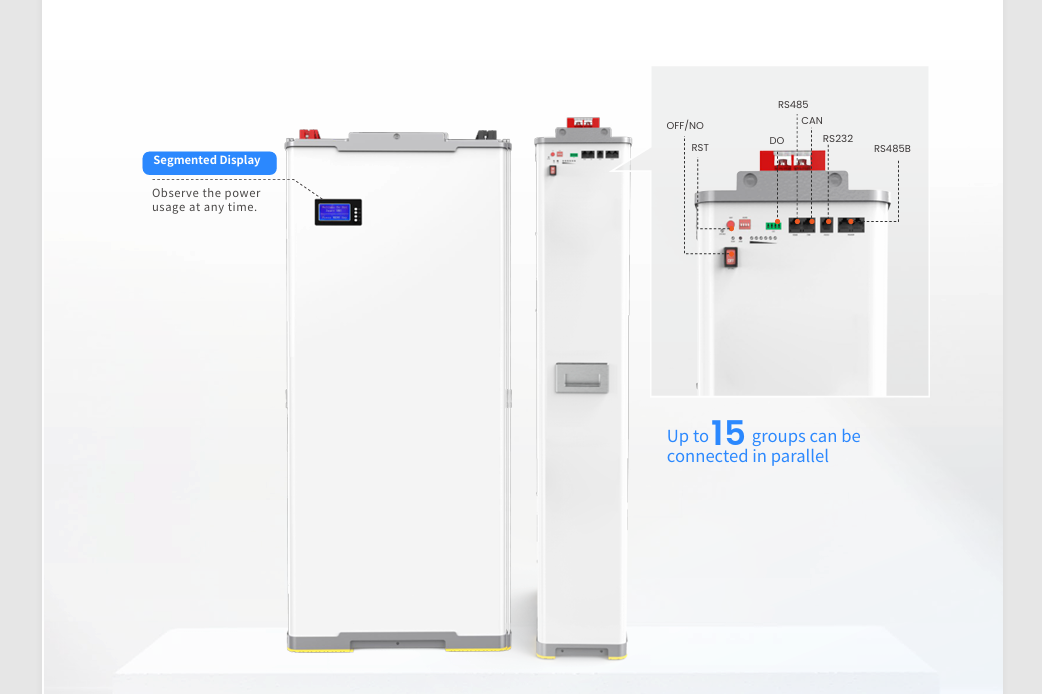
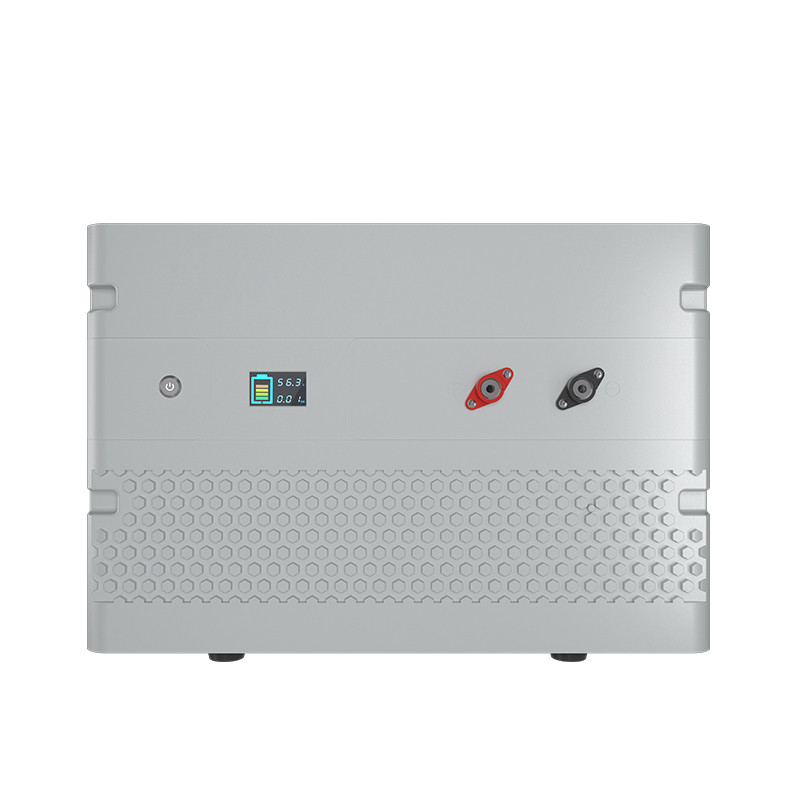
4.
Battery Bank
Batteries
often draw high current, especially during discharge.
Battery
cables must:
- Handle high amperage
- Be heat resistant
- Have secure terminations
Incorrect
battery cable sizing is one of the most common causes of overheating in solar
systems.
5. DC and
AC Isolators
Isolators
allow safe disconnection of power during maintenance.
They must be
rated according to:
- System voltage
- Maximum current
6.
Circuit Breakers and Fuses
Protective
devices prevent damage during overload or short circuits.
They
protect:
- Solar panels
- Inverters
- Batteries
- Wiring systems
Proper
coordination between cable size and breaker rating is essential.
7. Surge
Protection Devices (SPD)
Solar
systems are vulnerable to lightning and voltage spikes. SPDs protect equipment
from damage.
Industrial
systems often require advanced surge protection systems.
Understanding
Cable Sizing Fundamentals
Cable sizing
depends on several technical factors.
1.
Current (Amperage)
The most
important factor is the maximum current flowing through the cable.
Formula:
Current (A)
= Power (W) ÷ Voltage (V)
Example:
If a 5kW
inverter runs at 48V:
5000 ÷ 48 =
104A
The cable
must safely handle more than 104A, typically with a safety margin of 20–25%.
2.
Voltage Drop
Voltage drop
occurs when electrical pressure reduces over long cable distances.
Excessive
voltage drop causes:
- Reduced efficiency
- Poor battery charging
- Inverter shutdown
Recommended
voltage drop:
- DC side: less than 2–3%
- AC side: less than 3–5%
Longer cable
runs require thicker cables to minimize voltage drop.
3. Cable
Length
The longer
the cable, the greater the resistance.
Industrial
installations often involve long cable distances, requiring careful design.
4.
Installation Method
Cable
ampacity changes depending on:
- Buried underground
- Installed in conduit
- Exposed to air
- Bundled with other cables
Heat
dissipation affects allowable current capacity.
5.
Ambient Temperature
High
temperatures reduce cable current capacity.
In hot
climates, derating factors must be applied.
Types of
Cables Used in Solar Installations
1. DC
Solar Cables
Used
between:
- Panels
- Charge controllers
- Batteries
Features:
- UV resistant
- Double insulated
- Weatherproof
- Flame retardant
2. AC
Power Cables
Used
between:
- Inverter and distribution board
- Grid connection points
These cables
must comply with electrical standards and load requirements.
3.
Battery Cables
Thick copper
cables designed to handle high current.
Often
require crimped lugs and secure connections.
Importance
of Proper Termination and Connections
Even with
correctly sized cables, poor termination can cause:
- Resistance buildup
- Overheating
- Arcing
- Fire hazards
Best
practices include:
- Using appropriate cable lugs
- Proper crimping tools
- Tightening torque compliance
- Regular inspection
Electrical
Protection and Safety Standards
Solar
installations must comply with national electrical codes and safety standards.
Key
protection measures:
- Earthing/grounding system
- Lightning protection
- Proper breaker sizing
- Cable insulation rating
- Fire-resistant materials
Safety
compliance protects:
- Property
- Equipment
- Human life
Common
Cable Sizing Mistakes in Solar Installations
- Ignoring voltage drop
calculations
- Not applying safety margins
- Using aluminum instead of copper
without recalculating
- Underestimating battery
discharge current
- Mixing different cable sizes
improperly
- Poor-quality cable selection
These
mistakes often result in overheating, system inefficiency, or premature
equipment failure.
Industrial
vs Residential Cable Considerations
Residential
Installations
- Shorter cable distances
- Lower current demand
- Simpler distribution systems
Industrial
Installations
- Three-phase systems
- High surge loads
- Long cable runs
- Heavy-duty protective devices
Industrial
projects require advanced electrical engineering design.
Cost vs
Safety: Why You Should Never Compromise
Some
installers reduce cable size to cut costs.
However,
undersized cables can cause:
- System downtime
- Equipment damage
- Insurance claim denial
- Fire outbreak
Investing in
proper cable sizing reduces long-term operational risk.
The Role
of Professional Design and Engineering
Solar
electrical design should be handled by trained professionals who:
- Perform load analysis
- Apply derating factors
- Follow safety codes
- Use proper calculation tools
Engineering
accuracy ensures:
- System efficiency
- Long-term durability
- Reduced maintenance
- Safety compliance
Conclusion
Understanding
cable sizing and electrical components during the solar installation process is
crucial for system safety, performance, and longevity.
Cables are
not just connectors-they are critical safety components. Proper sizing prevents
overheating, voltage drop, equipment damage, and fire risks.
Whether
installing a residential system or a large industrial solar plant, accurate
electrical design ensures that your solar investment delivers reliable and
efficient energy for years.
Never
compromise on cable quality, protection devices, or professional engineering. A
safe solar installation begins with proper electrical planning.
Recent Posts
Why Blue Carbon Products Have the Best Quality in the Nigerian Market: Making Blue Carbon the Most Preferred Choice
Blue Carbon Invites You to the 2026 Nigeria International Lighting Expo - September 16 - 18, 2026
High Voltage vs Low Voltage Energy Storage Systems: How to Choose the Right Solution with Blue Carbon
Register Your Blue Carbon Product for Warranty to Gain Access to Warranty Support