
Things to Consider When Choosing a Solar System for Industrial Purpose
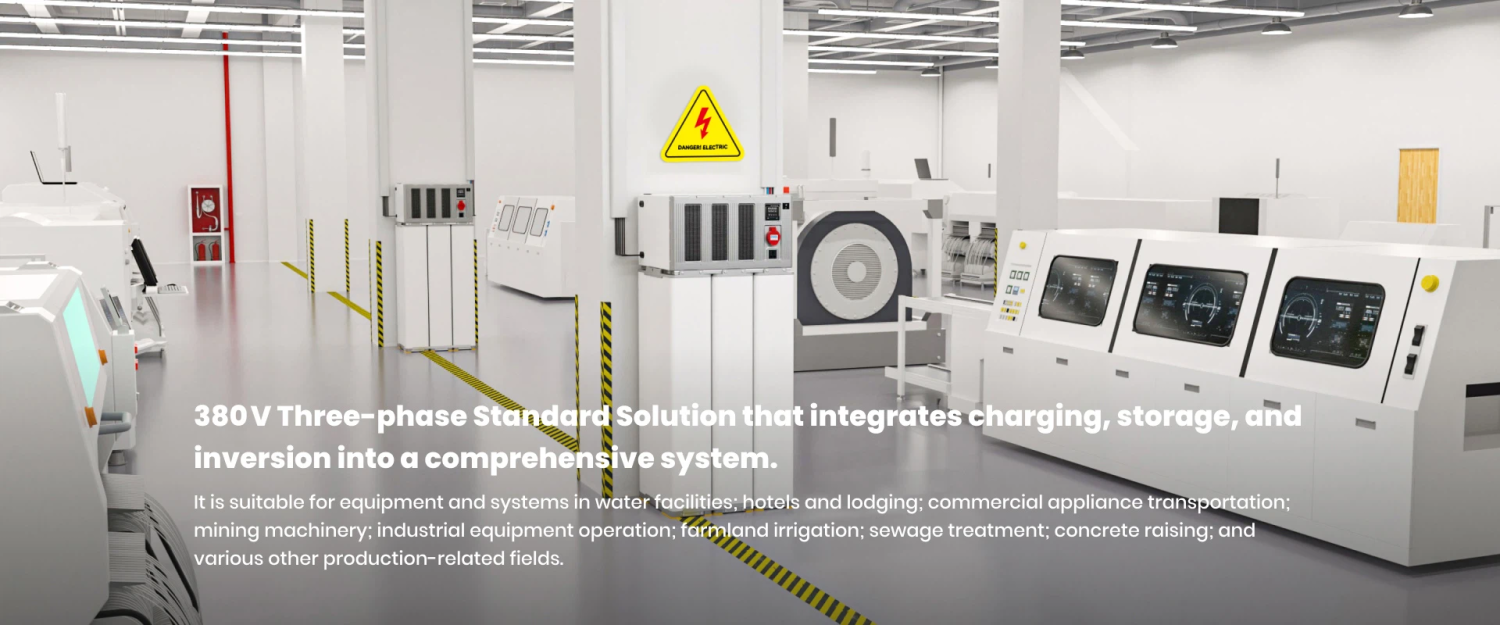
As energy costs continue to rise and power supply remains unstable in many regions, industries are increasingly turning to solar energy as a reliable and cost-effective solution. However, choosing a solar system for industrial purposes is very different from selecting one for residential or small commercial use.
Industrial solar systems must handle
heavy loads, continuous operations, sensitive machinery, and long operating
hours. A poorly designed system can lead to power instability, equipment
damage, downtime, and financial loss. Therefore, careful planning and technical
evaluation are essential.
In this article, we explore the key
things to consider when choosing a solar system for industrial use, helping
decision-makers invest wisely and achieve maximum performance, reliability, and
return on investment.
1.
Detailed Load Assessment and Energy Demand Analysis
The most critical step in designing
an industrial solar system is accurate load calculation.
Why
Load Assessment Matters
Industrial facilities operate:
- Heavy machinery
- Motors and pumps
- Production lines
- Industrial lighting
- IT systems and control panels
An accurate load assessment
determines:
- Total power demand (kW)
- Daily energy consumption (kWh)
- Peak load requirements
- Future expansion needs
Without proper load calculation, the
system may be undersized (causing frequent shutdowns) or oversized (leading to
unnecessary capital expenses).
2.
Nature of Industrial Operations (24/7 or Shift-Based)
Industrial facilities operate
differently depending on their sector.
Key
Questions to Ask
- Is the facility operating 24/7 or in shifts?
- Are machines running continuously or intermittently?
- Are night operations critical?
Facilities with night shifts
require:
- Larger battery storage
- Hybrid systems
- Reliable backup options
Understanding operation patterns
ensures the solar system is designed for consistent power availability.
3.
Type of Solar System: On-Grid, Off-Grid, or Hybrid
Choosing the right system type is
crucial for industrial reliability.
On-Grid
Systems
- Suitable where grid power is stable
- Lower initial cost
- No battery storage
- Power stops during grid outages
Off-Grid
Systems
- Completely independent
- Requires large battery banks
- Ideal for remote industrial sites
- Higher upfront cost
Hybrid
Systems
- Combines solar, batteries, and grid or generator
- Offers flexibility and backup power
- Most suitable for industries in unstable grid
environments
For most industries, hybrid solar
systems provide the best balance between reliability and cost efficiency.
4.
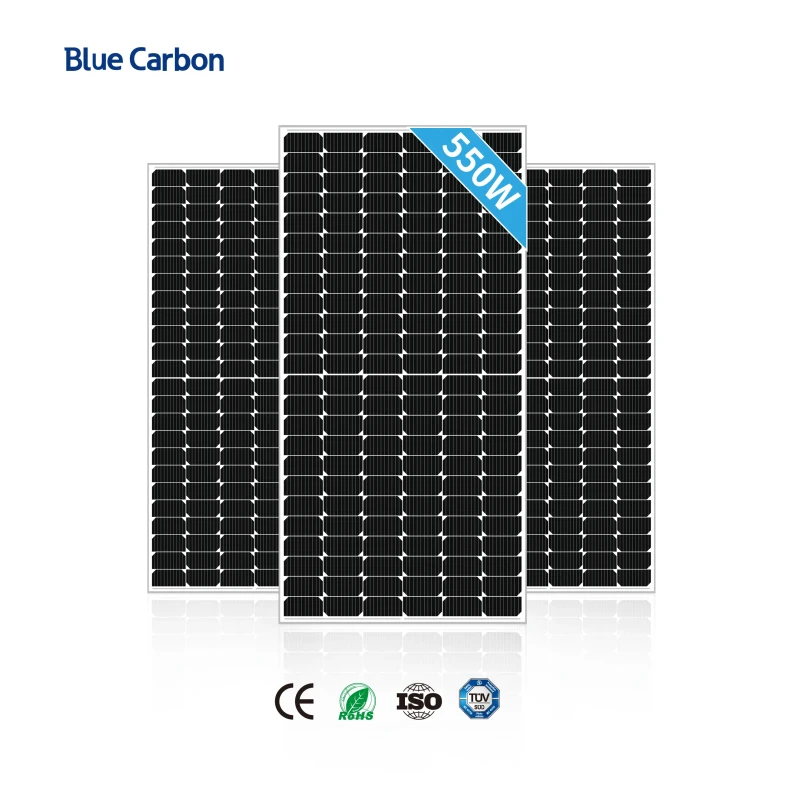
Solar Panel Quality and Efficiency
Industrial solar systems require high-efficiency
and durable solar panels.
Key
Panel Factors
- High wattage output
- Efficiency rating
- Temperature tolerance
- Mechanical strength
- Long warranty period
Industrial rooftops and ground
mounts must maximize power generation within limited space. Higher-efficiency
panels reduce the total number of panels required while delivering more energy.
5.
Inverter Capacity and Industrial Compatibility
Inverters are the backbone of an
industrial solar system.
What
to Consider
- Continuous power rating
- Surge capacity for motors and machines
- Compatibility with three-phase systems
- Protection against voltage fluctuations
- Smart monitoring and diagnostics
Industrial facilities often require three-phase
inverters to handle heavy equipment and maintain power balance.
6.
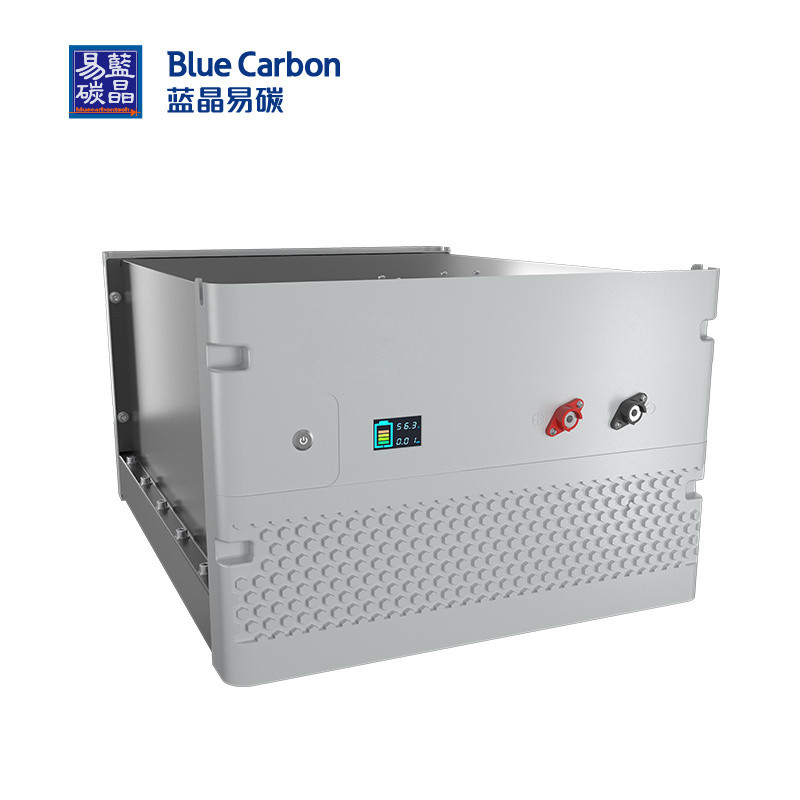
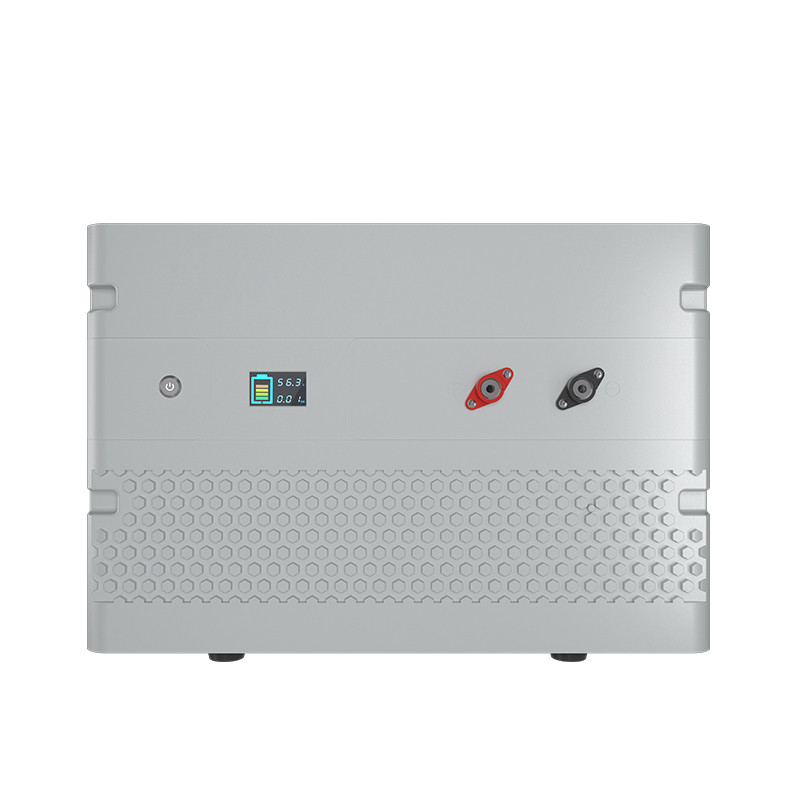
Battery Storage Capacity and Battery Technology
Battery storage plays a critical
role in industrial solar systems, especially for facilities that operate beyond
daylight hours.
Key
Battery Considerations
- Energy storage capacity (kWh)
- Depth of discharge (DoD)
- Charge and discharge rates
- Cycle life and lifespan
- Safety and thermal stability
Modern industrial systems
increasingly use lithium batteries due to:
- Longer lifespan
- Faster charging
- Higher efficiency
- Lower maintenance requirements
Choosing the right battery
technology ensures uninterrupted operations and reduced generator dependency.
7.
Scalability and Future Expansion
Industrial facilities grow over
time, adding:
- New machines
- Additional production lines
- Expanded operations
A solar system should be scalable,
allowing:
- Easy addition of panels
- Battery capacity expansion
- Inverter upgrades
Planning for future growth prevents
the need for complete system redesigns and saves long-term costs.
8.
Installation Space and Structural Integrity
Industrial solar installations may
be:
- Rooftop-mounted
- Ground-mounted
- Carport-mounted
Key
Considerations
- Roof strength and condition
- Available land space
- Shading and orientation
- Wind and environmental exposure
A structural assessment ensures
safety, optimal performance, and compliance with engineering standards.
9.
System Monitoring and Energy Management
Industrial solar systems require advanced
monitoring.
Why
Monitoring Is Important
- Tracks energy production and consumption
- Detects faults early
- Improves operational efficiency
- Supports energy optimization strategies
Smart monitoring systems help
facility managers make data-driven decisions and maximize energy savings.
10.
Compliance, Safety, and Industry Standards
Industrial solar systems must comply
with:
- Electrical safety standards
- Fire protection regulations
- Grid interconnection requirements
- Environmental guidelines
Compliance ensures:
- Worker safety
- Equipment protection
- Legal approval
- Long-term system reliability
11.
Reliability and Redundancy Planning
Industrial downtime is costly. A
solar system must be designed with:
- Backup power integration
- Redundant components where necessary
- Generator compatibility
- Fail-safe protection mechanisms
Reliability planning ensures
continuous operations even during unexpected system failures.
12.
Total Cost of Ownership (Not Just Initial Cost)
Many industries focus only on
installation cost, but total cost of ownership (TCO) is more important.
TCO
Includes
- Initial installation cost
- Maintenance expenses
- Battery replacement cycles
- System efficiency over time
- Downtime risk
High-quality systems may cost more
initially but deliver lower lifetime costs and higher reliability.
13.
Professional Design and Installation Expertise
Industrial solar systems are complex
and require experienced professionals.
Why
Expertise Matters
- Proper system sizing
- Safe installation
- Optimal component selection
- Long-term performance assurance
Working with qualified solar
engineers ensures the system meets industrial demands and performs efficiently.
14.
Return on Investment (ROI) and Payback Period
Industries invest in solar to:
- Reduce operating costs
- Improve energy stability
- Increase profitability
A properly designed industrial solar
system typically:
- Reduces energy costs by 40%–80%
- Achieves payback within a few years
- Provides decades of energy savings
Understanding ROI helps management
justify the investment.
Conclusion
Choosing a solar system for
industrial purposes requires careful planning, technical expertise, and
long-term thinking. From load assessment and system type selection to battery
technology and scalability, every decision impacts performance, reliability,
and financial returns.
When designed correctly, an
industrial solar system delivers:
- Significant cost savings
- Reliable power supply
- Operational stability
- Long-term sustainability
For industries seeking energy
independence and cost control, solar power is no longer optional-it is a
strategic investment.
Recent Posts
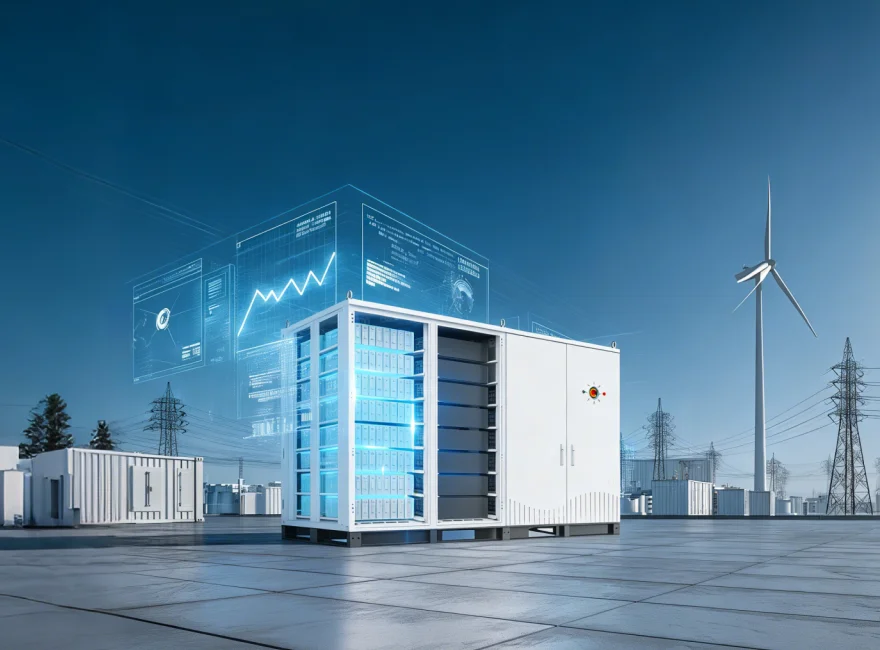
High Voltage vs Low Voltage Energy Storage Systems: How to Choose the Right Solution with Blue Carbon
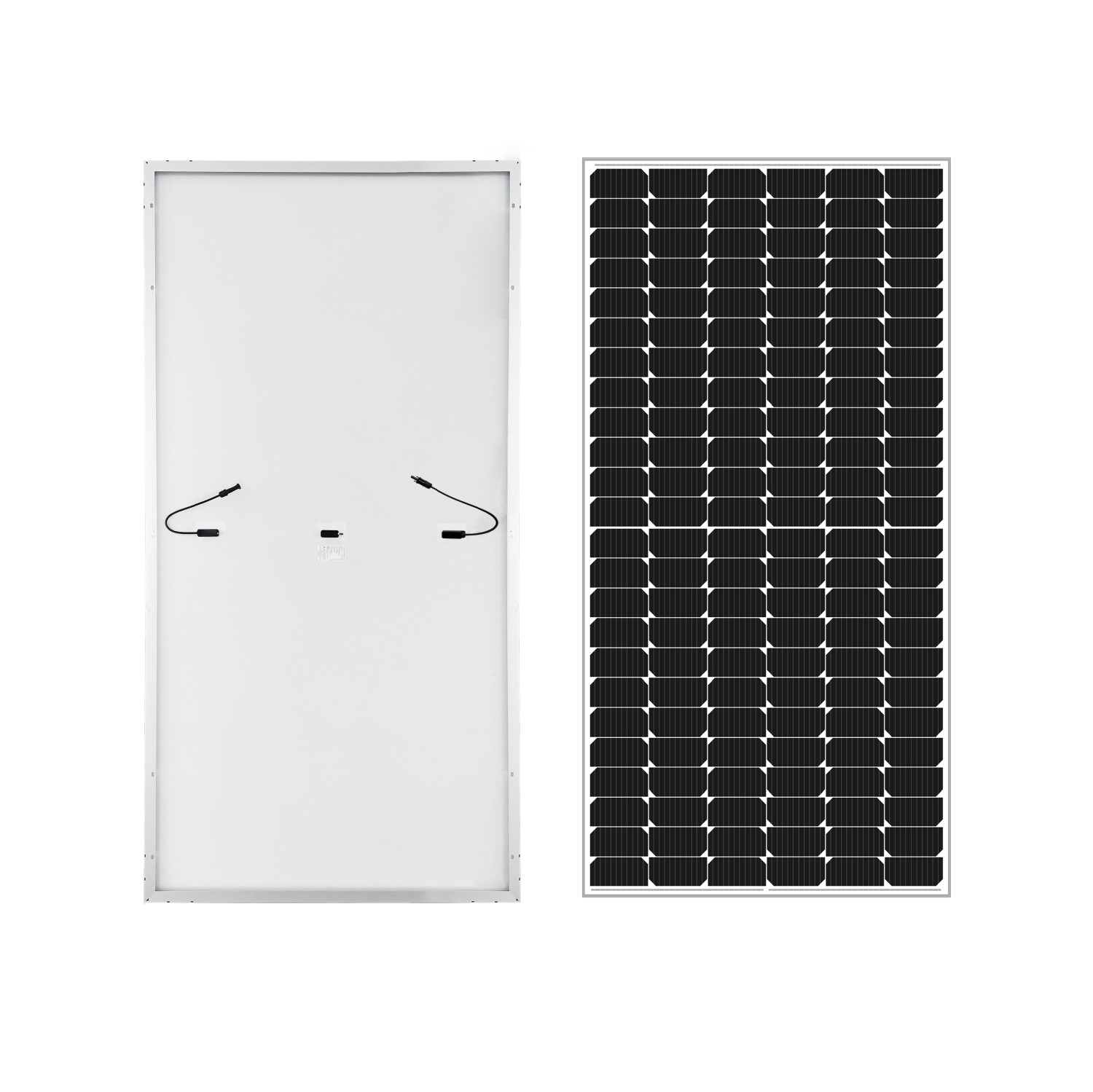
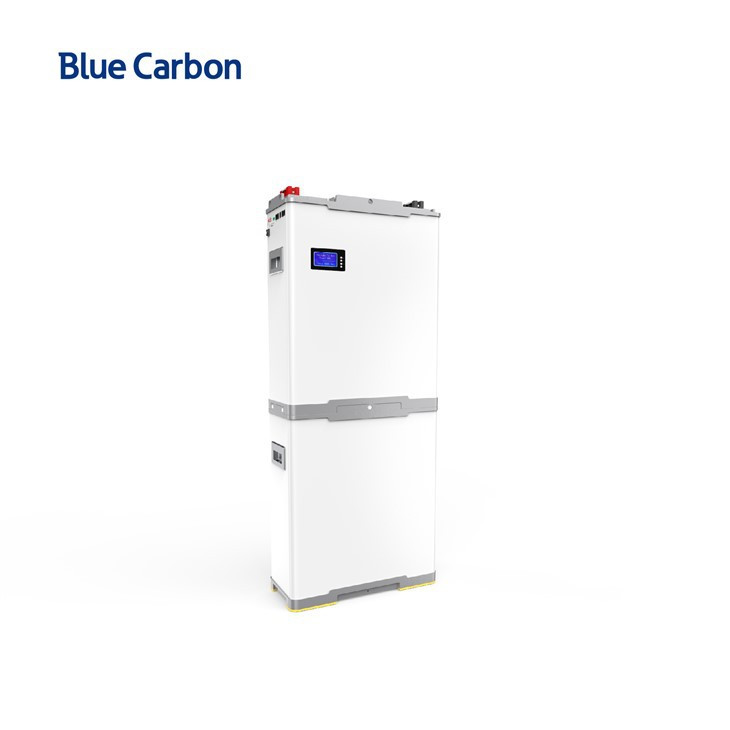
Register Your Blue Carbon Product for Warranty to Gain Access to Warranty Support
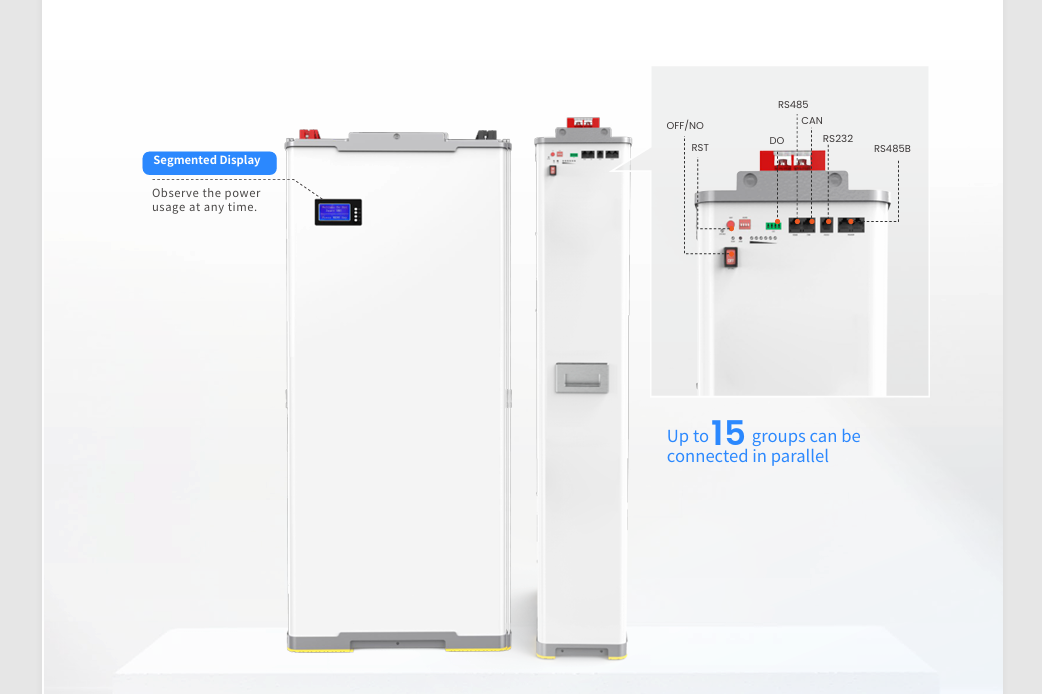
Blue Carbon Lithium Batteries: New Arrival with Smart BMS Specially Designed to Give Our Customers the Best Experience
How to Manage Your Solar System During the Rainy Season to Increase Backup Time
LiFePO₄ vs NMC Batteries: Which Is Better for Energy Storage Projects?