
Types of Inverters, Their Advantages and Durability
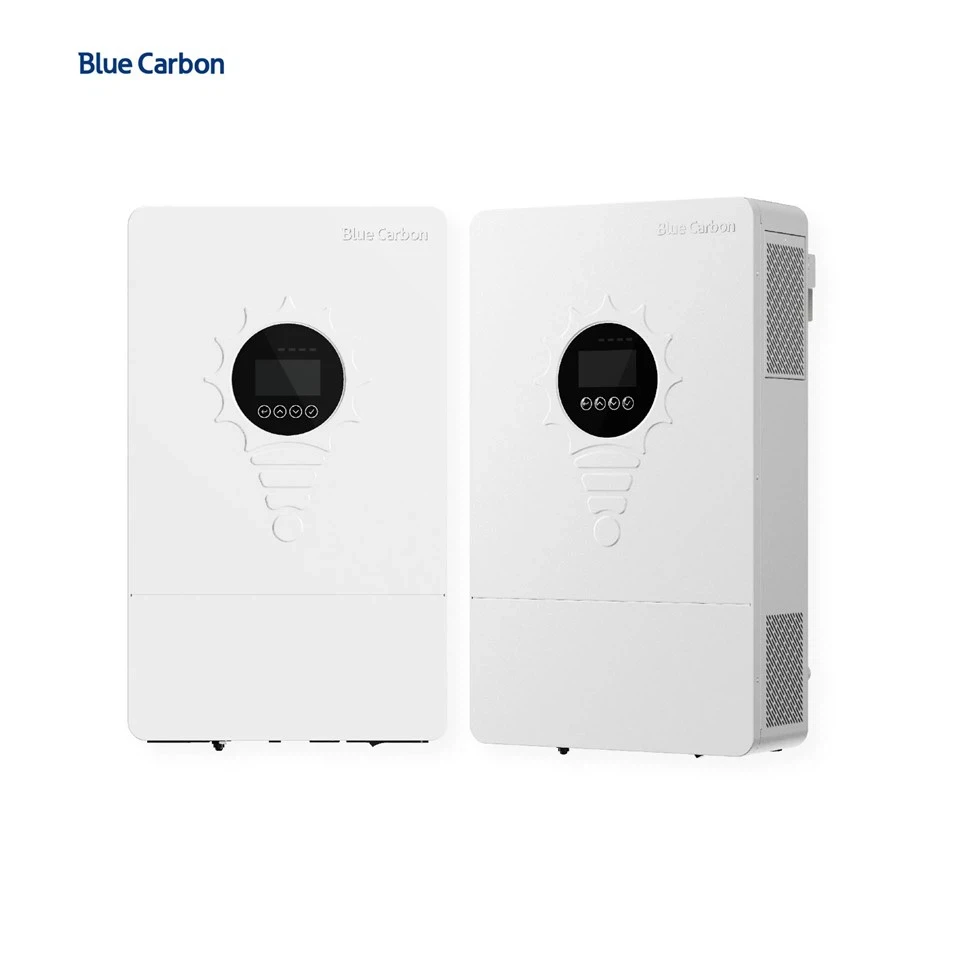
Inverters are the backbone of modern solar power systems and backup energy solutions. Whether for homes, businesses, or industrial facilities, the inverter determines how efficiently power is converted, how stable the electricity supply is, and how long the entire system will last.
Choosing the right inverter type is
essential for achieving reliable performance, protecting electrical appliances,
and ensuring long-term durability. In this article, we explore the different
types of inverters, their advantages, durability, and ideal applications to
help you make an informed decision.
What
Is an Inverter and Why Is It Important?
An inverter is an electronic device
that converts direct current (DC) electricity-produced by solar panels
or stored in batteries-into alternating current (AC) electricity used by
most appliances and industrial equipment.
Key
Functions of an Inverter
- Converts DC power to usable AC power
- Regulates voltage and frequency
- Protects appliances from power fluctuations
- Manages power flow between solar panels, batteries,
grid, and generator
- Enhances system efficiency and reliability
Without a quality inverter, even the
best solar panels and batteries cannot perform effectively.
Main
Types of Inverters
Inverters are classified based on
their design, application, and power source. Below are the most common inverter
types used today.
1.
Off-Grid Inverters
Description
Off-grid inverters operate
independently from the utility grid. They rely on solar panels and batteries to
supply electricity.
Advantages
- Ideal for remote or rural areas
- Full energy independence
- No reliance on unstable grid power
- Can be customized for specific energy needs
Durability
Off-grid inverters are designed for
continuous operation and rugged environments. High-quality models can last 8-15
years with proper maintenance and stable battery systems.
Best
For
- Remote homes
- Farms and rural facilities
- Areas without grid access
2.
On-Grid (Grid-Tie) Inverters
Description
On-grid inverters work in connection
with the utility grid and do not use batteries.
Advantages
- High energy efficiency
- Lower installation cost
- Ability to feed excess power into the grid
- Minimal maintenance requirements
Durability
Grid-tie inverters typically last 10-15
years. However, they shut down during grid outages for safety reasons.
Best
For
- Urban homes
- Commercial buildings with stable grid supply
- Grid-connected solar systems
3.
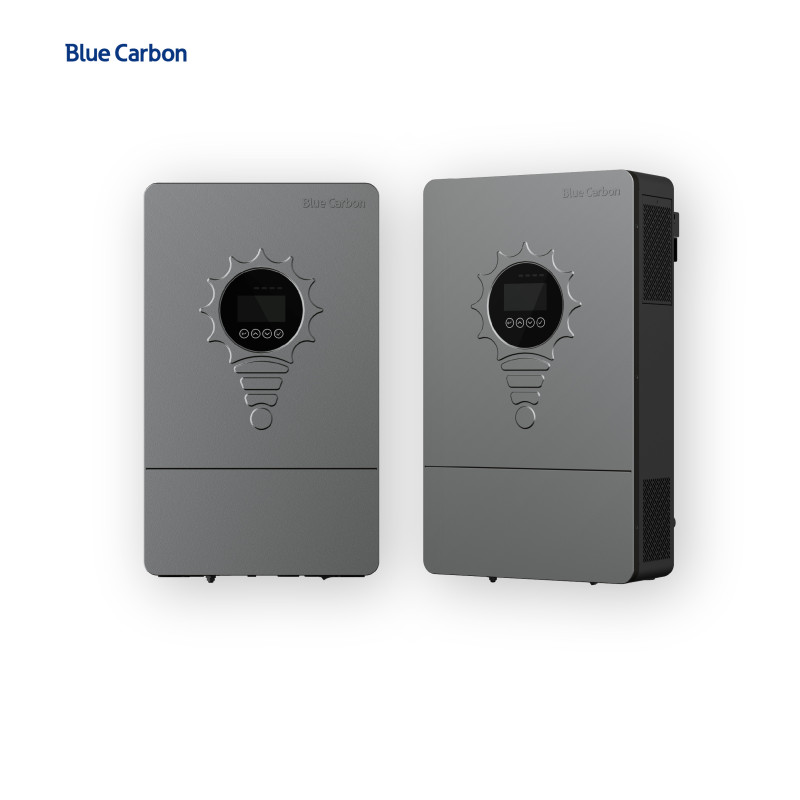
Hybrid Inverters
Description
Hybrid inverters combine the
functions of on-grid and off-grid systems. They can work with solar panels,
batteries, grid power, and generators.
Advantages
- Power backup during grid outages
- Flexible energy management
- Efficient battery charging
- Reduced generator dependence
- Smart energy monitoring
Durability
Hybrid inverters are built with
advanced electronics and protective features. With proper installation, they
can last 10-15 years or more.
Best
For
- Homes and businesses
- Areas with unstable grid supply
- Users seeking energy independence
4.
Modified Sine Wave Inverters
Description
These inverters produce a simplified
waveform and are usually cheaper.
Advantages
- Affordable initial cost
- Suitable for basic appliances
- Simple design
Durability
While functional, modified sine wave
inverters may shorten appliance lifespan. Durability typically ranges 5-8
years, depending on load quality.
Best
For
- Low-power applications
- Non-sensitive devices
5.
Pure Sine Wave Inverters
Description
Pure sine wave inverters produce
electricity similar to utility power.
Advantages
- Safe for sensitive electronics
- Higher efficiency
- Reduced noise and heat
- Improved appliance lifespan
Durability
Pure sine wave inverters are built
with higher-quality components and can last 10-15 years or more.
Best
For
- Homes
- Offices
- Industrial equipment
- Medical and IT systems
6.
Single-Phase Inverters
Description
Single-phase inverters are designed
for standard residential and light commercial loads.
Advantages
- Simple installation
- Cost-effective
- Adequate for small to medium loads
Durability
With proper ventilation and load
management, these inverters can last 8-12 years.
Best
For
- Residential buildings
- Small offices
7.
Three-Phase Inverters
Description
Three-phase inverters are used for
high-power applications requiring balanced electrical loads.
Advantages
- Handles heavy machinery
- Improved efficiency for industrial loads
- Stable voltage distribution
- Reduced power loss
Durability
Industrial-grade three-phase
inverters are designed for heavy-duty use and can last 12-20 years.
Best
For
- Factories
- Manufacturing plants
- Large commercial facilities
Factors
That Affect Inverter Durability
1.
Build Quality
High-quality components increase
lifespan and reliability.
2.
Installation Quality
Proper wiring, grounding, and
ventilation reduce failure risks.
3.
Load Management
Overloading shortens inverter life.
4.
Environmental Conditions
Excessive heat, dust, and moisture
reduce durability.
5.
Maintenance
Periodic inspection improves
performance and longevity.
How
to Choose a Durable Inverter
When selecting an inverter,
consider:
- Power rating and surge capacity
- Compatibility with batteries and solar panels
- Protection features (overload, short circuit,
temperature)
- Warranty period
- Manufacturer reputation
A durable inverter is an investment
in system reliability and long-term savings.
Why
Inverter Quality Matters More Than Price
While low-cost inverters may seem
attractive, they often:
- Fail earlier
- Damage appliances
- Deliver unstable power
- Increase long-term costs
High-quality inverters provide
stable electricity, protect appliances, and reduce maintenance expenses over
time.
Conclusion
Understanding the types of
inverters, their advantages, and durability helps you choose the right solution
for your energy needs. Whether for residential, commercial, or industrial use,
selecting a high-quality inverter ensures efficient power conversion, appliance
protection, and long-term reliability.
An inverter is not just a component-it
is the control center of your power system. Choosing wisely guarantees energy
stability, safety, and lasting value.
Recent Posts
High Voltage vs Low Voltage Energy Storage Systems: How to Choose the Right Solution with Blue Carbon
Register Your Blue Carbon Product for Warranty to Gain Access to Warranty Support
Blue Carbon Lithium Batteries: New Arrival with Smart BMS Specially Designed to Give Our Customers the Best Experience
How to Manage Your Solar System During the Rainy Season to Increase Backup Time
LiFePO₄ vs NMC Batteries: Which Is Better for Energy Storage Projects?