
Types of Inverters, Their Benefits, and Things to Consider When Choosing an Inverter
As solar energy adoption continues
to grow across Nigeria, one component remains at the heart of every successful
solar power system-the inverter. Whether for residential homes,
commercial buildings, or industrial facilities, the inverter determines how
efficiently solar energy is converted, managed, and utilized.
Choosing the right inverter is not
just about price; it directly affects system performance, battery lifespan,
energy savings, and long-term reliability. This guide explains the types of
inverters, their benefits, and the key factors to consider when
choosing an inverter, helping you make an informed decision.
What
Is a Solar Inverter and Why Is It Important?
A solar inverter is the device that
converts direct current (DC) electricity generated by solar panels or
stored in batteries into alternating current (AC) electricity used by
appliances and equipment.
Beyond conversion, modern inverters:
- Regulate voltage and frequency
- Protect connected equipment
- Manage battery charging and discharging
- Enable energy monitoring and smart control
Without a quality inverter, even the
best solar panels and batteries cannot perform optimally.
Types
of Inverters and How They Work
1.
Pure Sine Wave Inverters
Pure sine wave inverters produce
electricity that closely matches the power supplied by public utility grids.
Benefits:
- Safe for all appliances
- Ideal for sensitive electronics (TVs, computers,
medical devices)
- Quiet operation
- Higher efficiency and system stability
Best For:
Homes, offices, hospitals, schools, and industrial systems
2.
Modified Sine Wave Inverters
These inverters generate a simpler
waveform that is less refined than pure sine wave output.
Benefits:
- Lower initial cost
- Suitable for basic appliances
Limitations:
- Can damage sensitive electronics
- Lower efficiency
- Noisy operation for some devices
Best For:
Temporary or low-budget setups (not recommended for long-term solar use)
3.
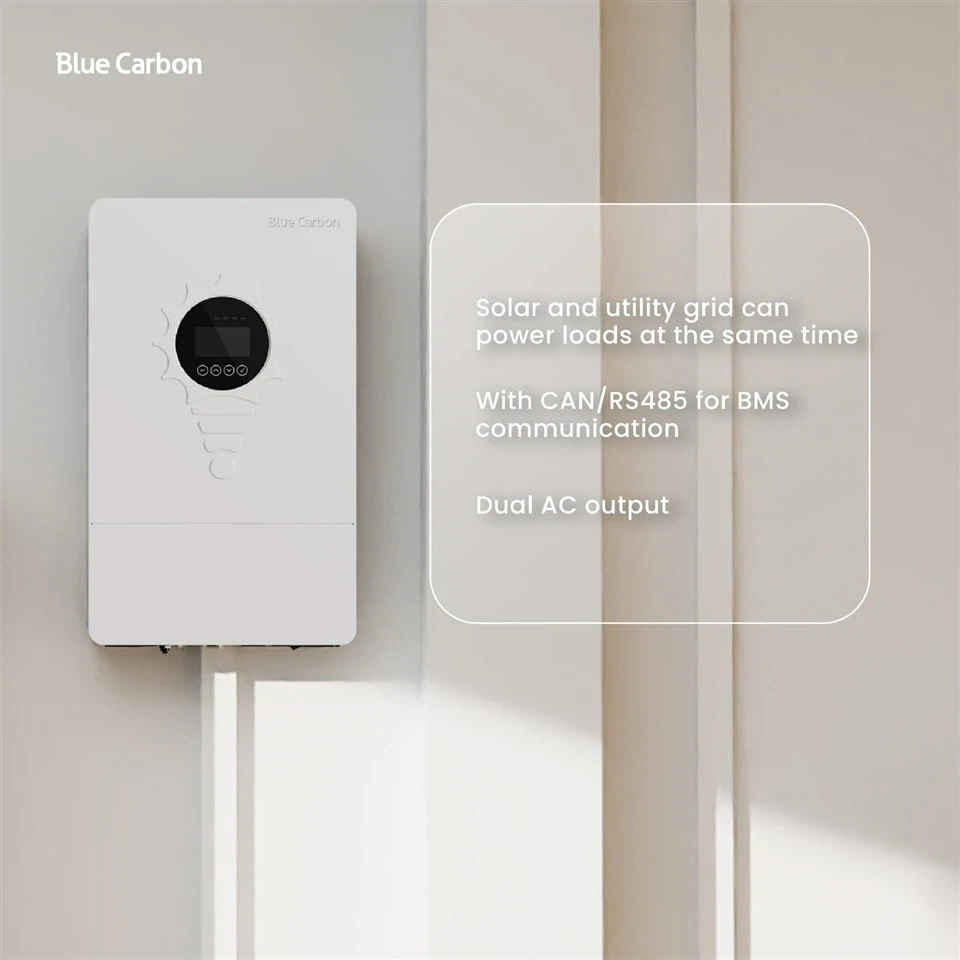
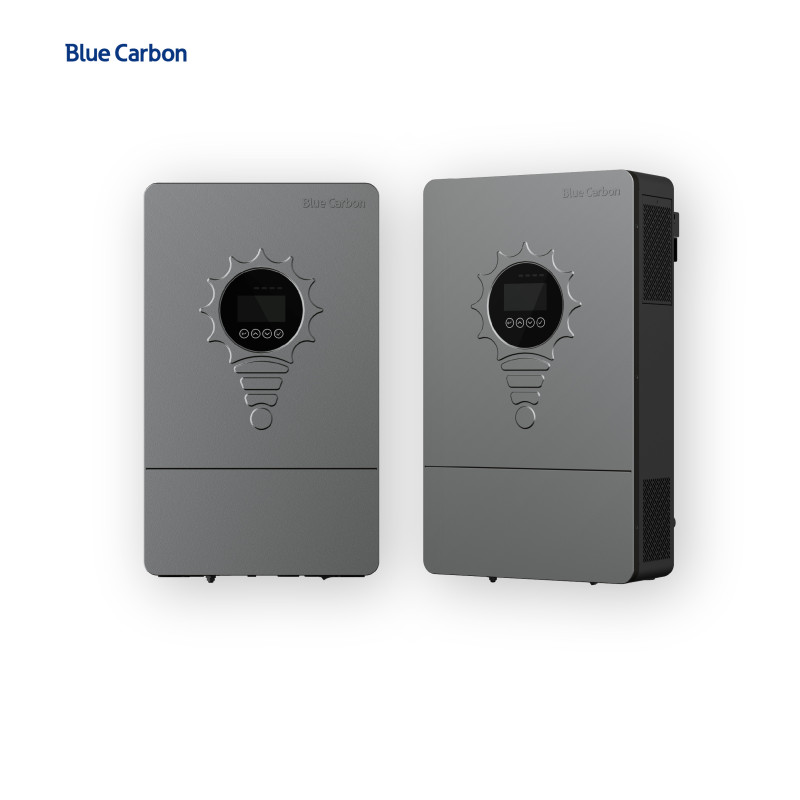
Hybrid Inverters
Hybrid inverters combine solar
inverter functionality with battery management and grid interaction in a single
unit.
Benefits:
- Works with solar panels, batteries, and grid power
- Automatic switching between power sources
- Smart energy management
- Reduced installation complexity
Best For:
Homes and businesses seeking flexibility and energy independence
(Widely used in Blue Carbon Nigeria solar solutions)
4.
Off-Grid Inverters
Off-grid inverters operate
independently of the national grid.
Benefits:
- Complete energy independence
- Ideal for areas with unreliable or no grid access
- Designed for battery-based systems
Best For:
Rural homes, farms, remote facilities, and telecom sites
5.
Grid-Tied Inverters
Grid-tied inverters work alongside
public utility power and feed excess solar energy into the grid.
Benefits:
- Lower system cost (no batteries required)
- High efficiency
- Supports net metering where available
Limitations:
- Shuts down during grid outages
- Not suitable for areas with unstable grid power
Best For:
Commercial buildings and urban locations with stable electricity supply
6.
String Inverters
One inverter manages multiple solar
panels connected in series.
Benefits:
- Cost-effective
- Easy maintenance
- Widely available
Limitations:
- One panel failure affects performance
- Less flexible design
7.
Micro Inverters
Each solar panel has its own
inverter.
Benefits:
- Maximum energy harvesting
- Independent panel performance
- Better system monitoring
Limitations:
- Higher cost
- Complex installation
Key
Benefits of Using the Right Inverter
Choosing a high-quality inverter
offers several advantages:
- Higher energy efficiency
- Extended battery lifespan
- Stable power output
- Protection against voltage fluctuations
- Reduced system downtime
- Smart monitoring and control
Blue Carbon Nigeria focuses on
inverter solutions that combine durability, efficiency, and compatibility
with lithium battery systems, especially LiFePO₄ technology.
Things
to Consider When Choosing an Inverter
1.
Power Capacity (VA or kVA Rating)
The inverter must handle your total
load demand comfortably. Undersized inverters cause overloads and shutdowns.
2.
Battery Compatibility
Ensure the inverter supports your
battery type:
- Lithium (LiFePO₄)
- AGM
- Gel
- Tubular
Modern systems perform best with
lithium-compatible inverters.
3.
System Type (Hybrid, Off-Grid, or Grid-Tied)
Your energy goals determine the inverter
type:
- Backup power → Hybrid
- No grid access → Off-grid
- Grid optimization → Grid-tied
4.
Efficiency Rating
Higher efficiency means:
- Less energy loss
- Faster battery charging
- Lower operating costs
5.
Surge Capacity
Some appliances require higher
startup power. A good inverter should handle surge loads without failure.
6.
Safety and Protection Features
Look for built-in protections such
as:
- Overload protection
- Short circuit protection
- Over-voltage protection
- Temperature control
7.
Monitoring and Smart Features
Advanced inverters provide:
- Mobile app monitoring
- Remote diagnostics
- Energy usage analytics
8.
Durability and Build Quality
Nigeria’s climate demands inverters
that withstand:
- Heat
- Dust
- Voltage instability
9.
Warranty and After-Sales Support
A reliable inverter should come
with:
- Manufacturer warranty
- Local technical support
- Availability of spare parts
Why
Professional Guidance Matters
Incorrect inverter selection leads
to:
- Frequent system faults
- Battery damage
- Reduced energy savings
Working with experienced solar
providers like Blue Carbon Nigeria ensures proper system design,
inverter sizing, and long-term reliability.
Conclusion
Inverters are the backbone of every
solar power system. Understanding the types of inverters, their benefits,
and selection criteria allows homeowners and businesses to invest wisely
and enjoy uninterrupted clean energy.
Choosing a high-quality inverter-combined with proper installation and compatible batteries-guarantees efficiency, durability, and peace of mind.
Recent Posts
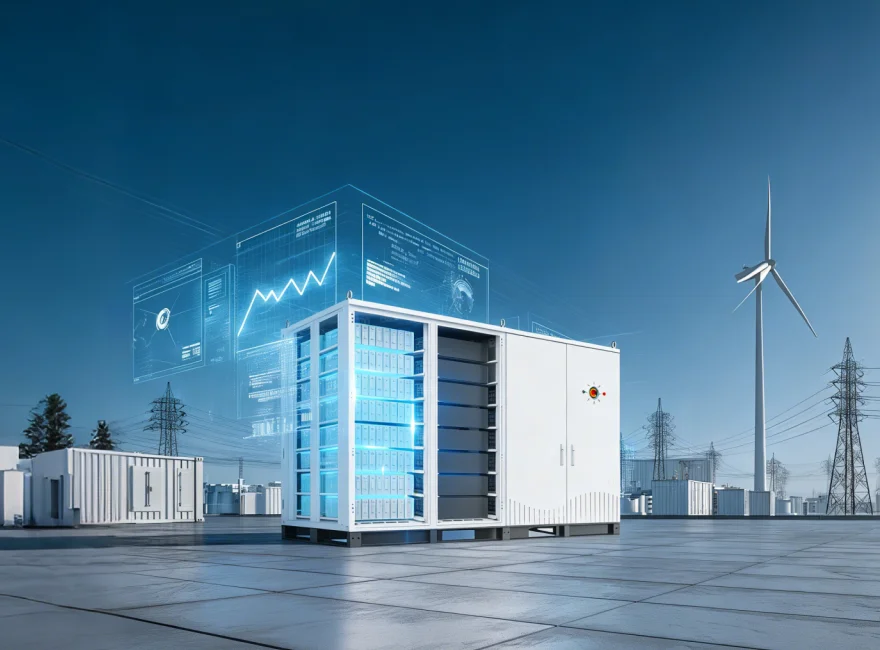
High Voltage vs Low Voltage Energy Storage Systems: How to Choose the Right Solution with Blue Carbon
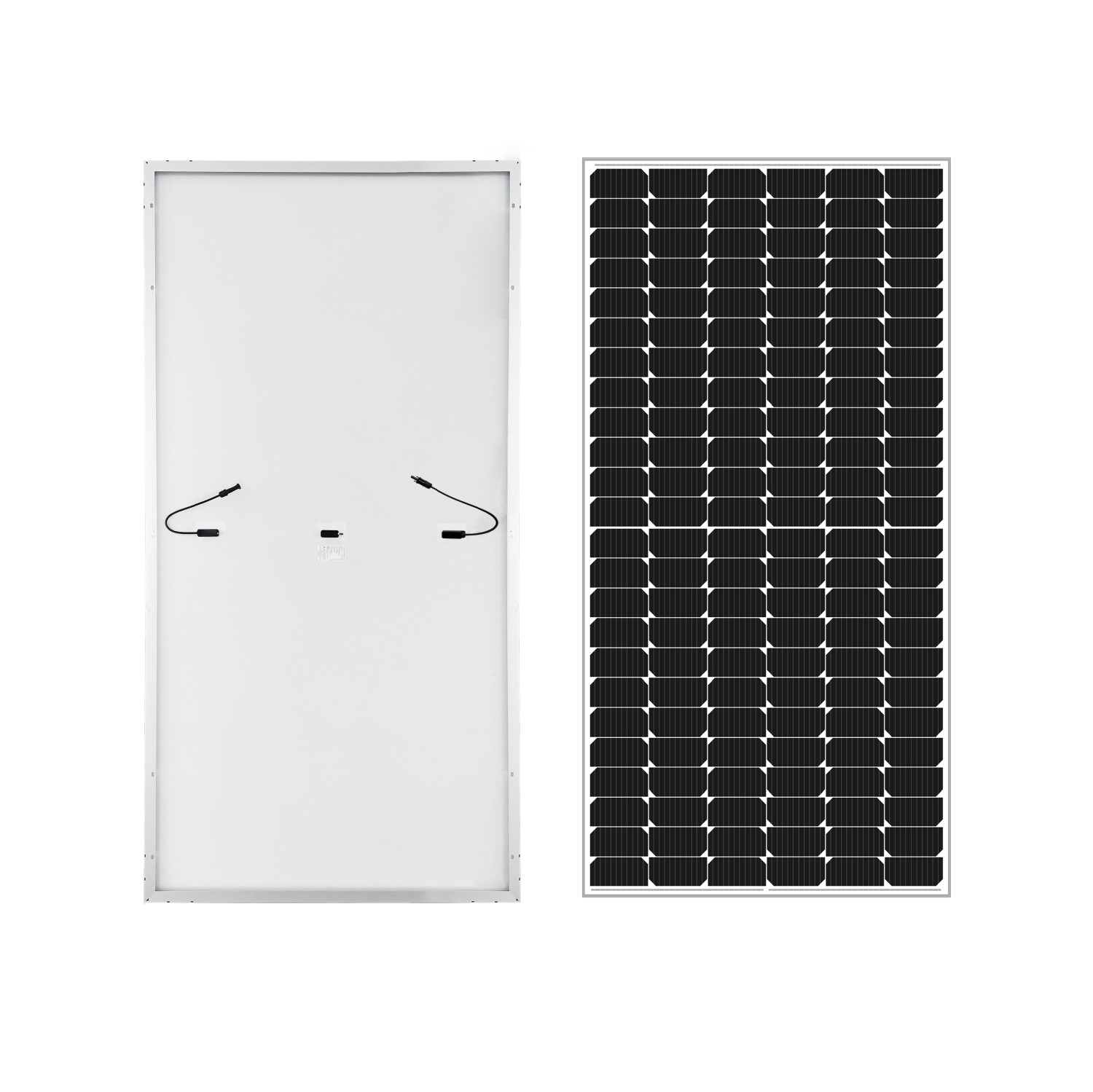
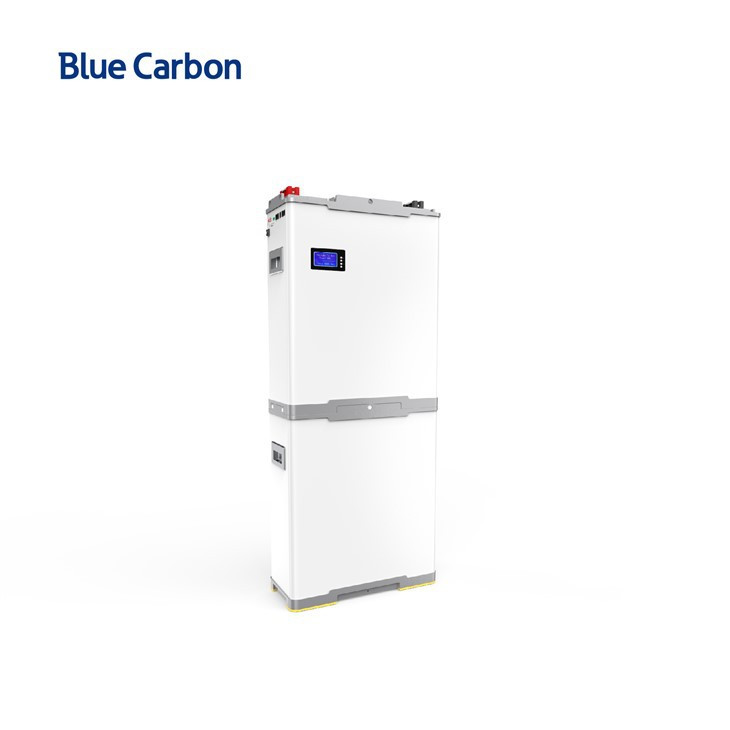
Register Your Blue Carbon Product for Warranty to Gain Access to Warranty Support
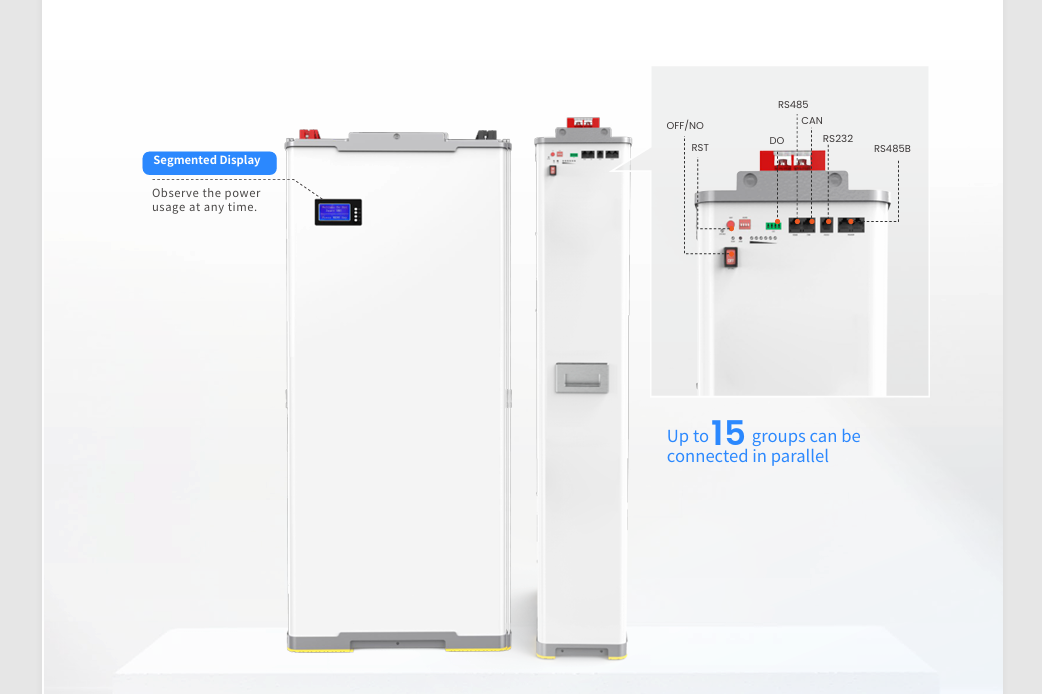
Blue Carbon Lithium Batteries: New Arrival with Smart BMS Specially Designed to Give Our Customers the Best Experience
How to Manage Your Solar System During the Rainy Season to Increase Backup Time
LiFePO₄ vs NMC Batteries: Which Is Better for Energy Storage Projects?