
Why Monocrystalline Solar Panels Are Best Recommended for Solar Installations
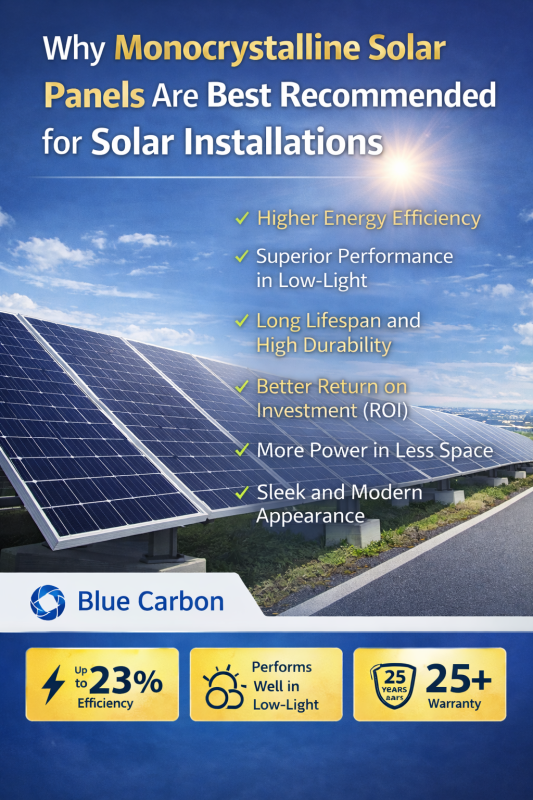
As solar energy adoption continues to rise across residential, commercial, and industrial sectors, choosing the right type of solar panel has become more important than ever. With multiple technologies available in the market -including monocrystalline, polycrystalline, and thin-film -installers and property owners must carefully evaluate performance, durability, and long-term value before making a decision.
Among these options, monocrystalline
solar panels consistently stand out as the most recommended choice for
solar installations. Known for their superior efficiency, longevity, and sleek
design, these panels have become the preferred solution for projects that
demand reliable energy generation and optimal return on investment.
In this article, we’ll explore what
monocrystalline panels are, how they work, and why they are widely considered
the best recommendation for modern solar installations.
Understanding
Monocrystalline Solar Panels
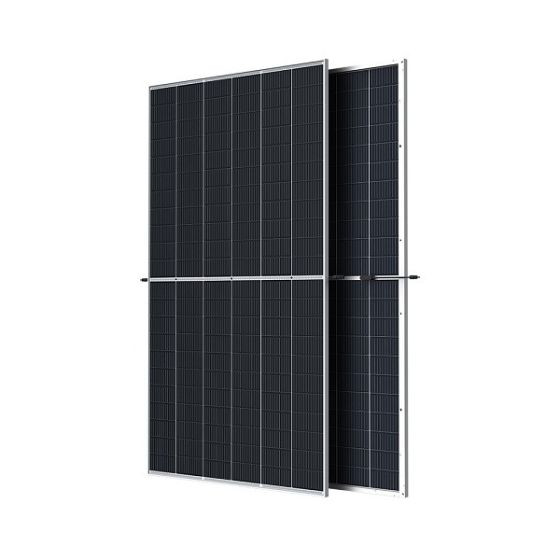
Monocrystalline solar panels are
manufactured from a single continuous crystal structure of silicon. The
silicon is grown into cylindrical ingots and sliced into wafers that are used
to build photovoltaic (PV) cells. Because the crystal structure is uniform,
electrons move more freely through the material, resulting in higher efficiency
and improved performance.
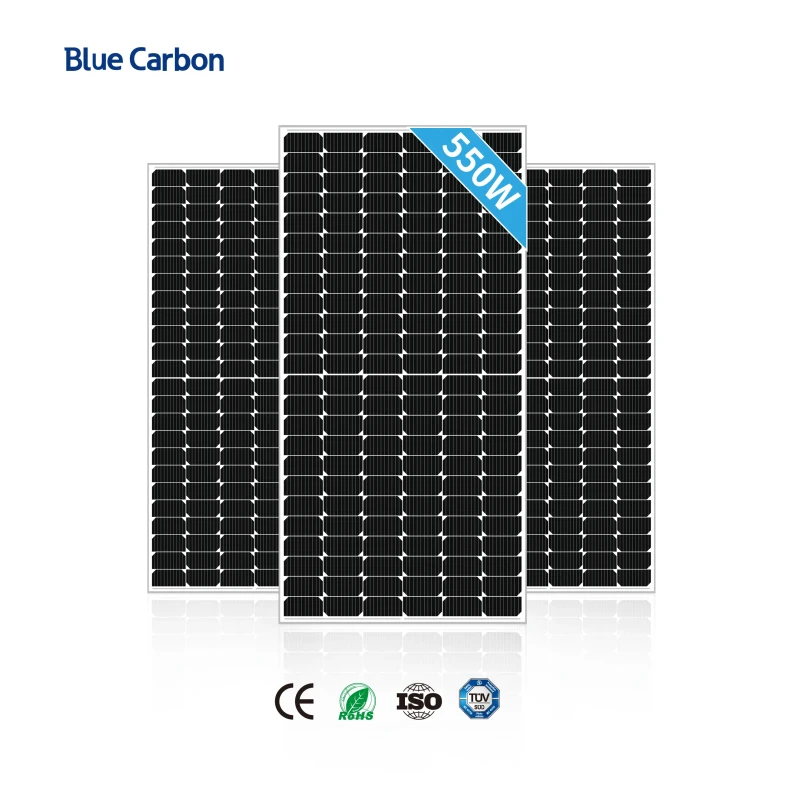
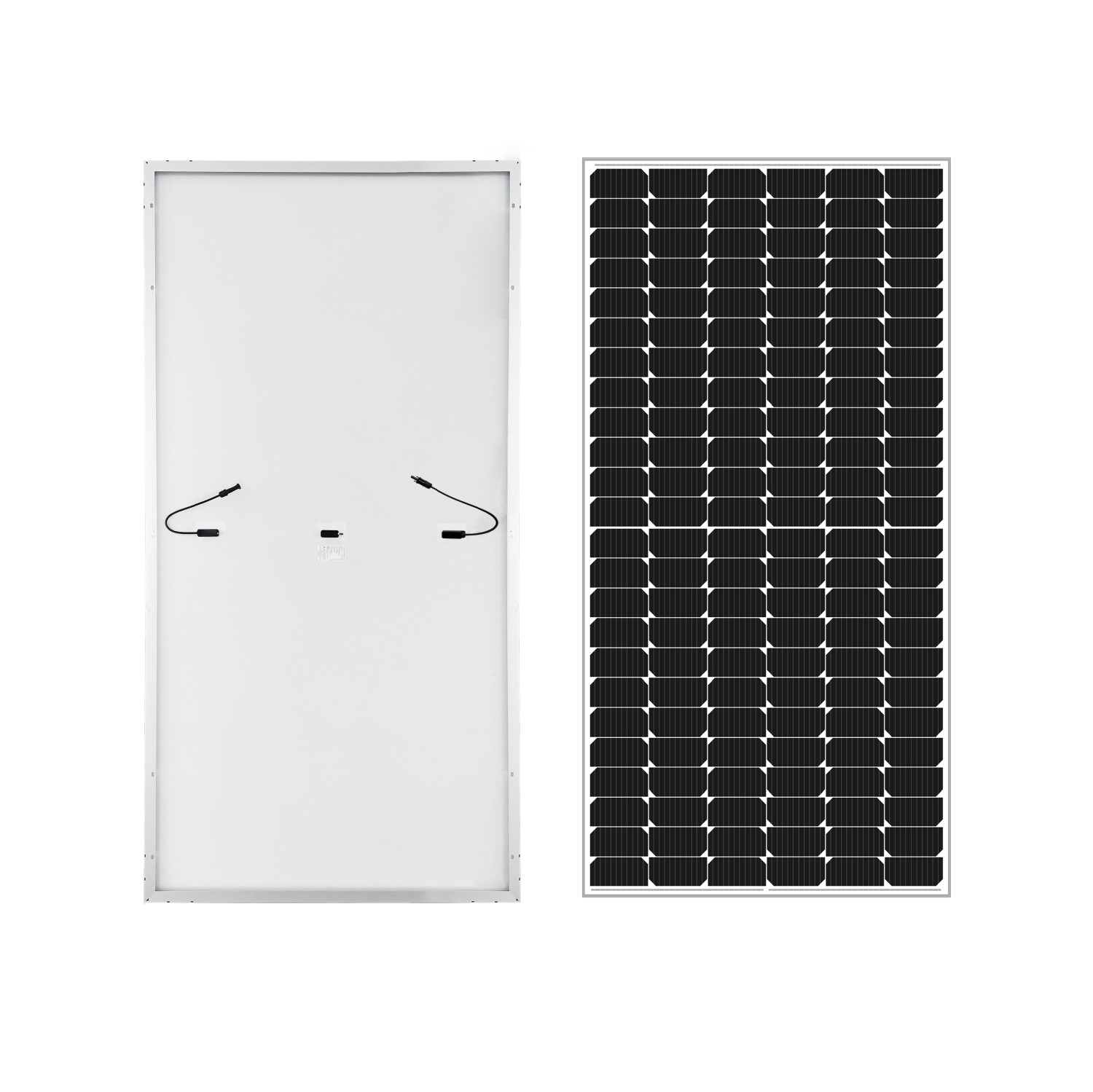
These panels are easy to identify by
their dark black color and rounded cell edges, which distinguish them
from the bluish polycrystalline panels.
How
They Work
Like all photovoltaic modules,
monocrystalline panels convert sunlight into electricity through the
photovoltaic effect:
- Sunlight hits the silicon cells.
- Photons excite electrons within the crystal structure.
- Electrons flow, generating direct current (DC)
electricity.
- An inverter converts the DC electricity into usable
alternating current (AC).
The difference lies in how
effectively the panel performs this process -and monocrystalline technology
excels in this area.
Key
Reasons Monocrystalline Panels Are Highly Recommended
1.
Higher Energy Efficiency
One of the strongest advantages of
monocrystalline solar panels is their high conversion efficiency,
typically ranging between 18% and 23%. This means they produce more
electricity from the same amount of sunlight compared to other panel types.
Why this matters:
- Ideal for limited roof or installation space
- Generates more power per square meter
- Reduces the number of panels required
Higher efficiency translates
directly into improved system output and better overall value.
2.
Superior Performance in Low-Light Conditions
Monocrystalline panels are known for
their excellent performance even during cloudy weather, early mornings, or
late afternoons. Their high-quality silicon structure allows them to
maintain strong output levels in less-than-ideal sunlight conditions.
For regions with fluctuating
sunlight patterns or seasonal variations, this capability ensures consistent
energy generation throughout the year.
3.
Long Lifespan and Durability
Durability is a critical factor in
solar investment decisions. Monocrystalline panels typically come with 25-year
performance warranties and can continue functioning efficiently beyond that
period.
Benefits of longevity:
- Reduced replacement costs
- Reliable long-term energy supply
- Higher system dependability
Their robust construction makes them
resistant to environmental stress such as heat, wind, and moisture, ensuring
consistent performance over decades.
4.
Better Return on Investment (ROI)
Although monocrystalline panels
often have a higher upfront cost compared to alternatives, their long-term
financial benefits outweigh the initial investment.
Cost advantages include:
- Greater electricity production
- Lower system expansion needs
- Minimal maintenance requirements
- Extended service life
Over time, the increased energy
savings and reduced operational costs result in a stronger return on
investment.
5.
Space Efficiency
Urban environments and residential
rooftops frequently face space constraints. Because monocrystalline panels
generate more power in less area, they are the best choice for maximizing
output when installation space is limited.
This advantage is especially
valuable for:
- Residential rooftops
- Commercial buildings
- Urban solar projects
Installers can achieve higher system
capacity without expanding the installation footprint.
6.
Sleek and Modern Appearance
Aesthetic considerations may not
directly affect performance, but they do influence adoption. Monocrystalline
panels offer a uniform black finish that blends well with most roof
styles and architectural designs.
This makes them appealing for
homeowners and businesses seeking a clean, modern look alongside functionality.
7.
Strong Temperature Performance
Solar panels often lose efficiency
in extremely high temperatures. Monocrystalline technology typically exhibits a
lower temperature coefficient, meaning it performs better in hot
climates compared to other panel types.
For countries with intense sunlight
and high ambient temperatures, this ensures stable and reliable output throughout
the day.
8.
Industry Trust and Proven Track Record
Monocrystalline panels have been
widely used for decades and are trusted by solar professionals worldwide. Their
reputation for reliability makes them the go-to recommendation for installers
aiming to deliver dependable solutions to clients.
Because of their established track
record, sourcing quality products and technical support is generally easier
compared to newer or less common technologies.
Comparing
Monocrystalline Panels with Other Types
Monocrystalline
vs Polycrystalline
- Higher efficiency
- Better heat tolerance
- More compact design
- Longer lifespan
Polycrystalline panels may be
cheaper but often sacrifice performance and space efficiency.
Monocrystalline
vs Thin-Film
- Higher power density
- Greater durability
- Superior longevity
Thin-film panels are lightweight but
typically have much lower efficiency levels.
Ideal
Applications for Monocrystalline Solar Panels
These panels are recommended across
various installations, including:
- Residential rooftop systems
- Commercial energy solutions
- Industrial facilities
- Solar farms with space optimization goals
- Off-grid and hybrid solar setups
Their versatility makes them
suitable for nearly any solar project.
Factors
to Consider When Choosing Monocrystalline Panels
Even within this category, quality
can vary. When selecting panels, consider:
- Manufacturer reputation
- Warranty coverage
- Efficiency ratings
- Certification standards
- Compatibility with other system components
Working with experienced installers
ensures proper system design and maximum performance.
Conclusion
Monocrystalline solar panels have
earned their reputation as the top recommendation for solar installations due
to their unmatched combination of efficiency, durability, and long-term value.
Their ability to generate more power in less space, perform reliably under
varying conditions, and deliver strong financial returns makes them the
preferred choice for homeowners, businesses, and solar professionals alike.
While other panel technologies may
offer lower upfront costs, the performance advantages of monocrystalline panels
ensure they remain the smarter investment for those seeking dependable and
future-proof solar energy solutions. As the global transition toward renewable
energy continues, choosing high-quality components like monocrystalline panels
is essential for achieving maximum sustainability and energy independence.
Recent Posts
High Voltage vs Low Voltage Energy Storage Systems: How to Choose the Right Solution with Blue Carbon

Register Your Blue Carbon Product for Warranty to Gain Access to Warranty Support
Blue Carbon Lithium Batteries: New Arrival with Smart BMS Specially Designed to Give Our Customers the Best Experience
How to Manage Your Solar System During the Rainy Season to Increase Backup Time
LiFePO₄ vs NMC Batteries: Which Is Better for Energy Storage Projects?