
Why Solar Energy is Growing Fast in Nigeria

Nigeria, often referred to as the “Giant of Africa,” is
experiencing a significant shift in how energy is generated and consumed. With
an increasing demand for reliable electricity and persistent challenges with
the national grid, solar energy has emerged as one of the fastest-growing
solutions across the country. From homes and small businesses to large
industrial facilities, more Nigerians are embracing solar power as a
dependable, cost-effective, and sustainable energy source.
This rapid growth is not accidental. It is driven by a
combination of economic realities, technological advancements, environmental
awareness, and the urgent need for energy independence. In this comprehensive
guide, we will explore the key reasons why solar energy is growing fast in
Nigeria and what this means for the future.
1. Unreliable Power Supply from the National Grid
One of the primary reasons for the growth of solar energy in
Nigeria is the inconsistent electricity supply from the national grid. Many
households and businesses experience frequent power outages, sometimes lasting
several hours or even days.
This unreliable supply disrupts:
- Business
operations
- Household
productivity
- Healthcare
services
- Educational
activities
As a result, individuals and organizations are seeking
alternative energy solutions, and solar power provides a reliable and
independent option.
2. Rising Cost of Fuel and Generator Dependence
For decades, Nigerians have relied heavily on petrol and
diesel generators to supplement electricity supply. However, the cost of fuel
has increased significantly in recent years.
Challenges associated with generators include:
- High
fuel costs
- Frequent
maintenance
- Noise
pollution
- Environmental
hazards
Solar energy offers a long-term solution by eliminating
recurring fuel expenses. Once installed, solar systems generate electricity at
little to no ongoing cost, making them a financially attractive option.
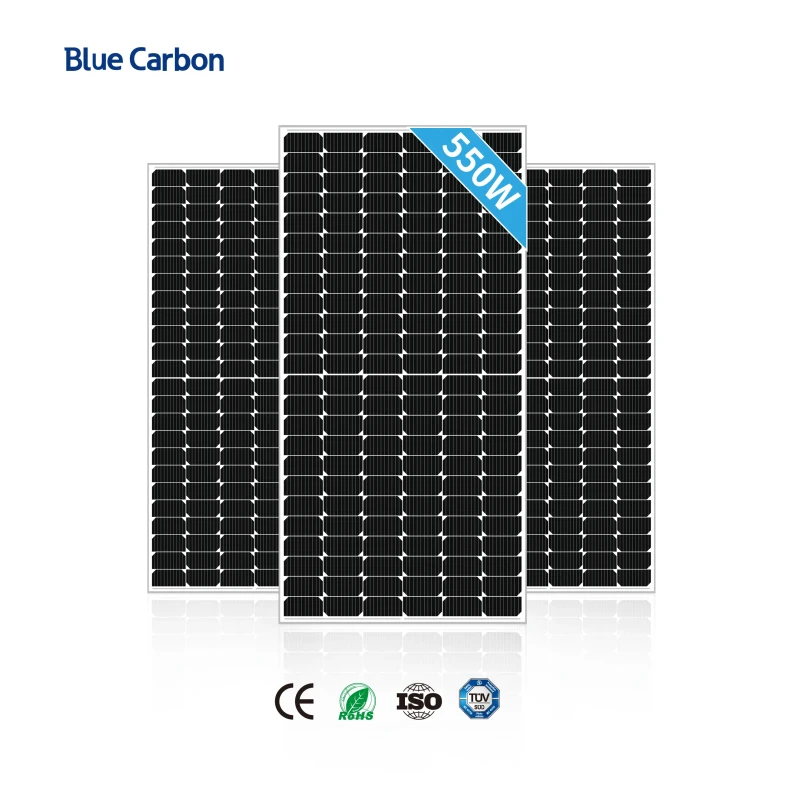
3. Decreasing Cost of Solar Technology
Another major factor driving solar adoption in Nigeria is
the reduction in the cost of solar equipment. Over the years, the prices of:
- Solar
panels
- Inverters
- Lithium
batteries
have become more affordable due to advancements in
technology and increased global production.
This price reduction has made solar systems more accessible
to:
- Middle-income
households
- Small
and medium-sized enterprises (SMEs)
- Rural
communities
4. Increased Awareness of Renewable Energy
There has been a significant increase in awareness about
renewable energy and its benefits. More Nigerians now understand the advantages
of solar energy, including:
- Clean
and sustainable power
- Reduced
electricity bills
- Energy
independence
- Environmental
protection
Educational campaigns, digital marketing, and social media
have played a key role in spreading this awareness.
5. Government Policies and Support
The Nigerian government and various organizations have
introduced policies and initiatives to promote renewable energy adoption.
Some of these include:
- Rural
electrification programs
- Solar
power projects in off-grid communities
- Incentives
for renewable energy investments
Although more support is still needed, these initiatives
have contributed to the growing interest in solar energy.
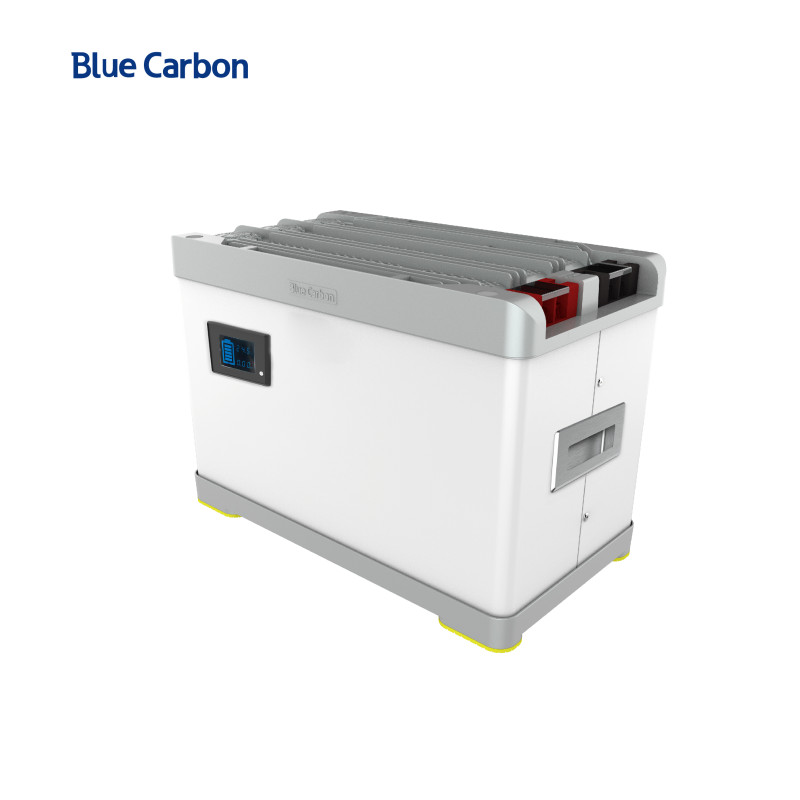
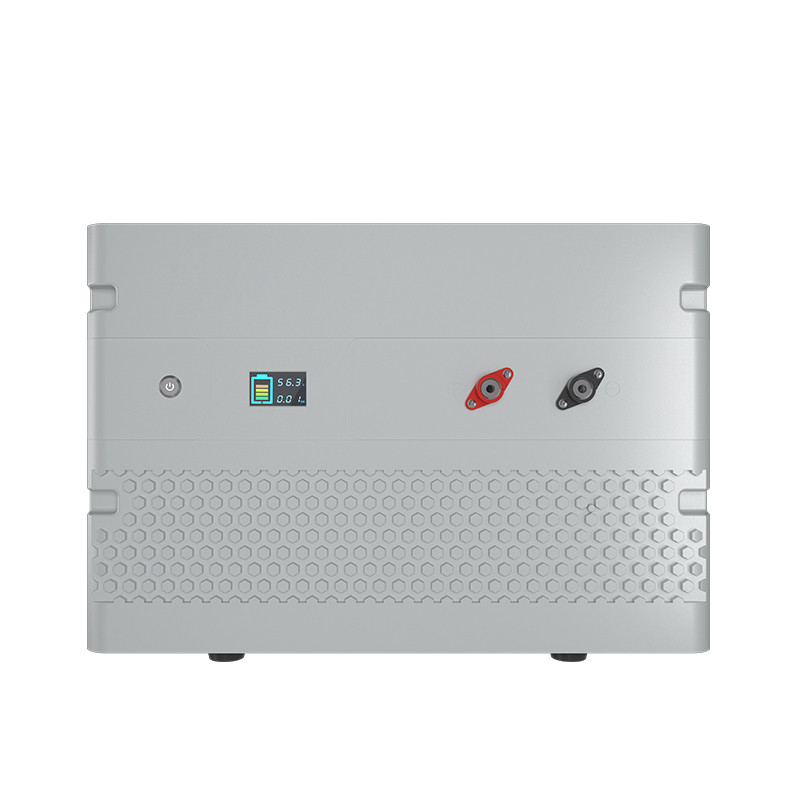
6. Advancements in Battery Storage Technology
One of the biggest limitations of solar energy in the past
was the inability to store energy efficiently. However, modern battery
technologies, especially lithium batteries, have solved this problem.
Benefits of advanced battery storage include:
- Reliable
power at night
- Backup
during outages
- Efficient
energy usage
- Longer
battery lifespan
This has made solar systems more practical and dependable
for everyday use.
7. Growth of Solar Installation Companies
Nigeria has seen a rapid increase in the number of solar
installation companies providing professional services.
These companies offer:
- System
design and consultation
- Installation
services
- Maintenance
and support
With more qualified installers available, customers now have
better access to reliable solar solutions.
8. Environmental and Health Concerns
Environmental awareness is another factor driving the
adoption of solar energy in Nigeria. Traditional energy sources such as
generators contribute to:
- Air
pollution
- Noise
pollution
- Carbon
emissions
Solar energy, on the other hand, is clean and
environmentally friendly. It helps reduce the carbon footprint and promotes a
healthier living environment.
9. Energy Independence and Security
Solar energy allows individuals and businesses to become
less dependent on external power sources.
Benefits of energy independence include:
- Protection
from power outages
- Reduced
reliance on fuel supply
- Stable
and predictable energy costs
This is especially important for businesses that require
uninterrupted power to operate efficiently.
10. Suitability of Nigeria’s Climate
Nigeria is naturally suited for solar energy due to its
geographical location. The country receives abundant sunlight throughout the
year, making it ideal for solar power generation.
Key advantages include:
- High
solar radiation levels
- Consistent
sunlight
- Efficient
energy generation
This natural advantage makes solar energy one of the most
viable renewable energy options in Nigeria.
11. Long-Term Cost Savings
Although the initial investment in solar systems can be
high, the long-term savings are substantial.
Cost-saving benefits include:
- No
fuel expenses
- Reduced
electricity bills
- Minimal
maintenance costs
- Long
lifespan of components
Over time, solar systems pay for themselves, making them a
smart financial investment.
12. Increased Demand from Businesses
Businesses in Nigeria are increasingly adopting solar energy
to reduce operational costs and improve efficiency.
Industries benefiting from solar include:
- Manufacturing
- Retail
- Hospitality
- Healthcare
Reliable power ensures smooth operations, improved
productivity, and better customer service.
13. Expansion of Off-Grid Solutions
Millions of Nigerians, especially in rural areas, still lack
access to electricity. Solar energy is bridging this gap through off-grid
solutions.
Off-grid solar systems provide:
- Electricity
in remote areas
- Power
for schools and clinics
- Improved
quality of life
This has contributed significantly to the growth of solar
energy adoption.
14. Technological Innovation
Continuous innovation in solar technology has improved
system performance and reliability.
Modern solar systems now feature:
- Smart
monitoring systems
- Hybrid
inverters
- Efficient
energy management
These advancements make solar energy more attractive and
user-friendly.
Conclusion
Solar energy is growing rapidly in Nigeria due to a
combination of economic, environmental, and technological factors. The need for
reliable electricity, rising fuel costs, increased awareness, and advancements
in solar technology have all contributed to this growth.
As more Nigerians continue to embrace solar energy, the
country is moving closer to a future powered by clean, sustainable, and
reliable energy. Whether for homes, businesses, or rural communities, solar
energy offers a practical solution to Nigeria’s energy challenges.
Investing in solar today is not just a smart choice it is a
step toward energy independence and a brighter future.
Recent Posts
Blue Carbon Lithium Batteries: New Arrival with Smart BMS Specially Designed to Give Our Customers the Best Experience
How to Manage Your Solar System During the Rainy Season to Increase Backup Time
LiFePO₄ vs NMC Batteries: Which Is Better for Energy Storage Projects?
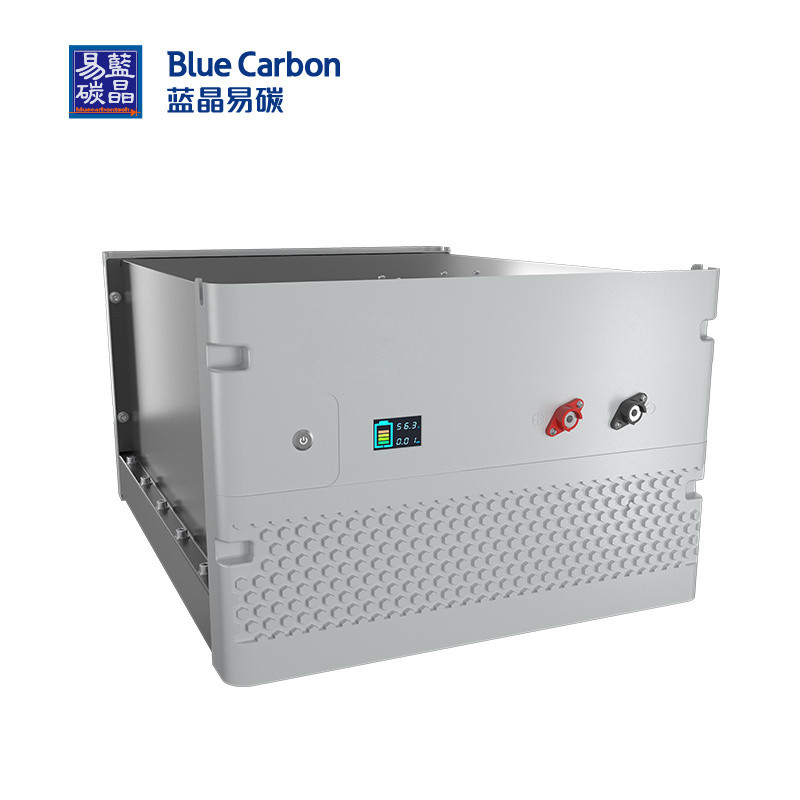
Why Blue Carbon Lithium Batteries Are Built for Long Life and Strong Performance