
Why Solar Panel Capacity Checks Are Important in Every Solar System Installation: Considering Both Dry and Rainy Seasons
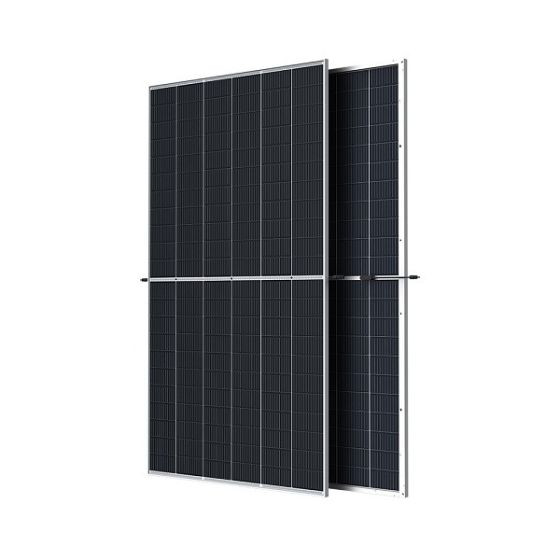
Solar energy has become one of the most reliable alternatives to unstable grid electricity in Nigeria. Homes, businesses, industries, schools, hospitals, farms, offices, hotels, and other organizations are increasingly investing in solar systems to reduce electricity costs and dependence on generators.
However,
installing solar panels is not simply a matter of buying a certain number of
panels and connecting them to an inverter. A successful solar installation
requires careful planning, accurate load assessment, appropriate inverter
sizing, sufficient battery storage, and-most importantly-proper solar panel
capacity calculations.
One of the
most important factors that installers and customers should consider is the
difference between solar energy production during the dry season and rainy
season.
A solar
system that performs excellently during periods of strong sunshine may produce
considerably less energy during prolonged cloudy or rainy weather. Therefore,
checking solar panel capacity before installation helps ensure that the system
is designed to meet the customer's energy requirements throughout the year,
rather than only during the sunniest months.
For
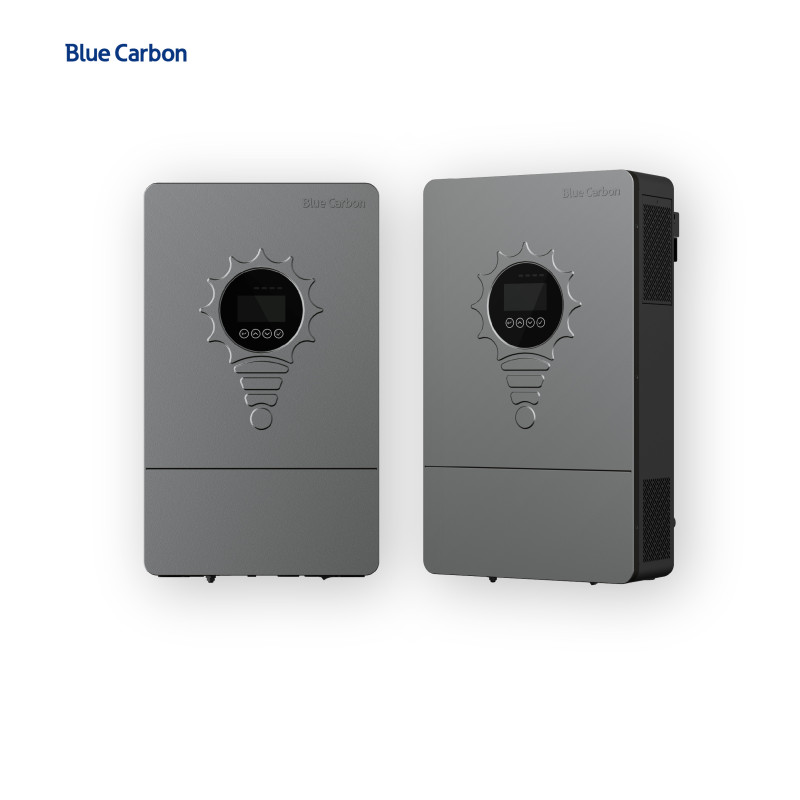
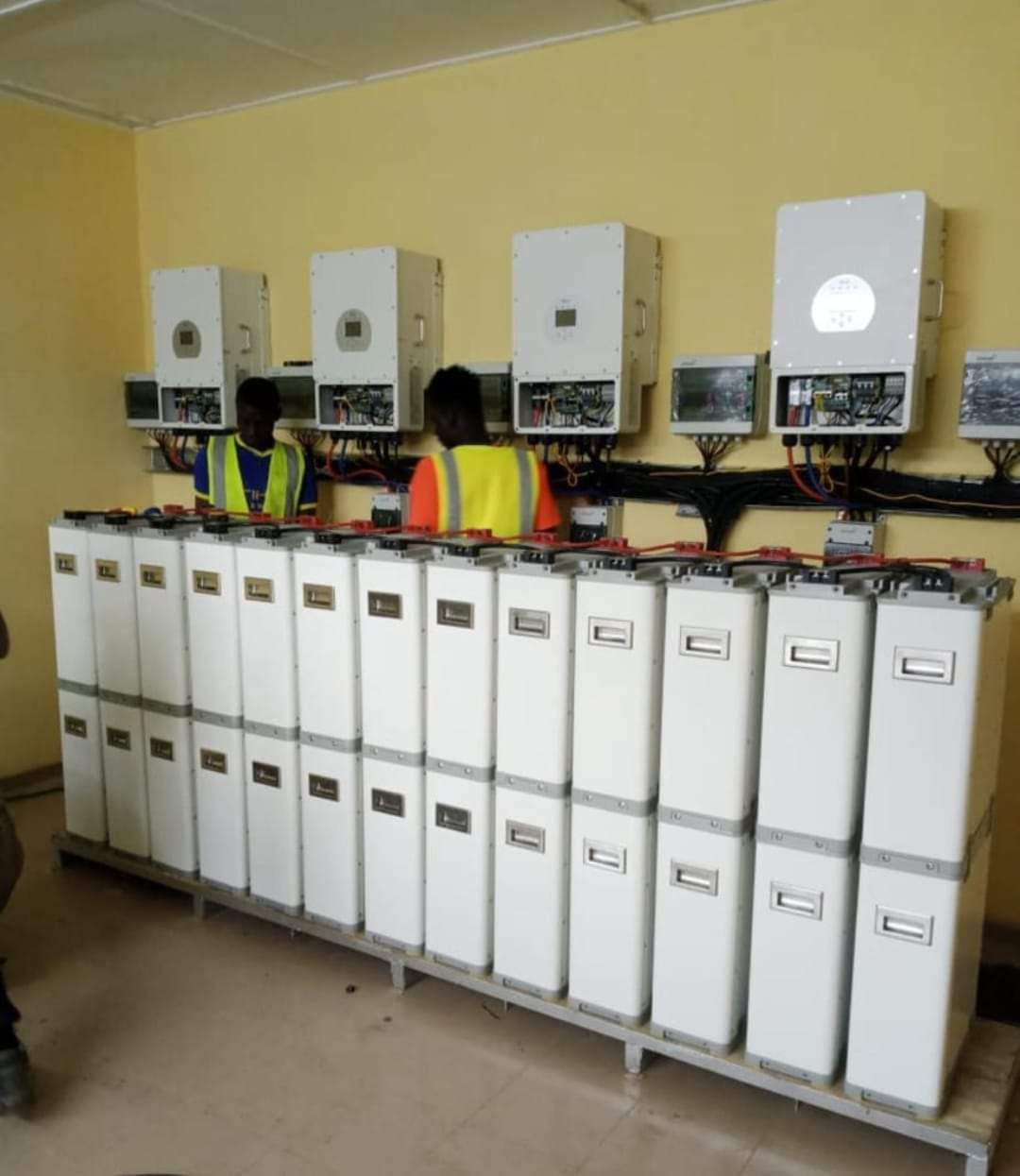
customers investing in quality solar products such as Blue Carbon solar
panels, lithium batteries, and hybrid inverters, proper system sizing is
essential to getting the best possible performance and return on investment.
This article
explains why solar panel capacity checks are important, how seasonal weather
affects solar generation, and why both dry and rainy seasons should be
considered when designing a solar energy system.
What Is
Solar Panel Capacity?
Solar panel
capacity refers to the maximum rated electrical power that a solar panel or
solar array can produce under specified test conditions.
For example,
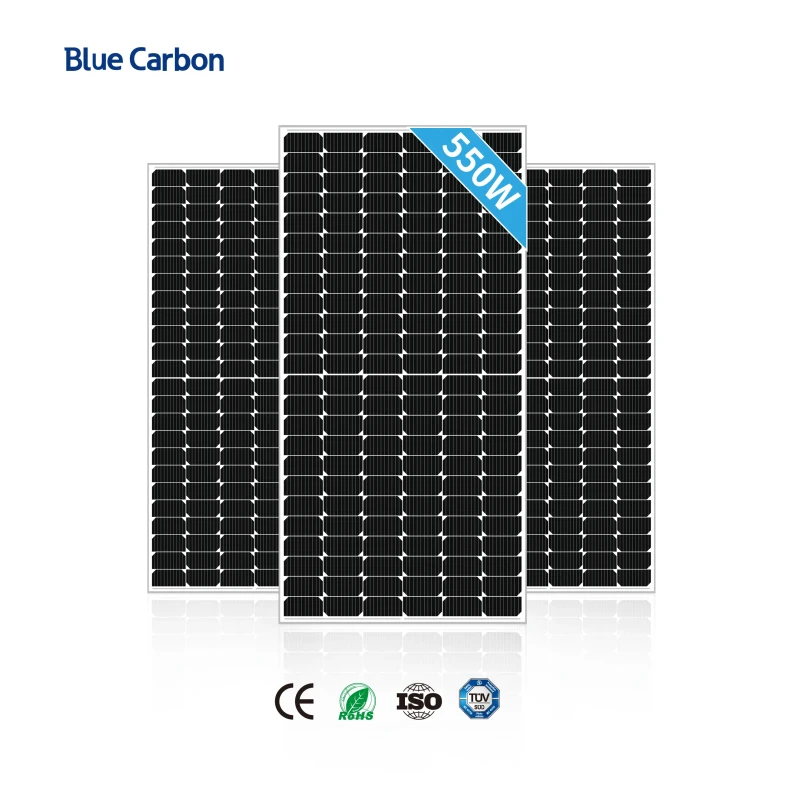
a solar panel may have a rated capacity of 550W. If ten such panels are
installed, the combined nominal capacity would be:
550W × 10
= 5,500W or 5.5kW
However, a
5.5kW solar array will not necessarily produce 5.5kW continuously throughout
the day.
Actual
production depends on several factors, including:
- Available sunlight
- Weather conditions
- Panel orientation
- Panel tilt angle
- Temperature
- Shading
- Dust and dirt
- Cable losses
- Inverter efficiency
- Solar irradiation at the
installation location
This is why
simply adding the wattage printed on solar panels is not enough when designing
a complete solar system.
Why Solar
Panel Capacity Must Be Checked Before Installation
A solar
system should be designed around the customer's actual energy requirements.
Before
installation, a professional installer should assess:
- Daily energy consumption
- Peak electrical load
- Required backup duration
- Battery capacity
- Inverter capacity
- Solar panel capacity
- Available roof or ground space
- Local solar resource
- Seasonal weather patterns
Without
these calculations, customers may end up with a system that is too small,
resulting in insufficient energy generation, or unnecessarily oversized,
increasing the initial investment.
Proper solar
panel capacity checking creates a balance between performance, reliability,
and cost.
Dry
Season vs Rainy Season Solar Generation
Nigeria
experiences significant seasonal changes in weather conditions.
During
periods of clearer skies and stronger sunshine, solar panels generally have
more solar radiation available for electricity generation.
During the
rainy season, extended cloud cover, rainfall, and reduced sunlight intensity
can reduce solar production.
This does
not mean solar panels stop working during rainy weather. Solar panels can still
generate electricity from available daylight, including diffuse sunlight.
However, energy output can be lower than under strong, clear-sky conditions.
Therefore,
seasonal variation must be considered when designing a solar system.
Why Dry
Season Performance Alone Is Not Enough
Imagine a
customer installs a solar system based entirely on the amount of energy
generated during the brightest months of the year.
The system
may perform extremely well during the dry season.
However,
when the rainy season arrives and solar irradiation decreases, the panels may
produce less electricity.
If the
system was not designed with seasonal variation in mind, the customer could
experience:
- Insufficient battery charging
- Reduced backup duration
- Greater reliance on the grid
- Increased generator usage
- Higher energy costs
This is why
professional solar design should consider expected performance across different
seasons.
Understanding
Peak Sun Hours
Solar
installers often use the concept of Peak Sun Hours (PSH) when estimating
solar production.
Peak Sun
Hours do not simply mean the number of hours the sun is visible. Instead, they
represent the equivalent number of hours per day when solar irradiance averages
approximately 1,000 watts per square meter under standard reference conditions.
For example,
if a solar location receives an equivalent of 5 peak sun hours, a theoretical
5kW solar array could produce approximately:
5kW × 5
hours = 25kWh per day
This is a
simplified estimate. Actual energy production will be affected by system
losses, weather, temperature, shading, panel orientation, inverter efficiency,
and other factors.
During
periods of heavy cloud cover, effective solar production may be lower.
Why Panel
Capacity Should Match Battery Capacity
Solar panels
and batteries must work together.
Installing a
large battery without sufficient solar generation may result in the battery
taking too long to recharge.
For example,
a customer with a large lithium battery may expect the battery to recharge
completely every day. If the solar array is undersized, especially during
periods of reduced sunlight, the battery may not receive enough energy to fully
recharge.
This can
reduce the available backup energy over time.
A properly
designed system balances:
Solar
panels + inverter + battery + electrical loads
The
Importance of Battery Storage During the Rainy Season
Battery
storage becomes particularly valuable when solar production fluctuates.
During
periods of strong sunshine, excess solar energy can be stored in the battery.
During the
evening or periods of reduced solar generation, the stored energy can then be
used.
A properly
sized lithium battery can help customers maintain electricity availability when
solar production is temporarily reduced.
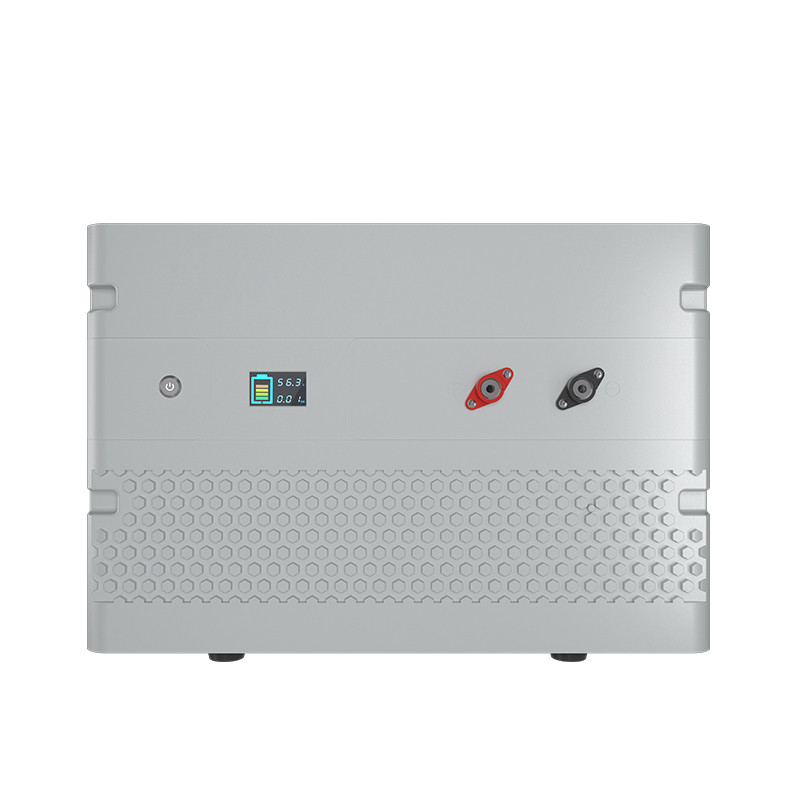
Blue Carbon
LiFePO₄ lithium batteries, for example, are designed for energy storage
applications and can be paired with compatible solar systems.
Oversizing
the Solar Array Can Be Beneficial
In some
installations, installers may recommend a solar array with more nominal
capacity than the inverter's continuous output or the customer's average load.
This can be
useful when designed within the manufacturer's allowable limits.
Additional
solar capacity can help:
- Improve battery charging
- Increase energy production
during less favorable weather
- Compensate for system losses
- Improve daily energy
availability
- Reduce the time required to
recharge batteries
However,
solar oversizing must always comply with the inverter's maximum PV input
voltage, current, and allowable PV power.
More panels
are not automatically better if the electrical limits of the inverter are
exceeded.
Solar
Panel Orientation and Tilt Matter
The number
of panels is only one part of solar system design.
Panel
orientation and tilt can significantly influence energy production.
Poorly
positioned panels may receive less sunlight, reducing daily output.
Installers
should consider:
- Roof direction
- Roof angle
- Panel tilt
- Nearby buildings
- Trees
- Antennas
- Other sources of shading
Even a
high-quality solar panel cannot compensate for severe and persistent shading.
Shading
Can Reduce Solar Production
Shading is
another reason capacity checks are essential.
A roof may
appear large enough for a solar installation, but nearby structures or trees
can reduce sunlight reaching the panels.
Potential
sources of shading include:
- Trees
- Tall buildings
- Water tanks
- Roof structures
- Neighboring buildings
- Telecommunications equipment
A
professional site survey should identify shading risks before installation.
Temperature
Also Affects Solar Panel Performance
Solar panels
are tested under standardized laboratory conditions.
Actual
outdoor performance varies with temperature.
Many
photovoltaic modules experience reduced electrical output as cell temperature
increases beyond the reference test temperature.
This is why
solar design should consider local environmental conditions rather than relying
solely on the panel's nameplate wattage.
Quality
solar panels combined with proper system design can help customers achieve
better real-world performance.
Why
Quality Solar Panels Matter
Solar panel
capacity calculations are only useful when reliable equipment is used.
High-quality
solar panels provide customers with greater confidence in:
- Manufacturing consistency
- Electrical performance
- Durability
- Long-term energy production
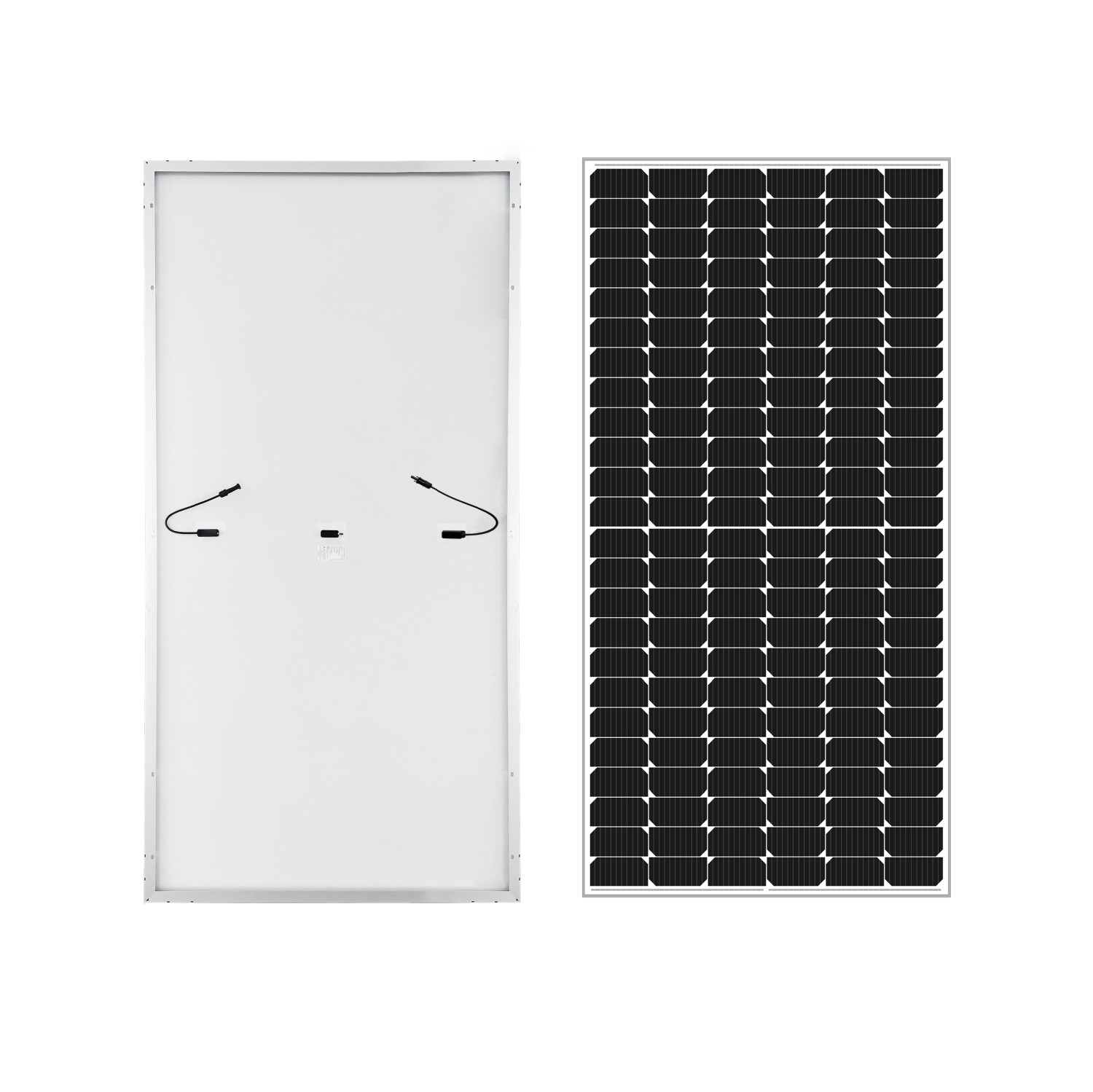
Blue Carbon
offers monocrystalline and bifacial solar panel solutions designed for
residential, commercial, and industrial applications.
However,
even the best solar panels require correct installation and appropriate system
sizing.
Monocrystalline
Panels and Seasonal Performance
Monocrystalline
solar panels are widely used because of their high efficiency and good space
utilization.
They can be
particularly useful where roof space is limited.
During
cloudy weather, they can still generate electricity from available sunlight,
although output will generally be lower than under strong sunshine.
Proper
system sizing helps account for this seasonal variability.
Bifacial
Panels and Energy Production
Bifacial
solar panels can generate electricity from both their front and rear surfaces
when installation conditions allow.
Their
performance can benefit from reflected light from surfaces beneath or around
the panels.
Factors that
can affect bifacial gain include:
- Ground or roof reflectivity
- Panel elevation
- Installation structure
- Shading
- Panel spacing
- Local sunlight conditions
Bifacial
technology can therefore be valuable for certain commercial and ground-mounted
applications.
Solar
Capacity Checking Helps Prevent Under-Sizing
Under-sizing
is one of the common problems in poorly designed solar systems.
An
undersized solar array may struggle to:
- Meet daily energy consumption
- Recharge batteries fully
- Support high loads
- Maintain adequate backup during
poor weather
Considering
rainy-season conditions during design can reduce the likelihood of this
problem.
Solar
Capacity Checking Also Prevents Unnecessary Overspending
Over-sizing
can also be problematic.
Installing
far more solar capacity than the system can use may unnecessarily increase:
- Equipment costs
- Mounting costs
- Cable costs
- Installation expenses
The goal
should be an appropriately engineered system rather than simply the largest
possible system.
Professional
Solar Assessment Is Essential
Before
purchasing solar panels, customers should request a professional site and
energy assessment.
The
installer should examine:
1. Energy
Consumption
How many
kilowatt-hours does the customer use each day?
2. Peak
Load
What is the
maximum load that must operate simultaneously?
3.
Battery Requirement
How much
stored energy is required?
4. Solar
Resource
How much
solar energy is realistically available at the location?
5.
Seasonal Conditions
How may dry
and rainy seasons affect expected production?
6. Roof
or Ground Space
Is there
sufficient space for the required solar array?
7.
Shading
Will trees
or buildings reduce solar production?
8.
Inverter Specifications
Can the
selected inverter safely accommodate the planned solar array?
How Blue
Carbon Products Can Support a Properly Designed System
A complete
solar installation requires multiple components working together.
Blue Carbon
provides solutions including:
- Solar panels
- Lithium batteries
- Hybrid inverters
- Energy storage products
- Solar street lights
When
appropriately matched and professionally installed, these products can form
part of a reliable renewable energy system.
The
important point is that each component should be selected according to the
customer's actual requirements rather than choosing equipment based only on
advertised capacity.
Seasonal
Planning Improves Customer Satisfaction
A solar
system should be designed to perform throughout the year.
Customers
should not judge a system solely by how well it performs during the brightest
months.
A
well-designed system considers:
Dry
season → stronger solar production
Rainy
season → potentially reduced solar production
Nighttime
→ battery storage required
Grid
outage → battery and solar backup required
This
approach creates more realistic expectations and improves customer
satisfaction.
Conclusion
Solar panel
capacity checking is one of the most important steps in every solar system
installation. A successful solar project requires much more than selecting
panels based on their wattage. Installers must consider the customer's energy
consumption, inverter capacity, battery storage, shading, temperature, panel
orientation, available sunlight, and seasonal weather conditions.
The dry
season and rainy season should both be considered when estimating solar
energy production. Solar panels continue generating electricity during cloudy
and rainy conditions because they use available light, but output can be lower
when solar irradiation is reduced. Proper system sizing helps compensate for
these seasonal variations and ensures that customers receive a more reliable
energy solution.
For
homeowners, businesses, and industries investing in solar energy, working with
qualified professionals and using quality products such as Blue Carbon solar
panels, compatible lithium batteries, and hybrid inverters can help create a
system designed for dependable year-round performance.
Ultimately,
the goal is not simply to install more solar panels. The goal is to install the
right amount of solar capacity for the customer's energy needs, location,
system configuration, and expected seasonal conditions.
A properly
calculated solar system can deliver better performance, better battery
charging, lower generator dependence, and greater long-term value.
Tag: solar panel capacity calculation, solar installation Nigeria, rainy season solar performance, dry season solar energy, Blue Carbon solar panels
Recent Posts
Blue Carbon Invites You to the 2026 Nigeria International Lighting Expo - September 16 - 18, 2026
High Voltage vs Low Voltage Energy Storage Systems: How to Choose the Right Solution with Blue Carbon
Register Your Blue Carbon Product for Warranty to Gain Access to Warranty Support
Blue Carbon Lithium Batteries: New Arrival with Smart BMS Specially Designed to Give Our Customers the Best Experience