
How to Manage Your Solar System During the Rainy Season to Increase Backup Time
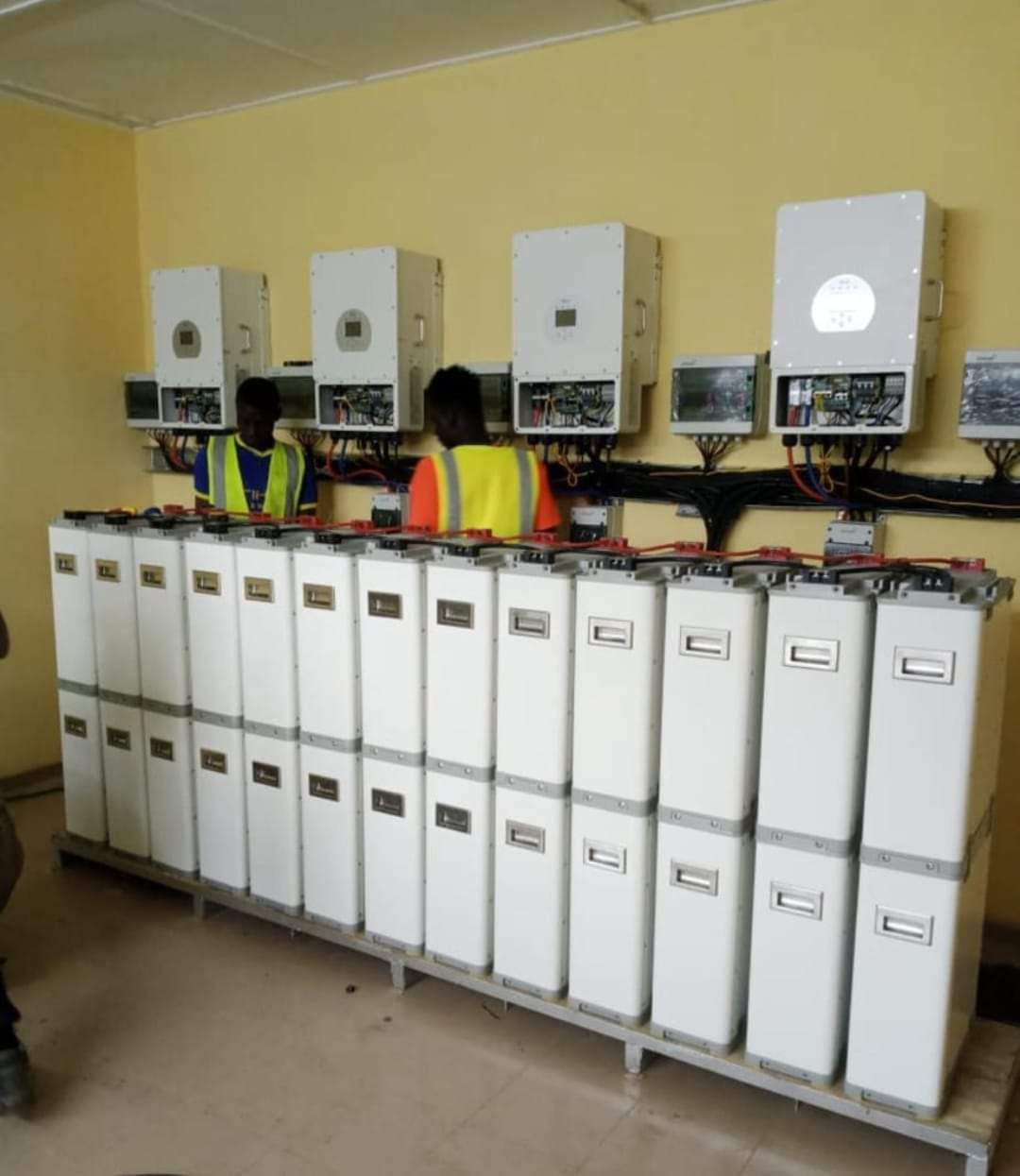
The rainy season can be challenging for solar energy users, particularly in regions such as Nigeria where prolonged cloud cover and heavy rainfall can reduce the amount of sunlight reaching solar panels. While modern solar panels can still generate electricity during cloudy weather, their energy output may be lower than during bright, sunny conditions.
For homeowners, businesses, offices, schools,
hotels, and industrial facilities that depend on solar power, this seasonal
change makes proper solar system management extremely important.
The good news is that rainy weather does not mean
your solar system cannot perform effectively. With proper energy
management, battery maintenance, load control, panel cleaning, and system
monitoring, you can improve the amount of backup time available and get the
most from your solar installation.
This guide explains practical ways to manage your
solar system during the rainy season and increase backup time while protecting
your batteries and other equipment.
Understanding How the Rainy Season
Affects Solar Power
Before discussing how to improve backup time, it is
important to understand what happens to solar production during rainy weather.
Solar panels generate electricity from sunlight.
They do not necessarily stop working when it rains. Even when the sky is
cloudy, some sunlight reaches the panels as diffuse solar radiation.
However, heavy clouds can significantly reduce solar
irradiance. As a result, your solar panels may generate less electricity than
they would under clear skies.
For example, a solar system may produce strong
energy during a bright afternoon but significantly less during a heavily
overcast afternoon.
This can affect:
- Battery
charging
- Daily
energy production
- Nighttime
backup
- Generator
usage
- Grid
dependence
Therefore, rainy-season solar management is largely
about making the most of the energy available while reducing unnecessary
consumption.
1. Monitor Your Solar Production
Regularly
One of the most effective ways to manage your solar
system is to understand how much energy it is producing.
If your inverter or monitoring platform provides
real-time information, check:
- Solar
PV production
- Battery
state of charge
- Battery
charging current
- Household
consumption
- Grid
input
- Inverter
output
- Daily
energy generation
Monitoring allows you to identify changes in
performance early.
For example, if your solar panels normally produce
significantly more energy but suddenly generate very little even when the
weather improves, there may be an issue requiring inspection.
2. Use High-Energy Appliances During
Peak Solar Hours
One of the simplest ways to increase battery backup
time is to use solar energy directly during the day instead of storing all of
it in the battery and then consuming the battery at night.
During periods when your solar panels are producing
energy, consider operating energy-intensive appliances such as:
- Washing
machines
- Water
pumps
- Freezers
- Refrigerators
- Irons
- Computers
- Certain
workshop equipment
Where practical, schedule these appliances during
periods of stronger solar generation.
This allows your solar panels to power the
appliances directly while preserving more battery energy for nighttime use.
3. Reduce Unnecessary Loads During
Cloudy Days
During periods of heavy rainfall or prolonged cloud
cover, solar production may be lower.
This is when energy conservation becomes
particularly important.
Turn off appliances that are not being used.
For example:
- Switch
off unused lights.
- Disconnect
unnecessary chargers.
- Turn
off unused televisions.
- Reduce
unnecessary air-conditioning.
- Avoid
running high-power appliances simultaneously.
Small reductions in consumption can significantly
increase available backup time over several hours.
4. Prioritize Essential Loads
During periods of low solar generation, divide your
electrical loads into categories.
Essential Loads
These might include:
- Lighting
- Refrigerator
- Freezer
- Internet
router
- Security
cameras
- Security
systems
- Computers
- Medical
equipment where appropriately designed
- Essential
business equipment
Non-Essential Loads
These could include:
- Electric
water heaters
- Washing
machines
- Irons
- Heavy
power tools
- Large
entertainment systems
- Non-essential
air-conditioning
During extended cloudy periods, prioritize essential
loads to preserve battery energy.
5. Avoid Running Multiple Heavy
Appliances at Once
One major mistake solar users make is operating
several high-power appliances simultaneously.
For example, running:
Air conditioner + electric cooker +
water heater + pumping machine + iron
at the same time can place a significant demand on
the inverter and battery.
Even if the inverter can handle the load, the
battery may discharge much faster.
Instead, stagger heavy appliances whenever possible.
This can help reduce peak demand and extend backup
time.
6. Keep Your Solar Panels Clean
Rain can help wash away some dust, but it should not
be assumed that rain will always keep solar panels clean.
Dust, mud, bird droppings, leaves, and other debris
can accumulate on the surface.
Dirty panels receive less usable sunlight, which can
reduce energy production.
Inspect your panels regularly and clean them
appropriately according to the manufacturer's recommendations.
For safety, rooftop panel cleaning should be carried
out using appropriate equipment and by qualified personnel where necessary.
7. Check for Shading
Rainy-season vegetation can grow rapidly.
Trees and plants that were not previously shading
your solar panels may become a problem after several weeks of growth.
Check whether:
- Tree
branches are covering panels.
- New
structures are creating shade.
- Leaves
are accumulating on panels.
- Nearby
vegetation is reducing sunlight.
Reducing avoidable shading can improve solar
generation.
8. Keep Your Battery Healthy
Your battery is particularly important during the
rainy season because it may need to provide longer periods of backup.
For lithium battery systems, including LiFePO₄
batteries, users should follow the manufacturer's recommended operating
conditions.
Important considerations include:
- Correct
charging parameters
- Correct
discharge limits
- Appropriate
temperature
- Proper
inverter configuration
- Battery
communication where applicable
- Avoiding
unauthorized modifications
A healthy battery is more capable of providing
reliable backup power.
9. Use the Correct Battery Settings
Incorrect inverter or charger settings can affect
battery performance.
For lithium batteries, charging and discharging
parameters should match the battery manufacturer's specifications.
This is especially important for:
- Maximum
charging voltage
- Maximum
charging current
- Low-voltage
cutoff
- Battery
capacity settings
- Communication
settings
- Charge
priority
Incorrect settings can result in poor charging,
premature battery depletion, or reduced battery life.
Always consult the battery and inverter manuals or a
qualified installer before changing configuration settings.
10. Take Advantage of Available Solar
Energy
Cloudy weather does not mean there is no solar
energy.
Even during the rainy season, there will often be
periods when sunlight intensity improves.
If your system has an energy monitoring feature,
watch for periods of higher PV production.
Use these periods to:
- Charge
batteries
- Run
appliances
- Pump
water
- Complete
household tasks
- Operate
selected business equipment
This helps maximize every available unit of solar
energy.
11. Consider Battery Capacity When
Designing Your System
If your solar system consistently runs out of power
during the rainy season, the problem may not simply be poor energy management.
Your battery capacity may be insufficient for your
actual consumption.
For example, if a customer uses 20kWh of electricity
every night but has insufficient battery storage, backup time will naturally be
limited.
Before adding more batteries, conduct a proper
energy assessment.
Consider:
- Daily
consumption
- Nighttime
consumption
- Peak
load
- Desired
backup duration
- Solar
generation
- Inverter
capacity
A qualified solar professional can determine whether
additional battery capacity is appropriate.
12. Consider Increasing Solar Panel
Capacity
Sometimes the battery is adequate but the solar
array is too small to recharge it effectively.
This can become more noticeable during the rainy
season.
For example, if a large battery requires substantial
energy to recharge but the solar array produces only a limited amount of
energy, the battery may not reach a high state of charge before nightfall.
Adding solar capacity can sometimes improve this
situation, provided the inverter's PV input voltage, current, and maximum PV
power limits are respected.
13. Use a Hybrid Inverter Correctly
A hybrid inverter can manage energy from multiple
sources depending on the system configuration.
Depending on the model and installation, sources may
include:
- Solar
panels
- Battery
- Grid
electricity
- Generator
During prolonged rainy periods, a properly
configured hybrid inverter can help manage available energy and reduce
unnecessary battery depletion.
However, settings should be configured according to
the inverter and battery manufacturer's recommendations.
14. Protect the System from Water and
Moisture
Rainy weather also means increased moisture.
Solar equipment should be installed according to its
specified environmental and ingress-protection ratings.
Important areas to inspect include:
- Outdoor
inverter installations
- Battery
enclosures
- Cable
connections
- Junction
boxes
- PV
connectors
- Distribution
boards
Do not open electrical equipment while it is wet or
during unsafe weather conditions.
If you notice water entering electrical equipment,
contact a qualified technician immediately.
15. Inspect Cables and Connections
Loose or damaged connections can cause energy losses
and safety problems.
During routine maintenance, a qualified technician
should inspect:
- Solar
cables
- Battery
cables
- MC4
or equivalent PV connectors
- Inverter
terminals
- Earthing
connections
- Distribution
boards
Proper cable sizing and secure connections are
essential for efficient and safe solar operation.
16. Maintain Proper Earthing and Surge
Protection
Rainy seasons can come with thunderstorms and
lightning.
A professionally designed solar installation should
include appropriate electrical protection, including suitable earthing and
surge protection based on the system design and local requirements.
Surge protection can help reduce the risk of damage
caused by transient voltage events.
A qualified electrician or solar installer should
inspect the protection system periodically.
17. Avoid Deeply Discharging Your
Battery Unnecessarily
If you want your lithium battery to provide long
service, avoid unnecessary deep discharge.
Modern lithium batteries can support substantial
usable capacity, but the manufacturer's recommended operating limits should
still be followed.
During rainy days, avoid using stored battery energy
for unnecessary loads.
Instead, prioritize essential appliances.
This can help preserve energy and support long-term
battery health.
18. Schedule High-Power Activities
Around Weather Conditions
Weather forecasting can help with energy planning.
If tomorrow is expected to have extended periods of
sunshine, you may have more opportunities to recharge the battery.
If several days of heavy cloud cover are expected,
reduce unnecessary consumption and conserve stored energy.
This is especially useful for businesses and
facilities with predictable energy requirements.
19. Do Not Assume Rain Means Your Solar
Panels Are Not Working
A common misconception is that solar panels only
work under direct sunshine.
Solar photovoltaic panels can generate electricity
from available light even when skies are cloudy.
However, their output may be lower under heavy cloud
cover.
Understanding this distinction is important because
it encourages customers to continue monitoring their systems rather than
assuming that rainy weather has completely stopped solar generation.
20. Use Quality Solar Equipment
The quality of your equipment affects system
performance.
A reliable solar system should use appropriately
matched:
- Solar
panels
- Inverter
- Lithium
batteries
- Charge
controllers where applicable
- Cables
- Protection
devices
- Mounting
structures
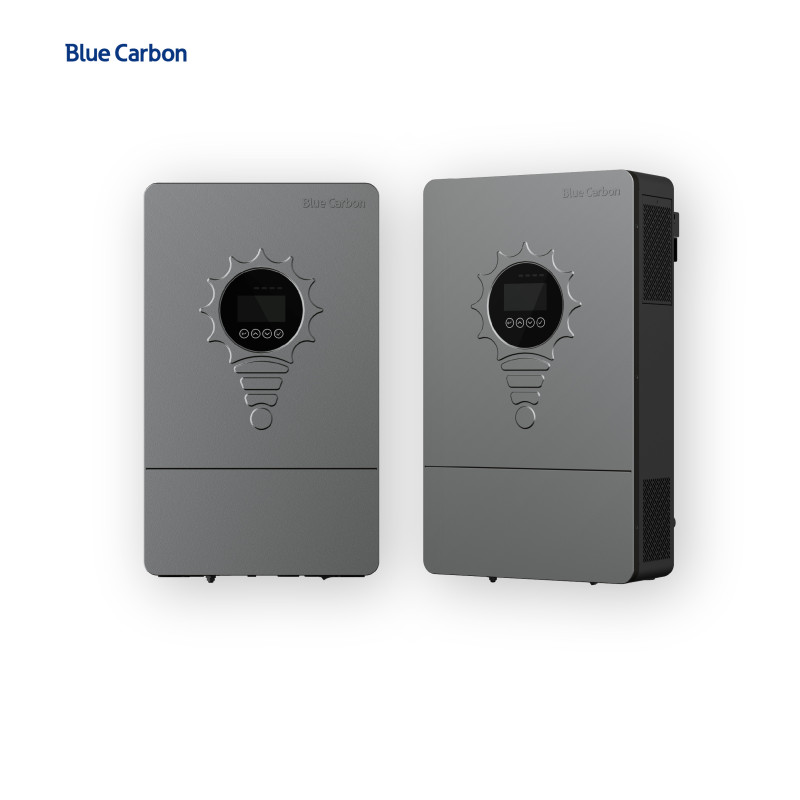
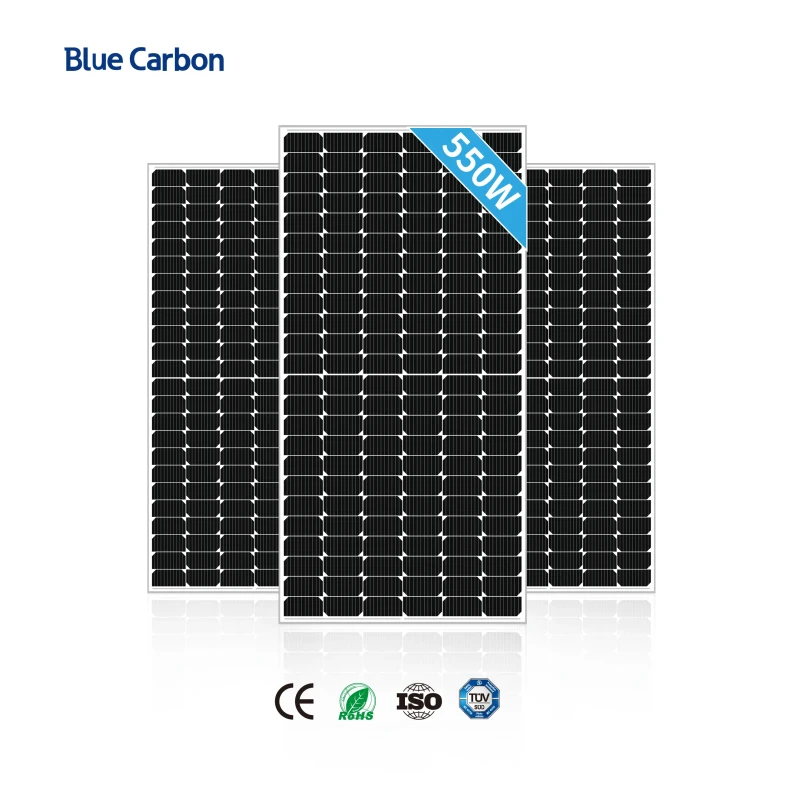
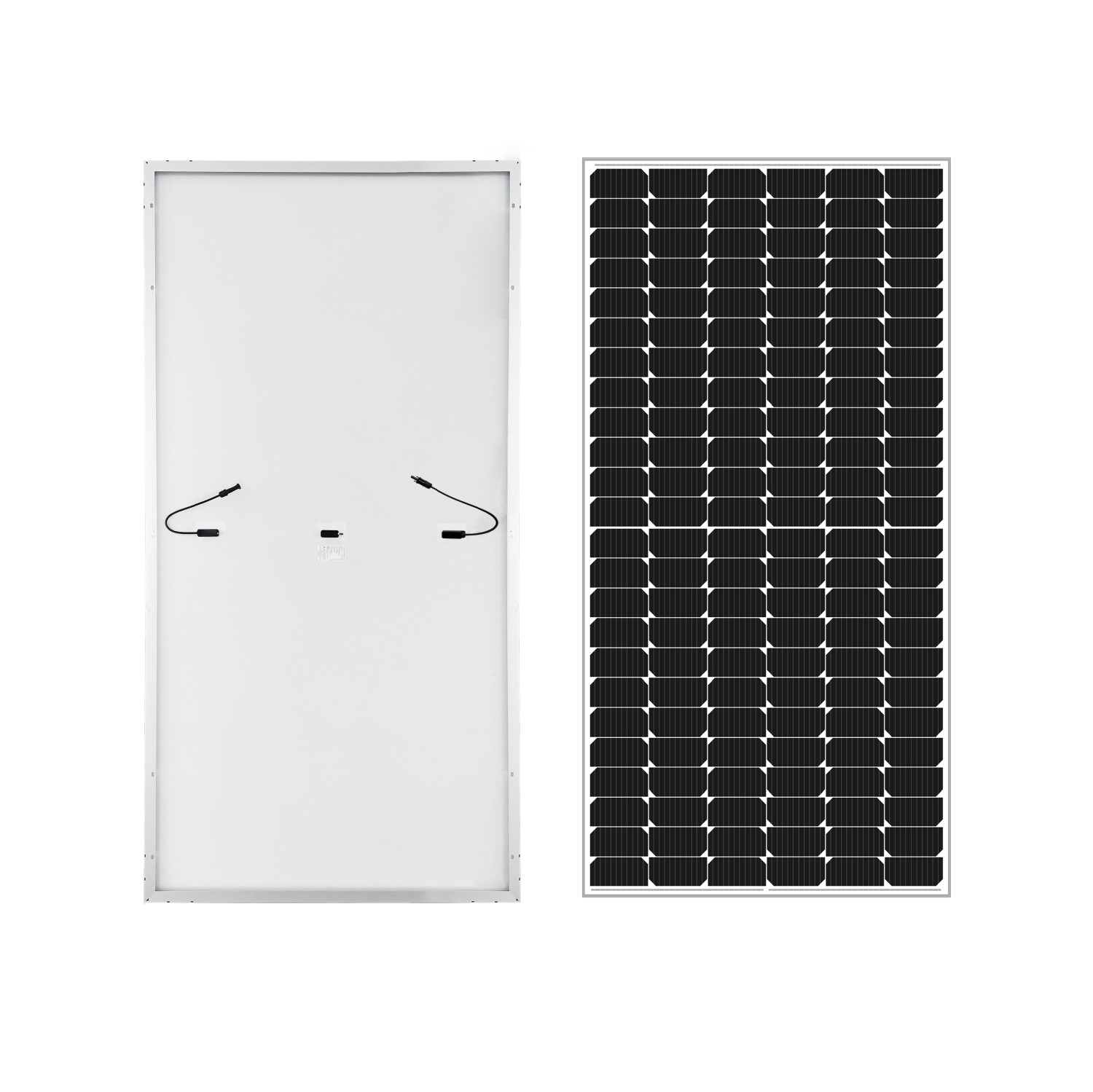
Blue Carbon offers solar energy products including
solar panels, lithium batteries, hybrid inverters, and solar street lights for
different applications.
Using quality components is important, but correct
system design and professional installation are equally important.
Blue Carbon Lithium Batteries for Energy
Storage
Lithium batteries can be particularly useful during
rainy periods because they are designed for regular charge and discharge
operation.
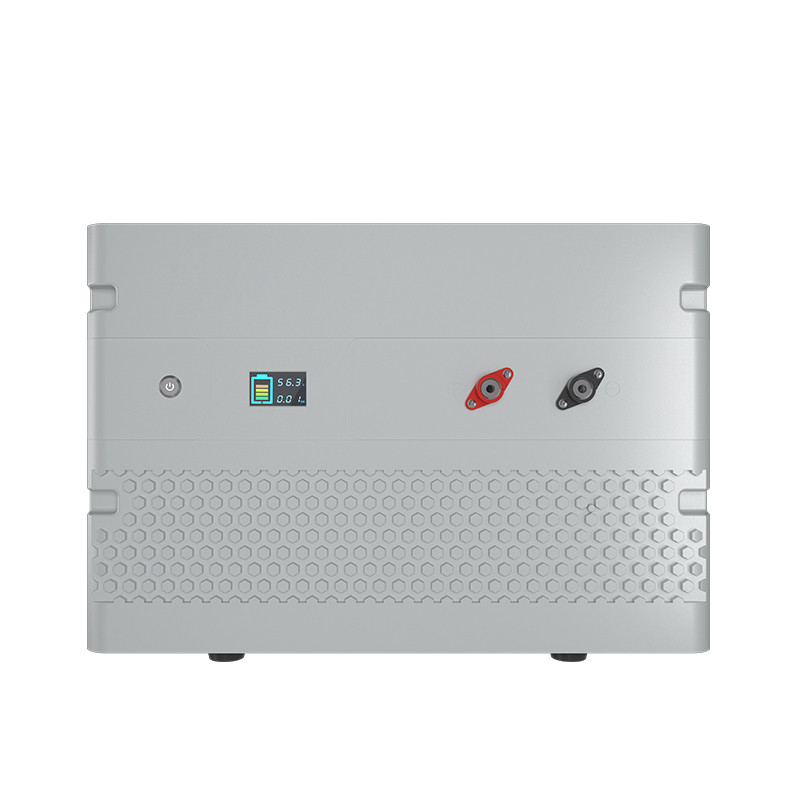
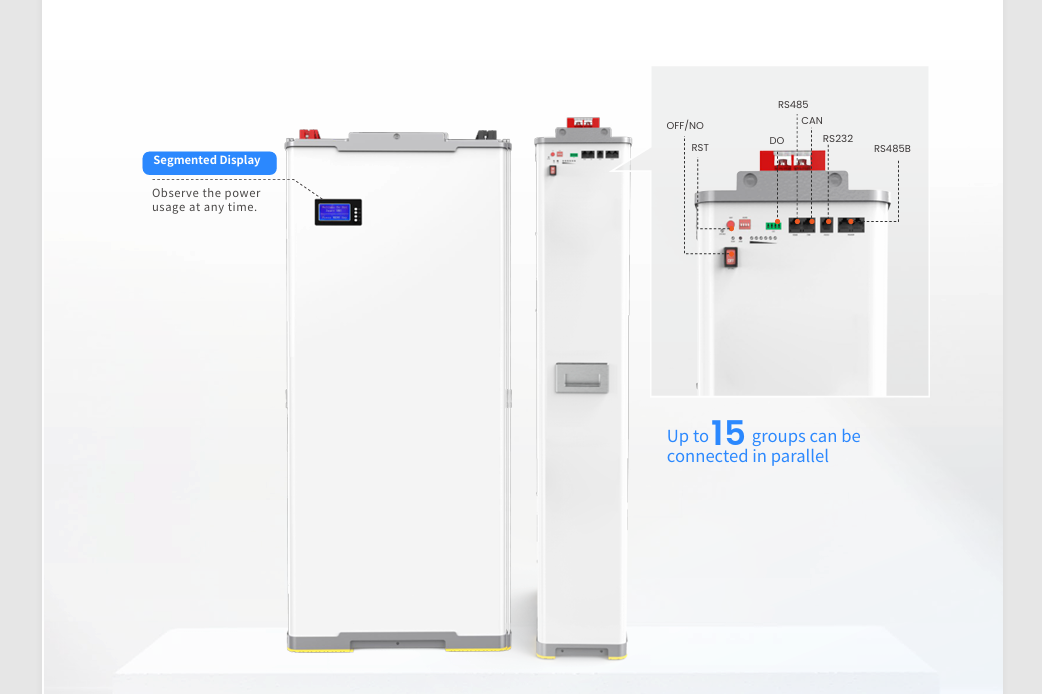
Blue Carbon LiFePO₄ lithium batteries are built with
features including:
- Grade
A cells
- Battery
Management System
- Long
cycle-life capability on selected models
- Efficient
energy storage
- Low
maintenance requirements
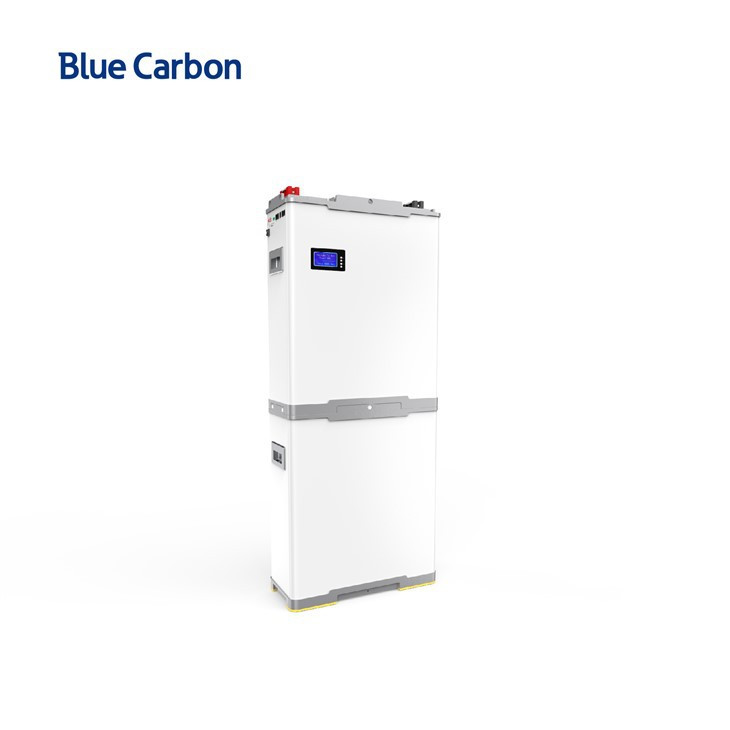
For example, Blue Carbon's 15kWh lithium battery is
designed for larger energy storage requirements.
The correct battery capacity should always be
determined based on the customer's actual energy consumption and required
backup duration.
Create a Rainy-Season Energy Management
Plan
One of the best strategies is to create a simple
energy plan before the rainy season becomes intense.
Your plan can include:
During strong sunlight
- Run
selected heavy appliances.
- Charge
the battery.
- Use
solar power directly.
During cloudy weather
- Reduce
unnecessary loads.
- Prioritize
essential appliances.
- Monitor
battery state of charge.
At night
- Use
stored energy carefully.
- Avoid
unnecessary heavy loads.
- Monitor
battery consumption.
During prolonged rainfall
- Conserve
battery energy.
- Use
grid or generator backup if available and necessary.
- Contact
your installer if the battery repeatedly fails to recharge.
When Should You Call a Solar Technician?
Contact a qualified solar professional if you
notice:
- Sudden
major reduction in solar production
- Battery
failing to charge
- Unusual
inverter alarms
- Battery
overheating
- Frequent
inverter shutdowns
- Water
entering equipment
- Damaged
cables
- Burning
smells
- Unusual
electrical noise
- Significant
reduction in backup time
Do not attempt to repair high-voltage solar or
battery equipment yourself unless you are properly qualified.
Conclusion
Managing a solar system during Nigeria's rainy
season requires a combination of energy conservation, regular monitoring,
proper battery management, panel maintenance, load prioritization, and
professional system maintenance.
Although solar production can decrease during
periods of heavy cloud cover and rainfall, a well-designed and properly managed
solar system can continue providing valuable electricity throughout the season.
To increase backup time, use high-energy appliances
when solar production is strongest, reduce unnecessary loads, prioritize
essential appliances, keep panels clean and free from avoidable shading,
maintain the battery correctly, and ensure your inverter is configured
according to the manufacturer's specifications.
If your system consistently struggles during the
rainy season, it may be time to review the solar panel capacity, battery size,
inverter configuration, and overall energy consumption.
Ultimately, the best rainy-season solar strategy
is not simply to install more equipment—it is to ensure that your entire solar
system is correctly sized, professionally installed, properly maintained, and
intelligently managed.
With quality equipment and good energy management practices, solar users can maximize available sunlight, protect their batteries, reduce generator dependence, and enjoy longer backup times throughout the rainy season.
Tags: solar system rainy season, increase solar backup time, solar battery management Nigeria, rainy season solar maintenance, Blue Carbon solar system
Recent Posts
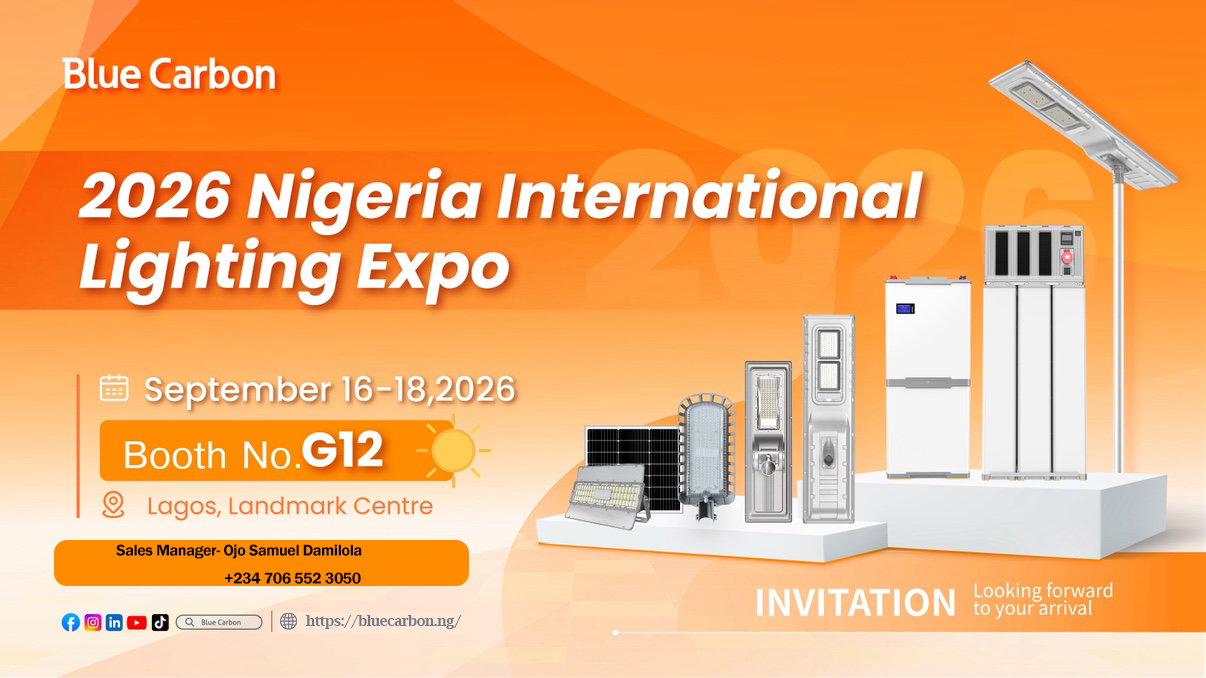
Blue Carbon Invites You to the 2026 Nigeria International Lighting Expo - September 16 - 18, 2026
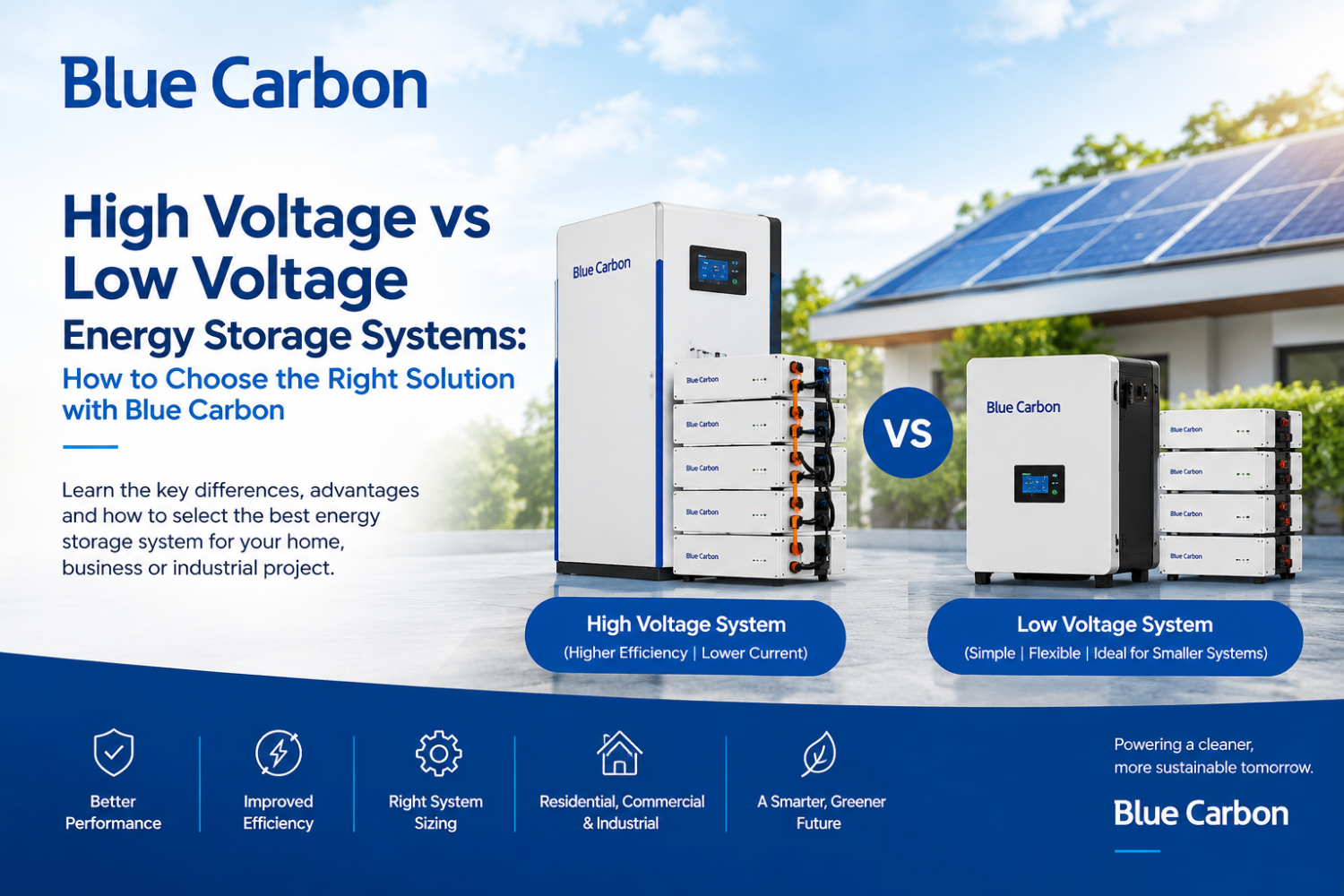
High Voltage vs Low Voltage Energy Storage Systems: How to Choose the Right Solution with Blue Carbon
Register Your Blue Carbon Product for Warranty to Gain Access to Warranty Support
Blue Carbon Lithium Batteries: New Arrival with Smart BMS Specially Designed to Give Our Customers the Best Experience