What Size Inverter Do You Need for a 15kWh Lithium Battery? Complete Guide for Nigerian Homes and Businesses
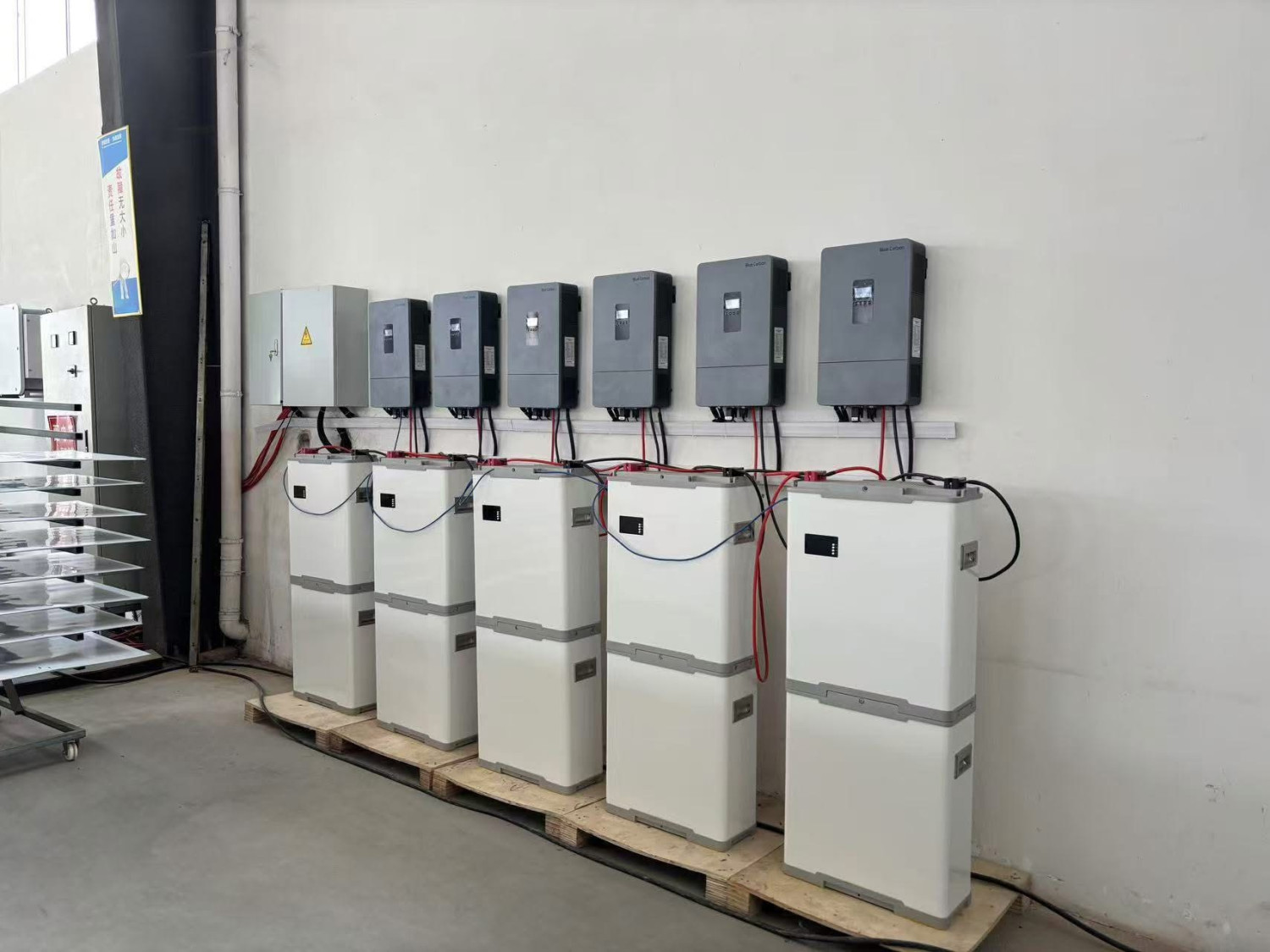
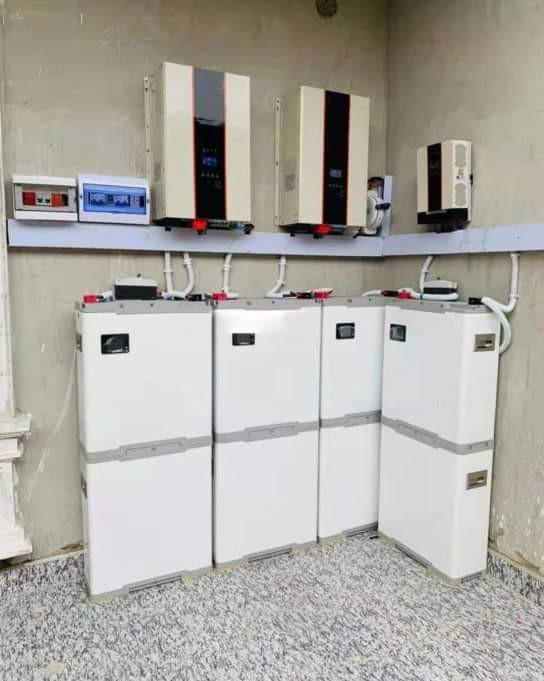
Choosing the right inverter for a 15kWh lithium battery is essential for building a reliable solar power system. A battery may have enough stored energy to power your home for several hours, but without a properly sized inverter, you may not be able to operate all your appliances simultaneously.
One of the
most common mistakes when installing a solar system is choosing an inverter
based only on battery capacity without considering the appliances, starting
currents and battery discharge limits.
So, what
size inverter do you need for a 15kWh lithium battery?
For many
residential installations, a 5kW–8kW inverter is a practical starting point. A
10kW inverter may be appropriate for homes with higher simultaneous loads,
provided the battery's BMS and discharge-current rating can support it.
Let's look
at how to choose the right inverter for your 15kWh lithium battery.
1.
Understanding the Relationship Between Battery Capacity and Inverter Size
Before
selecting an inverter, it is important to understand the difference between
battery capacity and inverter output.
Battery
capacity (kWh) tells you how much energy the battery can store.
Inverter
capacity (kW or kVA) tells you how much electrical power the inverter can
deliver to your appliances at a particular moment.
For example,
a 15.36kWh lithium battery can store a substantial amount of energy. However,
that does not automatically mean it can supply 15kW of power.
Consider
this example:
- Battery capacity: 15.36kWh
- Inverter capacity: 5kW
- Maximum continuous AC output:
approximately 5kW, subject to the inverter's specifications.
The battery
determines how long your system can operate, while the inverter determines how
much load you can operate at once.
2. What
Size Inverter Is Best for a 15kWh Lithium Battery?
The ideal
inverter depends on your electricity consumption and the battery's discharge
specifications.
Here is a
practical comparison:
|
Inverter
size |
Suitable
applications |
|
3kW–3.5kW |
Small
homes with essential appliances |
|
5kW |
Moderate
residential loads |
|
6kW–6.5kW |
Medium-sized
homes with more appliances |
|
8kW |
Larger
residential loads |
|
10kW |
Higher-demand
residential and small commercial installations |
|
12kW |
Heavy
loads, only where battery discharge limits permit |

For many
Nigerian homes, a 5kW, 6kW or 8kW inverter can be a suitable choice when
correctly matched to the battery.
A 10kW or
12kW inverter should not be selected simply because it offers more output. The
battery must be capable of delivering the required DC current continuously.
3. How to
Calculate the Right Inverter Size
The first
step is to calculate the total power consumption of the appliances you want to
operate simultaneously.
For example,
consider a typical Nigerian home:
|
Appliance |
Estimated
power |
|
2
televisions |
200W |
|
4 ceiling
fans |
240W |
|
10 LED
bulbs |
100W |
|
1
refrigerator |
200W |
|
1 freezer |
200W |
|
Laptop and
electronics |
150W |
|
1HP air
conditioner |
900W |
|
Water pump |
750W |
|
Total |
2,740W |
The
estimated simultaneous running load is 2,740W, or approximately 2.74kW.
It is
sensible to allow additional capacity for starting surges, load fluctuations
and future appliances.
A 5kW
inverter may handle this example if its surge capability, output rating and
battery compatibility are adequate.
Recommended
calculation
Required Inverter Capacity = Total Simultaneous Load × 1.25
Using the
example:
2,740W × 1.25 = 3,425W
This gives a
minimum planning estimate of approximately 3.43kW. A suitable 5kW inverter
would provide additional operating headroom, subject to surge and battery
limits.
4. Can a
15kWh Lithium Battery Run a 10kW Inverter?
Yes, but
there is an important condition: the battery must be capable of supplying the
DC current required by the inverter.
A 10kW
inverter connected to a 48V-class battery can draw a substantial amount of
current.
For
illustration, assuming 90% inverter efficiency:
This means
the battery would need to supply approximately 217A continuously at that
operating point.
If the
battery BMS has a maximum continuous discharge rating of 150A, it cannot safely
supply the full 10kW load under these assumptions.
Therefore,
always check the battery's:
- Maximum continuous discharge
current.
- Peak discharge current and
permitted duration.
- Nominal voltage.
- BMS protection limits.
- Approved inverter compatibility.
Never exceed
the manufacturer's discharge limits.
5.
Recommended Inverter Sizes for Different Household Loads
The
following table provides a general guide for residential installations.
|
Household
requirement |
Suggested
inverter size |
|
Lights,
fans, TV and refrigerator |
3.5kW–5kW |
|
Medium
home with freezer and selected AC |
5kW–6.5kW |
|
Larger
home with multiple appliances |
8kW |
|
Home with
several air conditioners |
10kW–12kW,
subject to battery limits |
These are
planning suggestions, not guaranteed appliance combinations. The final
selection should be based on actual appliance ratings, simultaneous usage,
starting surges and battery specifications.
6. What
Happens If You Use an Undersized Inverter?
Using an
inverter that is too small for your household can cause several problems:
- Overload warnings: The inverter
may display an overload alarm when too many appliances operate
simultaneously.
- Automatic shutdown: Some
inverters shut down to protect themselves when the load exceeds their
permitted output.
- Difficulty starting appliances:
Refrigerators, freezers, pumps and air conditioners may require higher
starting power.
- Limited appliance usage: You may
need to switch off some appliances before operating others.
- Poor system flexibility: Your
solar installation may not comfortably support future increases in
electricity demand.
Selecting
the correct inverter from the beginning helps avoid unnecessary upgrades and
operational problems.
7. What
Happens If You Use an Oversized Inverter?
A larger
inverter is not automatically better.
Using an
inverter that is considerably larger than your battery and household
requirements may:
- Increase the initial
installation cost.
- Require higher battery discharge
current.
- Require larger DC cables and
protective equipment.
- Introduce additional standby
consumption.
- Create battery compatibility
problems if the BMS cannot support the inverter.
An oversized
inverter can still be appropriate where future expansion is planned, but the
complete system must be designed around its electrical requirements.
8. Can a
Blue Carbon 15.36kWh Lithium Battery Work with a 5kW, 8kW or 10kW Inverter?

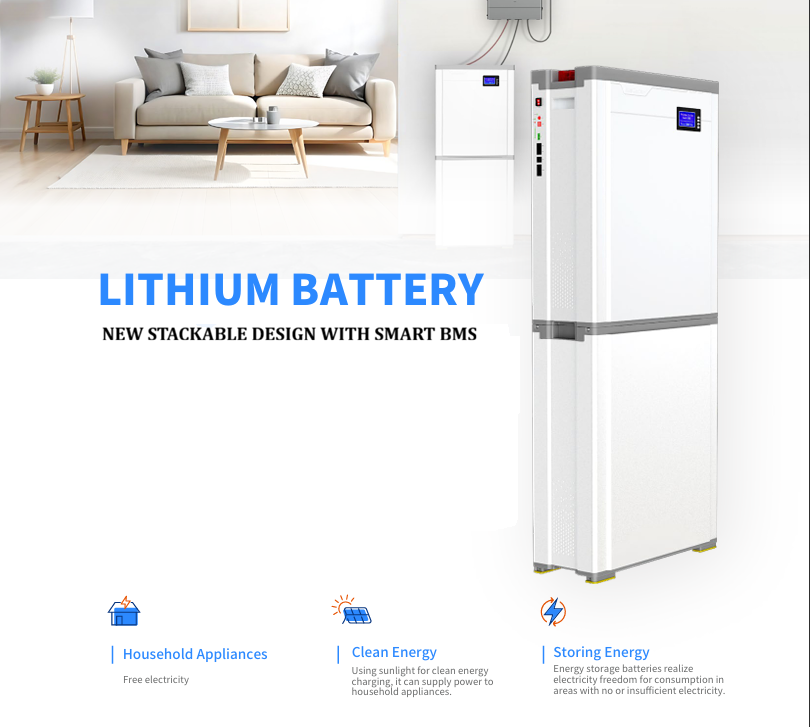
The BLUE
CARBON 15.36kWh 48V stackable lithium battery with Smart BMS is designed for
residential and commercial energy-storage applications.
Its
stackable design offers an expansion option where the exact battery model and
approved system configuration permit it.
However, the
battery capacity alone does not establish which inverter sizes are suitable.
Before
pairing it with a 5kW, 8kW or 10kW inverter, confirm:
- The battery's maximum continuous
discharge current.
- Its peak discharge-current
rating.
- The inverter's DC battery
voltage range.
- The inverter's maximum battery
current.
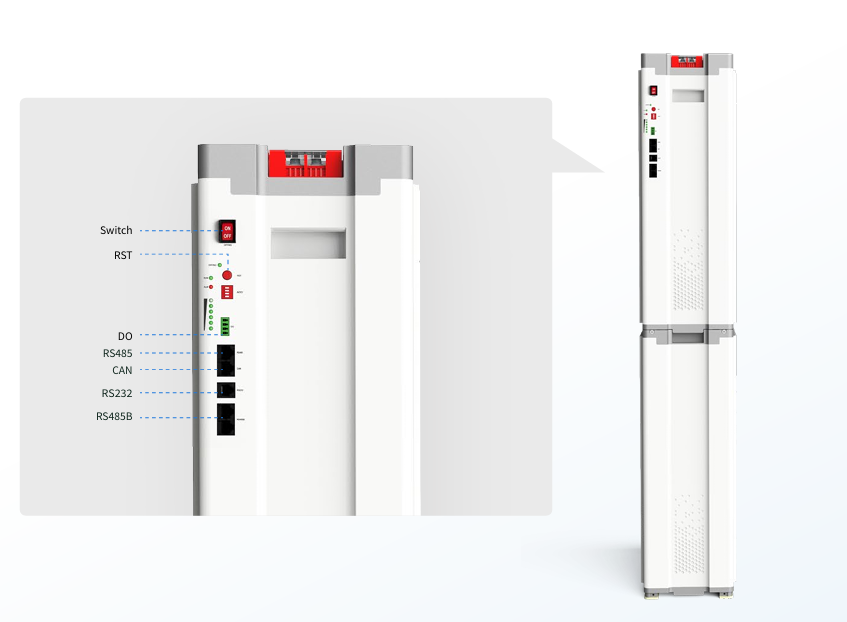
- Whether CAN or RS485
communication is supported by both devices.
- The approved BMS communication
protocol and cable pinout.
- The manufacturer's approved
battery-to-inverter configuration.
You can view
the product here:
BLUE CARBON 15.36kWh 48V Stackable Lithium Battery with Smart BMS
9. Should
You Choose a 48V or High-Voltage Inverter?
This is
another important consideration when selecting an inverter.
48V
low-voltage systems
These are
commonly used in residential solar installations and can be suitable for
appropriately designed homes and small businesses.
However,
higher inverter power requires higher DC current. Cable sizing, battery
discharge limits and protection equipment become particularly important.
High-voltage
systems
High-voltage
battery systems operate at higher DC voltages, allowing lower current for a
given power level.
They are
often considered for larger residential and commercial installations.
However, a
48V battery cannot simply be connected to a high-voltage inverter. The inverter
and battery must be designed to work together.
10. How
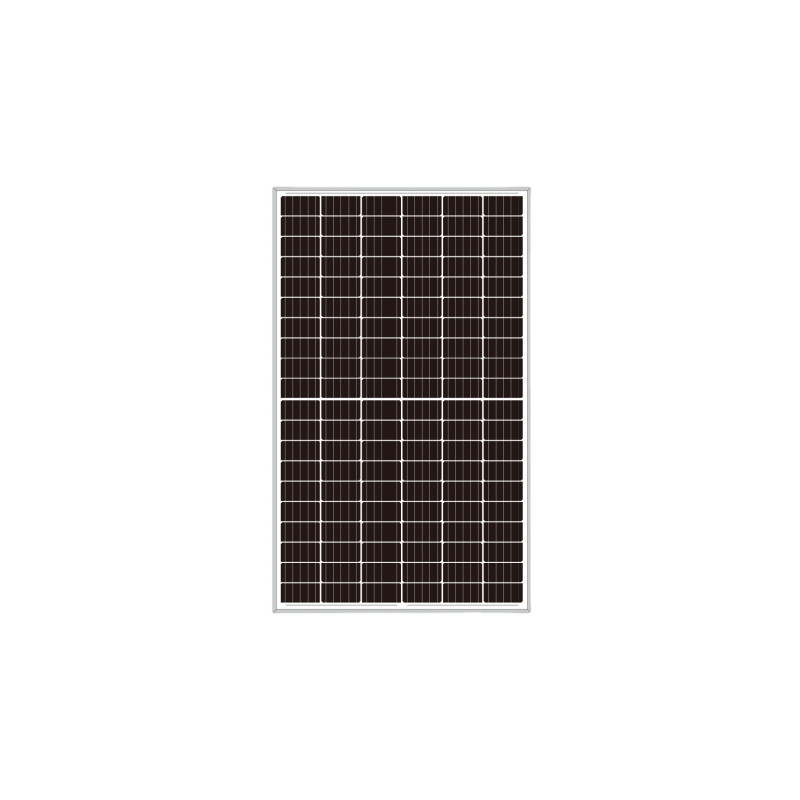
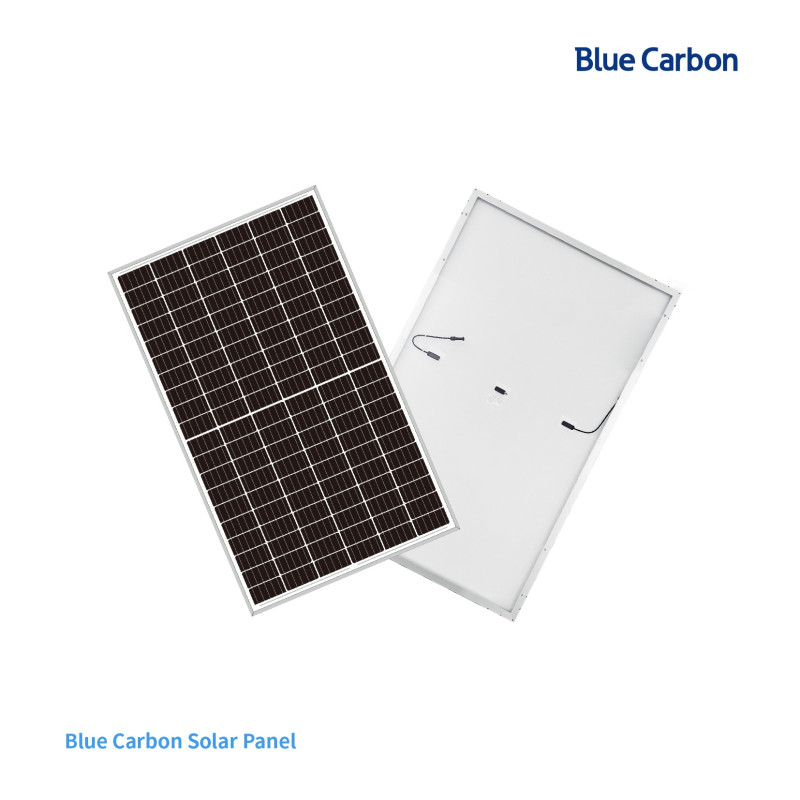
Many Solar Panels Do You Need for a 15kWh Battery and 8kW Inverter?
The inverter
rating does not determine the number of solar panels required on its own. Panel
sizing should consider daily energy consumption, battery charging requirements,
available sunlight and the inverter's PV input specifications.
For a
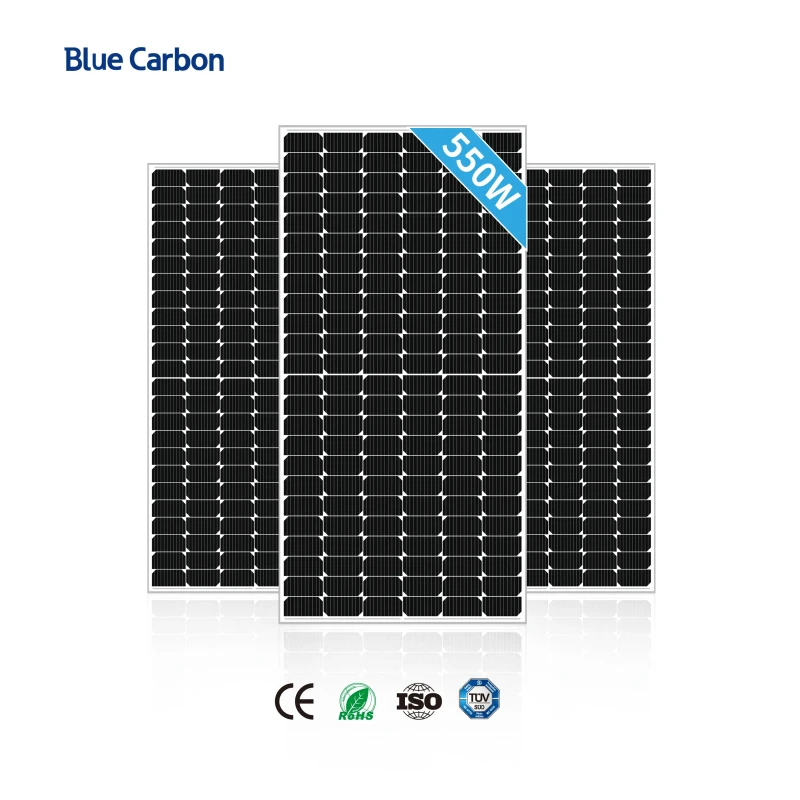
15.36kWh battery, an illustrative starting solar array might be approximately
4.5kW–6kW, depending on the household's energy needs.
|
Solar
panel rating |
Number
of panels |
Total
capacity |
|
550W |
9 |
4.95kW |
|
550W |
10 |
5.50kW |
|
650W |
8 |
5.20kW |
|
650W |
9 |
5.85kW |
|
650W |
10 |
6.50kW |
Before
installation, check the inverter's maximum PV power, MPPT voltage range,
maximum PV input voltage and current limits. The panels must be arranged in
compatible series and parallel strings.
11.
Professional Recommendations for a Reliable 15kWh Solar System
For a
reliable installation, do not select the battery and inverter independently.
A properly
designed system should consider:
- Total household electricity
consumption.
- Maximum simultaneous appliance
load.
- Appliance starting surge
requirements.
- Battery nominal voltage and
usable energy.
- Battery continuous and peak
discharge current.
- Inverter continuous output and
surge capacity.
- Solar panel capacity and MPPT
limits.
- Correct DC cable sizing, fuses
and isolators.
- Compatible BMS communication.
- Provision for future system
expansion.
Working with
a qualified solar installer helps ensure that all components operate safely and
efficiently.
Frequently
Asked Questions
1. Can I use
a 5kW inverter with a 15kWh lithium battery?
Yes. A 5kW
inverter can work with a compatible 15kWh battery if the battery's BMS, voltage
and discharge-current limits support the inverter's operating requirements.
2. Can I use
a 10kW inverter with a 15kWh battery?
Potentially,
yes. However, the battery must supply the required current. A single 48V-class
battery may not support the full 10kW output, depending on its BMS rating.
3. Is an 8kW
inverter good for a 15kWh lithium battery?
An 8kW
inverter can be a suitable choice for some residential systems. Confirm the
battery discharge rating and the actual household load before installation.
4. Does a
bigger inverter make the battery last longer?
No. A bigger
inverter does not increase battery storage capacity. In fact, operating more
appliances can make the battery discharge faster.
5. Can I
connect two 15kWh lithium batteries to a 10kW inverter?
Some systems
support parallel battery expansion, but compatibility, BMS communication,
current sharing and manufacturer-approved connection arrangements must be
verified.
Conclusion:
What Is the Best Inverter Size for a 15kWh Lithium Battery?
For many
Nigerian homes, a 5kW–8kW inverter is a sensible starting range for a 15kWh
lithium battery system.
A 5kW
inverter may be sufficient for essential residential appliances, while an 8kW
inverter offers more output capacity for households with higher simultaneous
loads.
A 10kW
inverter may also be appropriate, but only when the battery's BMS and
discharge-current rating can support the required power.
The best
solar installation is not necessarily the one with the biggest inverter or
battery. It is the one where the inverter, battery, solar panels and household
appliances are properly matched.
Choose BLUE
CARBON for lithium battery and solar energy solutions designed for residential
and commercial applications.
Visit BLUE CARBON Nigeria to
explore available products and solar energy solutions.
For
enquiries:
- Website: https://bluecarbon.ng/
- Email: enquires@bluecarbon.ng
- Phone: 09042103985
Tags: inverter size for 15kWh lithium battery, best inverter for 15kWh battery, 5kW inverter with lithium battery, 8kW solar inverter Nigeria, Blue Carbon lithium battery
Recent Posts
What Size Inverter Do You Need for a 15kWh Lithium Battery? Complete Guide for Nigerian Homes and Businesses
How Long Will a 15kWh Lithium Battery Last? Complete Guide for Nigerian Homes and Businesses
BLUE CARBON Lithium Battery and Inverter Communication: Step-by-Step Guide
Best Solar Energy Company in Nigeria: What Should You Look For?