
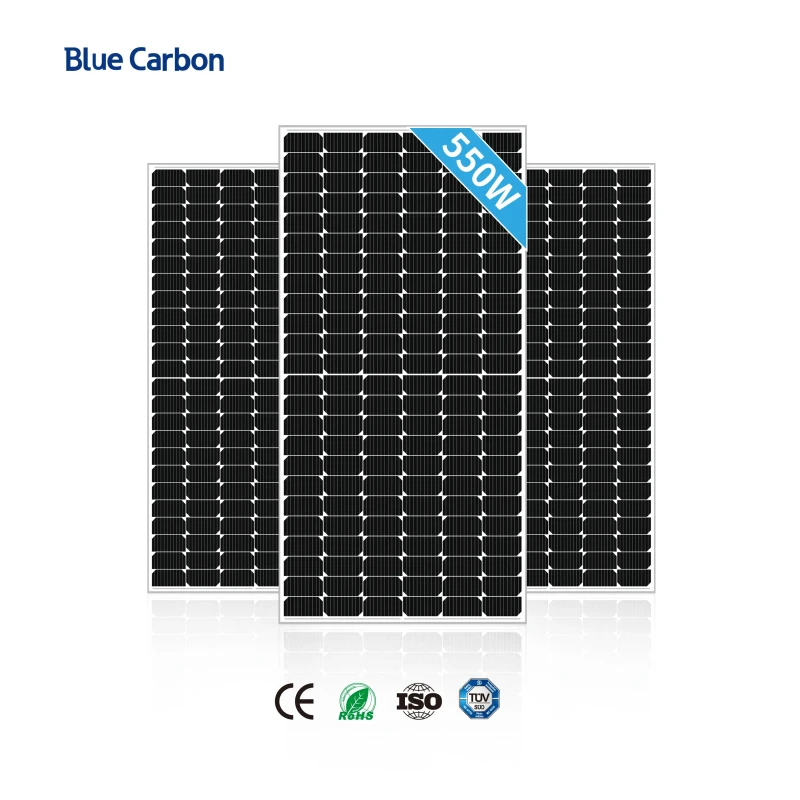
Can a Lithium Battery Be Used With Any Solar Inverter? Complete Compatibility Guide for Nigerian Homes
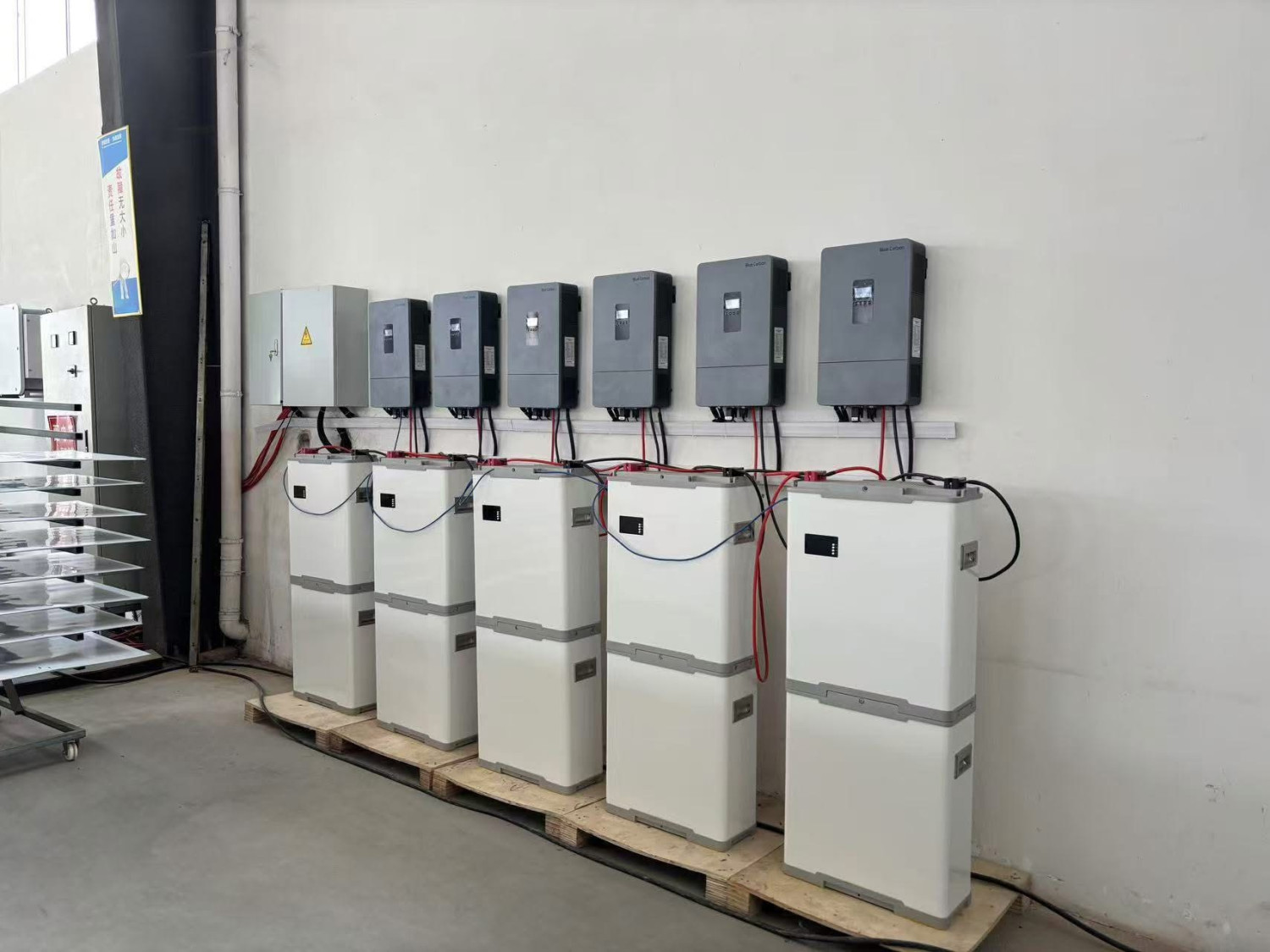
Lithium batteries have become increasingly popular in Nigeria because of their high energy efficiency, longer service life, compact design and ability to provide reliable backup power. Many homeowners and businesses are now upgrading from traditional lead-acid batteries to lithium battery storage systems.
However, one
important question comes up when planning a solar installation: Can a
lithium battery be used with any solar inverter?
The simple
answer is no. Not every lithium battery is compatible with every solar
inverter.
Although
many modern hybrid and off-grid inverters support lithium battery technology,
compatibility depends on several technical factors, including battery voltage,
inverter specifications, Battery Management System (BMS) communication,
charging parameters and maximum discharge current.
Connecting
an incompatible lithium battery to a solar inverter can result in communication
errors, poor charging performance, unexpected shutdowns and, in some
circumstances, damage to system components.
In this
guide, we explain how lithium batteries work with solar inverters, what you
should check before connecting them and how to select the right combination for
your home or business.
1.
Understanding How Lithium Batteries Work With Solar Inverters
A lithium
battery stores electrical energy generated by solar panels or supplied by
another charging source. The solar inverter manages the electrical energy and
converts DC power from the battery into AC electricity that household
appliances can use.
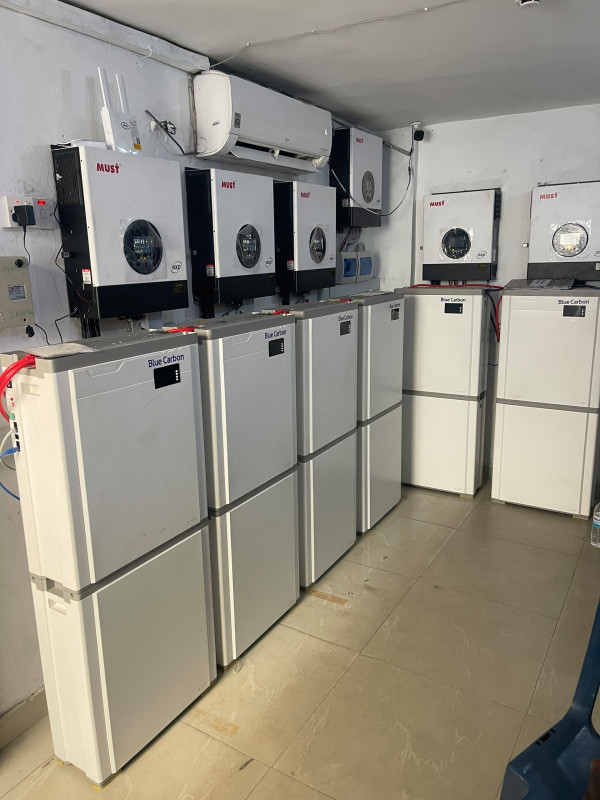
A typical
solar installation consists of:
- Solar panels: Generate DC electricity from
sunlight.
- Solar inverter: Converts DC electricity into AC
electricity and manages the energy flow.
- Lithium battery: Stores electrical energy for
later use.
- Battery Management System (BMS): Monitors and protects the
lithium battery.
- Household appliances: Consume the electricity
supplied by the system.

The BMS is
particularly important because lithium batteries require controlled charging
and discharging.
Depending on
the battery design, the BMS monitors parameters such as:
- Battery voltage.
- Charging and discharging
current.
- Cell voltage balance.
- Battery temperature.
- State of charge (SOC).
- Protection against overcharging
and excessive discharge.
Some lithium
batteries communicate this information directly to compatible inverters,
allowing both devices to coordinate their operation.
2. Why
Can't Every Lithium Battery Work With Every Solar Inverter?
The main
reason is that solar inverters and lithium batteries are manufactured with
different electrical specifications and communication requirements.
Two products
may both be advertised as 48V lithium battery systems, but that does not
automatically mean they can work together.
There are
five important compatibility requirements.
A.
Battery Voltage Must Match the Inverter
The first
thing to check is the nominal battery voltage supported by your inverter.
Common
lithium battery voltage classes include:
|
Lithium
battery type |
Nominal
voltage class |
Typical
application |
|
12.8V
lithium battery |
12V class |
Small
backup systems |
|
25.6V
lithium battery |
24V class |
Small and
medium solar systems |
|
51.2V
lithium battery |
48V class |
Residential
and commercial solar systems |
|
High-voltage
lithium battery |
Model-dependent |
Compatible
high-voltage solar systems |
For example,
a 51.2V lithium battery is commonly used with a 48V-class inverter designed to
support the battery's operating voltage range.
However, a
48V lithium battery should not be connected to a 24V or 12V inverter unless the
manufacturer specifically approves an appropriate system configuration.
Similarly, a
high-voltage lithium battery must only be connected to an inverter designed for
that particular high-voltage battery system.
Important: Always check the battery's actual
operating voltage range and the inverter's permitted battery voltage range.
Nominal voltage alone is not sufficient.
B. The
Inverter Must Support the Battery Chemistry
Different
battery chemistries have different charging and discharging requirements.
Common
battery types include:
- Lithium Iron Phosphate
(LiFePO₄).
- Lithium Nickel Manganese Cobalt
Oxide (NMC).
- Lead-acid batteries.
- Gel batteries.
- AGM batteries.
Many modern
solar inverters support LiFePO₄ batteries, but support varies by model.
For example,
an inverter may provide a lithium battery setting designed for a particular
battery chemistry or approved BMS communication protocol.
Using an
incorrect battery profile can result in unsuitable charging voltage, incorrect
charging limits or unexpected battery protection shutdowns.
Before
purchasing, confirm that the inverter supports the exact lithium battery
chemistry and operating requirements.
C. BMS
Communication Must Be Compatible

This is one
of the most important aspects of lithium battery and inverter compatibility.
Many modern
lithium batteries communicate with solar inverters through:
- CAN communication.
- RS485 communication.
These
communication systems allow the battery and inverter to exchange operating
information.
For example,
the battery BMS may communicate:
- Current battery state of charge.
- Maximum permitted charging
current.
- Maximum permitted discharging
current.
- Battery voltage.
- Temperature information.
- Battery protection and alarm
conditions.
The inverter
can then use this information to adjust its charging and discharging behaviour.
However,
there is an important distinction: having CAN or RS485 ports does not guarantee
compatibility.
Different
manufacturers may use different communication protocols, pin assignments and
configuration settings.
Therefore,
the battery and inverter must support a compatible communication protocol.
D.
Charging and Discharging Current Must Be Compatible
Another
important consideration is the maximum current the battery can safely supply or
accept.
For example,
a 10kW inverter operating at high output may demand substantial current from a
48V battery system.
Assume:
- Inverter AC output: 8,000W.
- Battery voltage: 51.2V.
- Inverter efficiency: 90%.
The
approximate DC current required is:
\[
I=\frac{P}{V\times\eta} \]
\[
I=\frac{8,000}{51.2\times0.90} \]
\[
I\approx174A \]
This means
the battery bank would need to supply approximately 174A under these
assumptions.
If the
battery BMS supports only 100A continuous discharge, a single battery cannot
safely supply the full required current.
Possible
solutions include using a manufacturer-approved parallel battery configuration,
reducing the inverter load or selecting a battery system with a suitable
discharge rating.
Never exceed
the manufacturer's specified battery current limits.
E.
Inverter Firmware and Battery Protocol Must Match
Some
inverters require a specific lithium battery protocol or firmware version to
communicate correctly with a battery.
Even when
two products have CAN communication ports, they may not communicate
successfully if their protocols are incompatible.
Before
connecting the equipment, confirm:
- The approved inverter brand and
model.
- Supported battery communication
protocol.
- Required firmware version, where
applicable.
- Correct communication cable.
- Approved CAN or RS485 port.
- Required inverter lithium
battery settings.
Never select
a random lithium protocol number simply because it appears to work with another
battery brand.
3. Can a
Lithium Battery Work With an Inverter Without CAN or RS485 Communication?
Yes, some
lithium battery and inverter combinations can operate without active BMS
communication, but only when both manufacturers permit this operating mode.
In such
installations, the inverter may use manually configured voltage-based charging
and discharging settings.
These
settings may include:
- Bulk or absorption charging
voltage.
- Float charging voltage, where
applicable.
- Low-voltage cutoff.
- Battery recovery voltage.
- Maximum charging current.
- Maximum discharging current.
However,
these values must come from the battery and inverter manufacturers'
instructions.
The BMS must
remain active and must continue providing its built-in protection functions.
Important: Operating without communication is
not suitable for every lithium battery. Never assume that disconnecting the
communication cable and selecting a generic lithium profile is safe.
4. Which
Solar Inverters Are Compatible With Lithium Batteries?
Many modern
hybrid and off-grid solar inverters support lithium batteries. However,
compatibility is determined by the specifications of the exact model.
Here are the
main inverter categories to understand.
A. Hybrid
Solar Inverters

Hybrid
inverters can manage electricity from solar panels, battery storage and the
utility grid, depending on the model.
Many modern
hybrid inverters support lithium battery charging and BMS communication.
Before
choosing one, confirm:
- Supported battery voltage.
- Lithium battery chemistry.
- CAN or RS485 compatibility.
- Maximum battery charging
current.
- Maximum battery discharge
current.
- Approved battery models.
Hybrid
inverters are popular for Nigerian homes because they can combine solar energy,
battery storage and grid electricity.
B.
Off-Grid Solar Inverters
Резервное
питание дома: как выбрать аккумулятор для аварийного электроснабжения
Off-grid
inverters are designed primarily for installations that operate independently
of the utility grid.
Some models
support lithium batteries directly, while others may require approved
voltage-based settings or specific communication arrangements.
Always check
the manufacturer's battery compatibility information before installation.
C.
Grid-Tied Solar Inverters

Traditional
grid-tied inverters are designed to convert solar energy into electricity for
use alongside the utility grid.
Not all
grid-tied inverters have battery storage functionality.
If you want
to add lithium battery storage, you need an inverter specifically designed for
battery integration or a compatible AC-coupled storage solution.
Do not
assume that every grid-tied inverter can directly charge or discharge a lithium
battery.
5. How to
Check Whether Your Lithium Battery Is Compatible With Your Inverter
Before purchasing or connecting a lithium battery, follow these steps.
Step 1: Check the inverter battery voltage
Identify whether your inverter supports 12V, 24V, 48V or a high-voltage battery system.
Step 2:
Check the battery specifications
Confirm the battery chemistry, nominal voltage, operating voltage range and capacity.
Step 3:
Confirm BMS communication
Check whether both products support the same CAN or RS485 communication protocol.
Step 4:
Check charging and discharging limits
Ensure the battery can safely supply the inverter's required current and accept its charging current.
Step 5:
Confirm inverter configuration
Use the manufacturer's approved battery profile, communication settings and operating parameters.
Step 6:
Commission and test the installation
A qualified
installer should verify communication, battery readings, protection settings
and system operation before handing it over.
6. Can
You Use a 48V Lithium Battery With Any 48V Solar Inverter?
Not
necessarily.
Although
both products may be described as 48V systems, other specifications must match.
For example,
consider a 51.2V 200Ah LiFePO₄ battery.
Its nominal
energy capacity is:
\[
51.2V\times200Ah=10,240Wh \]
This equals
approximately 10.24kWh of nominal storage.
However,
before connecting it to a 48V inverter, you must confirm:
- The inverter supports the
battery's voltage range.
- The inverter supports the
battery chemistry.
- The charging voltage is
appropriate.
- The battery's BMS discharge
rating is sufficient.
- The battery communication
protocol is compatible, where communication is required.
- The inverter supports the
intended battery configuration.
Therefore,
matching the nominal voltage is only the first step in determining
compatibility.
7. What
Happens If You Connect an Incompatible Lithium Battery to a Solar Inverter?
Using an
incompatible battery and inverter combination can cause several problems.
1. BMS
Communication Failure
The inverter
may fail to recognise the battery or display a communication error.
2.
Unexpected Battery Shutdown
If the
battery reaches a protection limit, its BMS may disconnect the battery to
prevent unsafe operation.
3.
Incorrect Charging
An
unsuitable charging profile may cause poor charging performance or repeated BMS
protection events.
4.
Reduced Battery Performance
Incorrect
settings or inadequate discharge capability can prevent the battery from
delivering the expected power.
5. System
Instability
Repeated
communication failures, unexpected shutdowns and incompatible operating limits
can affect the entire solar installation.
For these
reasons, always confirm compatibility before purchasing or connecting the
equipment.
8. Why Choose BLUE CARBON Lithium Batteries and Solar Inverters?
BLUE CARBON
provides solar energy products for residential, commercial and industrial
applications, including lithium batteries, hybrid inverters, off-grid inverters
and solar panels.
For
customers planning a new solar installation or upgrading an existing system,
choosing compatible components is essential.
One product
worth exploring is the BLUE CARBON 15.36kWh 48V New Stackable Lithium
Battery with Smart BMS.

Its
published product information identifies:
- 15.36kWh nominal energy
capacity.
- 48V-class battery configuration.
- Smart BMS technology.
- Stackable battery design.
- Residential and commercial
energy-storage applications.
The Smart
BMS helps manage battery operating conditions, including voltage, current and
temperature.
Its
stackable design provides an expansion option where the manufacturer-approved
battery configuration and inverter compatibility permit it.
View the
product: BLUE
CARBON 15.36kWh 48V Stackable Lithium Battery
BLUE CARBON
also lists a range of solar inverters, including:
- BLUE
CARBON 6kW 48V Hybrid Solar Inverter
- BLUE
CARBON–Deye Hybrid Inverter Range
- BLUE
CARBON 12kW Off-Grid Solar Inverter
Before
purchasing, ask BLUE CARBON to confirm the approved battery and inverter
combination, including the communication protocol, discharge-current limits and
required settings for your specific models.
9.
Frequently Asked Questions
1. Can I
use a lithium battery with a normal solar inverter?
Not always.
The inverter must support the lithium battery's voltage, chemistry, charging
requirements and discharge limits. Some batteries can operate with approved
voltage-based settings, while others require specific BMS communication.
2. Can I
connect a 48V lithium battery to a 48V hybrid inverter?
Potentially,
yes. However, matching the nominal voltage does not guarantee compatibility.
Check the operating voltage range, BMS protocol, charging settings and current
limits.
3. Do all
lithium batteries use CAN communication?
No. Some
lithium batteries use CAN, others use RS485, and some support different
communication arrangements. The correct protocol depends on the battery and
inverter models.
4. What
happens if my inverter does not recognise my lithium battery?
Possible
causes include an incompatible communication protocol, incorrect cable pinout,
wrong inverter settings, firmware differences or a problem with the battery
connection. Check the manufacturer's troubleshooting instructions rather than
selecting random settings.
5. Can I
use two different brands of lithium batteries with one inverter?
It is
generally not advisable unless the manufacturers explicitly approve the
combination. Different brands may use different BMS protocols, charging limits
and battery configurations.
6. Can I
connect multiple lithium batteries to one solar inverter?
Yes, some
battery and inverter systems support parallel connections. However, the
batteries must be approved for the same configuration, with correct
communication, protection and current-sharing arrangements.
7. Is a
bigger lithium battery compatible with every inverter?
No. Battery
capacity does not determine compatibility by itself. Voltage, BMS
communication, current limits and inverter specifications must still match.
10.
Conclusion: Not Every Lithium Battery Is Compatible With Every Solar Inverter
Lithium
batteries can work with many modern solar inverters, but compatibility should
never be assumed.
Before
connecting a lithium battery to a solar inverter, confirm the battery voltage,
chemistry, BMS communication protocol, charging requirements and maximum
discharge current.
A properly
matched battery and inverter combination helps deliver reliable performance,
efficient charging and longer system service life.
If you are
planning a new solar installation or upgrading your existing system, BLUE
CARBON offers lithium battery and solar inverter options worth exploring.
Choose compatible components. Install correctly. Enjoy dependable solar power.
Keywords: lithium battery and solar inverter compatibility, can lithium battery work with any inverter, 48V lithium battery inverter compatibility, lithium battery BMS communication, Blue Carbon lithium battery Nigeria.
BLUE
CARBON NIGERIA
? Website: https://bluecarbon.ng/
? Email: enquires@bluecarbon.ng
? Phone: 09042103985
Recent Posts
Why Does My Inverter Shut Down When I Turn on Heavy Appliances? Causes and Solutions
How Many Appliances Can a 6.5kVA Inverter Power? A Practical Guide for Nigerian Homes
5kVA vs 10kVA vs 15kVA Inverter: Which One Do You Need? Complete Solar Buying Guide for Nigeria
What Size of Lithium Battery Do You Need for a 10kVA Inverter? Complete Guide for Nigerian Homes and Businesses
5kWh vs 10kWh vs 15kWh Lithium Battery: Which One Is Right for Your Home?