5kVA vs 10kVA vs 15kVA Inverter: Which One Do You Need? Complete Solar Buying Guide for Nigeria
Choosing the right solar inverter is one of the most important decisions when installing a solar power system for your home, office or business. An inverter that is too small may struggle to power your appliances, while one that is unnecessarily large can increase your installation costs.
In Nigeria, where many households and businesses depend on
alternative electricity sources because of inconsistent grid supply, selecting
the right inverter capacity can make a significant difference to your comfort,
productivity and energy expenses.
Three popular inverter sizes to consider are 5kVA, 10kVA
and 15kVA. But which one is suitable for your electricity needs?
A 5kVA inverter may be sufficient for a small household
with essential appliances. A 10kVA inverter offers greater capacity for
medium-sized homes and businesses, while a 15kVA inverter is suitable for
larger installations with higher simultaneous electricity demands.
In this guide, we compare their capacities, appliance
requirements, battery sizes, solar panel requirements, advantages and
applications to help you make an informed decision.
1. Understanding 5kVA, 10kVA and 15kVA Solar
Inverters
Before comparing these inverter sizes, it is important to
understand what kVA means.
KVA stands for kilovolt-amperes. It measures the apparent
power capacity of an inverter.
However, the actual usable power in kilowatts (kW) depends
on the inverter's power factor.
For example:
|
Inverter capacity |
At 0.8 power factor |
At 0.9 power factor |
At 1.0 power factor |
|
5kVA |
4kW |
4.5kW |
5kW |
|
10kVA |
8kW |
9kW |
10kW |
|
15kVA |
12kW |
13.5kW |
15kW |
These figures illustrate the relationship between apparent
and real power. Always check the manufacturer's rated output and power factor
because specifications differ between inverter models.
Important: A 10kVA inverter does
not necessarily deliver 10kW of usable power. Its actual rated output
determines how many appliances it can support.
2. 5kVA Inverter: Is It Enough for Your Home?
A 5kVA solar inverter is a popular option for households
that want to power essential appliances without investing in a larger solar
installation.
Depending on its rated output, it may comfortably support a
selection of household appliances such as:
- LED
lighting.
- Television.
- Ceiling
fans.
- Refrigerator.
- Freezer.
- Laptop
and desktop computers.
- Internet
router.
- Selected
small kitchen appliances.
Example of a 5kVA household load
|
Appliance |
Estimated power |
|
1 television |
100W |
|
4 ceiling fans |
240W |
|
10 LED bulbs |
100W |
|
1 refrigerator |
200W |
|
1 laptop |
65W |
|
Wi-Fi router |
15W |
|
1 decoder |
25W |
|
Total |
745W |
This example represents an estimated running load of 745W.
Actual consumption varies by appliance model and operating conditions.
A 5kVA inverter may also support selected additional
appliances, provided the combined running load and starting surges remain
within its specifications.
Advantages of a 5kVA inverter
- Lower
initial investment compared with larger inverter sizes.
- Suitable
for essential residential electricity needs.
- Can
be paired with different lithium battery capacities where compatible.
- Requires
less inverter capacity than larger systems.
- A
practical option for smaller homes and apartments.
Who should consider a 5kVA inverter?
A 5kVA inverter may be suitable for:
- Small
households.
- Apartments.
- Small
offices.
- Shops
with moderate electricity consumption.
- Homes
prioritising essential appliances.
- Customers
beginning their transition to solar energy.
However, if you regularly operate multiple air
conditioners, electric cookers or other high-power appliances, you may need a
larger inverter.
3. 10kVA Inverter: A Balanced Choice for Medium-Sized Homes
A 10kVA solar inverter provides more power capacity than a
5kVA model and can be suitable for households with greater electricity
requirements.
Depending on its actual output rating, it may support
combinations of:
- Multiple
televisions.
- Several
ceiling fans.
- Refrigerators
and freezers.
- Air
conditioners.
- Washing
machines.
- Water
pumps.
- Computers
and office equipment.
- Selected
kitchen appliances.
Example of a 10kVA household load
|
Appliance |
Estimated power |
|
2 televisions |
200W |
|
5 ceiling fans |
300W |
|
12 LED bulbs |
120W |
|
2 refrigerators |
400W |
|
1 freezer |
200W |
|
1 air conditioner |
1,000W |
|
Washing machine |
800W |
|
Water pump |
750W |
|
Computers and electronics |
200W |
|
Total |
3,970W |
This example gives an estimated simultaneous running load
of 3.97kW.
A 10kVA inverter may be suitable for this installation if
its real-power rating, surge capacity and battery supply requirements are
adequate.
Advantages of a 10kVA inverter
- Greater
power capacity than a 5kVA inverter.
- More
flexibility for operating multiple appliances.
- Suitable
for many medium-sized residential installations.
- Can
support selected commercial applications.
- Offers
room for additional loads when properly sized.
Who should consider a 10kVA inverter?
A 10kVA inverter may be suitable for:
- Three-
to five-bedroom homes, depending on consumption.
- Homes
with selected air conditioners.
- Medium-sized
offices.
- Retail
shops and supermarkets.
- Small
businesses.
- Residential
properties with higher electricity requirements.
4. 15kVA Inverter: For Larger Homes and Commercial Applications
A 15kVA solar inverter offers a higher rated capacity and
is designed for installations with greater simultaneous power requirements.
It can be considered for larger residential and commercial
systems where several appliances and electrical equipment need to operate
together.
Depending on its specifications, a 15kVA inverter may
support:
- Multiple
air conditioners.
- Several
refrigerators and freezers.
- Water
pumps.
- Washing
machines.
- Office
equipment.
- Lighting
systems.
- Computers
and networking equipment.
- Selected
commercial machinery.
Example of a 15kVA household or business load
|
Appliance |
Estimated power |
|
3 televisions |
300W |
|
8 ceiling fans |
480W |
|
20 LED bulbs |
200W |
|
3 refrigerators |
600W |
|
2 freezers |
400W |
|
3 air conditioners |
3,000W |
|
2 water pumps |
1,500W |
|
Washing machine |
800W |
|
Computers and office equipment |
500W |
|
Total |
7,780W |
The estimated simultaneous running load is 7.78kW.
A 15kVA inverter may be appropriate for this type of
installation, depending on its actual kW rating, motor starting requirements
and other operating conditions.
Advantages of a 15kVA inverter
- Higher
power output capacity.
- Greater
flexibility for larger installations.
- Suitable
for higher residential energy demands.
- Can
support selected commercial applications.
- Provides
more capacity for future load expansion when properly planned.
Who should consider a 15kVA inverter?
A 15kVA inverter may be suitable for:
- Large
residential homes.
- Hotels
and guest houses.
- Restaurants.
- Offices.
- Supermarkets.
- Schools
and other institutions.
- Commercial
facilities with substantial electricity requirements.
For industrial machinery and very heavy electrical loads, a
detailed load assessment is essential. A 15kVA inverter is not automatically
suitable for every industrial application.
5. Comparison: 5kVA vs 10kVA vs 15kVA Inverter
Here is a summary of the three inverter sizes.
|
Feature |
5kVA |
10kVA |
15kVA |
|
Relative capacity |
Small |
Medium |
Large |
|
Typical application |
Small homes |
Medium homes and businesses |
Large homes and businesses |
|
Appliance flexibility |
Essential loads |
More simultaneous loads |
Higher simultaneous loads |
|
Battery requirement |
Lower, depending on load |
Moderate to high |
Higher |
|
Solar panel requirement |
Lower, depending on energy use |
Moderate to high |
Higher |
|
Initial investment |
Generally lower |
Generally higher |
Generally highest |
|
Expansion potential |
Model-dependent |
Model-dependent |
Model-dependent |
The table is a general comparison. Actual installation
requirements depend on inverter specifications, household consumption and
backup expectations.
6. What Size of Lithium Battery Do You Need?
Selecting the correct inverter is only one part of
designing a solar power system. You also need enough lithium battery storage to
support your desired backup duration.
The following are illustrative battery-capacity ranges for
different inverter sizes.
|
Inverter size |
Possible battery capacity range |
|
5kVA |
5kWh–10kWh |
|
10kVA |
10kWh–20kWh |
|
15kVA |
15kWh–30kWh or more |
These are starting points, not fixed compatibility rules. A
smaller battery may operate a larger inverter at reduced loads if its discharge
rating permits it. A larger battery provides more stored energy but does not
automatically increase the inverter's rated output.
Example: 5kVA inverter with a 5kWh lithium
battery
A 5kWh battery may provide backup for essential appliances,
depending on their combined consumption.
Example: 10kVA inverter with a 15kWh lithium
battery
A 15kWh battery can provide longer backup for a
medium-sized home, provided its BMS discharge rating supports the connected
inverter and loads.
Example: 15kVA inverter with a 30kWh lithium
battery
A 30kWh battery bank provides more stored energy and may be
suitable for a larger installation requiring longer backup hours.
Important: Check battery discharge current
A high-capacity inverter can demand substantial DC current
from its battery bank.
For example, assuming an inverter operates at 90%
efficiency and a 51.2V battery supplies an 8kW AC load:
\[ I=\frac{8,000}{51.2\times0.90} \]
\[ I\approx174A \]
The battery bank must be capable of delivering the required
current within the manufacturer's continuous discharge limits.
Always verify the battery's voltage, maximum continuous
discharge current, peak current and approved inverter compatibility.
7. How Many Solar Panels Do You Need?
The number of solar panels required depends on daily energy
consumption, battery capacity, location, sunshine availability and inverter PV
input specifications.
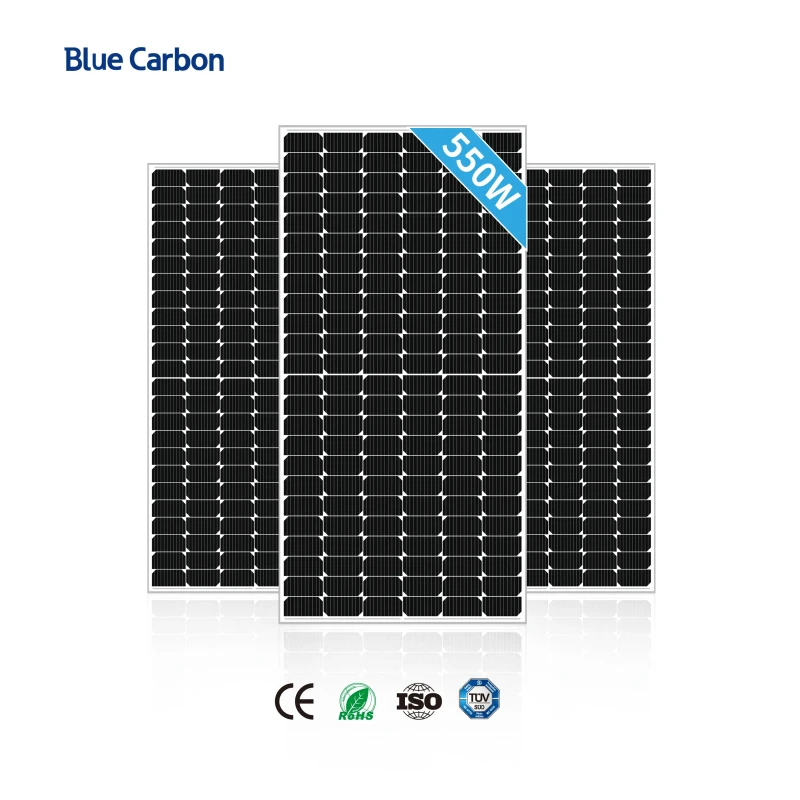
The following examples show possible solar array sizes for
different installations.
|
Inverter size |
Illustrative solar array |
Example using 550W panels |
|
5kVA |
2.5kW–4kW |
5–7 panels |
|
10kVA |
5kW–8kW |
10–14 panels |
|
15kVA |
8kW–12kW |
15–21 panels |
These are indicative planning ranges, not universal
inverter limits or guaranteed charging recommendations.
For example:
- 5
panels × 550W = 2.75kW.
- 10
panels × 550W = 5.5kW.
- 15
panels × 550W = 8.25kW.
- 20
panels × 550W = 11kW.
Before connecting panels, check the inverter's maximum PV
input power, maximum open-circuit voltage, MPPT operating range and maximum
input current. The panel arrangement must comply with these limits.
8. Which Inverter Is More Cost-Effective?
The most cost-effective inverter is the one that meets your
electricity requirements without unnecessary oversizing.
A 5kVA inverter generally has a lower initial purchase and
installation cost than a 10kVA or 15kVA model.
However, choosing an inverter that is too small may force
you to upgrade later.
Consider the following:
5kVA inverter:
Suitable when you want to power essential household appliances and manage your
electricity consumption.
10kVA inverter: A
good option when you need more flexibility for several household appliances,
selected air conditioners and business equipment.
15kVA inverter: Worth
considering when you have higher simultaneous loads, a larger property or
commercial energy requirements.
Remember that the total cost of a solar installation
includes more than the inverter. Battery storage, solar panels, mounting
structures, cables, protection equipment and installation labour all contribute
to the final investment.
9. Common Mistakes to Avoid When Choosing an
Inverter
Before purchasing a solar inverter, avoid these common
mistakes:
- Choosing
based only on house size: Two homes with the same
number of bedrooms can have very different electricity consumption.
- Ignoring
appliance starting current: Refrigerators, pumps and
air conditioners may require additional starting power.
- Confusing
kVA with kW: Always check the inverter's actual
real-power rating.
- Buying
an undersized battery: A battery may run out of energy
before your expected backup period.
- Ignoring
BMS limits: The battery must support the current
demanded by the inverter.
- Installing
insufficient solar panels: An undersized solar
array may struggle to support daytime loads and recharge the battery.
- Ignoring
expansion requirements: Consider future
electricity needs before selecting the system.
- Using
incompatible components: Battery voltage,
communication protocols and inverter specifications must match.
10. Why Choose BLUE CARBON Solar Inverters and
Lithium Batteries?

BLUE CARBON offers solar energy solutions for residential
and commercial applications, including lithium batteries, hybrid inverters,
solar panels and integrated energy-storage systems.
The product range is designed to support different
installation requirements, from essential residential backup systems to larger
energy-storage applications.
When choosing a BLUE CARBON solar system, customers should
consider:
- The
appropriate inverter capacity for their appliance loads.
- Compatible
lithium battery storage.
- Suitable
solar panel capacity.
- Battery
management and inverter communication.
- Installation
requirements and electrical protection.
- Future
energy-storage expansion options.
BLUE CARBON 12kW Off-Grid Solar Inverter
One of the available products is the BLUE CARBON
BCT-FXC-12KW-P solar off-grid inverter.
The product listing specifies:
- 12kW
rated output.
- 220V
output.
- Parallel
operation of up to six units, subject to the manufacturer's requirements.
This is an option worth considering for customers planning
larger solar installations.
View
BLUE CARBON 12kW Off-Grid Inverter
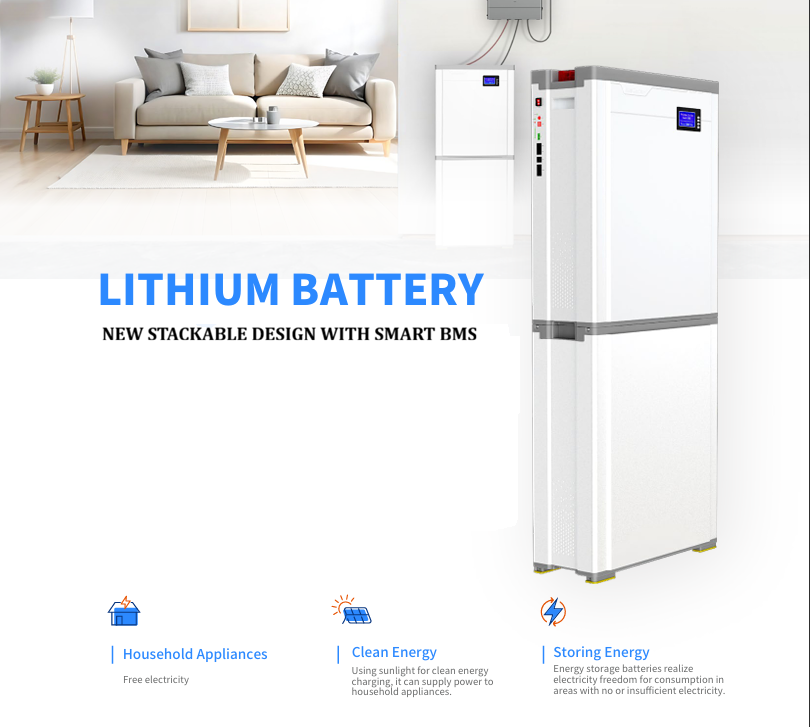
BLUE CARBON 15.36kWh Stackable Lithium Battery

BLUE
CARBON LATEST 2026 15KWH-48V SMART BMS WITH PARALLEL FUNCTION
For customers who require substantial energy storage, the
BLUE CARBON 15.36kWh 48V stackable lithium battery with Smart BMS is another
product to explore.
Its stackable design offers an expansion option where compatible batteries and approved system configurations permit it.
View
BLUE CARBON 15.36kWh Stackable Lithium Battery
11. Final Recommendation: Which Inverter Should
You Buy?
Your choice should depend on the appliances you want to
power, how many you will operate simultaneously and how long you need backup
power.
Fusion
Hybrid Solar Inverters – Compatible with Lithium & Lead-Acid Batteries
Choose 5kVA if:
You have a small home, apartment or office and mainly need
essential appliances such as lights, fans, television and refrigeration.
Fusion
10kVA - 48 Volt Hybrid Solar Inverter Online + Monitoring
Choose 10kVA if:
You have a medium-sized home or business with several
appliances, selected air conditioners and higher electricity consumption.
DEYE
SUN-15K-SG05LP3-EU-SM2 | Hybrid inverter 15 kVA
Choose 15kVA if:
You have a large home, hotel, restaurant, office or
commercial facility with higher simultaneous electricity demands.
Our recommendation: Do
not buy an inverter simply because it has a higher capacity. Calculate your
actual load, determine your required backup hours and select a compatible
lithium battery and solar panel arrangement.
BLUE CARBON is committed to providing modern solar energy
solutions for Nigerian homes and businesses.
Visit BLUE CARBON Nigeria to
explore available products.
Contact BLUE CARBON:
- Website:
https://bluecarbon.ng/
- Email:
enquires@bluecarbon.ng
- Phone:
09042103985
Frequently Asked Questions
1. Is a 5kVA inverter enough for a
three-bedroom house?
It may be sufficient for a three-bedroom house with
moderate electricity consumption. However, if you operate several air
conditioners and heavy appliances, a 10kVA inverter may be more appropriate.
2. Can a 10kVA inverter power two air
conditioners?
Potentially, yes. Check the air conditioners' running
power, starting requirements and the inverter's actual rated output. Other
appliances operating simultaneously must also be considered.
3. Is a 15kVA inverter suitable for a business?
Yes, it can be suitable for some businesses, including
offices, shops and restaurants. However, larger equipment and industrial
machinery require a detailed load assessment.
4. Which inverter size is best for a 15kWh
lithium battery?
A 5kW–8kW inverter may be suitable for many residential
applications, depending on the battery's discharge rating and the household
load. A larger inverter may require additional battery discharge capacity.
5. Does a 15kVA inverter consume more
electricity than a 5kVA inverter?
Not necessarily. Actual energy consumption depends on the
connected appliances, inverter efficiency and standby consumption. A larger
inverter does not automatically consume its full rated power.
6. Can I expand my solar inverter system later?
Some inverter models support parallel operation or system expansion. Confirm the manufacturer's approved configuration before purchasing components.
Recent Posts
5kVA vs 10kVA vs 15kVA Inverter: Which One Do You Need? Complete Solar Buying Guide for Nigeria
What Size of Lithium Battery Do You Need for a 10kVA Inverter? Complete Guide for Nigerian Homes and Businesses
5kWh vs 10kWh vs 15kWh Lithium Battery: Which One Is Right for Your Home?
What Size Inverter Do You Need for a 15kWh Lithium Battery? Complete Guide for Nigerian Homes and Businesses
How Long Will a 15kWh Lithium Battery Last? Complete Guide for Nigerian Homes and Businesses
BLUE CARBON Lithium Battery and Inverter Communication: Step-by-Step Guide