What Size of Lithium Battery Do You Need for a 10kVA Inverter? Complete Guide for Nigerian Homes and Businesses
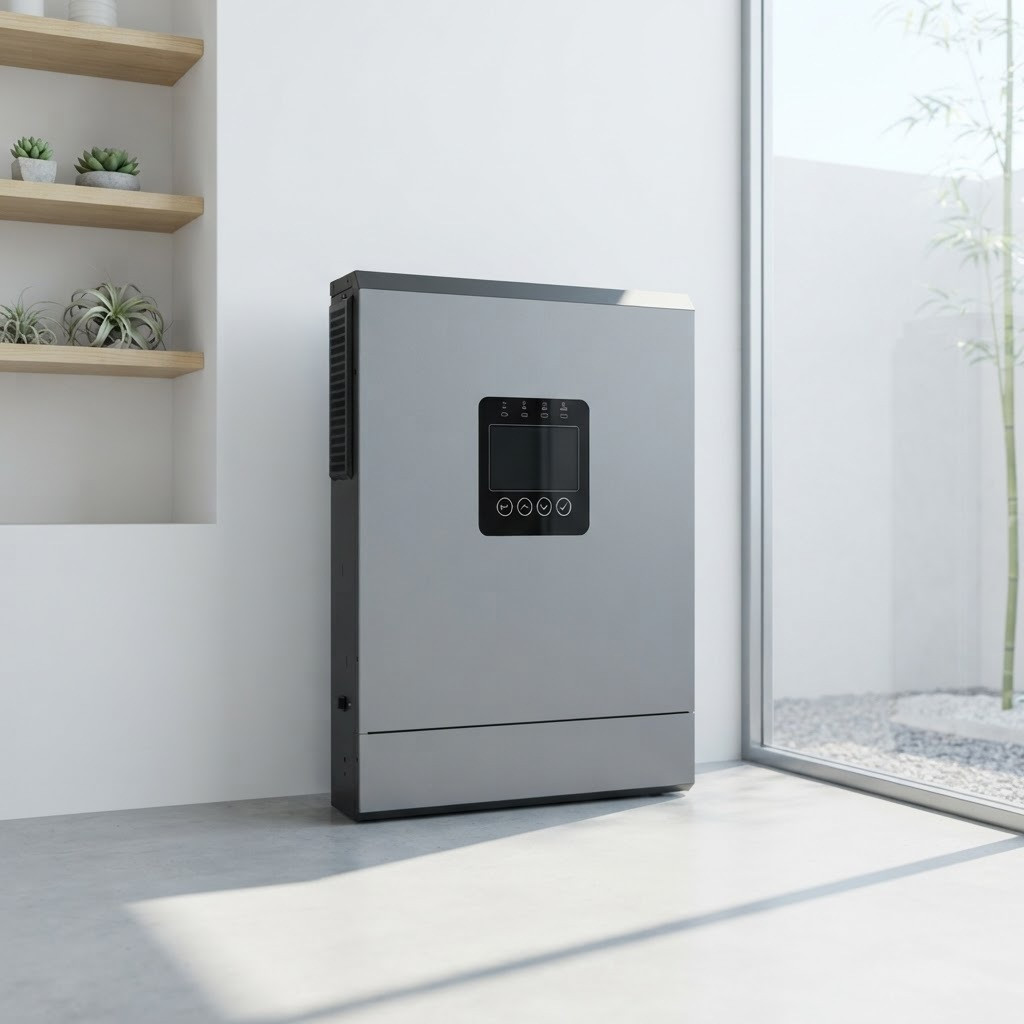
Choosing the right lithium battery for a 10kVA solar inverter is essential if you want reliable electricity, longer backup hours and maximum performance from your solar installation.
A 10kVA
inverter can support several household and commercial appliances, depending on
its actual power rating and the loads connected to it. However, to get the best
performance, you need a lithium battery bank with sufficient energy storage
capacity and discharge capability.
So, should
you use a 5kWh, 10kWh, 15kWh or 20kWh lithium battery with a 10kVA inverter?
For many
residential installations, a 10kWh–15kWh lithium battery bank is a practical
starting point. However, a 15kWh–20kWh or larger battery bank may be more
suitable for homes requiring longer backup hours or higher daily energy
consumption.
Let's
examine the right battery size, voltage requirements, backup duration and solar
panel capacity for a 10kVA inverter.
1.
Understanding a 10kVA Solar Inverter
Before
choosing a battery, it is important to understand what 10kVA means.
KVA stands
for kilovolt-amperes, which measures apparent electrical power. It is not
always equal to the actual usable power in kilowatts (kW).
The
inverter's power factor determines its rated real power output.
For example:
|
Inverter
rating |
Power
factor |
Approximate
real power |
|
10kVA |
0.8 |
8kW |
|
10kVA |
0.9 |
9kW |
|
10kVA |
1.0 |
10kW |
A 10kVA
inverter with a power factor of 0.8 can deliver approximately 8kW of real power
under its rated conditions.
This
distinction is important when calculating how many appliances your inverter can
support.
2. What
Size of Lithium Battery Is Best for a 10kVA Inverter?
The
appropriate battery capacity depends on how long you want your appliances to
operate without grid or solar charging.
Here is a
practical comparison:
|
Lithium
battery capacity |
Suitable
application |
|
5kWh |
Short
backup for essential appliances |
|
10kWh |
Moderate
residential backup |
|
15kWh |
Longer
residential backup |
|
20kWh |
Higher
energy consumption and extended backup |
|
25kWh–30kWh |
Larger
homes and commercial applications |
|
30kWh+ |
High
energy demand and longer autonomy |
For a
typical Nigerian home using a 10kVA inverter, a 15kWh lithium battery bank can
be a good starting point. A 20kWh battery bank may be more appropriate where
longer backup is required.
However, the
battery must also be able to supply the inverter's required DC current.
3. How
Many Hours Will Different Lithium Battery Sizes Last?
Battery
capacity determines how much energy is available, while appliance consumption
determines how quickly that energy is used.
The
following table uses an illustrative 90% usable battery allowance and assumes a
90% inverter efficiency.
|
Battery
capacity |
1kW
load |
2kW
load |
3kW
load |
5kW
load |
|
5kWh |
4.1 hrs |
2.0 hrs |
1.4 hrs |
0.8 hrs |
|
10kWh |
8.1 hrs |
4.1 hrs |
2.7 hrs |
1.6 hrs |
|
15kWh |
12.2 hrs |
6.1 hrs |
4.1 hrs |
2.4 hrs |
|
20kWh |
16.2 hrs |
8.1 hrs |
5.4 hrs |
3.2 hrs |
|
30kWh |
24.3 hrs |
12.2 hrs |
8.1 hrs |
4.9 hrs |
These are
planning estimates, not guaranteed backup times. Actual runtime depends on
battery discharge limits, inverter efficiency, temperature, battery condition
and changing appliance consumption.
Notice that
even a large battery can discharge quickly when several high-power appliances
are operating simultaneously.
4. Can a
15kWh Lithium Battery Power a 10kVA Inverter?
Yes, a 15kWh
lithium battery can work with a 10kVA inverter, provided the battery's voltage,
BMS discharge rating and inverter requirements are compatible.
However,
there is an important consideration.
A 10kVA
inverter may deliver 8kW, 9kW or 10kW of real power, depending on its power
factor.
At high
output, a 48V-class lithium battery may need to supply a very high current.
For example,
assume:
- Inverter output: 8,000W
- Battery voltage: 51.2V
- Inverter efficiency: 90%
The required battery current is:
This means
the battery bank must be capable of supplying approximately 174A continuously
to support an 8kW AC load under these assumptions.
If the
battery's BMS supports only 100A continuous discharge, it cannot safely supply
the full 8kW load on its own.
Important: A
15kWh battery may have sufficient stored energy but still be unable to deliver
the inverter's full rated power. Always check the battery's maximum continuous
discharge current.
5. Should
You Use One 15kWh Battery or Two 15kWh Batteries?
This depends
on your energy requirements and the battery's discharge-current limits.

One 15kWh
battery
- Approximately 15kWh nominal
storage.
- Lower initial battery
investment.
- May suit moderate loads.
- Must meet inverter discharge requirements.
Two 15kWh
batteries
- Approximately 30kWh nominal
storage.
- More stored energy.
- Potentially higher combined
discharge capability.
- Longer backup when loads remain
unchanged.
If the
manufacturer permits parallel connection, two compatible batteries may increase
the available energy and combined discharge current.
However,
parallel connection must follow the approved configuration, including
communication settings, current sharing, cable sizing and protective equipment.
6. How
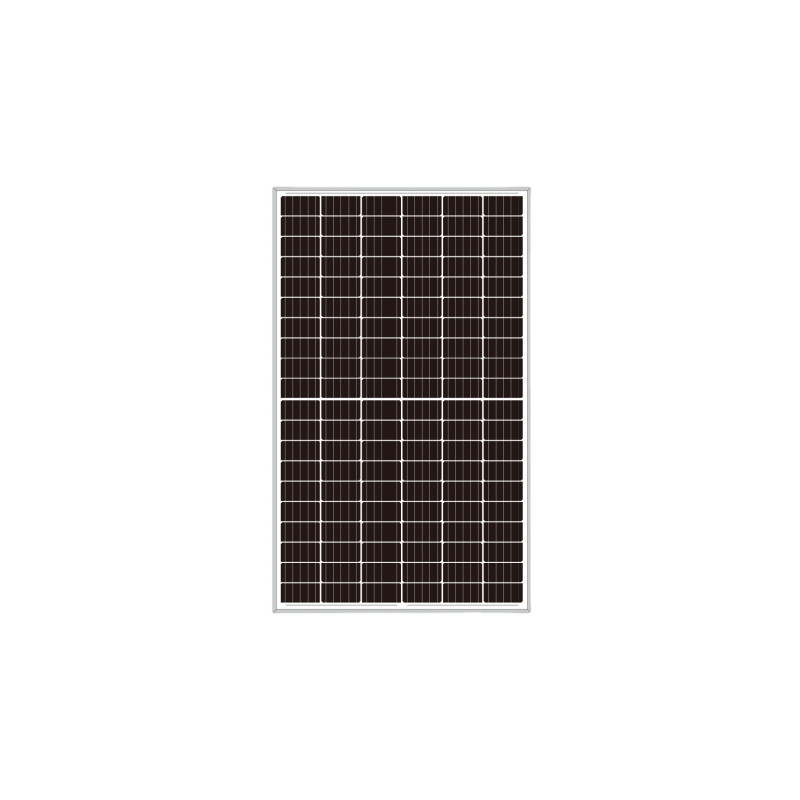
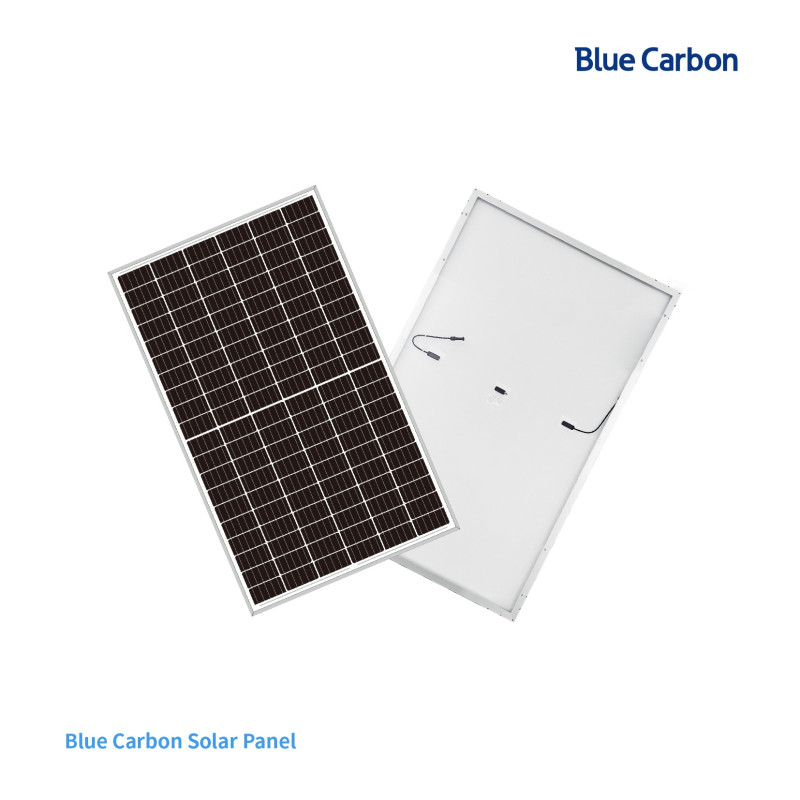
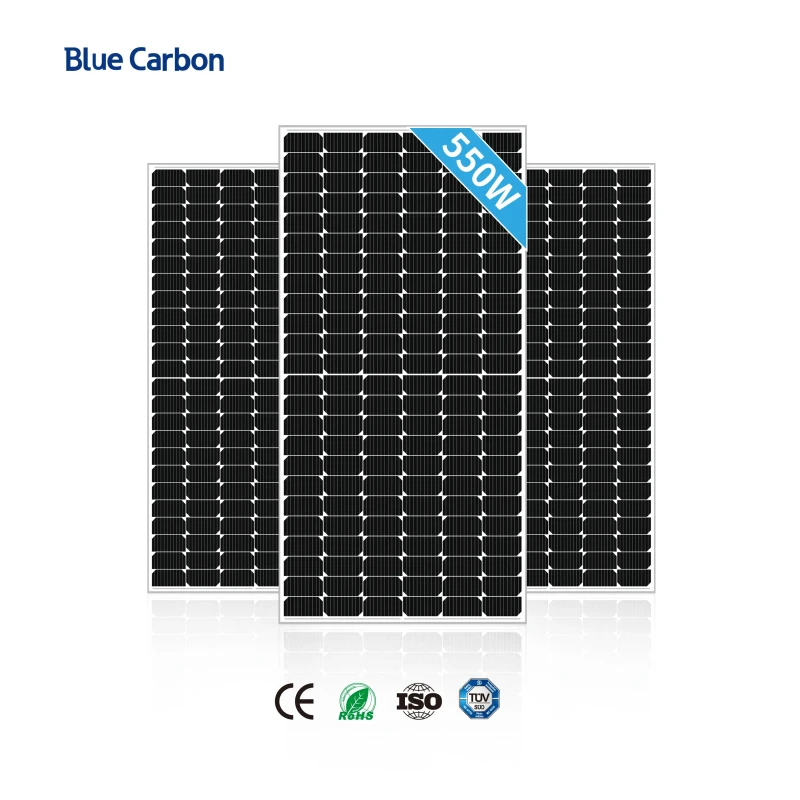
Many Solar Panels Do You Need for a 10kVA Inverter?
The number
of solar panels depends on the inverter's maximum PV input, battery capacity
and household energy consumption.
For a
residential system using a 10kVA inverter, an illustrative solar array might be
between 5kW and 8kW, depending on the inverter's specifications and energy
requirements.
Here are
some examples:
|
Solar
panel rating |
Number
of panels |
Total
capacity |
|
450W |
12 |
5.40kW |
|
550W |
10 |
5.50kW |
|
550W |
12 |
6.60kW |
|
650W |
10 |
6.50kW |
|
650W |
12 |
7.80kW |
These are
example array capacities, not a recommendation to connect that number of panels
to every 10kVA inverter.
Before
installation, check:
- Maximum PV input power.
- Maximum PV open-circuit voltage.
- MPPT operating voltage range.
- Maximum PV input current.
- Maximum permitted charging
current.
- The inverter manufacturer's
approved panel configuration.
Proper solar
panel sizing helps recharge the battery while supporting daytime household
consumption.
7. What
Appliances Can a 10kVA Inverter Power?
A properly
designed 10kVA solar system can support several household and business
appliances.
For example:
|
Appliance |
Estimated
power |
|
2
televisions |
200W |
|
5 ceiling
fans |
300W |
|
12 LED
bulbs |
120W |
|
2
refrigerators |
400W |
|
1 freezer |
200W |
|
2 air
conditioners |
1,800W–3,000W |
|
Washing
machine |
800W |
|
Water pump |
750W |
|
Computers
and electronics |
300W |
The total
running load depends on which appliances operate simultaneously.
Starting
surges from compressors, pumps and other motor-driven appliances must also be
considered.
A 10kVA
inverter does not mean every appliance in the house can run simultaneously
without load management.
8. Is a
48V or High-Voltage Lithium Battery Better for a 10kVA Inverter?
Both systems
can be suitable, but the choice depends on the inverter design.
48V
lithium battery systems
These are
widely used in residential solar installations.
Advantages
include:
- Compatibility with many
residential hybrid inverters.
- Flexible battery expansion where
supported.
- Availability of different
battery capacities.
- Suitable for many home and
small-business applications.
However,
high-power operation requires substantial DC current. Proper cable sizing,
battery discharge capability and protection are essential.
High-voltage
lithium battery systems
High-voltage
battery systems operate at higher DC voltages, allowing lower current for the
same power output.
They may be
appropriate for larger installations and specific inverter platforms.
However,
high-voltage batteries must only be connected to compatible high-voltage
inverters. A 48V battery cannot be substituted for a high-voltage battery
without an appropriately designed system.
9.
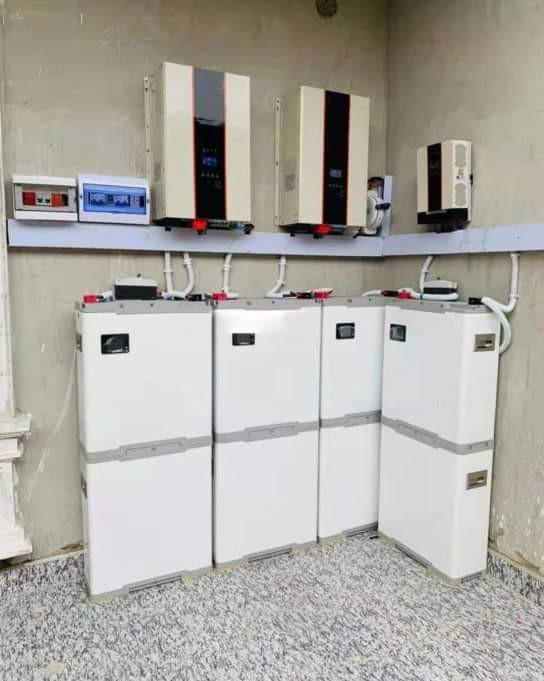
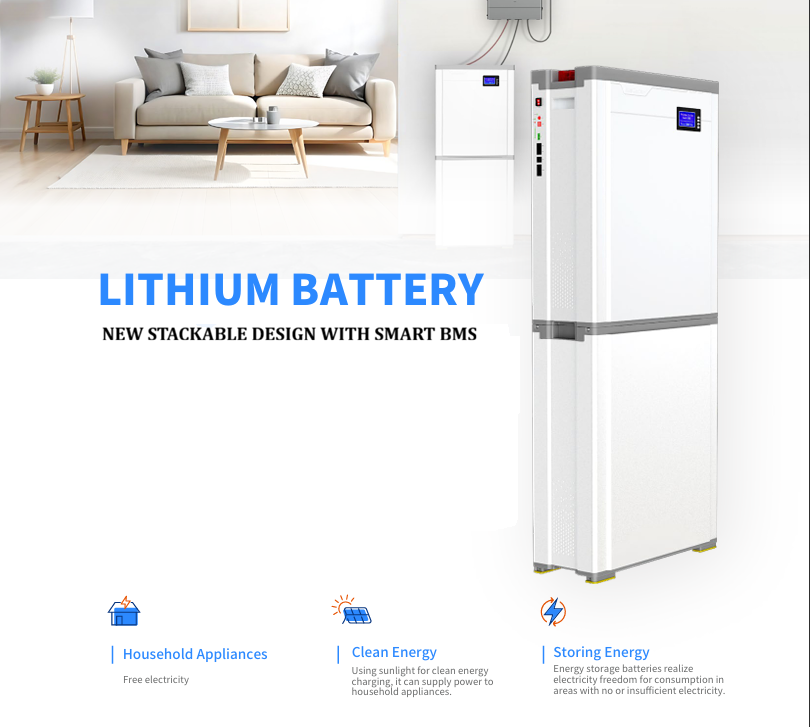
Recommended BLUE CARBON Lithium Battery for a 10kVA Inverter

The BLUE
CARBON 15.36kWh 48V Stackable Lithium Battery with Smart BMS is one option to
consider when designing a residential or commercial solar energy storage
system.
Its
stackable design offers the possibility of expanding storage capacity, subject
to manufacturer-approved configurations and inverter compatibility.
Key
considerations include:
- 15.36kWh nominal battery
capacity.
- 48V-class battery configuration.
- Smart BMS technology.
- Stackable design.
- Residential and commercial
energy-storage applications.
For a 10kVA
inverter installation, the most important specifications to confirm are the
battery's continuous discharge current, peak discharge current and approved
inverter compatibility.
Product page: BLUE CARBON 15.36kWh 48V Stackable Lithium Battery with Smart BMS
10.
Common Mistakes to Avoid When Choosing a Lithium Battery for a 10kVA Inverter
Avoid these
mistakes when planning your solar installation:
- Choosing a battery based only on
kWh: Capacity does not tell you the maximum power the battery can deliver.
- Ignoring the BMS discharge
rating: The BMS must support the required continuous and peak current.
- Confusing kVA with kW: Always
check the inverter's rated real power output.
- Ignoring appliance starting
surges: Air conditioners, refrigerators and pumps may require additional
starting power.
- Using incompatible batteries and
inverters: Confirm voltage and BMS communication compatibility.
- Undersizing solar panels:
Insufficient PV capacity can result in slow battery recharge.
- Ignoring installation
protection: Correct cables, fuses, isolators and earthing are essential.
- Expanding batteries without
manufacturer approval: Battery models and configurations must be
compatible.
Frequently
Asked Questions
1. Can I use
a 5kWh lithium battery with a 10kVA inverter?
Yes, if the
battery is compatible and its discharge rating supports the inverter's
operating load. However, a 5kWh battery will provide relatively short backup at
high power consumption.
2. Is a
10kWh lithium battery enough for a 10kVA inverter?
It may be
sufficient for moderate household loads and several hours of backup. The
battery's continuous discharge current must also be adequate.
3. Is a
15kWh lithium battery good for a 10kVA inverter?
Yes, it can
be a good option for residential use, provided the battery's BMS and discharge
specifications support the inverter.
4. How many
15kWh batteries do I need for a 10kVA inverter?
One
compatible 15kWh battery may be sufficient for moderate loads. Two batteries,
providing approximately 30kWh nominal storage, may be preferable for longer
backup or higher energy demand. The combined discharge rating must still meet
the inverter requirements.
5. Can a
10kVA inverter run two air conditioners?
Potentially,
yes. It depends on their actual power consumption, starting current and the
other appliances operating at the same time.
6. Does a
bigger lithium battery increase inverter capacity?
No. A bigger
battery increases stored energy and may increase available discharge current
when connected in an approved configuration. It does not automatically increase
the inverter's rated output.
Conclusion:
What Is the Best Lithium Battery Size for a 10kVA Inverter?
For many
Nigerian residential installations, a 15kWh lithium battery is a practical
starting point for a 10kVA inverter, while 20kWh–30kWh may be more appropriate
for households requiring longer backup hours or operating more appliances.
However,
battery capacity is only one part of the equation. The battery's
discharge-current rating, inverter power factor, DC voltage, BMS compatibility
and household energy consumption must all be considered.
For
dependable solar energy storage, explore BLUE CARBON lithium batteries, hybrid
inverters and complete solar energy solutions.
Visit BLUE CARBON Nigeria to
explore available products.
Contact BLUE
CARBON:
- Website: https://bluecarbon.ng/
- Email: enquires@bluecarbon.ng
- Phone: 09042103985
Tags:
Recent Posts
What Size of Lithium Battery Do You Need for a 10kVA Inverter? Complete Guide for Nigerian Homes and Businesses
5kWh vs 10kWh vs 15kWh Lithium Battery: Which One Is Right for Your Home?
What Size Inverter Do You Need for a 15kWh Lithium Battery? Complete Guide for Nigerian Homes and Businesses
How Long Will a 15kWh Lithium Battery Last? Complete Guide for Nigerian Homes and Businesses
BLUE CARBON Lithium Battery and Inverter Communication: Step-by-Step Guide