
10 Things to Know Before Going Solar
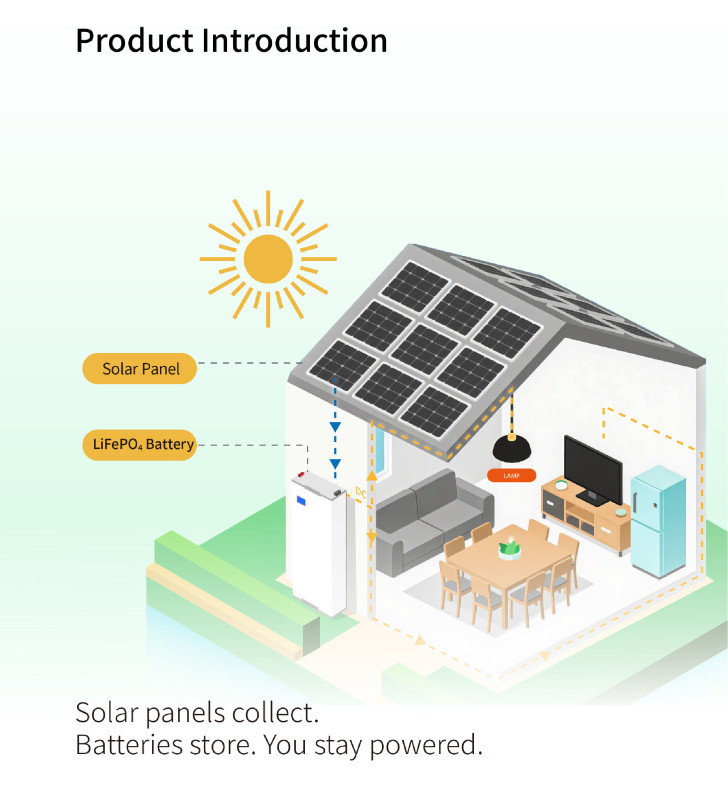
Solar energy is rapidly becoming one of the most popular solutions for homes and businesses looking to reduce electricity costs and enjoy a more reliable power supply. In countries like Nigeria, where unstable electricity and rising fuel prices are major concerns, solar power offers a smart and sustainable alternative.
However,
before investing in a solar energy system, it is important to understand how
solar works, what to expect, and the key factors that determine the success of
your installation. Going solar is a long-term investment, and proper planning
can help you avoid costly mistakes while maximizing your return on investment.
In this
comprehensive guide, we will explore the 10 most important things to know
before going solar.
1.
Understand Your Energy Needs
Before
installing a solar system, you must first understand your energy consumption.
Ask
Yourself:
- What appliances do you want to
power?
- How many hours are they used
daily?
- What is your average monthly
electricity usage?
Understanding
your energy needs helps determine:
- The size of your solar system
- Battery requirements
- Inverter capacity
A proper
energy audit prevents overspending or under-sizing your system.
2. Solar
Systems Are Not One-Size-Fits-All
Every home
or business has different energy requirements.
Factors that
affect system design include:
- Household size
- Type of appliances
- Energy usage patterns
- Budget
A system
suitable for a small apartment may not work for a large office or factory.
Professional
system sizing is essential for optimal performance.
3.
Quality of Components Matters
The
performance and lifespan of your solar system depend heavily on the quality of
the components used.
Key
Components Include:
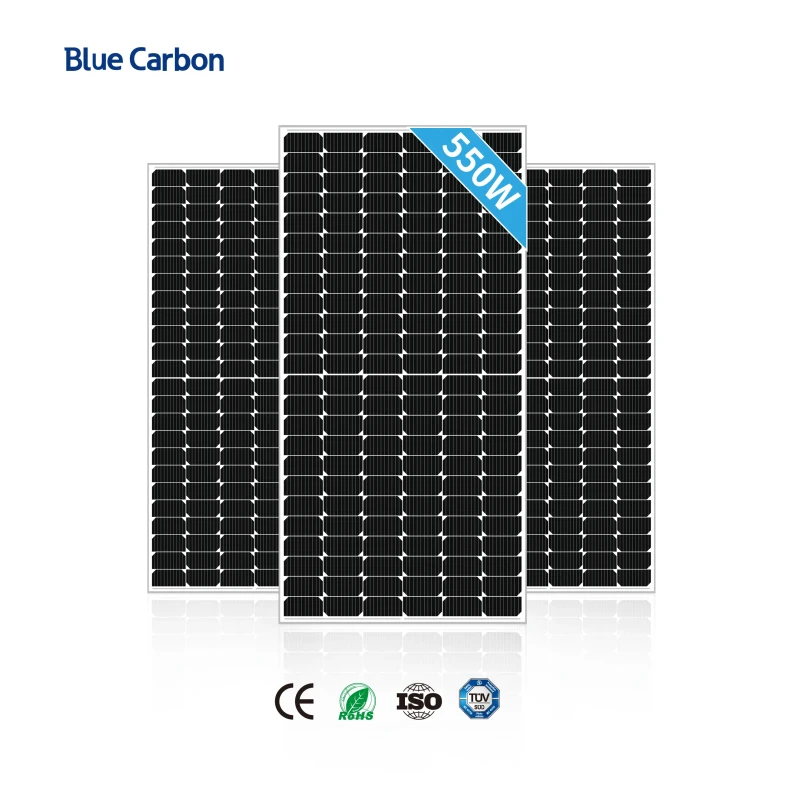
- Solar panels
- Batteries
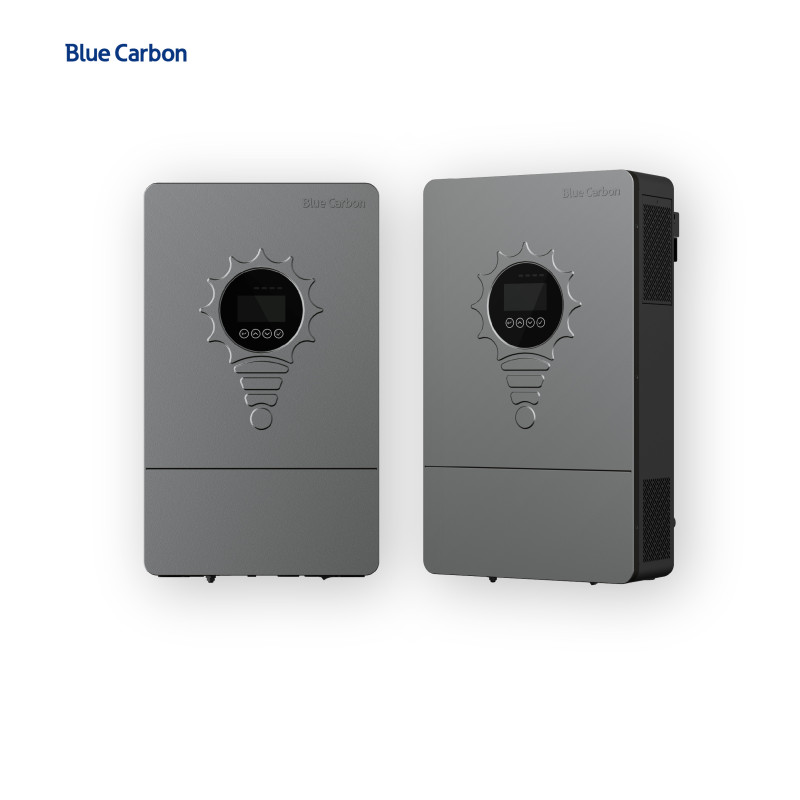
- Inverters
- Charge controllers
- Mounting structures
Choosing
high-quality products ensures:
- Better efficiency
- Longer lifespan
- Reduced maintenance costs
Cheap,
low-quality components often lead to poor performance and frequent breakdowns.
4.
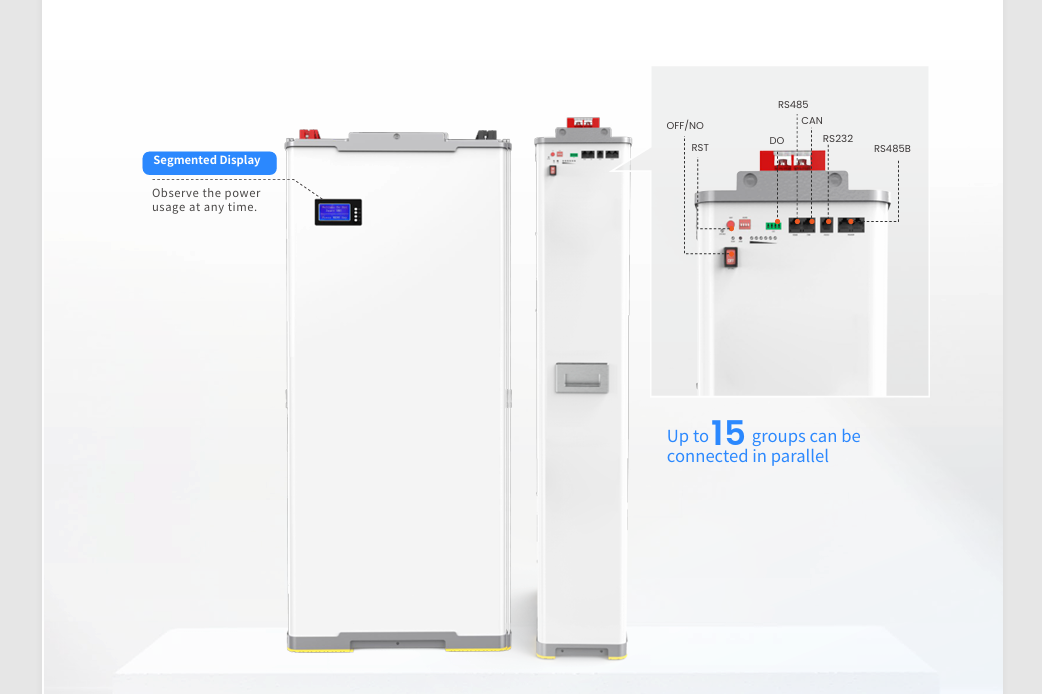
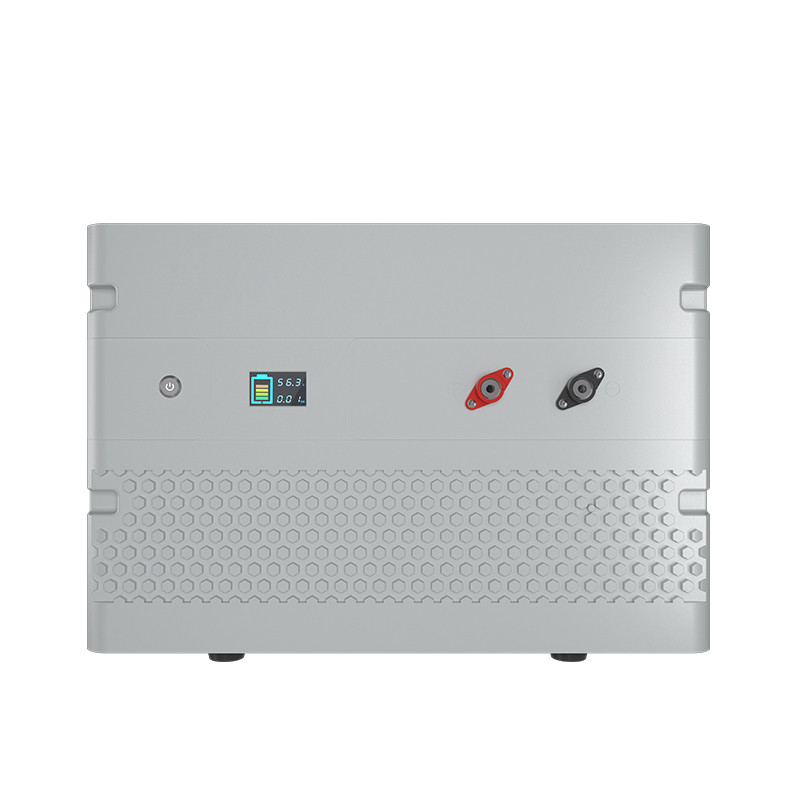
Battery Choice Is Extremely Important
Your battery
stores energy for use during the night or power outages.
Common
Battery Types:
- Lithium batteries
- Lead-acid batteries
Why
Lithium Batteries Are Preferred:
- Longer lifespan
- Faster charging
- Higher efficiency
- Minimal maintenance
Although
lithium batteries have a higher upfront cost, they provide better long-term
value.
5. Solar
Panels Need Sunlight, Not Heat
Many people
assume solar panels work better in hot weather. In reality, solar panels
generate electricity from sunlight-not heat.
Important
Points:
- Panels perform best with direct
sunlight
- Excessive heat can reduce
efficiency slightly
- Proper panel positioning is
essential
Nigeria has
abundant sunlight, making it ideal for solar energy.
6. Roof
Condition and Space Matter
Your roof
plays a major role in solar installation.
Things to
Consider:
- Roof strength
- Available space
- Roof orientation
- Presence of shading
Trees,
nearby buildings, or poor roof positioning can reduce solar performance.
If roof
space is limited, ground-mounted systems may be an alternative.
7. Solar
Systems Require Professional Installation
Even the
best solar equipment can perform poorly if installed incorrectly.
Why
Professional Installation Matters:
- Proper wiring and safety
- Correct system sizing
- Efficient energy production
- Reduced risk of electrical
faults
Always work
with experienced and reputable solar installers.
8. Solar
Is a Long-Term Investment
Solar
systems require upfront investment, but they provide long-term savings.
Financial
Benefits Include:
- Reduced electricity bills
- Lower generator fuel costs
- Minimal maintenance expenses
Most solar
systems pay for themselves over time through energy savings.
9.
Maintenance Is Minimal but Necessary
Solar
systems generally require low maintenance, but regular care improves
performance.
Basic
Maintenance Includes:
- Cleaning solar panels
- Inspecting wiring connections
- Monitoring battery performance
Dust and
dirt can reduce panel efficiency, especially in dry or dusty environments.
10. Going
Solar Increases Energy Independence
One of the
biggest advantages of solar energy is reduced dependence on unreliable grid
electricity.
Benefits
Include:
- Reliable power supply
- Reduced generator usage
- Greater energy security
This is
especially valuable in areas with frequent power outages.
Additional
Factors to Consider Before Going Solar
Budget
Planning
Determine
how much you are willing to invest.
Consider:
- Initial equipment costs
- Installation fees
- Future expansion possibilities
A
well-planned budget helps you choose the right system.
Warranty
and Product Support
Always
check:
- Product warranty
- Installer support services
- Availability of replacement
parts
Reliable
warranties provide peace of mind.
System
Expansion Possibilities
Your energy
needs may increase over time.
Choose a
system that allows:
- Additional panels
- Larger battery storage
- Inverter upgrades
Scalable
systems provide flexibility for future growth.
Understanding
Solar System Types
Off-Grid
Systems
Independent
systems that rely entirely on solar and batteries.
Grid-Tied
Systems
Connected to
public electricity supply.
Hybrid
Systems
Combine
solar, batteries, and grid power.
Choosing the
right type depends on your energy goals and location.
Common
Mistakes to Avoid Before Going Solar
1.
Choosing Based Only on Price
Cheap
systems often compromise quality and reliability.
2.
Ignoring Future Energy Needs
Plan for
future expansion when designing your system.
3. Hiring
Inexperienced Installers
Poor
installation can damage equipment and reduce efficiency.
4.
Underestimating Battery Importance
The battery
is one of the most critical parts of the system.
Benefits
of Going Solar
Financial
Savings
Reduce
electricity and fuel expenses.
Environmental
Benefits
Solar energy
reduces carbon emissions and pollution.
Reliable
Electricity
Enjoy
uninterrupted power supply.
Increased
Property Value
Homes with
solar systems may have higher resale value.
Why Solar
Energy Is Growing Fast in Nigeria
Nigeria’s
growing interest in solar energy is driven by:
- Frequent power outages
- Rising fuel prices
- Increasing electricity tariffs
- Improved solar technology
Solar has
become a practical and reliable alternative for many homes and businesses.
Conclusion
Going solar
is one of the smartest investments you can make for your home or business.
However, success depends on proper planning, quality equipment, and
professional installation.
Before
making the switch, take time to understand:
- Your energy needs
- Battery and inverter options
- System sizing
- Installation requirements
- Long-term costs and benefits
By
considering these 10 important factors, you can make informed decisions and
enjoy reliable, efficient, and cost-effective solar energy for many years.
Solar power
is more than just an alternative energy source-it is a step toward energy
independence, sustainability, and long-term financial savings.
Recent Posts
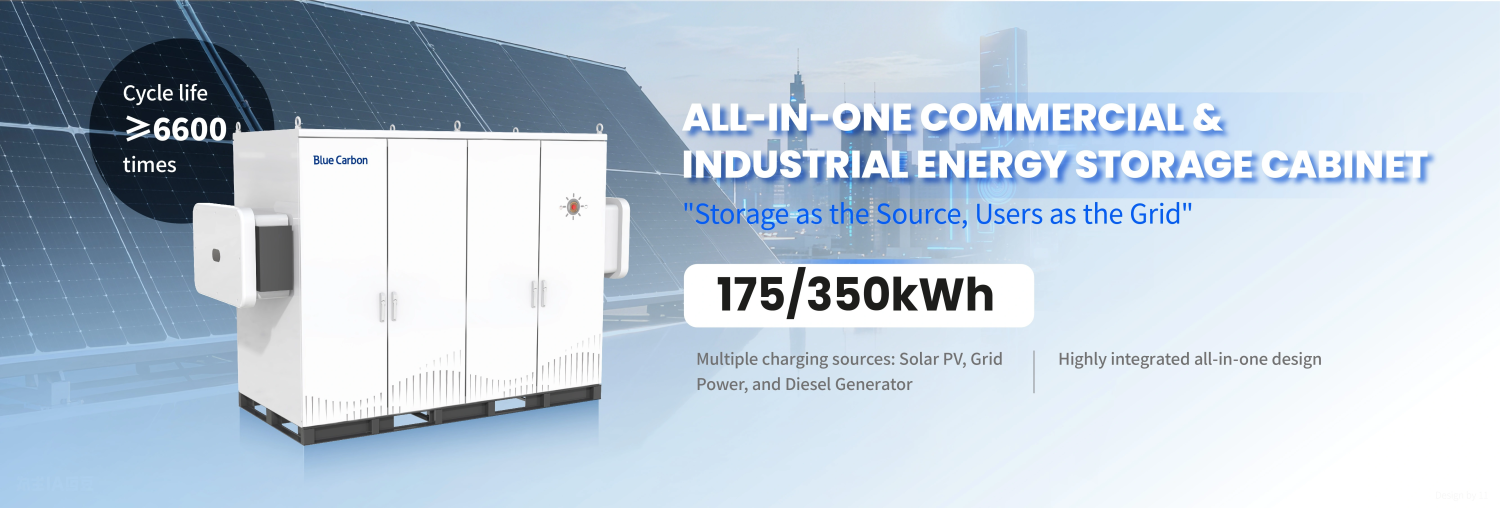
Why Blue Carbon Products Have the Best Quality in the Nigerian Market: Making Blue Carbon the Most Preferred Choice
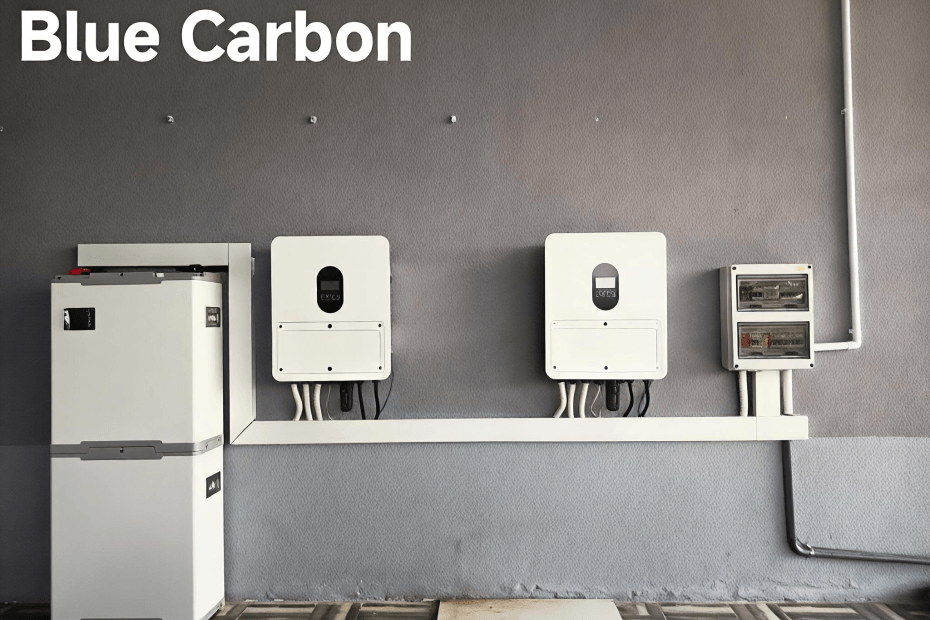
Blue Carbon Invites You to the 2026 Nigeria International Lighting Expo - September 16 - 18, 2026
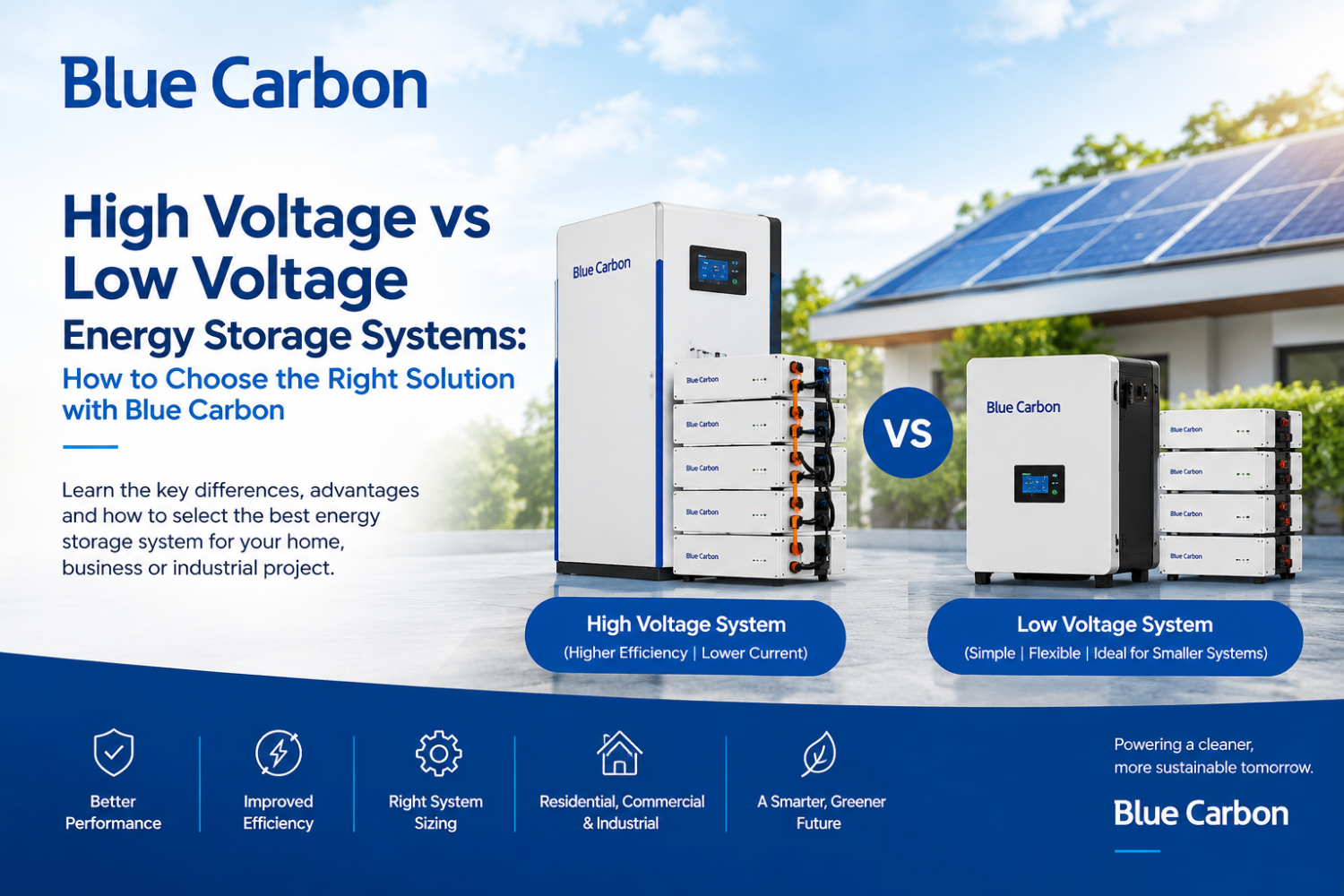
High Voltage vs Low Voltage Energy Storage Systems: How to Choose the Right Solution with Blue Carbon
Register Your Blue Carbon Product for Warranty to Gain Access to Warranty Support