How Many Solar Panels Do You Need to Charge a 10kWh Lithium Battery?
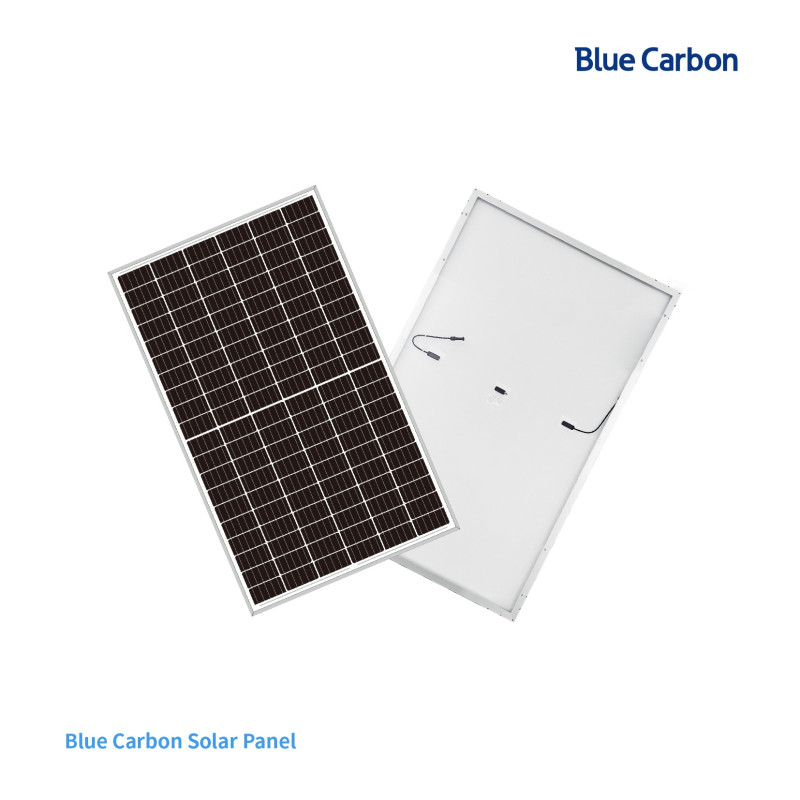
A 10kWh lithium battery is a popular energy-storage option for homes, offices, shops and small businesses in Nigeria. It can store electricity generated by solar panels during the day and make that energy available at night or when public electricity supply is unavailable.
However, one
important question arises when planning a solar installation: How many solar
panels do you need to charge a 10kWh lithium battery?
The answer
depends on the wattage of your solar panels, the amount of sunlight available,
the battery's charging requirements, inverter efficiency and how much
electricity you use during the day.
For a
typical 10kWh LiFePO₄ battery in Nigeria, a solar array of approximately 3kW to
4kW is a reasonable starting point for recharging, depending on sunlight
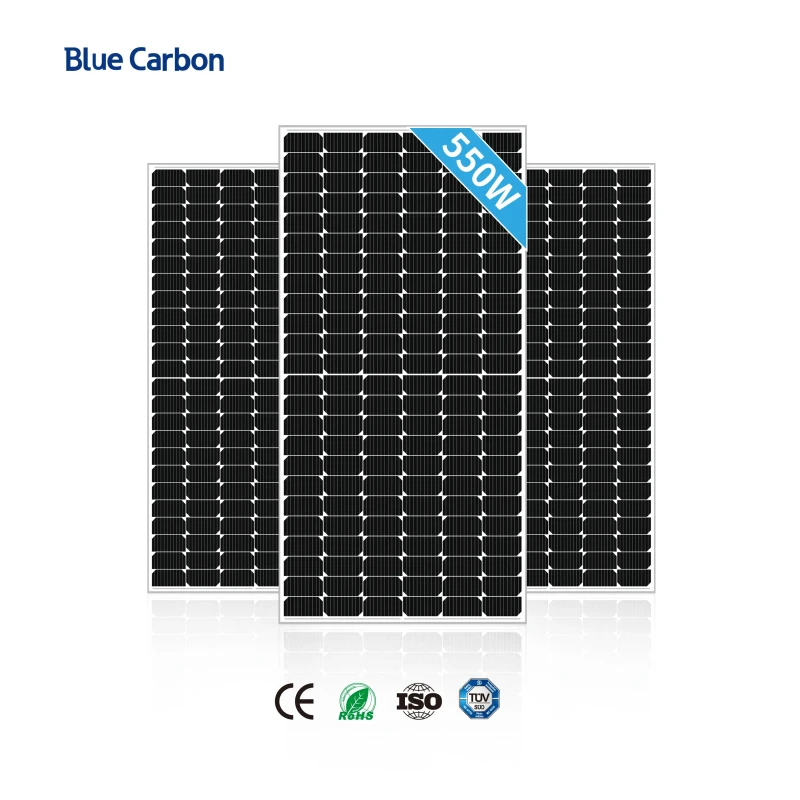
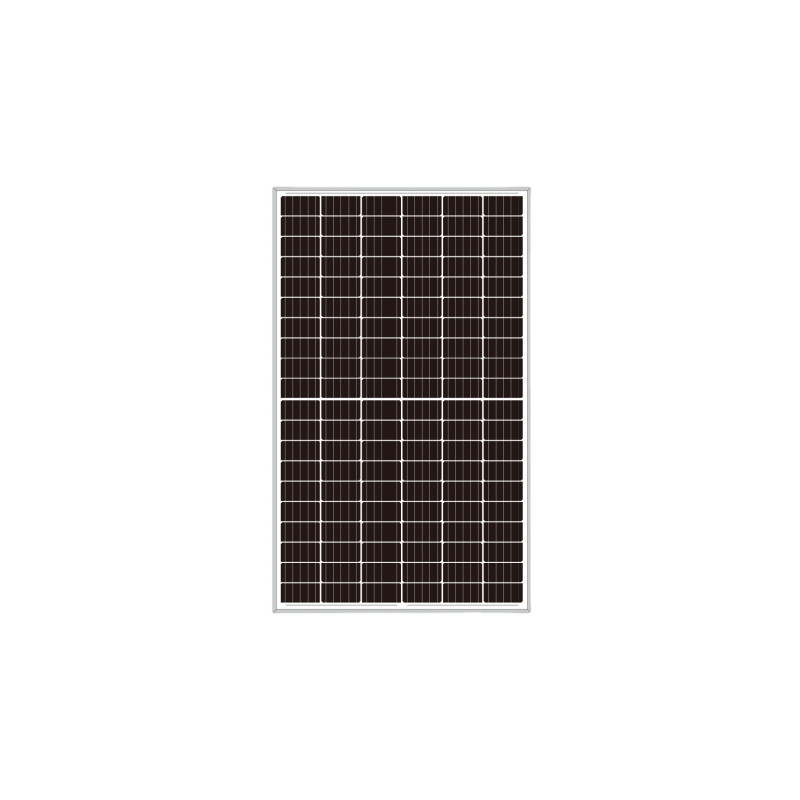
conditions and the time available. This could mean six to eight 550W solar
panels, or five to seven 650W panels.
In this
guide, we explain how to calculate the number of panels required, compare
different panel sizes, estimate charging time and select a suitable solar
configuration using BLUE CARBON solar products.
1.
Understanding a 10kWh Lithium Battery
A 10kWh
lithium battery has a nominal energy-storage capacity of 10 kilowatt-hours.
This means it can theoretically store 10 units of electrical energy.
For example,
a fully charged 10kWh battery could theoretically supply:
- A 1,000W load for 10 hours.
- A 2,000W load for 5 hours.
- A 500W load for 20 hours.
These are
simplified calculations. Actual backup time depends on usable battery capacity,
inverter efficiency, battery settings and the appliances connected to the
system.
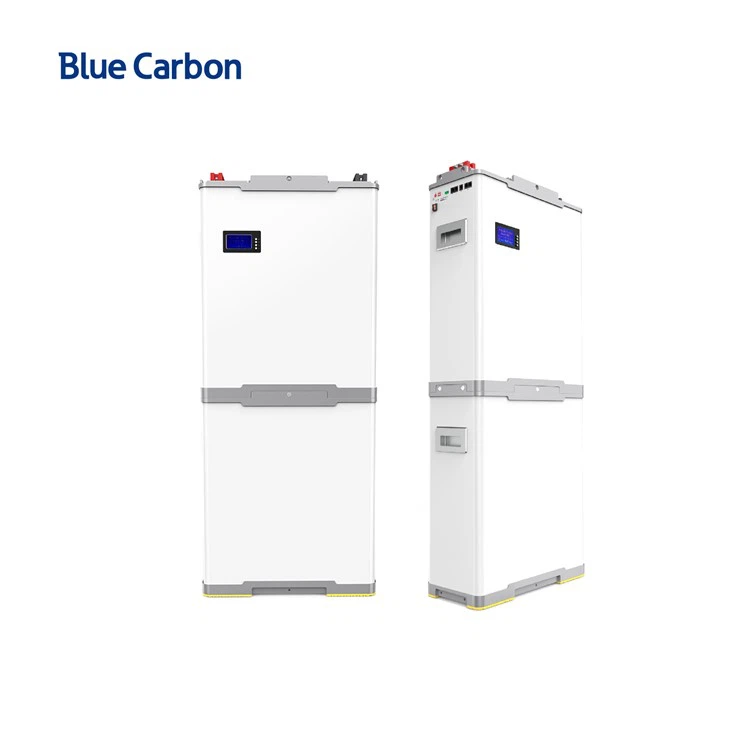
BLUE CARBON
offers lithium battery products for solar energy storage, including 48V battery
options. Its product range includes a 51.2V, 200Ah battery configuration with
approximately 10.24kWh nominal capacity.
Trusted
Source for Solar Energy Solutions+1
A 51.2V,
200Ah battery has a nominal energy capacity of:
\[ 51.2V
\times 200Ah = 10,240Wh \]
\[ =10.24kWh
\]
This is
commonly described as a 10kWh-class lithium battery.
2. How
Many Solar Panels Are Needed for a 10kWh Battery?
The number
of panels depends on the wattage of each panel and the total solar capacity
required.
Here is a
simple comparison using commonly available 550W and 650W solar panels.
|
Solar
panel wattage |
Number
of panels |
Total
solar capacity |
|
550W |
4 |
2.2kW |
|
550W |
6 |
3.3kW |
|
550W |
7 |
3.85kW |
|
550W |
8 |
4.4kW |
|
650W |
4 |
2.6kW |
|
650W |
5 |
3.25kW |
|
650W |
6 |
3.9kW |
|
650W |
7 |
4.55kW |
For a 10kWh
battery, seven 550W panels (3.85kW) or six 650W panels (3.9kW) are useful
starting configurations for a system designed to recharge the battery reliably.
However, the
exact number should be determined using the location, season, daily electricity
consumption and inverter specifications.
3. How to
Calculate the Solar Panel Capacity Required
To estimate
the solar capacity, use this basic formula:
\[
\text{Solar Array Size (kW)} = \frac{\text{Energy Required (kWh)}}{\text{Daily
Solar Yield (kWh/kWp)}} \]
For example,
if you need to replace 10.24kWh of battery energy and your location produces
approximately 3.65kWh per installed kWp per day:
\[
\frac{10.24}{3.65}=2.81kW \]
This is a
simplified energy calculation. In practice, you should allow for the charging
process, daytime appliance consumption, changing weather and periods of reduced
sunlight.
The Global
Solar Atlas-based data published for Nigerian cities gives the following
indicative long-term daily solar output for a properly oriented fixed solar
array:
|
Location |
Average
daily yield |
Worst-month
daily yield |
|
Ibadan |
3.65
kWh/kWp |
2.83
kWh/kWp |
|
Lagos |
3.63
kWh/kWp |
3.15
kWh/kWp |
|
Abuja |
4.13
kWh/kWp |
3.15
kWh/kWp |
|
Kano |
4.65
kWh/kWp |
4.00
kWh/kWp |
|
Port
Harcourt |
3.43
kWh/kWp |
2.88
kWh/kWp |
These
figures account for typical solar-system losses and demonstrate why solar
installations should be designed for their actual location rather than using
one national estimate.
ZEUS+1
For example,
a 3.85kWp array in Ibadan would have an indicative energy yield of:
- Average conditions: 3.85 × 3.65
= 14.05kWh per day.
- Worst-month conditions: 3.85 ×
2.83 = 10.90kWh per day.
Actual
energy reaching the battery will also depend on the charge controller, inverter
configuration, battery charging limits and energy consumed by appliances during
daylight.
This
illustrates why seven 550W panels can be a more practical starting point than
simply selecting four or five panels based on their combined rated wattage.
4. How
Long Will It Take to Charge a 10kWh Lithium Battery?
Charging
time depends on the solar array's actual output, battery state of charge,
weather and how much electricity is being consumed at the same time.
Consider
these illustrative configurations:
|
Solar
panel configuration |
Total
capacity |
Estimated
charging time at 3.5 hours of equivalent full output |
|
4 × 550W |
2.2kW |
5.3 hours |
|
6 × 550W |
3.3kW |
3.5 hours |
|
7 × 550W |
3.85kW |
3.0 hours |
|
8 × 550W |
4.4kW |
2.6 hours |
|
6 × 650W |
3.9kW |
2.9 hours |
These are
simplified estimates based on 10.24kWh divided by panel-array power multiplied
by 3.5 equivalent full-output hours. They are not guaranteed real-world
charging times. Actual charging takes longer when sunlight is reduced,
appliances are operating or the battery management system limits charging.
A solar
array does not produce its rated power continuously throughout the day. For
example, seven 550W panels have a combined rated capacity of 3.85kW, but their
actual output changes with sunlight intensity, temperature, shading and panel
orientation.
For this reason,
avoid promising customers that a 10kWh battery will always charge fully within
a fixed number of hours.
5.
Recommended Solar Panel Configuration for a BLUE CARBON 10kWh Battery
BLUE CARBON lists a 10.24kWh lithium battery with the following published specifications:

|
Specification |
Published
value |
|
Nominal
voltage |
48V
(51.2V) |
|
Battery
capacity |
200Ah |
|
Energy
capacity |
10.24kWh |
|
Battery
chemistry |
LiFePO₄ |
|
Depth of
discharge |
Greater
than 80% |
|
Cycle life |
More than
6,000 cycles under stated conditions |
|
Warranty |
5 years on
the listed product page |
Source: BLUE
CARBON 10kWh Lithium Battery.
bluecarbon.ng
The
following configurations are useful starting points for system design:

Practical
starting configuration
Option A:
Seven 550W solar panels
3.85kW
Total
installed panel capacity
7 × 550W
Suitable as
a starting point for a 10kWh-class battery system where the solar array must
provide useful charging capacity and support some daytime loads.
Option B: Six 650W solar panels

3.9kW
Total
installed panel capacity
6 × 650W
Provides a
similar total rated capacity with fewer panels, which may be useful where roof
space or mounting arrangements are a consideration.
Option C: Eight 550W solar panels

4.4kW
Total
installed panel capacity
8 × 550W
Offers
additional solar capacity for customers who want to charge the battery while
also operating appliances during daylight.
These
configurations are not universal prescriptions. The final design must comply
with the inverter's maximum PV input power, MPPT voltage range, maximum
open-circuit voltage and input-current limits.
6. Can
You Use a 5kVA or 10kVA Inverter with a 10kWh Lithium Battery?
Yes,
provided the inverter is compatible with the battery voltage, charging
requirements and BMS communication specifications.
The
inverter's capacity determines how much electrical load it can supply, while
the battery capacity determines how much energy is stored.
For example:
- A 5kVA inverter may be suitable
for a moderate residential load, depending on its rated output and power
factor.
- A 10kVA inverter may be suitable
for a larger household or business with higher simultaneous power
requirements.
- A larger inverter does not
automatically mean the battery will last longer.
The solar
panels must also be correctly matched to the inverter.
Before
installation, check:
- Whether the inverter supports a
48V or 51.2V lithium battery.
- Whether its charging profile is
compatible with the battery.
- Whether BMS communication is
supported.
- The maximum solar input voltage.
- The maximum PV input current.
- The maximum permitted solar
array capacity.
- The maximum battery charging
current.
A qualified
installer should verify the electrical configuration before connecting the
panels.
7.
Factors That Affect How Quickly Your Battery Charges
Even when
two homes have identical solar panels and lithium batteries, their charging
performance may differ.
Weather
conditions: Cloud cover and rainfall reduce solar energy production. This is
especially important during Nigeria's rainy season.
Panel
orientation: Panels should face an appropriate direction and be installed at a
suitable tilt angle for the location.
Shading:
Trees, buildings, antennas and other obstructions can reduce output. Even
partial shading can affect panel performance.
Panel
temperature: High solar panel temperatures can reduce electrical output.
Daytime
electricity consumption: If your appliances are using electricity while the
battery is charging, less energy may be available to charge the battery.
Battery
charging limits: The battery's BMS and the inverter's charging settings
determine how much current can enter the battery.
Panel
cleanliness: Dust, dirt and other deposits can reduce the amount of sunlight
reaching the solar cells.
8. Common
Mistakes to Avoid When Charging a 10kWh Lithium Battery
Some solar
installations fail to deliver the expected performance because of incorrect
system design.
Avoid these
mistakes:
- Buying solar panels based only
on their advertised wattage.
- Installing too few panels for
the required daily energy.
- Ignoring the inverter's PV input
voltage and current limits.
- Connecting incompatible lithium
batteries and inverters.
- Failing to account for daytime
electricity consumption.
- Installing panels where trees or
buildings create excessive shade.
- Ignoring rainy-season solar
performance.
- Using undersized cables and unsuitable
protective devices.
- Assuming a 10kWh battery will
always deliver 10kWh of usable AC electricity.
A
professional solar installation should consider the complete system, including
battery capacity, solar array size, inverter specifications, protection devices
and expected daily consumption.
9.
Frequently Asked Questions
How many
550W solar panels do I need for a 10kWh battery?
Seven 550W
panels provide 3.85kW of installed solar capacity and are a useful starting
configuration. Six panels provide 3.3kW and may work where charging
requirements are lower or sunlight conditions are favourable.
Can four
550W solar panels charge a 10kWh battery?
Yes. Four
550W panels provide 2.2kW of solar capacity and can charge the battery.
However, charging may take longer, and the system may not fully recharge the
battery every day, particularly during cloudy or rainy periods.
How many
650W solar panels do I need for a 10kWh battery?
Six 650W
panels provide 3.9kW of solar capacity. This is a useful starting configuration
for many 10kWh-class battery systems, subject to location and inverter
compatibility.
Can a
10kWh lithium battery power a 1HP air conditioner?
Yes,
depending on the air conditioner's actual power consumption, inverter capacity,
battery's usable energy and the number of hours of operation. An air
conditioner's starting and running requirements must also be considered.
Can I
connect more solar panels to my existing system later?
Yes, if the
inverter supports additional PV capacity and the existing electrical
configuration allows expansion. The inverter's maximum PV voltage, current and
power ratings must not be exceeded.
How many
units of electricity can a 10kWh battery provide?
A 10.24kWh
battery has 10.24kWh of nominal stored energy. The energy available to
appliances will be lower after accounting for the permitted depth of discharge
and inverter conversion losses.
Conclusion:
Choose the Right Number of Solar Panels for Your 10kWh Battery
The number
of solar panels required to charge a 10kWh lithium battery depends on more than
the battery's capacity. You must consider solar panel wattage, local sunlight
conditions, daily electricity consumption, inverter specifications and the time
available for charging.
As a
practical starting point:
- 7 × 550W panels = 3.85kW
- 6 × 650W panels = 3.9kW
- 8 × 550W panels = 4.4kW
These
configurations provide useful solar capacity for a 10kWh-class battery,
although the final number should be confirmed through proper system sizing.
BLUE CARBON
offers lithium battery storage solutions, solar panels and compatible solar
energy products for residential and commercial applications.
If you are
planning a new solar installation or upgrading your existing system, contact
BLUE CARBON NIGERIA for product information, technical guidance and a
quotation.
BLUE CARBON
NIGERIA – Powering Your World, Building a Brighter Future.
Website: https://bluecarbon.ng/
Telephone:
09042103985
Email:
enquires@bluecarbon.ng
Tags: how many solar panels for 10kWh battery, 10kWh lithium battery charging, 550W solar panels Nigeria, 650W solar panels Nigeria, Blue Carbon lithium battery
Recent Posts
Best Solar Energy Company in Nigeria: What Should You Look For?
48V Lithium Battery in Nigeria: Prices, Capacity, Lifespan & Best Uses
10kWh Lithium Battery Price in Nigeria: Capacity, Backup Time & Cost