
Blue Carbon Solar Panels vs Other Solar Panel Manufacturers: Why Blue Carbon Stands Out in the Solar Panel Industry
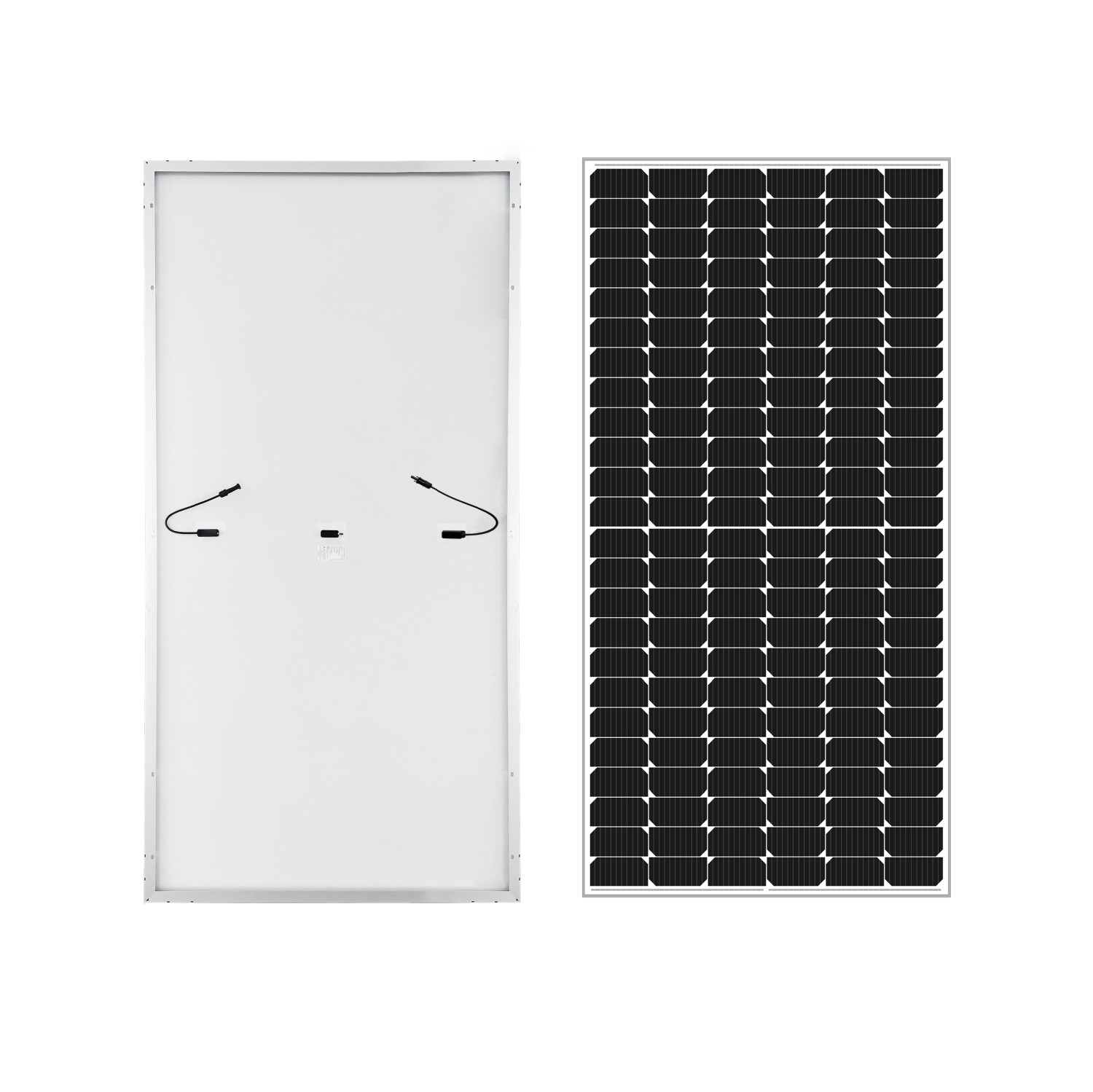
As solar energy adoption continues to grow in Nigeria, homeowners, businesses, industries, schools, hospitals, and organizations are increasingly looking for solar panels that can deliver dependable electricity for many years. However, with hundreds of solar panel brands available in the market, choosing the right manufacturer can be challenging.
A solar
panel is not simply a product that converts sunlight into electricity. Its
technology, cell quality, manufacturing standards, efficiency, durability,
warranty, installation requirements, and long-term performance can
significantly affect the overall return on investment of a solar energy system.
This is
where Blue Carbon solar panels have attracted attention in the Nigerian
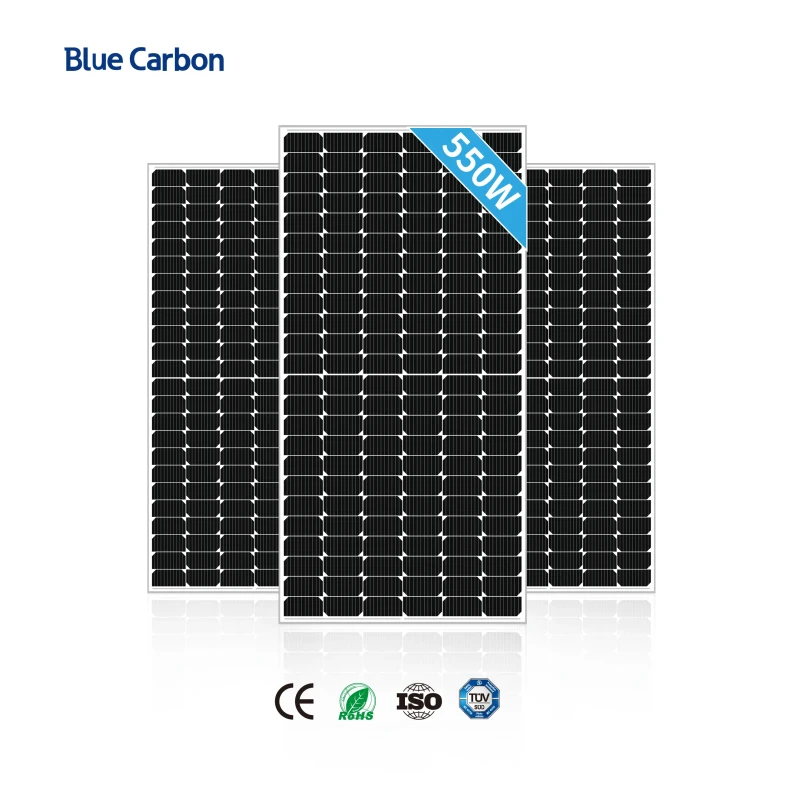
solar market. Blue Carbon offers monocrystalline and bifacial solar panels,
including newer high-efficiency models, and its official website currently
lists products such as 600W and 650W bifacial panels as well as 600W Tier-1
high-efficiency monocrystalline panels. (Blue
Carbon Nigeria)
But what
makes Blue Carbon different from other solar panel manufacturers?
In this
article, we examine the key factors that can make Blue Carbon solar panels
stand out compared with competing solar panel brands, particularly for
Nigerian residential, commercial, and industrial applications.
Why
Choosing the Right Solar Panel Manufacturer Matters
The solar
panel is one of the most important components of a solar power system.
An inverter
can only convert the electricity supplied by the solar array. Batteries can
only store the energy generated by the system. Therefore, the quality and
performance of the solar panels directly influence how much energy the entire
system can produce.
When
comparing solar panel manufacturers, customers should consider:
- Solar cell technology
- Panel efficiency
- Power output
- Manufacturing quality
- Temperature performance
- Low-light performance
- Durability
- Environmental resistance
- Warranty
- Expected lifespan
- Availability of replacement
products
- Supplier and after-sales support
A cheaper
solar panel may appear attractive initially, but lower efficiency, faster
degradation, poor construction, or inadequate warranty support can increase the
total cost of ownership over time.
1. Blue
Carbon Offers Modern Monocrystalline and Bifacial Technology
One of Blue
Carbon's major strengths is its range of modern photovoltaic technologies.
The company
offers both monocrystalline and bifacial solar panels, allowing
customers to select panels according to their installation environment and
energy requirements. (Blue Carbon
Nigeria)
Monocrystalline
Solar Panels
Monocrystalline
panels are manufactured using high-purity silicon and are widely used for
residential, commercial, and industrial solar systems.
Their major
advantages include:
- High energy conversion
efficiency
- Good use of limited roof space
- Long operating life
- Attractive appearance
- Strong performance in suitable
conditions
Blue
Carbon's published materials describe its monocrystalline panels as designed
for high efficiency and long-term performance. (Blue
Carbon Nigeria)
This makes
them particularly suitable for Nigerian homes and businesses where available
roof space may be limited.
2. Blue
Carbon Bifacial Panels Can Capture Energy From Both Sides
Another
important technology offered by Blue Carbon is bifacial solar technology.
Traditional
solar panels primarily generate electricity from sunlight reaching the front
surface. Bifacial panels are designed to capture sunlight on both the front and
rear surfaces.
The rear
side can utilize reflected or diffused sunlight from surfaces such as:
- Concrete
- Light-colored rooftops
- Sand
- Gravel
- Other reflective surfaces
This can
potentially increase total energy generation when the system is properly
designed and installed.
However,
bifacial performance depends heavily on installation conditions, panel
elevation, ground reflectivity, spacing, orientation, and shading. Blue Carbon
itself notes that bifacial panels are particularly suitable for open
environments where reflected light can reach the rear of the panel. (Blue Carbon
Nigeria)
This makes
bifacial technology especially interesting for:
- Commercial solar installations
- Industrial facilities
- Large rooftops
- Solar farms
- Ground-mounted systems
- Open-space installations
3. N-Type
Solar Technology
One of the
technologies highlighted by Blue Carbon is N-Type solar cell technology.
Blue
Carbon's published information describes its N-Type panels as a technological
advancement intended to improve energy yield, lifespan, and long-term
performance compared with older P-Type technologies. (Blue
Carbon Nigeria)
N-Type
technology has become increasingly important in modern solar manufacturing
because advanced cell designs can offer improvements in efficiency and
degradation characteristics.
For
customers, this matters because solar panels are long-term investments.
A panel
installed today may be expected to generate electricity for decades. Therefore,
selecting modern cell technology can be an important consideration when
comparing manufacturers.
4. High
Power Output Means Better Use of Available Space
Solar
installation space is not unlimited.
A
residential building may have a relatively small roof. A commercial building
may have competing rooftop equipment. An industrial facility may require
hundreds of kilowatts of solar capacity.
Higher-wattage
panels can help installers achieve larger system capacities using fewer
individual modules.
Blue
Carbon's current product listings include high-output models such as 600W
and 650W bifacial panels and a 600W Tier-1 high-efficiency
monocrystalline panel. (Blue
Carbon Nigeria)
For example,
consider a simplified 10kW installation:
- Using 400W panels →
approximately 25 panels
- Using 500W panels →
approximately 20 panels
- Using 600W panels →
approximately 17 panels
The exact
number depends on the panel's rated output and system design, but the principle
is important: higher-output panels can help maximize energy capacity where
installation space is limited.
5.
Designed With Nigerian Environmental Conditions in Mind
Solar panels
installed in Nigeria have to operate in demanding environmental conditions.
Depending on
location, panels can experience:
- High temperatures
- Intense sunlight
- Heavy rainfall
- Dust
- Humidity
- Coastal air
- Harmattan conditions
- Dirt accumulation
Blue
Carbon's published solar-panel materials specifically discuss performance under
Nigerian weather conditions, including high temperatures, rainfall, dust, and
humidity. (Blue
Carbon Nigeria)
This is
important because selecting a solar panel should not be based solely on its
advertised wattage.
The panel
must also be suitable for the environmental conditions where it will be
installed.
6. Safety
and Durability Are Important Differentiators
A solar
panel remains outdoors for years, continuously exposed to weather.
Therefore,
construction quality matters.
Blue
Carbon's published materials highlight features such as anti-burst and
anti-flame characteristics on its Tier 1 monocrystalline and bifacial
panels. (Blue
Carbon Nigeria)
For
customers, safety features can provide an additional consideration when
comparing different manufacturers.
A
professional installer should also ensure that:
- Panels are correctly mounted
- Cables are properly sized
- Connectors are compatible
- Earthing is correctly installed
- Surge protection is
appropriately considered
- Panels are not mechanically
overstressed
- Installation follows
manufacturer requirements
Even a
high-quality solar panel can experience problems when it is improperly
installed.
7.
Warranty Provides Long-Term Customer Confidence
Warranty is
one of the most important factors to consider when comparing solar panel
manufacturers.
Blue
Carbon's official warranty information lists a 15-year warranty for Blue
Carbon solar panels, while the official website states a 25-year
lifespan for certain listed panel products. (Blue
Carbon Nigeria)
The warranty
is particularly important because solar panels are designed as long-term
investments.
A customer
purchasing solar panels should not only ask:
"How
much does this panel cost?"
A better
question is:
"What
value will this panel provide throughout its operating life?"
Warranty
terms can help reduce the financial risk associated with manufacturing defects,
subject to the applicable warranty conditions.
Customers
should also retain their original purchase documents and register eligible
products where required.
8. Blue
Carbon Offers More Than Just Solar Panels
Another
advantage of working with an integrated solar-energy brand is the ability to
source multiple components from one ecosystem.
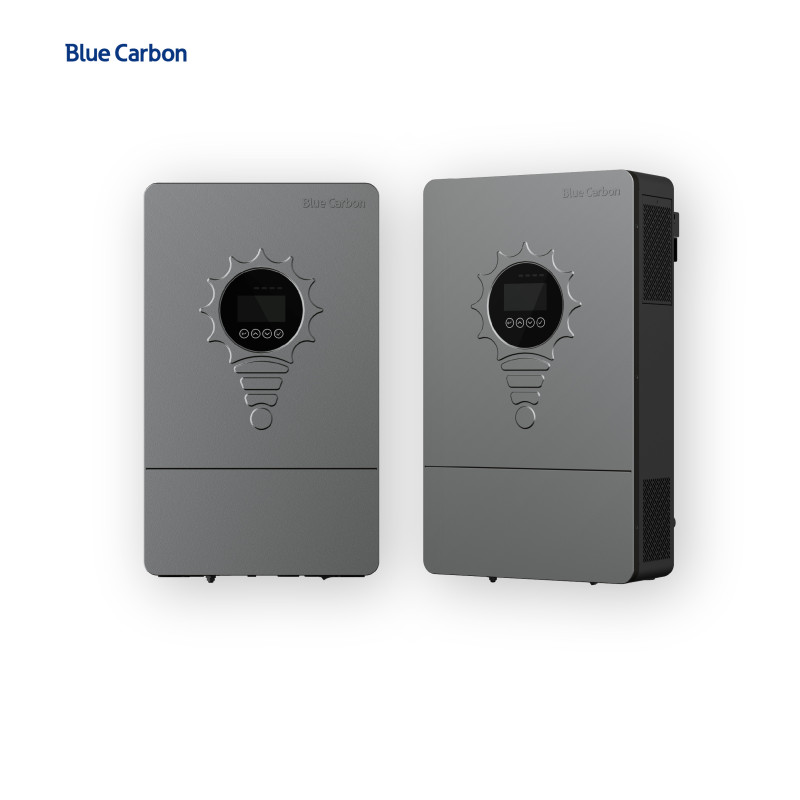
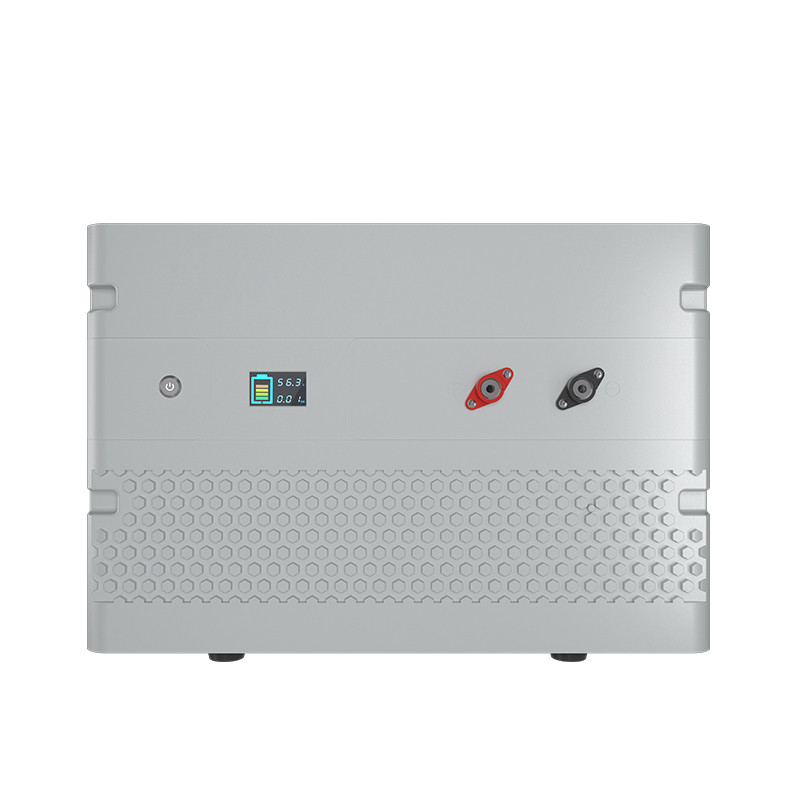
Blue
Carbon's product portfolio includes:
- Solar panels
- Lithium batteries
- Solar inverters
- Solar street lights
- Solar home systems
- Energy-storage solutions
- Other solar-energy products
The
company's website describes Blue Carbon as a one-stop supplier for various
micro-energy storage and renewable-energy applications. (Blue
Carbon Nigeria)
This can be
particularly valuable for installers and commercial customers designing
complete solar systems.
Instead of
treating the solar panel as an isolated product, customers can consider the
interaction between:
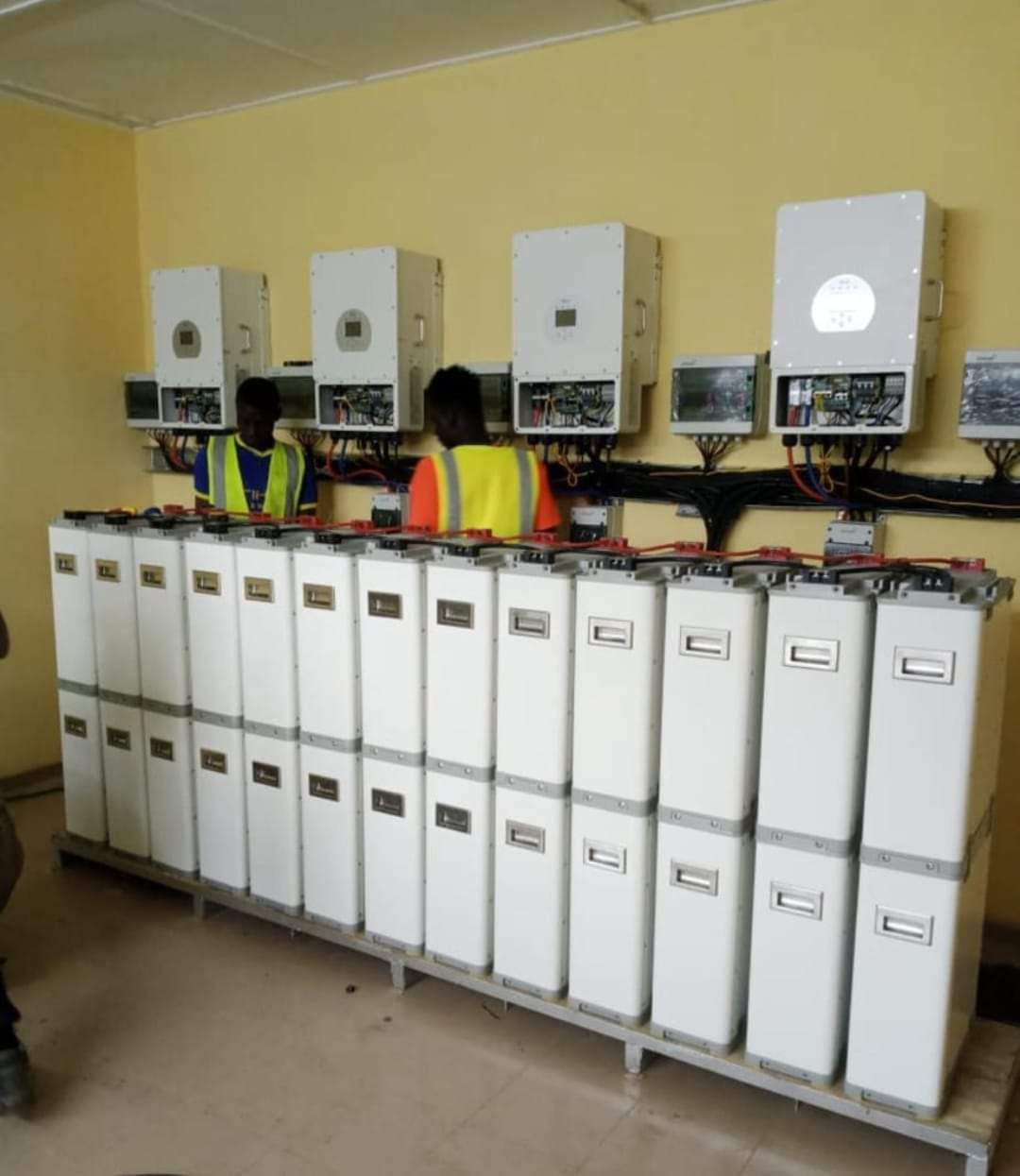
Solar
Panels → Inverter → Battery → Loads
Proper
system integration can improve overall reliability and simplify technical
support.
9. Blue
Carbon Provides Different Panel Options for Different Applications
There is no
single solar panel that is perfect for every installation.
For example,
a homeowner with limited roof space may prioritize high-efficiency
monocrystalline panels.
A commercial
facility with a large reflective rooftop may benefit from bifacial technology.
An
industrial solar project may prioritize:
- High wattage
- System scalability
- Long-term reliability
- Installation efficiency
- Energy yield
- Warranty support
Blue
Carbon's combination of monocrystalline and bifacial technologies provides
customers with multiple options rather than forcing every project into one
panel configuration. (Blue Carbon
Nigeria)
10. Blue
Carbon Focuses on Long-Term Solar Investment Value
One of the
biggest mistakes customers make when purchasing solar panels is focusing only
on the initial purchase price.
Two panels
can have similar wattage ratings but provide different value depending on:
- Efficiency
- Degradation
- Warranty
- Construction
- Temperature characteristics
- Installation quality
- Expected operating life
- Manufacturer support
For example,
a slightly more expensive panel that produces more energy consistently over
many years may deliver a better return on investment than a cheaper panel with
lower overall performance.
This is why quality,
not simply price, should be the foundation of solar-panel selection.
Blue
Carbon Solar Panels vs Other Manufacturers: Key Comparison
|
Feature |
Blue
Carbon |
Other
Solar Brands |
|
Monocrystalline
technology |
Available |
Depends on
manufacturer |
|
Bifacial
technology |
Available |
Depends on
manufacturer |
|
High-wattage
options |
Available |
Depends on
manufacturer |
|
N-Type
technology |
Highlighted
in Blue Carbon product materials |
Depends on
manufacturer |
|
Nigerian
climate considerations |
Strongly
emphasized |
Varies |
|
Solar
panel warranty |
15 years
listed for eligible panels |
Varies |
|
Product
lifespan |
Up to 25
years listed for certain products |
Varies |
|
Integrated
solar product ecosystem |
Yes |
Depends on
manufacturer |
|
Residential
applications |
Yes |
Yes |
|
Commercial
applications |
Yes |
Yes |
|
Industrial
applications |
Yes |
Depends on
manufacturer |
The
comparison shows why customers should evaluate specific panel models and
warranty terms, rather than assuming that every solar panel manufacturer
offers the same technology or quality.
11.
Professional Installation Is Still Essential
Even the
best solar panel will not perform properly if it is poorly installed.
The
installer should correctly calculate:
- Solar array size
- Inverter capacity
- Battery capacity
- Cable sizes
- Voltage and current
- Panel orientation
- Panel tilt
- Shading
- Earthing
- Surge protection
- String configuration
For bifacial
panels, installation design becomes even more important because rear-side
energy production depends on the environment surrounding the panel.
Therefore,
customers should buy quality panels and work with qualified solar
professionals.
12. Why
Nigerian Homeowners and Businesses Should Consider Blue Carbon
Nigeria's
growing demand for alternative electricity solutions makes solar technology
increasingly important.
Businesses
want to reduce dependence on diesel generators.
Homeowners
want reliable electricity.
Factories
require dependable power for production.
Hotels,
schools, hospitals and offices need energy continuity.
Solar panels
form the foundation of these systems.
Blue
Carbon's combination of modern photovoltaic technology, monocrystalline and
bifacial options, high-output products, long-term warranty coverage, and
broader solar-energy ecosystem makes it a strong option for customers
evaluating solar panels in Nigeria. (Blue
Carbon Nigeria)
How to
Choose the Right Blue Carbon Solar Panel
Before
purchasing, consider these questions:
1. How
much electricity do you need?
Determine
your daily energy consumption and peak load.
2. How
much roof space do you have?
Limited
space may make higher-efficiency panels more attractive.
3. Is
bifacial technology suitable?
Bifacial
panels perform best when the rear surface can receive useful reflected light.
4. What
inverter will you use?
The panel's
voltage and current characteristics must be compatible with the inverter and
system design.
5. Who
will install the system?
Use a
qualified solar installer who understands PV system design.
6. Is the
product genuine?
Purchase
from recognized and reliable sources and retain your invoice and product
information for warranty purposes.
Conclusion:
Why Blue Carbon Stands Out
The solar
panel market is highly competitive, and customers have many brands to choose
from. However, choosing the right solar panel should involve much more than
comparing prices.
Blue
Carbon stands out through its combination of modern photovoltaic technology,
monocrystalline and bifacial panel options, high-output models, N-Type
technology highlighted in its product materials, durability and safety
features, long-term warranty coverage, and wider renewable-energy product
ecosystem. (Blue
Carbon Nigeria)
For Nigerian
homeowners, businesses, installers and industrial customers, these factors can
make Blue Carbon an attractive option when evaluating solar panels for
long-term energy projects.
Ultimately,
the best solar panel is not necessarily the cheapest panel. It is the panel
that provides the right combination of energy production, quality,
durability, safety, warranty, compatibility and long-term value for the
specific application.
If you are
planning a residential, commercial or industrial solar installation, Blue
Carbon's range of monocrystalline and bifacial solar panels provides several
options to match different energy requirements and installation environments.
Tags: Blue Carbon solar panels, best solar panels in Nigeria, Blue Carbon vs other solar panels, monocrystalline solar panels Nigeria, bifacial solar panels Nigeria
Recent Posts
Blue Carbon Invites You to the 2026 Nigeria International Lighting Expo - September 16 - 18, 2026
High Voltage vs Low Voltage Energy Storage Systems: How to Choose the Right Solution with Blue Carbon
Register Your Blue Carbon Product for Warranty to Gain Access to Warranty Support
Blue Carbon Lithium Batteries: New Arrival with Smart BMS Specially Designed to Give Our Customers the Best Experience