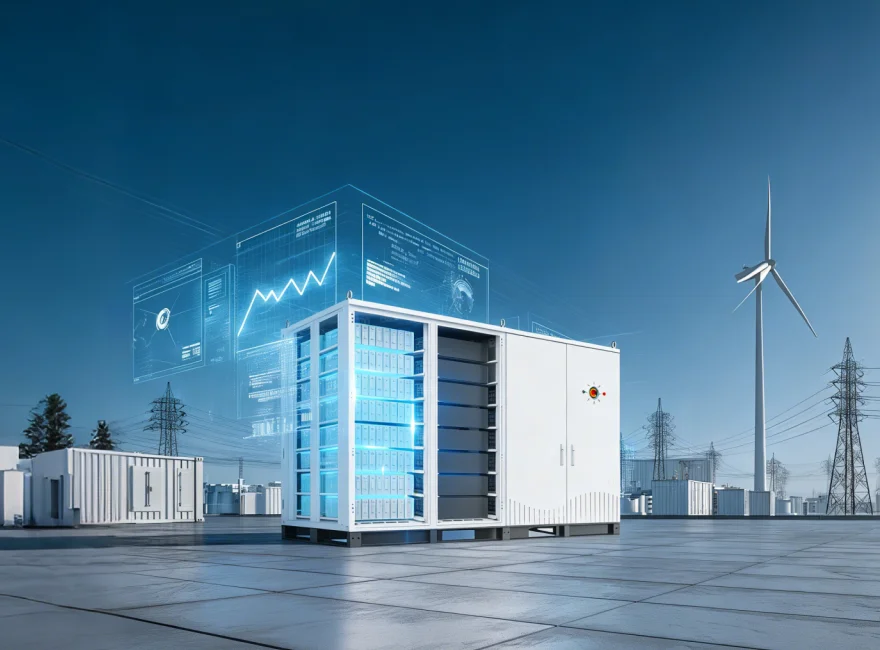
How to Match Inverter and Lithium Battery for a Solar Energy Storage System
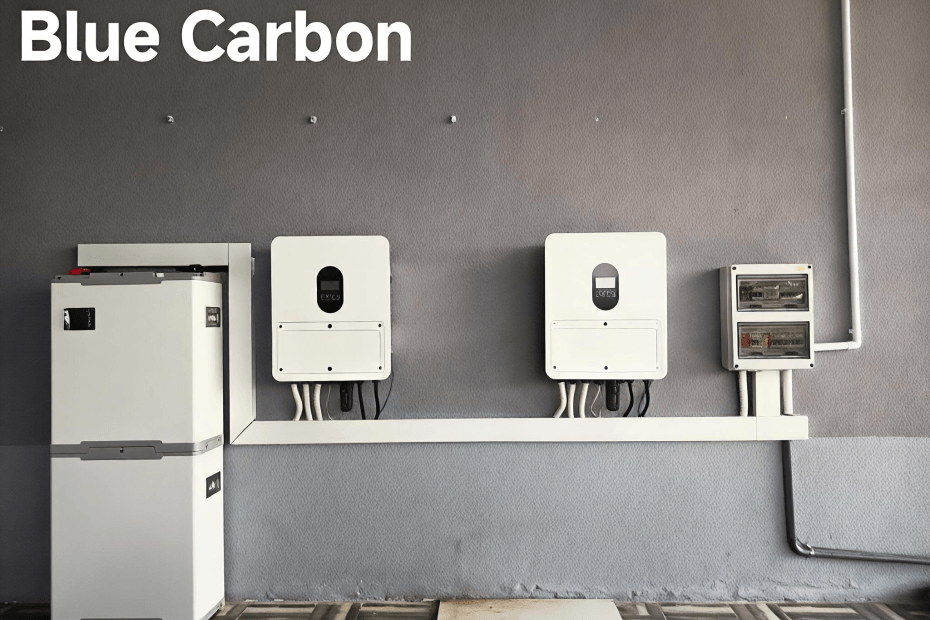
Choosing the right combination of solar inverter and lithium battery is one of the most important decisions when designing a reliable solar energy storage system. A high-quality battery can perform poorly if connected to an incompatible inverter, while an excellent inverter may not deliver the expected results when paired with an undersized or incorrectly configured lithium battery.
For homes,
businesses, commercial facilities and industrial applications, proper matching
helps improve backup time, charging performance, system efficiency, battery
lifespan, safety and overall return on investment.
For
customers considering a Blue Carbon solar energy storage solution,
understanding how the inverter and lithium battery work together makes it
easier to select a system that is correctly sized for the application's actual
energy requirements.
What Is a
Solar Energy Storage System?
A solar
energy storage system combines solar panels, an inverter, batteries and other
electrical protection and control equipment to generate, convert, store and
distribute electricity.
A typical
system works as follows:
Solar
Panels → Inverter → Loads
When excess
solar energy is available:
Solar
Panels → Inverter/Charger → Lithium Battery
When solar
production is insufficient:
Lithium
Battery → Inverter → Loads
The inverter
is therefore the interface between the battery and the electrical loads, while
the battery provides stored energy when solar generation is unavailable or
insufficient.
This means
the two components must be electrically and electronically compatible.
Why
Inverter and Lithium Battery Compatibility Matters
Lithium
batteries are not simply large versions of traditional lead-acid batteries.
Modern lithium energy storage systems typically include a Battery Management
System (BMS) that monitors and protects the battery.
The BMS can
monitor parameters such as:
- Battery voltage
- Cell voltage
- Charging current
- Discharging current
- Temperature
- State of charge
- Overvoltage
- Undervoltage
- Overcurrent
- Short-circuit conditions
The inverter
also has its own operating limits.
If the
battery and inverter are not properly matched, the system may experience:
- Charging problems
- Inverter fault alarms
- Battery shutdown
- Reduced available capacity
- Communication errors
- Excessive battery current
- Poor backup performance
- Premature battery wear
- Unexpected system shutdown
Correct
compatibility should therefore be checked before installation.
1. Match
the Battery Voltage With the Inverter
One of the
first specifications to check is the battery voltage.
Common
lithium energy-storage configurations include:
- 12V
- 24V
- 48V/51.2V-class low-voltage
systems
- High-voltage battery systems
The
inverter's battery input must be designed for the corresponding voltage range.
For example,
a 48V-class lithium battery should be connected to an inverter designed to
operate with that battery voltage range.
A
high-voltage battery system, on the other hand, requires an inverter
specifically designed for high-voltage battery input.
Never
match batteries based only on nominal voltage
A battery
described as "48V" does not necessarily operate at exactly 48.0V
under every condition.
For example,
many LiFePO₄ battery systems use a nominal voltage around 51.2V, while
the actual operating voltage changes according to state of charge and
charging/discharging conditions.
Therefore,
always compare:
Battery
operating voltage range ↔ Inverter battery voltage range
rather than
comparing only the marketing label.
2. Match
the Inverter Power to the Required Load
The inverter
must be capable of supplying the required power.
Suppose a
household has a calculated simultaneous load of approximately 6kW.
A 3kW
inverter would not be appropriate for continuously supplying that load simply
because the battery has sufficient capacity.
The inverter
determines how much power can be delivered to the loads at a particular time.
Important
inverter specifications include:
- Continuous output power
- Maximum output power
- Surge power
- Output voltage
- Output frequency
- Phase configuration
- Maximum PV input power
- Maximum charging current
- Maximum battery discharge
current
The inverter
should therefore be selected according to the actual electrical demand.
3. Match
Battery Capacity to Backup Requirements
Battery
capacity is normally expressed in kilowatt-hours (kWh).
For example:
10kWh
battery × 5kW load ≈ 2 hours
This is a
simplified calculation. Actual backup time will be affected by inverter
efficiency, battery usable capacity, depth-of-discharge settings, temperature
and the actual load profile.
A more
practical calculation is:
Backup
time ≈ Usable battery energy ÷ Average load
For example,
if a battery provides approximately 10kWh of usable energy and the average load
is 2.5kW:
10kWh ÷
2.5kW = approximately 4 hours
However, the
real result can be lower because of conversion losses and other operating
conditions.
This is why
both inverter power and battery capacity must be considered.
4.
Understand the Relationship Between kW and kWh
This is one
of the most common areas of confusion when designing solar systems.
kW =
Power
Kilowatts
describe how much power equipment consumes or supplies at a particular moment.
kWh =
Energy
Kilowatt-hours
describe how much energy is consumed or stored over time.
For example:
A 5kW
inverter can supply up to approximately 5kW of continuous power within its
specifications.
A 10kWh
battery represents an amount of stored energy.
They answer
different questions.
Inverter: How much power can the system
deliver?
Battery: How much energy can the system
store?
A properly
designed system needs both to be appropriately sized.
5. Check
the Battery's Maximum Charge and Discharge Current
Current is
another critical consideration.
The battery
has a maximum recommended charge current and maximum discharge current. The
inverter also has charging and battery-discharge limits.
These
specifications must work together.
For example,
if an inverter can potentially draw a large amount of current from the battery
but the battery's BMS is designed for a much lower continuous discharge
current, the battery may not be suitable for that inverter/load combination.
A simplified
relationship is:
Power =
Voltage × Current
Therefore:
Current =
Power ÷ Voltage
Consider a
10kW load.
At
approximately 48V:
10,000W ÷
48V ≈ 208A
At
approximately 400V:
10,000W ÷
400V = 25A
This
illustrates why high-voltage energy storage systems can be advantageous for
larger installations: the same power can be transferred at a significantly
lower current.
However, the
actual system design must use the manufacturer's specified voltage, current and
operating limits.
6. Check
BMS Communication Compatibility
Modern
lithium batteries often communicate with compatible inverters through a
communication interface.
Common
communication protocols and interfaces may include:
- CAN
- RS485
- Manufacturer-specific protocols
- Other supported communication
interfaces
BMS
communication allows the battery to send information to the inverter, such as:
- State of charge
- Battery voltage
- Charge current limits
- Discharge current limits
- Temperature
- Protection status
- Battery alarms
This can
allow the inverter to adjust its operation according to the battery's
condition.
Why this
matters
Without
appropriate communication, a lithium battery and inverter may still sometimes
operate using manually configured voltage parameters, depending on the
equipment.
However, if
the battery manufacturer requires BMS communication for a particular
configuration, the inverter must support the required communication method and
settings.
For a Blue
Carbon lithium battery installation, the installer should confirm the
recommended inverter compatibility and communication configuration for the
specific battery model.
7. Match
the Inverter's Charging Parameters
Lithium
batteries require appropriate charging parameters.
The inverter
should be configured according to the battery manufacturer's specifications,
including relevant:
- Maximum charging voltage
- Charging current
- Float or standby settings where
applicable
- Low-voltage protection
- Restart voltage
- Maximum discharge settings
- Battery type
- BMS communication settings
Incorrect
charging parameters can negatively affect battery performance and may trigger
BMS protection.
This is
particularly important with lithium batteries because their charging
characteristics differ from traditional lead-acid batteries.
8.
Consider the Number of Batteries Required
A single
lithium battery may not always provide sufficient power or energy for a
particular inverter.
Multiple
batteries may be required to increase:
- Energy storage capacity
- Maximum available discharge
current
- System scalability
- Backup duration
For example,
a larger inverter may require several battery modules operating in parallel.
However,
batteries should not simply be connected together because they have the same
nominal voltage.
The battery
manufacturer must specify whether parallel operation is supported and how it
should be configured.
Important
considerations include:
- Compatible battery models
- Maximum number of batteries
- Battery firmware
- BMS communication
- Cable sizing
- Fuse/breaker protection
- Battery balancing
- Installation configuration
9.
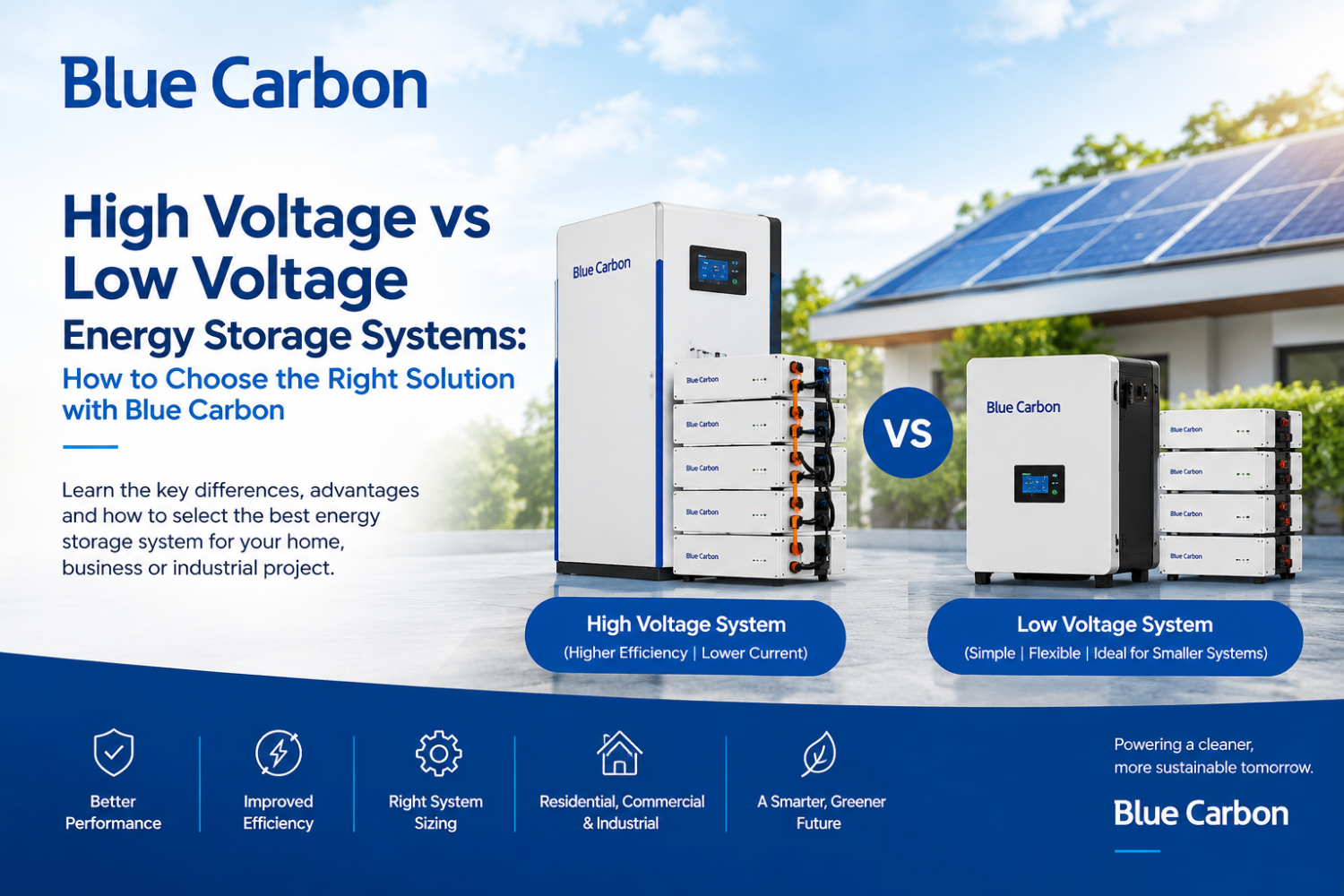
Consider High-Voltage vs Low-Voltage Systems
The choice
between a low-voltage and high-voltage energy storage system depends largely on
the application.
Low-voltage
systems
Low-voltage
lithium battery systems are commonly used in residential and smaller commercial
applications.
Potential
advantages include:
- Relatively simple system
architecture
- Familiar installation practices
- Modular battery configurations
- Suitability for many residential
applications
High-voltage
systems
High-voltage
energy storage systems are commonly considered for larger energy-storage
applications.
Potential
advantages include:
- Lower current for a given power
level
- Reduced current-related cable
losses
- Smaller current requirements for
high-power systems
- Suitability for larger
commercial and industrial installations
However,
high-voltage systems require equipment specifically designed and certified for
the applicable voltage range, together with appropriate installation and safety
procedures.
10. Match
the Inverter With the Solar Array
The battery
is only one part of the system.
The inverter
must also be compatible with the solar panel array.
Important
specifications include:
- Maximum PV voltage
- MPPT voltage range
- Maximum PV current
- Maximum PV input power
- Number of MPPTs
- Maximum short-circuit current
- PV string configuration
Incorrect PV
sizing can cause poor solar production or potentially damage equipment.
The solar
array should therefore be designed according to the inverter manufacturer's
specifications.
11.
Consider Single-Phase or Three-Phase Requirements
The
electrical architecture of the building also affects inverter selection.
Residential
systems may commonly use single-phase configurations, while larger commercial
and industrial facilities may require three-phase systems.
Before
choosing an inverter, determine:
- Single-phase or three-phase
supply
- Required output voltage
- Required frequency
- Maximum load
- Motor loads
- Large air-conditioning loads
- Pumps
- Compressors
- Industrial machinery
For
commercial and industrial systems, phase balancing and load distribution can
become important parts of the design.
12.
Consider Surge Loads
Some
appliances require significantly more power when starting than they consume
during normal operation.
Examples
include:
- Refrigerators
- Freezers
- Water pumps
- Air conditioners
- Compressors
- Motors
For example,
an air conditioner might normally consume several kilowatts but require a
substantially higher starting current.
The inverter
therefore needs adequate surge capability.
A battery
with sufficient kWh capacity does not automatically mean the inverter can start
every appliance.
This is
another reason to size the inverter based on the actual load profile,
not simply the total battery capacity.
Blue
Carbon Lithium Battery and Inverter Integration
Blue Carbon
provides lithium energy-storage products intended for residential, commercial
and industrial solar applications.
Its official
product and warranty information covers LiFePO₄ lithium batteries,
including residential, commercial and industrial energy storage, as well as
rack-mounted and wall-mounted battery configurations.
Blue
Carbon's official warranty information also emphasizes the importance of
compatible inverter/charger equipment, appropriate charging and discharging
parameters, correct installation and, where required, compatible BMS
communication.
That means a
Blue Carbon energy-storage project should be designed as an integrated system
rather than selecting the battery and inverter independently.
Blue Carbon Nigeria
official website
Example
of a Proper Inverter-Battery Matching Process
Imagine a
commercial facility has:
Peak
load: 20kW
Desired backup: 5 hours
Average backup load: 10kW
The
approximate energy requirement would be:
10kW × 5
hours = 50kWh
The designer
would then consider:
- Required inverter output power
- Required battery capacity
- Battery voltage
- Maximum battery discharge
current
- Maximum inverter charging
current
- PV array capacity
- BMS communication
- Battery/inverter compatibility
- Required backup reserve
- Protection equipment
- Cable sizing
- Future expansion
The final
battery bank may need to be larger than the simple 50kWh calculation because
the system must account for usable capacity, conversion losses, operating
limits and desired reserve.
Common
Mistakes When Matching Inverters and Lithium Batteries
Choosing
the battery based only on kWh
A 20kWh
battery does not automatically mean it can support every 20kW inverter.
The battery
must also have sufficient discharge capability.
Ignoring
BMS compatibility
Communication
problems can result in inaccurate battery information or system faults.
Using an
incompatible battery voltage
The inverter
must be designed for the battery's actual operating voltage range.
Ignoring
surge loads
Motors and
compressors can require significantly more power during startup.
Incorrect
charging settings
Lithium
batteries require appropriate charging parameters.
Connecting
unsupported batteries in parallel
Only use
configurations approved by the battery manufacturer.
Undersizing
cables and protection equipment
High-current
low-voltage systems can require substantial cable capacity and appropriate
protection.
Selecting
the inverter before calculating the load
The inverter
should be selected after understanding the actual electrical requirements.
A
Practical Checklist for Choosing an Inverter and Lithium Battery
Before
purchasing an energy storage system, check the following:
|
Parameter |
What
to Check |
|
Battery
voltage |
Must fall
within inverter battery input range |
|
Battery
capacity |
Must meet
required backup energy |
|
Battery
discharge current |
Must
support required load |
|
Inverter
power |
Must
handle peak continuous load |
|
Surge
capacity |
Must
accommodate starting loads |
|
Charging
current |
Must
remain within battery limits |
|
BMS |
Must be
compatible where communication is required |
|
Communication |
CAN/RS485
or specified protocol |
|
PV input |
Must match
solar array |
|
Phase |
Single-phase
or three-phase |
|
Battery
expansion |
Confirm
supported number of modules |
|
Protection |
Correct
breakers, fuses, SPD and isolation |
|
Installation |
Follow
manufacturer requirements |
|
Environment |
Temperature,
ventilation and installation conditions |
Why
Professional System Design Matters
Solar energy
storage is not simply about buying the biggest inverter and largest battery
available.
A
professional design considers the entire electrical system:
Loads →
Inverter → Battery → Solar Array → Protection → Installation → Monitoring
A correctly
designed system can provide more predictable performance, better battery
utilization and improved operational safety.
For larger
residential, commercial and industrial systems, professional load assessment
and system design become particularly important.
Conclusion
Matching an
inverter and lithium battery correctly is essential for building a reliable
solar energy storage system.
The most
important factors include battery voltage, inverter power, battery capacity,
charging and discharge current, BMS communication, PV compatibility, surge
requirements, phase configuration and future expansion requirements.
The basic
principle is simple:
The
inverter must be compatible with the battery, and the battery must be capable
of supplying the inverter and the connected loads within its specified
operating limits.
For Blue
Carbon lithium battery systems, customers should use the specifications and
installation requirements applicable to the exact battery model and select a
compatible inverter rather than relying solely on nominal voltage or battery
capacity.
A properly
matched Blue Carbon battery and inverter system can form the foundation of an
efficient solar energy storage solution for homes, offices, businesses,
commercial facilities and industrial applications in Nigeria.
Meta
Description
Keywords
How to match
inverter and lithium battery, Blue Carbon lithium battery, solar energy storage
system, lithium battery and inverter compatibility, solar inverter sizing
Meta
Title
Short
Description
Recent Posts
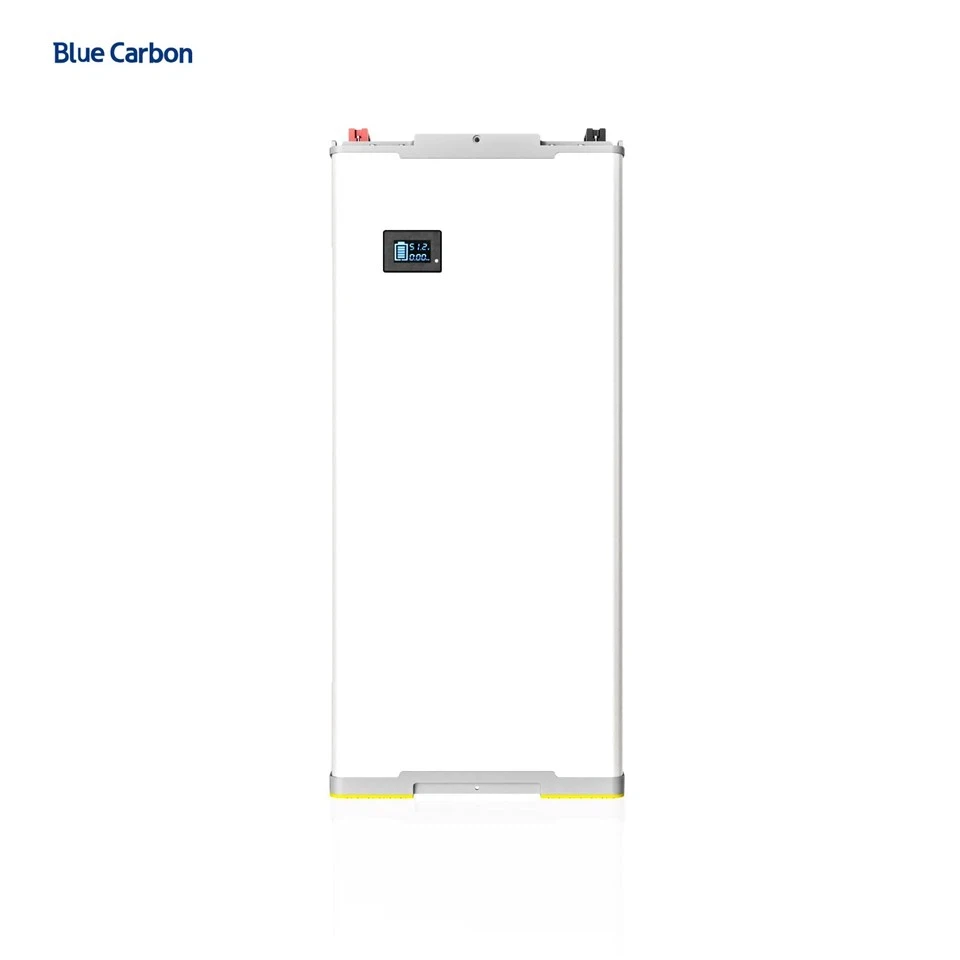
10kWh Lithium Battery Price in Nigeria: Capacity, Backup Time & Cost
15kWh Lithium Battery Price in Nigeria: What You Need to Know Before Buying
Lithium Battery Price in Nigeria 2026: Complete Buying Guide
Why Blue Carbon Products Have the Best Quality in the Nigerian Market: Making Blue Carbon the Most Preferred Choice
Blue Carbon Invites You to the 2026 Nigeria International Lighting Expo - September 16 - 18, 2026