
LiFePO4 Battery Charging and Discharging Considerations
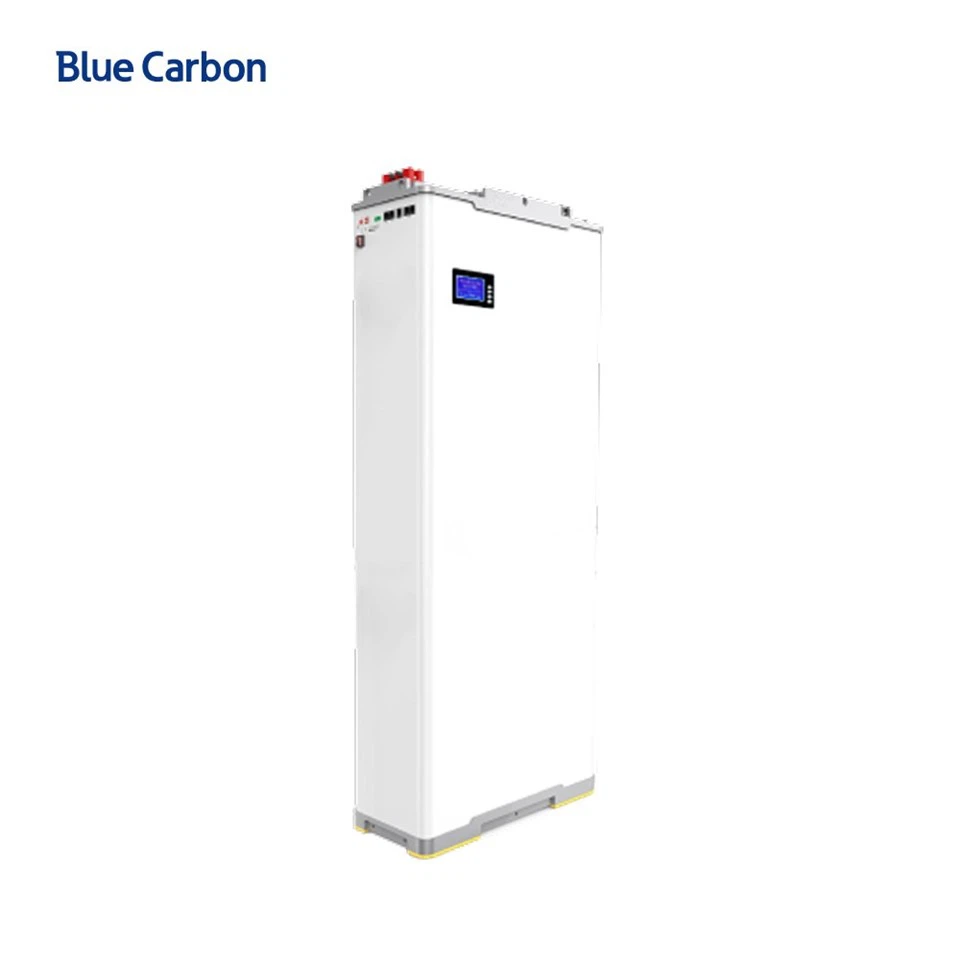
As the demand for renewable energy continues to grow, Lithium Iron Phosphate (LiFePO4) batteries have become one of the most popular energy storage solutions for residential, commercial, and industrial solar systems. Known for their exceptional safety, long lifespan, high efficiency, and low maintenance requirements, LiFePO4 batteries have largely replaced traditional lead-acid batteries in modern solar installations.
However, to
maximize the performance and lifespan of a LiFePO4 battery, it is essential to
understand the proper charging and discharging practices. Incorrect charging
parameters, excessive discharge, poor temperature management, and incompatible
equipment can significantly affect battery performance and longevity.
In this
comprehensive guide, we will explore the key charging and discharging
considerations for LiFePO4 batteries and explain how users can optimize their
energy storage systems for maximum efficiency and reliability.
What Is a
LiFePO4 Battery?
LiFePO4
stands for Lithium Iron Phosphate, a type of lithium-ion battery
chemistry known for its stability and safety.
Unlike
traditional lead-acid batteries, LiFePO4 batteries offer:
- Longer lifespan
- Faster charging
- Higher efficiency
- Greater depth of discharge
- Lower maintenance
- Enhanced safety
These
benefits make them ideal for:
- Solar energy systems
- Residential backup power
- Commercial energy storage
- Telecommunications
- Industrial applications
- Electric vehicles
Why
Proper Charging and Discharging Matter
A LiFePO4
battery is a significant investment. Proper charging and discharging practices
help:
- Extend battery lifespan
- Improve efficiency
- Maintain battery health
- Reduce replacement costs
- Ensure system reliability
Even though
LiFePO4 batteries are more durable than other battery technologies, improper
usage can still reduce their service life.
Understanding
LiFePO4 Battery Charging
Charging is
the process of replenishing the battery's stored energy.
LiFePO4
batteries use a charging method known as:
Constant
Current (CC)
Followed by
Constant
Voltage (CV)
This
charging profile ensures the battery receives the correct amount of current and
voltage during each stage of charging.
Recommended
Charging Voltage
The
recommended charging voltage depends on the battery configuration.
For a
typical 48V LiFePO4 battery system:
- Bulk charging voltage:
approximately 56V-58.4V
- Float charging voltage:
typically not required or set lower than lead-acid systems
Always
follow the manufacturer's specifications.
Using
incorrect voltage settings may:
- Trigger BMS protection
- Reduce battery lifespan
- Affect performance
Importance
of Using Compatible Chargers
One of the
most important charging considerations is using equipment specifically designed
for lithium batteries.
A compatible
charger or inverter should:
- Support LiFePO4 battery settings
- Provide correct charging voltage
- Include charging protection
features
- Communicate with the Battery
Management System (BMS) when applicable
Modern
hybrid inverters often include dedicated lithium battery charging profiles.
Avoid
Overcharging
Although
LiFePO4 batteries are safer than many lithium chemistries, overcharging should
still be avoided.
Overcharging
can:
- Stress battery cells
- Trigger BMS protection
- Reduce battery lifespan
- Increase internal heat
generation
The BMS
provides protection, but relying on it continuously is not recommended.
Proper
inverter settings are essential.
Charging
Current Considerations
Charging
current affects battery performance and longevity.
Most LiFePO4
batteries specify a maximum charging current.
Charging too
quickly may:
- Increase battery temperature
- Accelerate cell degradation
- Reduce overall lifespan
Following
manufacturer recommendations helps ensure safe and efficient operation.
Temperature
Considerations During Charging
Temperature
has a major impact on battery charging.
Ideal
Charging Temperature
Most LiFePO4
batteries perform best between:
- 0°C to 45°C
Charging
outside the recommended temperature range may affect battery performance.
Charging
in Hot Conditions
High
temperatures can:
- Accelerate battery aging
- Reduce battery lifespan
- Increase thermal stress
Proper
ventilation is recommended.
Charging
in Cold Conditions
Extremely
low temperatures can:
- Reduce charging efficiency
- Cause lithium plating
- Damage battery cells
Many modern
batteries include temperature protection through the BMS.
Understanding
LiFePO4 Battery Discharging
Discharging
occurs when stored energy is used to power loads.
Proper
discharge management is equally important for maximizing battery life.
Depth of
Discharge (DoD)
Depth of
Discharge refers to the percentage of battery capacity that has been used.
Example:
- A 100Ah battery discharged by
80Ah has an 80% DoD.
LiFePO4
batteries are designed to support deeper discharges compared to lead-acid
batteries.
Typical
usable DoD:
- 80%-100%
depending on
manufacturer specifications.
Benefits
of Controlled Discharge
Maintaining
reasonable discharge levels helps:
- Extend battery lifespan
- Improve cycle life
- Maintain battery performance
Although
LiFePO4 batteries can handle deep discharges, avoiding complete depletion
whenever possible is beneficial.
Avoid
Deep Discharge Below Recommended Limits
Repeatedly
discharging the battery below its recommended minimum voltage may:
- Stress battery cells
- Trigger BMS shutdown
- Reduce cycle life
The Battery
Management System helps protect against excessive discharge.
Understanding
Battery Cycle Life
One of the
biggest advantages of LiFePO4 batteries is their long cycle life.
A cycle
refers to:
- One complete charge
- Followed by one complete
discharge
Quality
LiFePO4 batteries can deliver:
- 4,000 to 8,000+ cycles
depending on
operating conditions.
Proper
charging and discharging significantly influence actual cycle life.
The Role
of the Battery Management System (BMS)
The BMS is
one of the most critical components in any LiFePO4 battery.
Its
responsibilities include:
- Overcharge protection
- Over-discharge protection
- Cell balancing
- Temperature monitoring
- Current protection
- Short-circuit protection
The BMS
helps maintain battery health and safety.
Importance
of Battery Communication
Many modern
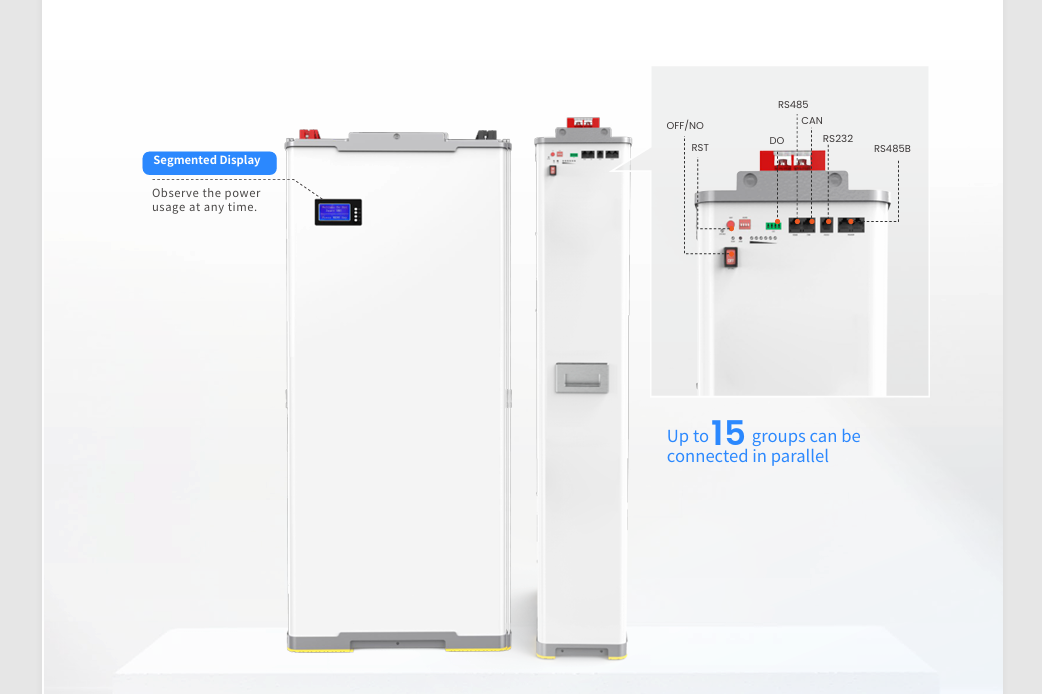
lithium batteries communicate directly with compatible inverters.
Communication
protocols include:
- CAN Bus
- RS485
These
systems allow:
- Real-time monitoring
- Smart charging control
- Improved battery protection
- Enhanced system efficiency
Proper
communication ensures the inverter receives accurate battery information.
State of
Charge (SOC) Monitoring
State of
Charge (SOC) indicates how much energy remains in the battery.
Monitoring
SOC helps users:
- Avoid excessive discharge
- Plan energy usage
- Improve system reliability
Many lithium
battery systems provide SOC information through:
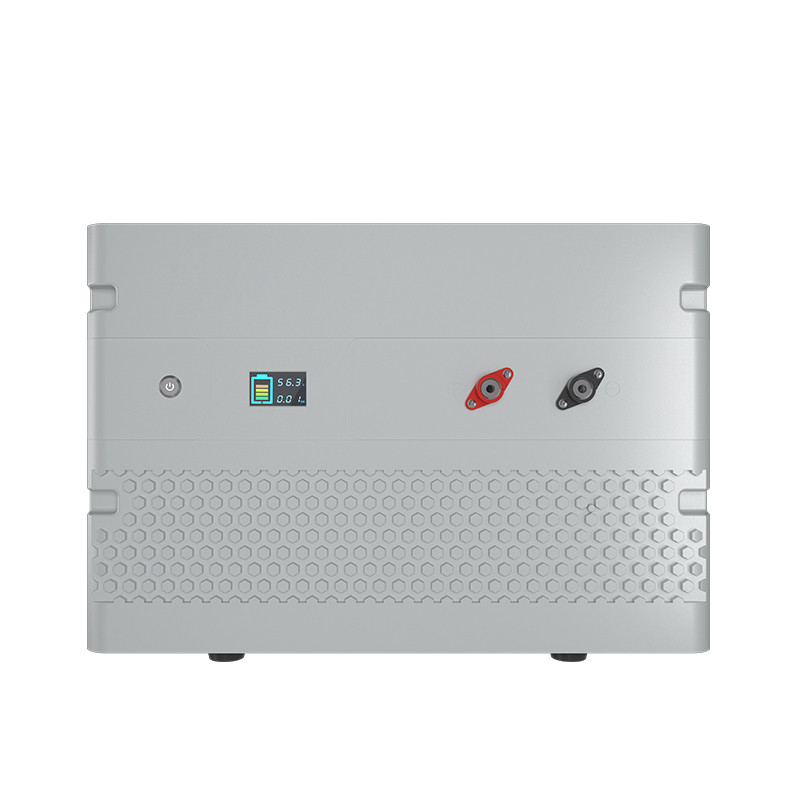
- Battery displays
- Mobile applications
- Inverter monitoring software
Best
Practices for LiFePO4 Battery Charging
To maximize
battery lifespan:
Use
Compatible Equipment
Always use
lithium-compatible chargers and inverters.
Follow
Manufacturer Settings
Use
recommended voltage and current parameters.
Avoid
Excessive Heat
Install
batteries in ventilated locations.
Monitor
Battery Health
Regularly
review system performance.
Maintain
Clean Connections
Ensure
terminals remain secure and corrosion-free.
Best
Practices for LiFePO4 Battery Discharging
Avoid
Continuous Deep Discharge
Although
possible, frequent deep discharge may shorten lifespan.
Size the
Battery Properly
Choose a
battery system that matches your energy requirements.
Avoid
Overloading
Do not
exceed the battery's rated discharge capacity.
Use
Quality Inverters
Proper
inverter settings help protect the battery.
Common
Mistakes to Avoid
Many users
unintentionally reduce battery lifespan by making avoidable mistakes.
Using
Lead-Acid Charging Settings
Lithium
batteries require different charging profiles.
Ignoring
Temperature Conditions
Extreme
temperatures affect performance.
Oversizing
Loads
Excessive
load demand can stress the battery.
Poor
Installation Practices
Incorrect
wiring can cause performance issues.
Mixing
Different Battery Types
Never
combine incompatible battery chemistries in the same system.
LiFePO4
Batteries and Solar Energy Systems
LiFePO4
batteries are particularly well suited for solar applications because they
offer:
- High round-trip efficiency
- Fast charging
- Deep discharge capability
- Long cycle life
- Low maintenance
These
characteristics help maximize solar energy utilization and system performance.
Why
LiFePO4 Batteries Are Becoming the Industry Standard
The
renewable energy industry increasingly favors LiFePO4 batteries due to:
- Superior safety
- Long-term reliability
- Reduced maintenance
- Lower lifetime costs
- Better environmental performance
As solar
adoption continues to grow, LiFePO4 technology is expected to remain a leading
energy storage solution.
Conclusion
LiFePO4
batteries have revolutionized modern energy storage by providing exceptional
performance, safety, and longevity. However, achieving maximum value from your
investment requires proper charging and discharging practices.
By using
compatible charging equipment, maintaining recommended voltage settings,
monitoring battery temperatures, avoiding excessive discharge, and leveraging
the protection offered by the Battery Management System, users can
significantly extend battery lifespan and improve system reliability.
Whether used
in residential solar systems, commercial installations, or industrial energy
storage projects, LiFePO4 batteries deliver outstanding performance when
operated according to best practices.
Understanding
these charging and discharging considerations will help ensure your battery
system remains efficient, safe, and dependable for many years to come.
Recent Posts
Why Blue Carbon Products Have the Best Quality in the Nigerian Market: Making Blue Carbon the Most Preferred Choice
Blue Carbon Invites You to the 2026 Nigeria International Lighting Expo - September 16 - 18, 2026
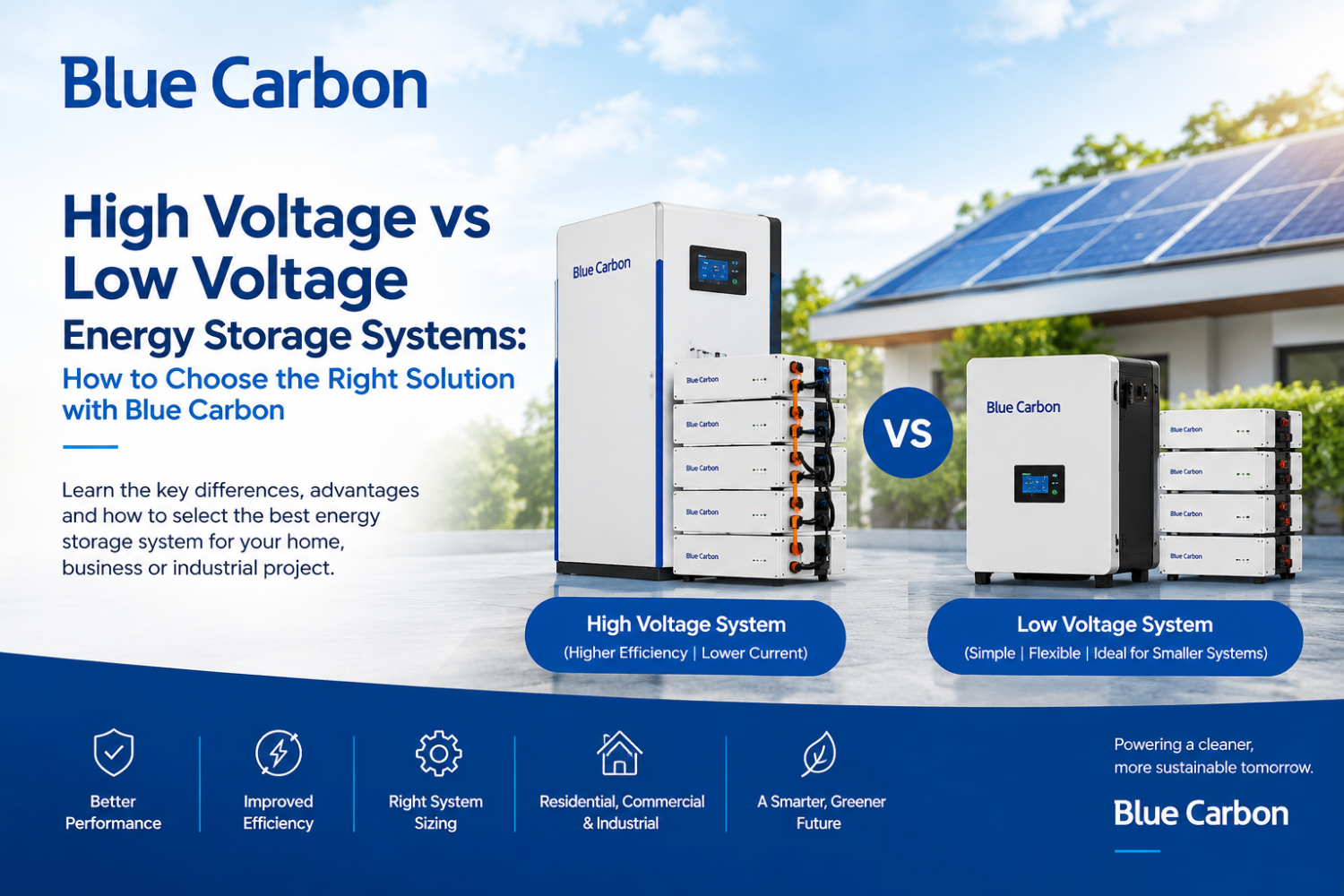
High Voltage vs Low Voltage Energy Storage Systems: How to Choose the Right Solution with Blue Carbon

Register Your Blue Carbon Product for Warranty to Gain Access to Warranty Support